

Oxeye daisy offers surprising medicinal and practical applications from wound care to natural pest control, drawing on centuries of traditional herbalism and emerging phytochemical research that validates its therapeutic compounds.
Botanical Context and Phytochemical Foundations
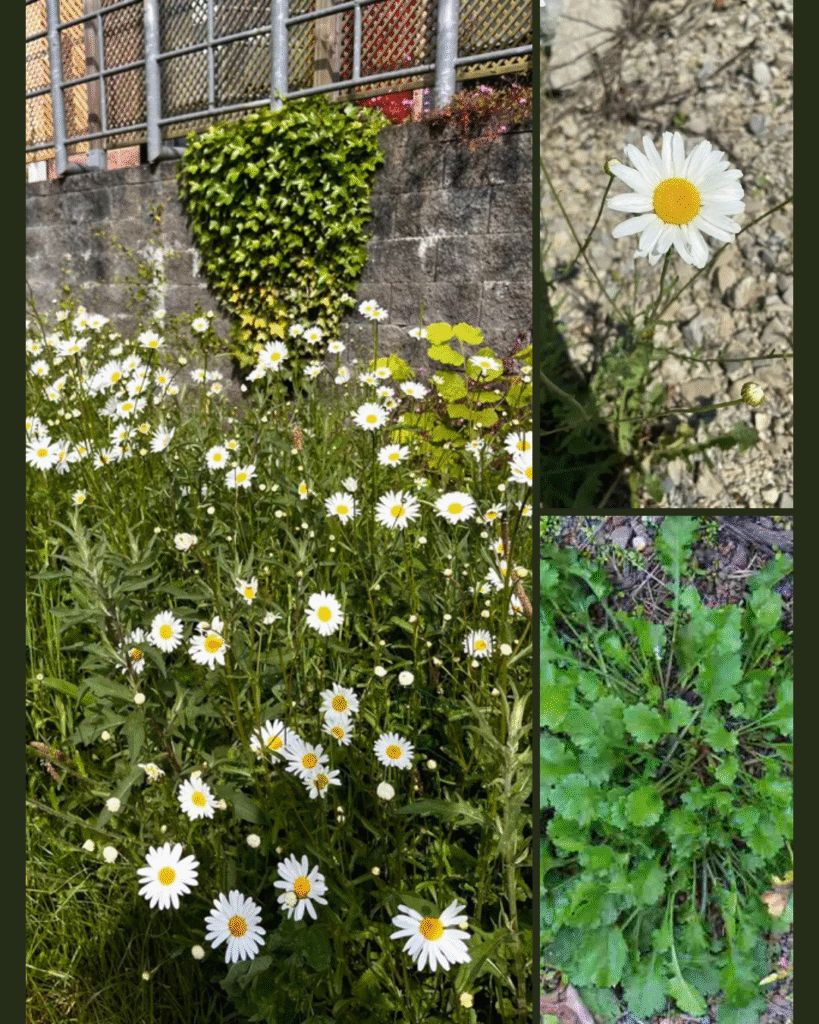
Leucanthemum vulgare, commonly designated as oxeye daisy, represents a perennial member of the Asteraceae family with documented presence across European, North American, and temperate Asian ecosystems. This herbaceous plant exhibits characteristic white ray florets surrounding a yellow disc center, achieving heights between 30-90 centimeters depending on soil conditions and microclimate variables.
The therapeutic potential of oxeye daisy derives from its phytochemical composition, which includes flavonoids (particularly apigenin and luteolin), sesquiterpene lactones, essential oils, and phenolic compounds. These bioactive constituents demonstrate anti-inflammatory, antimicrobial, and antioxidant properties in preliminary laboratory investigations, though clinical validation remains limited in scope compared to more extensively studied medicinal plants.
Traditional European herbalism incorporated oxeye daisy preparations for various ailments, with historical documentation spanning medieval pharmaceutical texts to 19th-century botanical pharmacopoeias. Modern interest in this species reflects broader phytotherapeutic trends emphasizing indigenous plant knowledge and sustainable resource utilization.
Topical Wound Treatment and Skin Applications
Fresh oxeye daisy leaves yield a mucilaginous juice when crushed, creating a natural poultice with purported vulnerary properties. Traditional applications involved direct placement of macerated leaves onto minor cuts, abrasions, and superficial wounds. The mechanism likely involves both physical occlusion and potential antimicrobial effects from essential oil components.
To prepare a basic wound treatment, select unblemished leaves from plants growing in uncontaminated areas, wash thoroughly with clean water, and crush using a mortar and pestle or clean stone. Apply the resulting paste directly to cleaned wounds, covering with breathable cloth. Some practitioners report reduced inflammation and accelerated healing, though individual responses vary considerably.
A dilute infusion prepared from dried flowers serves as a gentle skin wash for minor irritations. Steep two tablespoons of dried flower heads in 250 milliliters of boiling water for 15 minutes, strain completely, and allow cooling to lukewarm temperature. This preparation may be applied with clean cotton to affected areas, though allergic reactions remain possible in individuals sensitive to Asteraceae species.
Anti-inflammatory Compress Preparation
The anti-inflammatory potential of oxeye daisy stems from flavonoid compounds that modulate inflammatory cascade pathways at the cellular level. A compress utilizing this property addresses localized inflammation from minor sprains, bruises, or arthritic discomfort.
Prepare a concentrated decoction by simmering 50 grams of fresh flowering tops in 500 milliliters of water for 20 minutes. The resulting liquid, once strained and cooled to tolerably warm temperature, saturates clean cloth for compress application. Apply to affected areas for 15-20 minute intervals, repeating two to three times daily as tolerated.
The sesquiterpene lactones present in oxeye daisy may contribute to anti-inflammatory effects through inhibition of pro-inflammatory mediators, though precise mechanisms require further elucidation through controlled biochemical studies. Anecdotal reports suggest modest relief for minor inflammatory conditions, though this preparation should not replace appropriate medical intervention for serious injuries.
Digestive Tonic and Bitter Stimulant
Traditional herbalism classified oxeye daisy among bitter tonics, substances believed to stimulate digestive function through activation of bitter taste receptors. A mild infusion prepared from leaves and flowers provides a gentle digestive stimulant consumed before meals.
Combine one teaspoon of dried oxeye daisy with 200 milliliters of hot water, steeping for 10 minutes before straining. Consume approximately 30 minutes before eating to potentially enhance digestive enzyme secretion and gastric motility. The bitter principle activates chemosensory pathways that trigger preparatory digestive responses, though individual sensitivity to bitter compounds varies substantially.
Some practitioners incorporate oxeye daisy into compound digestive formulations alongside complementary herbs like gentian or dandelion root, creating synergistic preparations with enhanced bitter characteristics. The dosage remains modest—typically one cup prior to main meals—to avoid gastrointestinal irritation in sensitive individuals.
Natural Insect Repellent Formulation
The essential oil fraction of Leucanthemum vulgare contains compounds demonstrating insect-deterrent properties in preliminary observations. A simple repellent preparation involves macerating fresh flowering plants in carrier oil for topical application.
Fill a clean glass jar with freshly harvested oxeye daisy flowers and leaves, cover completely with neutral carrier oil such as sunflower or grapeseed oil, and seal. Store in a cool, dark location for three to four weeks, agitating daily to facilitate extraction. Strain thoroughly through fine cloth, bottle the resulting infused oil, and apply sparingly to exposed skin areas before outdoor activities.
The efficacy of this preparation varies considerably based on oil concentration, plant maturity at harvest, and target insect species. While some users report reduced mosquito and tick encounters, this approach should complement rather than replace proven insect repellents containing DEET or picaridin in high-risk environments for vector-borne diseases.
Antimicrobial Wash for Minor Infections
Phenolic compounds and essential oils in oxeye daisy exhibit antimicrobial activity against selected bacterial and fungal species in laboratory conditions. A topical wash prepared from this plant serves as an adjunct treatment for minor superficial infections, though not as a replacement for appropriate medical care.
Prepare a strong infusion using three tablespoons of dried plant material per 250 milliliters of water, steeping for 20 minutes before straining. This cooled preparation washes affected areas two to three times daily. The antimicrobial mechanism likely involves disruption of microbial cell membranes and interference with metabolic processes, though comprehensive microbiological studies remain limited.
For fungal conditions like minor athlete’s foot presentations, some herbalists recommend footbaths incorporating oxeye daisy decoction combined with increased air exposure and proper hygiene practices. The treatment efficacy for established infections remains questionable, warranting professional medical evaluation for persistent or worsening conditions.
Respiratory Support Through Steam Inhalation
Volatile compounds released from oxeye daisy during steam preparation provide potential respiratory support through mucolytic and decongestant effects. This application addresses minor upper respiratory congestion associated with common colds or seasonal allergies.
Add a generous handful of fresh or dried oxeye daisy to a heat-resistant bowl, cover with boiling water, and create a steam tent using a towel draped over the head. Inhale the aromatic vapors for 10-15 minutes, maintaining comfortable distance from the hot water to prevent thermal injury. The essential oil components may help mobilize respiratory secretions and provide temporary symptomatic relief.
This approach complements rather than replaces appropriate medical treatment for respiratory conditions. Individuals with asthma or reactive airway disease should exercise caution, as botanical steam inhalations occasionally trigger bronchospasm in susceptible persons. The therapeutic mechanism involves both direct effects of volatile compounds on respiratory epithelium and the physical benefits of warm, humidified air.
Hair Rinse for Scalp Health
A conditioning hair rinse utilizing oxeye daisy addresses minor scalp irritation and may enhance hair appearance through mild astringent properties. The preparation involves creating a strong infusion for post-shampoo application.
Steep four tablespoons of dried flowers in 500 milliliters of boiling water for 30 minutes, producing a concentrated infusion with amber coloration. After normal shampooing, pour the cooled rinse through clean hair, massaging into the scalp. Allow contact for several minutes before final rinsing with cool water. Some users report reduced scalp itching and improved hair texture with regular application, though results vary based on individual hair type and scalp condition.
The astringent tannins present in oxeye daisy may help normalize sebum production and reduce mild inflammation, while flavonoids potentially offer antioxidant protection to hair follicles. This preparation suits most hair types, though individuals with very dry hair might require reduced frequency to prevent excessive dryness.
Garden Pest Deterrent Spray
Beyond topical human applications, oxeye daisy serves in ecological pest management strategies. A foliar spray prepared from this plant deters certain garden pests through chemical compounds that insects find objectionable.
Create a concentrated decoction by simmering 200 grams of fresh plant material in one liter of water for 30 minutes. Strain thoroughly, dilute with an additional liter of water, and add a small amount of liquid soap as an emulsifier. Apply this spray to garden plants during early morning or evening hours, coating both upper and lower leaf surfaces. Reapplication following rainfall maintains efficacy.
The mechanism involves volatile compounds and bitter principles that disrupt insect feeding behavior or serve as oviposition deterrents. Effectiveness varies by pest species and infestation severity, making this approach most suitable for preventative applications rather than control of established pest populations. This preparation represents an integrated pest management component rather than a standalone solution.
Mild Sedative Tea for Occasional Sleeplessness
Traditional applications of oxeye daisy included mild sedative preparations for occasional sleep difficulties. A gentle evening tea combines this herb with complementary relaxing botanicals for a soothing nighttime beverage.
Mix equal parts dried oxeye daisy flowers, chamomile, and lemon balm. Steep one teaspoon of this blend in hot water for 10 minutes, strain, and consume 30-60 minutes before bedtime. The sedative effect likely derives from synergistic interactions among flavonoid compounds across the botanical combination rather than oxeye daisy alone.
This preparation addresses mild, transient sleep disturbances rather than chronic insomnia requiring medical evaluation. The effect remains subtle compared to pharmaceutical sleep aids, making this approach suitable for individuals seeking gentle support for occasional restlessness. Avoid operating machinery or driving after consumption, as individual responses to herbal sedatives vary considerably.
Muscle Soak for Physical Discomfort
A therapeutic bath incorporating oxeye daisy provides whole-body exposure to the plant’s anti-inflammatory and analgesic constituents. This application addresses generalized muscle soreness following physical exertion or minor strain.
Prepare a strong decoction using 150 grams of dried plant material in two liters of water, simmering for 25 minutes. Strain this concentrated preparation into a warm bath, maintaining comfortable water temperature. Soak for 20-30 minutes, allowing the bioactive compounds to interact with skin and underlying tissues. Some practitioners report reduced muscle tension and improved relaxation following such treatments.
The mechanism potentially involves both transdermal absorption of lipophilic compounds and the general therapeutic effects of warm water immersion on circulation and muscle relaxation. This approach complements appropriate rest, hydration, and gentle stretching for recovery from physical exertion, though it does not replace medical evaluation for significant injuries or persistent pain.
Antioxidant-Rich Culinary Addition
Young oxeye daisy leaves and flower petals provide edible additions to salads and cooked dishes, contributing both nutritional value and subtle flavor. The antioxidant compounds present in this plant offer potential health-promoting effects when incorporated into varied diets.
Harvest young leaves before flowering for optimal tenderness, washing thoroughly to remove soil and insects. The flavor profile presents mild bitterness with slight peppery notes, complementing mixed green salads or serving as a cooked green similar to spinach. Flower petals add visual interest to dishes while providing flavonoid antioxidants.
Consume oxeye daisy in culinary quantities rather than therapeutic doses, treating it as a vegetable rather than a concentrated remedy. Some foragers incorporate this species into wild food repertoires, though proper botanical identification remains essential to avoid confusion with toxic look-alike species. Start with small quantities to assess individual tolerance, as Asteraceae family members occasionally trigger allergic responses in sensitive individuals.
Natural Dye for Textile Applications
Beyond medicinal uses, oxeye daisy serves as a natural dye source for textile crafts. The flowers yield pale yellow to gold colorations depending on mordant selection and dye concentration.
Harvest flowering tops at peak bloom, using approximately 200 grams of fresh flowers per 100 grams of textile fiber. Simmer plant material in water for one hour, strain, and introduce pre-mordanted fabric or yarn. Maintain dyebath temperature just below boiling for 45-60 minutes, stirring occasionally for even color distribution. Different mordants alter the final hue—alum produces clear yellows while iron generates more subdued olive tones.
This application represents traditional textile crafts experiencing renewed interest in sustainable, plant-based coloration methods. The colorfastness of oxeye daisy dyes varies with preparation technique and fiber type, generally producing light-stable but moderately wash-resistant colors suitable for decorative applications rather than heavily laundered garments.
Harvesting Considerations and Sustainability
Sustainable collection practices ensure continued availability of oxeye daisy while minimizing ecological impact. Harvest from abundant populations in uncontaminated areas, taking no more than one-third of available plants in any location. Avoid collection near roadways, agricultural fields with pesticide application, or industrial sites where soil contamination may concentrate in plant tissues.
Optimal harvest timing varies by intended use—collect flowering tops at peak bloom for maximum essential oil content, while leaves harvest better in spring before flower development when tenderness and nutritional quality peak. Proper drying in well-ventilated, shaded locations preserves bioactive compounds, with dried material stored in airtight containers away from light and moisture.
Some regions classify Leucanthemum vulgare as an invasive species due to aggressive spreading in disturbed habitats, making harvest in these areas both permissible and ecologically beneficial. However, verify local regulations before collecting from public lands or protected areas where plant removal may require authorization.
Disclaimer: This article is for informational purposes only and is not a substitute for professional advice.
Source: National Center for Complementary and Integrative Health (NCCIH), National Institutes of Health – Botanical dietary supplements research and safety considerations in herbal medicine applications.