
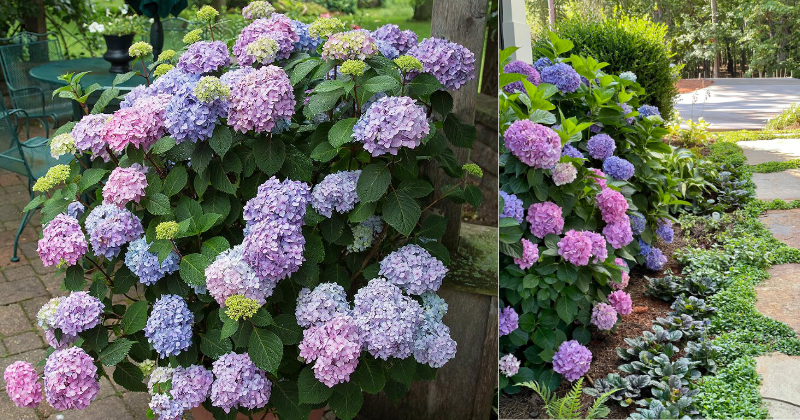
Discover how to create effective, budget-friendly fertilizers for hydrangeas using common household ingredients that promote vibrant blooms and healthy foliage throughout the growing season.
Hydrangeas are beloved garden ornamentals prized for their spectacular flower clusters and adaptable nature. While commercial fertilizers provide reliable nutrition, homemade alternatives offer gardeners sustainable, economical options that leverage readily available materials. These DIY fertilizers address the specific nutritional requirements of hydrangeas while minimizing environmental impact and reducing cultivation costs.
Understanding Hydrangea Nutritional Requirements
Hydrangeas (Hydrangea spp.) require balanced nutrition emphasizing nitrogen for foliage development, phosphorus for root establishment and bloom formation, and potassium for overall plant vigor. Additionally, these plants demonstrate sensitivity to soil pH, which directly influences bloom coloration in certain varieties. Bigleaf hydrangeas (Hydrangea macrophylla) produce blue flowers in acidic soils (pH 5.0-5.5) and pink flowers in alkaline conditions (pH 6.0-6.5), while white-flowering varieties remain unaffected by pH variations.
The optimal fertilization approach provides gradual nutrient release throughout the growing season, typically from early spring through midsummer. Over-fertilization poses risks including excessive vegetative growth at the expense of flowering, salt accumulation in soil, and potential root damage from concentrated nutrients.
Coffee Grounds: Acidifying Nitrogen Source
Used coffee grounds constitute an excellent organic amendment for hydrangeas, particularly benefiting varieties that prefer acidic soil conditions. Coffee grounds contain approximately 2% nitrogen by weight, alongside trace amounts of phosphorus, potassium, and micronutrients including magnesium and copper.
The application method involves collecting used coffee grounds, allowing them to dry partially to prevent mold formation, then distributing them around the hydrangea base in a layer approximately one-half inch thick. Work the grounds gently into the top two inches of soil using a hand cultivator, maintaining distance from the main stem to prevent moisture retention against woody tissue.
Coffee grounds demonstrate a pH ranging from 6.2 to 6.8 when fresh, gradually acidifying soil as decomposition progresses. The slow-release nature prevents nutrient surge that might stimulate excessive leaf growth. Application frequency of once monthly during the growing season provides consistent nitrogen supplementation without overwhelming plants.
One limitation involves the carbon-to-nitrogen ratio of coffee grounds, which remains relatively high. Supplementing with additional nitrogen sources or allowing adequate decomposition time ensures nitrogen availability rather than temporary immobilization by soil microorganisms breaking down carbon compounds.
Banana Peel Fertilizer: Potassium-Rich Amendment
Banana peels provide substantial potassium content (approximately 42% of dry weight) alongside phosphorus and calcium, supporting flower development and disease resistance in hydrangeas. This homemade fertilizer offers particular value during the bloom formation period when potassium demands increase.
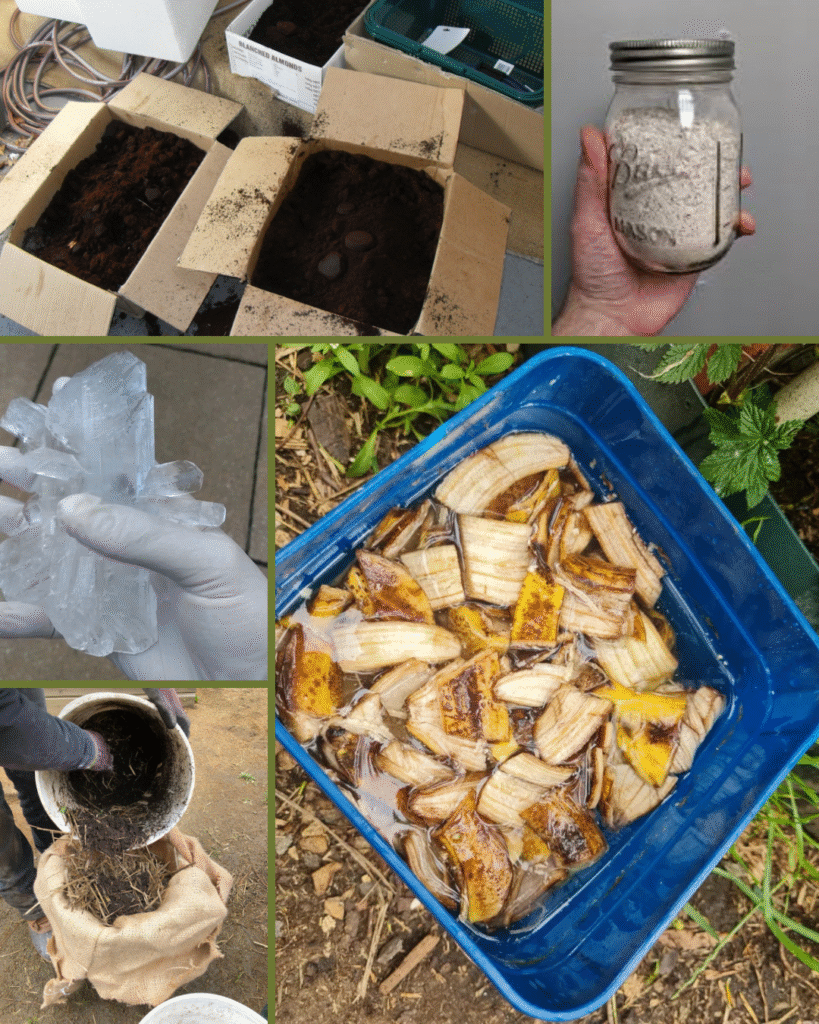
Preparation involves collecting banana peels, cutting them into small pieces to accelerate decomposition, and either burying them directly near hydrangea roots or creating a liquid extract. For direct application, dig shallow trenches approximately four inches from the plant base, distribute chopped peels, and cover with soil. Decomposition occurs over several weeks, gradually releasing nutrients.
The liquid extraction method provides faster nutrient availability. Place four to five chopped banana peels in a large jar, add one gallon of water, and allow the mixture to steep for 48-72 hours at room temperature. Strain the liquid and dilute it with equal parts water before applying approximately two cups per plant every two weeks during active growth.
This fertilizer demonstrates particular effectiveness for hydrangeas showing signs of potassium deficiency, which manifests as yellowing leaf margins, weak stems, and reduced flowering. The calcium content additionally supports cell wall structure and disease resistance mechanisms.
Eggshell Calcium Supplement
Eggshells provide concentrated calcium carbonate (approximately 95% composition), addressing calcium requirements while gradually raising soil pH. This characteristic makes eggshell fertilizer particularly suitable for pink hydrangea varieties or when soil acidity requires moderation.
Collect and rinse eggshells thoroughly to remove residual egg white, which can attract pests during decomposition. Dry the shells completely, then crush them into fine powder using a mortar and pestle, coffee grinder designated for non-food use, or rolling pin. Fine particle size increases surface area, accelerating decomposition and nutrient availability.
Apply approximately one-quarter cup of crushed eggshells per hydrangea plant, distributing around the drip line where feeder roots concentrate. Lightly incorporate into soil surface. The slow dissolution rate provides extended calcium release throughout the growing season. Alternatively, steep crushed eggshells in water for several days to create calcium-enriched irrigation water.
Calcium serves multiple functions beyond pH adjustment, including strengthening cell walls, facilitating nutrient transport, and supporting enzymatic processes. Adequate calcium availability reduces susceptibility to environmental stress and certain physiological disorders.
Grass Clippings: Green Manure Nitrogen Source
Fresh grass clippings function as green manure, providing readily available nitrogen alongside other essential nutrients. This amendment proves particularly valuable in early spring when hydrangeas initiate new growth requiring substantial nitrogen inputs.
Collect grass clippings from lawns untreated with herbicides or pesticides, as chemical residues may damage hydrangeas or accumulate in soil. Apply a thin layer (approximately one to two inches) around hydrangea plants, maintaining several inches of clearance from stems to prevent moisture accumulation and potential fungal issues.
The high moisture content and favorable carbon-to-nitrogen ratio of fresh grass clippings promote rapid decomposition, releasing nitrogen within two to three weeks. As clippings break down, they contribute organic matter improving soil structure, water retention, and microbial activity. Avoid excessive layering, which creates anaerobic conditions producing unpleasant odors and slowing decomposition.
Grass clippings additionally function as living mulch, suppressing weed growth, moderating soil temperature, and reducing moisture loss through evaporation. Reapply every three to four weeks during active growing season, adjusting quantity based on plant response. Excessive nitrogen stimulates leaf production at the expense of flowering, so monitor plant development and reduce application if necessary.
Compost Tea: Comprehensive Liquid Fertilizer
Compost tea represents a balanced liquid fertilizer providing macronutrients, micronutrients, and beneficial microorganisms supporting plant health and disease resistance. This preparation delivers nutrients in immediately available form while improving soil biological activity.
Prepare compost tea by filling a five-gallon bucket one-third full with mature, well-finished compost. Add water to fill the bucket, stir thoroughly, and allow the mixture to steep for 24-48 hours at ambient temperature. Stir occasionally to maintain oxygen levels supporting aerobic microbial populations. Strain the liquid through cheesecloth or fine mesh to remove solid particles that might clog spray equipment.
Dilute the concentrated compost tea with equal parts water before application. Apply approximately one gallon of diluted solution per hydrangea plant, either as soil drench around the root zone or as foliar spray during early morning or evening hours when evaporation rates remain low. Foliar application provides rapid nutrient uptake through leaf stomata while soil drench supports root development and microbial populations.
Application frequency of every two to three weeks throughout the growing season maintains consistent nutrient availability. The microbial component of compost tea introduces beneficial bacteria and fungi that enhance nutrient cycling, suppress certain plant pathogens, and improve soil structure through aggregate formation.
Compost tea composition varies depending on source materials used in initial compost production. High-quality compost incorporating diverse organic materials (vegetable scraps, yard waste, aged manure) produces more nutritionally complete tea than compost from limited inputs.
Application Timing and Integration Strategies
Successful fertilization requires strategic timing aligned with hydrangea growth cycles. Begin applications in early spring as new growth emerges, providing nitrogen-rich amendments to support leaf development. Transition to balanced or potassium-emphasized fertilizers as flower buds form, typically late spring through early summer depending on variety and climate zone.
Discontinue fertilization approximately six to eight weeks before the first expected frost date. Late-season fertilization stimulates tender new growth susceptible to cold damage and may interfere with natural hardening-off processes preparing plants for winter dormancy.
Combine multiple homemade fertilizers to address comprehensive nutritional needs rather than relying exclusively on single amendments. For example, alternate between coffee grounds for nitrogen and acidity, banana peel fertilizer for potassium, and compost tea for balanced nutrition and microbial benefits. This diversified approach prevents nutrient imbalances while providing varied organic matter inputs.
Monitor plant response to fertilization through visual assessment of foliage color, growth rate, and flowering performance. Healthy hydrangeas display deep green leaves without yellowing or browning, steady vegetative growth without excessive legginess, and abundant flower production appropriate to variety characteristics. Adjust fertilization practices based on observed results and soil test recommendations.
Soil testing every two to three years provides objective data regarding pH levels and nutrient availability, allowing precise amendment selection and application rates. Home soil test kits offer convenient preliminary assessment, while laboratory analysis delivers comprehensive results including micronutrient levels and organic matter content.
Environmental Considerations and Sustainability
Homemade fertilizers contribute to sustainable gardening practices by repurposing organic waste materials that might otherwise enter landfills. This approach reduces reliance on commercially manufactured products requiring energy-intensive production processes and long-distance transportation. The gradual nutrient release characteristic of organic amendments minimizes runoff potential and groundwater contamination compared to highly soluble synthetic fertilizers.
Composting kitchen scraps and yard waste for use in compost tea and direct soil amendment closes nutrient cycles within the home landscape, building soil organic matter over time. Increased organic content improves water infiltration and retention, reducing irrigation requirements while supporting diverse soil microbial communities essential for plant health.
These sustainable practices demonstrate particular relevance in urban and suburban settings where yard waste disposal poses logistical challenges. Converting potential waste streams into valuable soil amendments aligns with circular economy principles while producing tangible benefits for ornamental plant cultivation.