
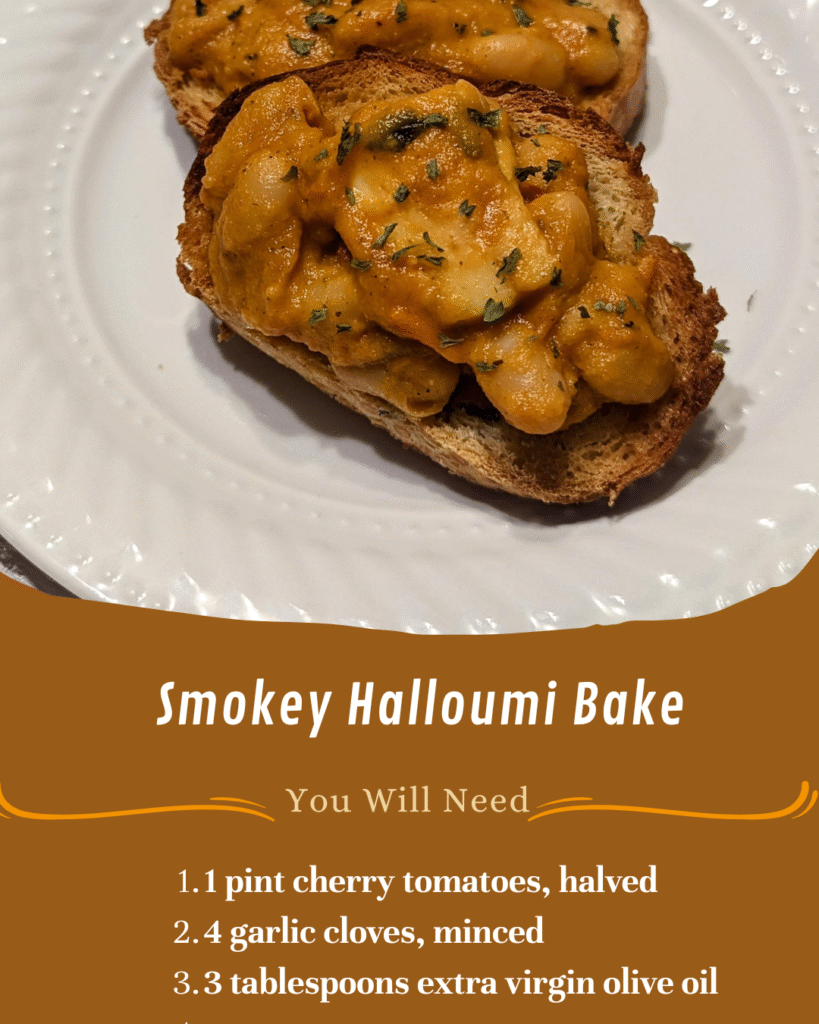
Picture this: golden chunks of halloumi cheese nestled among roasted vegetables, enveloped in a smoky, aromatic sauce that fills your kitchen with irresistible warmth. The Smokey Halloumi Bake is a celebration of bold Mediterranean flavors that transforms simple ingredients into something truly extraordinary. This one-pan wonder combines the unique squeaky texture of halloumi with the depth of smoked paprika, creating a dish that’s both comforting and sophisticated.
What makes this recipe particularly special is its versatility. Whether you’re seeking a satisfying vegetarian main course, a stunning side dish for gatherings, or simply a weeknight dinner that feels special, this bake delivers on all fronts. The halloumi maintains its distinctive texture while absorbing the smoky notes from the paprika, creating layers of flavor that keep you coming back for more. In this article, you’ll discover the exact techniques for achieving perfectly caramelized vegetables, the secrets to preventing your halloumi from becoming rubbery, and how to build that signature smoky depth that defines this dish.
Recipe Overview: What Makes This Smokey Halloumi Bake Special
This Mediterranean-inspired bake stands out for its remarkable ability to deliver restaurant-quality results with minimal effort. The magic lies in the interplay between the salty, firm halloumi and the sweet, caramelized vegetables, all unified by a smoky tomato-based sauce.
Difficulty Level: Intermediate – While the techniques are straightforward, timing and temperature control are crucial for optimal results.
Time Commitment: You’ll need approximately 50 minutes from start to finish, with 15 minutes of active preparation and 35 minutes of hands-off baking time.
Ideal Occasions: This dish shines at casual dinner parties, weekend family meals, or as a impressive vegetarian option for mixed gatherings. It travels well, making it perfect for potlucks, and reheats beautifully for meal prep enthusiasts. The visual appeal of the golden halloumi against colorful vegetables makes it Instagram-worthy, yet its hearty nature ensures it satisfies even the most skeptical carnivores.
Ingredients
For the Vegetable Base:
- 2 medium red bell peppers, cut into 2-inch chunks
- 1 large red onion, cut into wedges
- 2 medium zucchini, sliced into ½-inch rounds
- 1 pint cherry tomatoes, halved
- 4 garlic cloves, minced
- 3 tablespoons extra virgin olive oil
- 1 teaspoon sea salt
- ½ teaspoon black pepper
For the Halloumi:
- 400g (14 oz) halloumi cheese, cut into ¾-inch cubes
- 1 tablespoon olive oil
For the Smoky Sauce:
- 400g (14 oz) canned crushed tomatoes
- 2 tablespoons tomato paste
- 2 teaspoons smoked paprika (pimentón de la Vera preferred)
- 1 teaspoon sweet paprika
- ½ teaspoon cumin
- ¼ teaspoon cayenne pepper (optional, for heat)
- 2 tablespoons maple syrup or honey
- 1 tablespoon balsamic vinegar
- ½ cup vegetable stock
For Garnish:
- Fresh parsley, roughly chopped
- Fresh basil leaves
- Lemon wedges
- Extra virgin olive oil for drizzling
Step-by-Step Instructions
1. Prepare your oven and baking dish: Preheat your oven to 200°C (400°F). Select a large baking dish approximately 9×13 inches with sides at least 2 inches high. This depth is crucial for containing the sauce while allowing proper heat circulation.
2. Roast the vegetables for foundational flavor: In your baking dish, combine the bell peppers, red onion, zucchini, and garlic. Drizzle with 3 tablespoons olive oil, then season with salt and pepper. Toss with your hands to ensure even coating. Spread vegetables in a single layer and roast for 15 minutes until they begin to soften and develop light caramelization at the edges.
3. Build the smoky sauce base: While vegetables roast, prepare your sauce. In a medium bowl, whisk together crushed tomatoes, tomato paste, smoked paprika, sweet paprika, cumin, cayenne (if using), maple syrup, balsamic vinegar, and vegetable stock. The consistency should be pourable but not watery – similar to a thick pasta sauce.
4. Prepare the halloumi properly: Pat the halloumi cubes completely dry with paper towels. This step is non-negotiable – excess moisture prevents proper browning. Toss the dried cubes with 1 tablespoon olive oil in a separate bowl.
5. Assemble the bake with precision: Remove the partially roasted vegetables from the oven. Add the cherry tomatoes, stirring them into the hot vegetables. Pour the smoky sauce evenly over everything, using a wooden spoon to ensure the sauce reaches all corners. Nestle the halloumi cubes throughout the dish, pressing them slightly into the sauce and vegetables but leaving the tops exposed for browning.
6. Bake to golden perfection: Return the dish to the oven and bake for 20 minutes, uncovered. The halloumi should develop a beautiful golden crust on top, the sauce should be bubbling vigorously around the edges, and the vegetables should be tender but not mushy.
7. Rest and finish with intention: Remove from the oven and let rest for 5 minutes. This resting period allows the sauce to thicken slightly and the flavors to settle. Garnish generously with fresh parsley and basil, add a drizzle of quality olive oil, and serve with lemon wedges on the side.
Tips and Tricks for Smokey Halloumi Bake Success
Choose your halloumi wisely: Not all halloumi is created equal. Look for authentic Cypriot halloumi with a PDO designation when possible. Younger, fresher halloumi has a creamier texture, while aged versions offer more intensity. Avoid pre-shredded halloumi, as it often contains anti-caking agents that affect texture.
Master the smoky depth: The quality of your smoked paprika transforms this dish. Spanish pimentón de la Vera, available in sweet (dulce) or hot (picante) varieties, provides authentic smokiness from oak-smoked peppers. Store it in a cool, dark place and replace annually, as it loses potency quickly once opened.
Prevent rubbery halloumi texture: The cardinal rule is avoiding overcooking. Halloumi becomes unpleasantly rubbery when exposed to high heat for too long. By adding it during the second baking phase and keeping pieces exposed to direct heat, you achieve that perfect contrast between the golden crust and tender interior.
Vegetable size matters for even cooking: Cut all vegetables to similar sizes to ensure uniform cooking. Zucchini should be slightly thicker (½ inch) than you might expect, as it releases moisture and can become mushy. Bell peppers and onions can be larger (2-inch pieces) since they take longer to soften.
Make-ahead strategy for busy schedules: Prepare the sauce up to 3 days in advance and store refrigerated in an airtight container. Chop vegetables the night before and store in the refrigerator in a sealed container. The morning of serving, simply roast the vegetables, assemble, and bake. This advance preparation doesn’t compromise flavor and actually allows the spices in the sauce to develop deeper complexity.
Storage and reheating wisdom: Leftovers keep for 3-4 days refrigerated in an airtight container. Reheat in a 180°C (350°F) oven for 15-20 minutes rather than microwaving, which makes halloumi rubbery. The dish freezes adequately for up to 2 months, though the halloumi texture changes slightly – still delicious, just less squeaky. Thaw overnight in the refrigerator before reheating.
Ingredient substitutions that work: Replace zucchini with eggplant cut into similar-sized pieces, though eggplant benefits from salting and draining for 20 minutes before use to remove bitterness. Swap halloumi for paneer if you prefer a milder flavor, using the same preparation method. For a non-vegetarian version, add Italian sausage or chorizo, browning it separately before adding to the vegetables.
Nutritional Information
Per serving (serves 4 as a main course):
- Calories: 385
- Protein: 18g
- Carbohydrates: 24g
- Dietary Fiber: 5g
- Sugars: 14g
- Fat: 25g
- Saturated Fat: 11g
- Sodium: 890mg
- Calcium: 420mg
Nutritional Notes: Halloumi is naturally high in protein and calcium, making this dish surprisingly nutritious despite its indulgent taste. The vegetables contribute significant fiber and vitamins A and C. To reduce sodium, choose low-sodium vegetable stock and reduce added salt, as halloumi itself is quite salty. The healthy fats come primarily from olive oil and the cheese, supporting nutrient absorption from the vegetables.
Frequently Asked Questions
Can I use a different type of cheese instead of halloumi?
While halloumi’s unique properties make it ideal for this bake, alternatives exist. Paneer works exceptionally well, maintaining its structure under heat with a milder, creamier flavor profile. Queso blanco or firm tofu (pressed for 30 minutes and cubed) can substitute for dairy-free versions, though they won’t develop the same golden crust. Feta can be crumbled over the top during the last 5 minutes of baking for a tangier option, but it won’t provide the same textural contrast. Whatever you choose, remember that halloumi’s high melting point is its superpower in baked dishes – other cheeses will melt more readily and may become oily.
Why does my halloumi sometimes become rubbery?
Rubbery halloumi results from two primary factors: overcooking and incorrect moisture management. Halloumi’s protein structure tightens excessively when exposed to prolonged high heat, transforming its delightful squeaky texture into something closer to rubber. Always pat halloumi completely dry before cooking – surface moisture creates steam that affects texture. Additionally, avoid cooking halloumi above 200°C (400°F) for extended periods. In this recipe, the halloumi is protected somewhat by the sauce while its exposed tops achieve that desirable golden crust. If you’ve already overcooked it, unfortunately there’s no reversal, but future batches will benefit from reducing cooking time by 3-5 minutes.
How can I make this Smokey Halloumi Bake spicier?
Building heat in this dish offers multiple approaches. Increase cayenne pepper to ½-1 teaspoon for straightforward spiciness. For more complex heat, substitute hot smoked paprika (pimentón picante) for the sweet variety, or add finely diced fresh jalapeños or red chili peppers alongside the vegetables in step 2. Red pepper flakes (½-1 teaspoon) incorporated into the sauce provide visible spice with adjustable heat. For those who appreciate Syrian or Turkish flavors, a teaspoon of Aleppo pepper or Urfa biber brings fruity, moderate heat with smoky undertones that complement the paprika beautifully. Always start conservatively – you can offer hot sauce at the table for individualized heat adjustment.
What should I serve alongside this bake?
The Smokey Halloumi Bake pairs beautifully with various accompaniments depending on the meal’s purpose. For a complete vegetarian main course, serve over fluffy couscous, quinoa, or bulgur wheat to absorb the delicious sauce – pearl couscous offers particularly satisfying texture. Warm pita bread or crusty sourdough provides vehicle for scooping. A simple green salad with lemon vinaigrette cuts through the richness nicely. For a Mediterranean feast, add hummus, tzatziki, and marinated olives as starters. The dish also functions as an impressive side to grilled lamb, chicken, or fish, where its robust flavors hold their own without overwhelming the protein.
Can I prepare this recipe in advance for entertaining?
Absolutely, and advance preparation actually enhances your hosting experience. For maximum freshness, prepare the sauce and chop vegetables up to 24 hours ahead, storing them separately in the refrigerator. On the day of serving, bring components to room temperature for 30 minutes before assembling and baking – this ensures even cooking. Alternatively, assemble the entire dish (except the halloumi) up to 4 hours in advance, cover tightly, and refrigerate. When ready to cook, let it sit at room temperature for 20 minutes, add the halloumi, and bake as directed, potentially adding 5 extra minutes due to the cold start. For truly stress-free entertaining, bake completely, then reheat at 180°C (350°F) for 15 minutes before serving – the flavors often meld beautifully with this approach.
Is halloumi a healthy cheese option?
Halloumi offers nutritional benefits alongside considerations. On the positive side, it’s rich in protein (about 7g per ounce) and calcium, supporting bone health and satiety. It contains beneficial probiotics when made traditionally. However, halloumi is high in sodium (approximately 350mg per ounce) and saturated fat, so moderation matters for those monitoring these nutrients. Compared to many other cheeses, halloumi is lower in lactose, making it more tolerable for those with mild lactose sensitivity. Its high protein content makes it particularly valuable in vegetarian diets. The vegetables and olive oil in this recipe contribute antioxidants, fiber, and healthy fats, creating a more balanced nutritional profile overall. As with most things, enjoying halloumi as part of a varied diet allows you to appreciate its unique qualities without concern.
Conclusion
The Smokey Halloumi Bake represents everything I cherish about Mediterranean cooking: bold flavors, simple techniques, and ingredients that speak for themselves. This dish has become a reliable favorite in my kitchen precisely because it delivers impressive results without demanding excessive time or skill. The smoky depth from the paprika, the textural contrast between crispy halloumi and tender vegetables, and that irresistible sauce create something that feels both comforting and special.
I encourage you to approach this recipe with confidence and curiosity. Don’t hesitate to adjust the spice levels to your preference or swap vegetables based on what looks freshest at your market. The foundation remains flexible enough for personalization while structured enough to guarantee success. Once you’ve mastered this version, experiment with adding chickpeas for extra protein, stirring in fresh spinach during the last 5 minutes of baking, or finishing with a dollop of Greek yogurt for cooling contrast.
Try this Smokey Halloumi Bake this week, and I’d love to hear about your experience. Did you add your own twist? How did your family respond? Share your results and variations – your insights might inspire someone else’s next favorite dinner.