
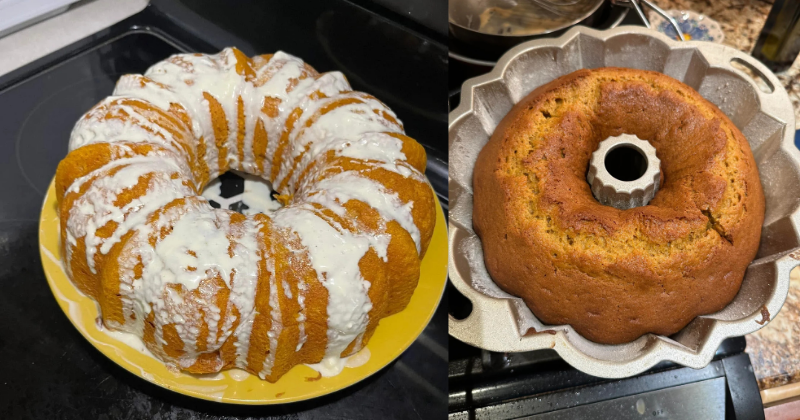
There’s something deeply satisfying about pulling a perfectly golden pumpkin Bundt cake from the oven, its ridges glistening with moisture and releasing the warm fragrance of cinnamon and nutmeg into your kitchen. This pumpkin Bundt cake represents everything we cherish about autumn baking: the earthy sweetness of pumpkin, the complexity of warming spices, and a tender crumb that melts on the tongue. Unlike traditional layer cakes that demand precision frosting skills, this elegant dessert achieves visual drama through its architectural form alone. Whether you’re seeking the perfect centerpiece for Thanksgiving dinner or simply craving a slice of comfort with your afternoon coffee, this recipe delivers consistent results that will make you feel like a seasoned pastry chef.
The beauty of a Bundt cake lies in its forgiving nature—the pan’s design ensures even baking, while the generous amount of pumpkin purée keeps the interior impossibly moist for days.
What Makes This Pumpkin Bundt Cake Exceptional
This isn’t just another pumpkin cake recipe hastily adapted from a basic spice cake. I’ve spent countless autumn afternoons perfecting the balance between moisture and structure, between spice and subtlety. The result is a cake with remarkable depth—tender without being dense, richly flavored without overwhelming the palate.
Difficulty level: Beginner-friendly with professional results
Time commitment: 20 minutes active preparation, 60 minutes baking, plus cooling
Perfect occasions: Thanksgiving gatherings, autumn potlucks, weekend brunch celebrations, or simply when the first crisp breeze announces fall’s arrival
What distinguishes this version is the careful layering of flavors. Fresh ginger joins traditional cinnamon and nutmeg, creating warmth rather than mere sweetness. A touch of espresso powder—nearly imperceptible—amplifies the cake’s complexity without announcing itself. The texture achieves that elusive balance: substantial enough to hold its shape when sliced, yet so tender it practically dissolves across your palate.
Yield: 12-14 generous servings
Prep time: 20 minutes
Bake time: 60-65 minutes
Total time: Approximately 2 hours (including cooling)
Ingredients
For the Cake:
- 3 cups (375g) all-purpose flour
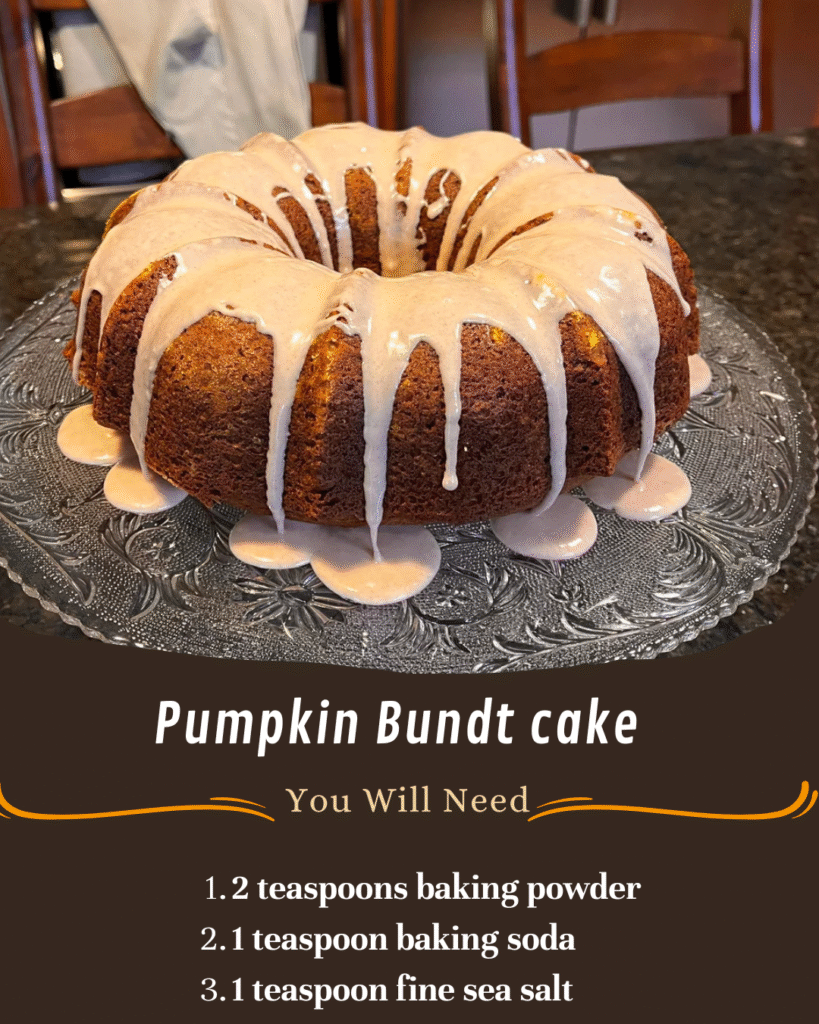
- 2 teaspoons baking powder
- 1 teaspoon baking soda
- 1 teaspoon fine sea salt
- 2 teaspoons ground cinnamon
- 1 teaspoon ground ginger
- ¾ teaspoon ground nutmeg
- ½ teaspoon ground cloves
- ¼ teaspoon ground cardamom
- ½ teaspoon instant espresso powder
- 1 cup (240ml) vegetable oil or melted coconut oil
- 1¾ cups (350g) granulated sugar
- ½ cup (100g) light brown sugar, packed
- 4 large eggs, room temperature
- 1 can (15 oz/425g) pure pumpkin purée (not pumpkin pie filling)
- ⅓ cup (80ml) whole milk, room temperature
- 2 teaspoons pure vanilla extract
For the Maple Glaze (Optional):
- 1½ cups (180g) powdered sugar
- 3 tablespoons pure maple syrup
- 2-3 tablespoons whole milk
- Pinch of sea salt
Equipment Needed:
- 10 or 12-cup Bundt pan
- Large mixing bowl
- Medium mixing bowl
- Whisk
- Rubber spatula
- Cooling rack
- Pastry brush for greasing
Step-by-Step Instructions
- Prepare your workspace and pan: Position a rack in the lower third of your oven and preheat to 350°F (175°C). This is crucial—I’ve learned that precise positioning prevents the top from browning too quickly. Generously brush every crevice of your Bundt pan with softened butter, then dust with flour, tapping out excess. Pay special attention to the intricate ridges; this meticulous preparation is your insurance against heartbreak when unmolding.
- Combine dry ingredients: In a medium bowl, whisk together flour, baking powder, baking soda, salt, and all spices including that secret espresso powder. Whisking thoroughly distributes the leavening agents and spices evenly, preventing pockets of concentrated flavor or unfortunate bitter spots. Set this mixture aside while you address the wet components.
- Create the base: In your largest mixing bowl, whisk together both oils (or melted coconut oil), granulated sugar, and brown sugar until well combined—about one minute of vigorous whisking creates a slightly emulsified base that contributes to the cake’s tender texture. The brown sugar adds subtle molasses notes that complement pumpkin beautifully.
- Incorporate eggs with intention: Add eggs one at a time, whisking thoroughly after each addition. This gradual incorporation creates a stable emulsion, preventing the batter from separating. I find that room-temperature eggs integrate more smoothly, creating a more homogeneous mixture that translates to even crumb structure.
- Add pumpkin and liquids: Whisk in the pumpkin purée, milk, and vanilla extract until completely smooth. The mixture should look glossy and unified. If you notice any separation, whisk more vigorously for thirty seconds—the batter should come together beautifully.
- Unite wet and dry components: Add the flour mixture to the pumpkin mixture in three additions, gently folding with a rubber spatula rather than whisking. This is where patience matters. Mix only until the flour disappears—overmixing develops gluten networks that create toughness rather than tenderness. A few small lumps are acceptable; they’ll disappear during baking.
- Fill and smooth: Pour the batter into your prepared pan, using your spatula to spread it evenly. Tap the pan firmly on the counter three or four times to release large air bubbles that could create tunnels in the finished cake.
- Bake with awareness: Transfer to your preheated oven and bake for 60-65 minutes. The cake is done when a long skewer inserted into the deepest part comes out with just a few moist crumbs attached—not wet batter, but not completely clean either. The top should spring back when gently pressed. If the surface browns too quickly, loosely tent with aluminum foil during the final 15 minutes.
- Cool strategically: This step demands patience. Allow the cake to cool in the pan on a wire rack for exactly 15 minutes—no more, no less. Too short and the cake may break apart; too long and it may stick stubbornly to the pan. After 15 minutes, place your serving plate over the pan, then confidently invert in one smooth motion. Lift the pan slowly, revealing those beautiful ridges. Allow the cake to cool completely before glazing, approximately 1 hour.
- Prepare the maple glaze (if using): Whisk together powdered sugar, maple syrup, 2 tablespoons milk, and salt until smooth. The consistency should flow freely but not be watery—add the additional tablespoon of milk only if needed. Drizzle over the cooled cake, allowing it to cascade naturally down the ridges.
Tips and Tricks for Pumpkin Bundt Cake Perfection
Ingredient substitutions: If you lack certain spices, don’t abandon the recipe. You can use 1 tablespoon of pumpkin pie spice in place of the individual spices, though I find the custom blend offers more nuanced flavor. For a dairy-free version, substitute the milk with unsweetened almond or oat milk—I’ve tested both with excellent results. Greek yogurt can replace half the oil for a slightly denser, tangier cake, though you’ll sacrifice some of that remarkable moistness.
The pumpkin question: Always use pure pumpkin purée, not pumpkin pie filling which contains added sugars and spices that will throw off the recipe’s carefully calibrated balance. If you’re feeling ambitious, homemade pumpkin purée from roasted sugar pumpkins creates extraordinary depth, though canned varieties work beautifully—I use canned pumpkin in my own kitchen without hesitation.
Storage wisdom: This cake actually improves after a day as the spices bloom and marry with the pumpkin. Store at room temperature, well-wrapped in plastic wrap or under a cake dome, for up to four days. The high moisture content means it never dries out. For longer storage, wrap individual slices in plastic wrap, then aluminum foil, and freeze for up to three months. Thaw overnight in the refrigerator, then bring to room temperature before serving.
Make-ahead strategy: This cake is a stress-free choice for holiday entertaining because it actually benefits from advance preparation. Bake it up to two days ahead, storing it unglazed and well-wrapped at room temperature. Apply the glaze on the morning you plan to serve. The flavors deepen beautifully overnight, and your kitchen remains calm on the actual celebration day.
Common mistakes to avoid: The most frequent error is insufficient pan preparation—I cannot overemphasize the importance of thoroughly greasing every ridge and crevice. Another pitfall is opening the oven door repeatedly to check doneness, which causes temperature fluctuations that can result in sinking. Trust the timing, and only check after the minimum baking time has elapsed. Finally, resist the urge to invert the cake too soon or too late; that 15-minute window is genuinely critical.
Serving suggestions: While magnificent on its own, this cake reaches new heights when served with a dollop of bourbon-spiked whipped cream or a small scoop of vanilla bean ice cream. For breakfast—yes, breakfast—toast slices and spread with salted butter. The gentle spicing and pumpkin make it appropriate for morning consumption, though I won’t judge if you enjoy it at midnight with hot tea.
Elevation adjustments: For those baking at high altitude (above 3,000 feet), reduce the baking powder to 1½ teaspoons, increase the flour by 2 tablespoons, and raise the oven temperature to 365°F. These adjustments compensate for lower air pressure that affects how cakes rise and set.
Nutritional Information
Per serving (based on 14 servings, without glaze):
- Calories: 385
- Total Fat: 18g
- Saturated Fat: 2g
- Cholesterol: 53mg
- Sodium: 285mg
- Total Carbohydrates: 52g
- Dietary Fiber: 2g
- Sugars: 32g
- Protein: 5g
Note: Nutritional values are approximate and will vary based on specific ingredients used. The maple glaze adds approximately 45 calories per serving.
Frequently Asked Questions
Can I use fresh pumpkin instead of canned pumpkin purée?
Absolutely, though it requires additional preparation time and attention to moisture content. Roast a sugar pumpkin (not a carving pumpkin, which lacks flavor and proper texture) at 375°F until completely tender, then purée the flesh until silky smooth. The critical step is draining excess liquid—fresh pumpkin contains more water than canned versions. Line a fine-mesh sieve with cheesecloth, add your purée, and allow it to drain for several hours or overnight in the refrigerator. You want a thick, paste-like consistency similar to canned pumpkin. I’ve found that while fresh pumpkin offers a slightly more vegetal, complex flavor, canned pumpkin provides more consistent results with considerably less effort.
Why did my Bundt cake stick to the pan despite greasing it?
This frustrating problem usually stems from insufficient or improper greasing, though timing also plays a role. The most reliable method involves using softened (not melted) butter applied with a pastry brush, ensuring you reach every ridge and corner. Follow immediately with a light dusting of flour, tapping out the excess. Some bakers swear by baking spray with flour, which I find works adequately though nothing surpasses the traditional butter-and-flour method when done thoroughly. Additionally, the 15-minute cooling window is critical—too short and the cake is too fragile; too long and it begins adhering to the pan as it cools and contracts.
Can I make this cake without eggs for vegan guests?
Yes, though the texture will differ slightly from the original. Replace each egg with a « flax egg » (1 tablespoon ground flaxseed mixed with 3 tablespoons water, allowed to sit for 5 minutes until gelatinous). Use coconut oil instead of vegetable oil and non-dairy milk. The resulting cake will be slightly denser with a more compact crumb, but the flavor remains delicious. I’ve also successfully used aquafaba (the liquid from canned chickpeas)—3 tablespoons of whipped aquafaba replaces one egg. This method produces a lighter texture than flax eggs, though it requires more effort.
How do I know when the cake is perfectly done?
Beyond the toothpick test, which can be misleading in such a moist cake, look for visual and tactile cues. The cake should pull away slightly from the pan’s edges, and the surface should spring back when gently pressed with your fingertip rather than leaving an indentation. The top will appear set rather than glossy or liquid-looking. An instant-read thermometer inserted into the thickest part should register 205-210°F. I’ve learned to trust the combination of these signals rather than relying on a single indicator. Remember that carryover cooking continues even after removing the cake from the oven, so slightly underdone is safer than overbaked.
What’s the best way to slice Bundt cake for clean, professional-looking pieces?
Use a long, thin serrated knife and employ a gentle sawing motion rather than pressing down forcefully. For the cleanest cuts, wipe the blade clean with a damp towel between each slice—this prevents crumbs from tearing subsequent pieces. If you’ve applied glaze, allow it to set completely before slicing, typically 30 minutes at room temperature. Some bakers chill glazed cakes for 15 minutes before slicing, which firms the glaze and creates even cleaner cuts, though I find this unnecessary if the glaze has set properly. For truly pristine slices worthy of photography, use unwaxed dental floss: slide it under the cake, bring both ends up and cross them at the top, then pull through in a smooth motion.
Can I add mix-ins like chocolate chips or nuts to this recipe?
Certainly, though I encourage restraint to avoid overwhelming the pumpkin’s delicate flavor. If you choose to add mix-ins, toss them with a tablespoon of flour before folding into the batter—this prevents sinking during baking. For chocolate chips, use ¾ cup of good-quality dark chocolate chips, scattered through the batter just before pouring into the pan. For nuts, toast 1 cup of chopped pecans or walnuts until fragrant, cool completely, then fold into the finished batter. I personally prefer this cake in its pure form, allowing the spices and pumpkin to shine without distraction, but these additions create welcome variations for those seeking more textural interest.
Conclusion
This pumpkin Bundt cake has become my autumn signature, the recipe I reach for when I want to capture the season’s essence in edible form. Its reliable nature makes it perfect for both experienced bakers and those just beginning their journey into more ambitious baking projects. The dramatic presentation belies the simplicity of its preparation, making you look far more skilled than the effort required.
I encourage you to bake this cake on a quiet weekend afternoon when you can truly appreciate the ritual: the whisking of spices releasing their aromatics, the gorgeous rust-orange batter coming together, the anticipation as your kitchen fills with that incomparable fragrance of baking pumpkin and cinnamon. Share it generously with neighbors, colleagues, and loved ones—or keep it selfishly for yourself with morning coffee and evening tea throughout the week.
When you do bake this pumpkin Bundt cake, I’d be genuinely delighted to hear about your experience. Did you add your own creative variations? Serve it for a special occasion? Let me know in the comments below, and don’t hesitate to share photographs of your beautiful creation.