
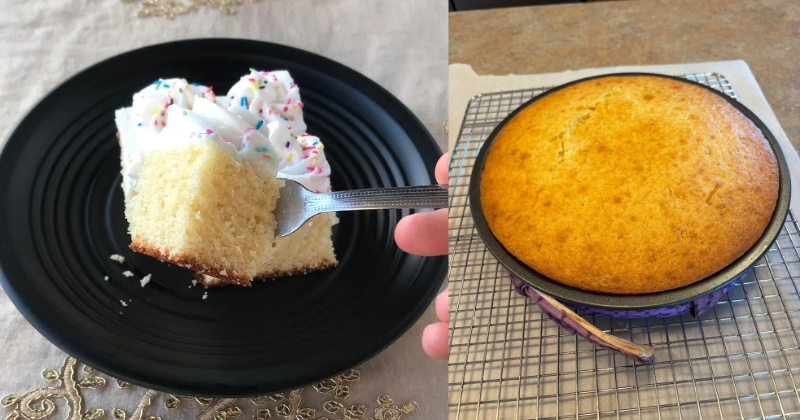
There’s something profoundly comforting about a freshly baked vanilla breakfast cake filling your kitchen with its gentle, sweet aroma as morning light filters through the windows. This super soft vanilla breakfast cake represents everything a morning treat should be: tender, moist, delicately sweet, and wonderfully simple to prepare. Unlike dense coffee cakes or overly frosted confections, this breakfast cake strikes that perfect balance between indulgence and restraint, making it suitable for leisurely weekend mornings or even quick weekday breakfasts when prepared ahead.
What distinguishes this recipe is its extraordinarily soft, cloud-like crumb that practically melts on your tongue. The vanilla flavor shines through without overwhelming, creating a versatile canvas that pairs beautifully with morning coffee, fresh berries, or a simple dusting of powdered sugar. Through careful development and countless testing sessions, I’ve refined this recipe to deliver consistent results that will make this cake a staple in your morning repertoire.
Why This Vanilla Breakfast Cake Deserves a Place in Your Kitchen
This isn’t just another cake recipe relegated to special occasions. The super soft vanilla breakfast cake occupies that precious middle ground between everyday simplicity and special-occasion quality. What makes it genuinely unique is its texture—achieved through a specific combination of ingredients and technique that keeps the crumb impossibly tender even days after baking.
The recipe sits comfortably at an intermediate difficulty level, though beginners with basic baking knowledge will find success here. From start to finish, you’ll invest approximately 50 minutes: 15 minutes for preparation, 35 minutes for baking. This timing makes it practical for Sunday meal prep or even early-morning baking if you’re inclined.
I’ve served this cake at countless brunches, holiday breakfasts, and casual weekend gatherings. It’s equally at home on a elegant brunch buffet alongside smoked salmon and champagne, or wrapped in parchment paper as a thoughtful homemade gift for neighbors. The understated vanilla flavor makes it endlessly adaptable to seasonal variations.
Ingredients
For the cake:
- 2 cups (250g) all-purpose flour, spooned and leveled
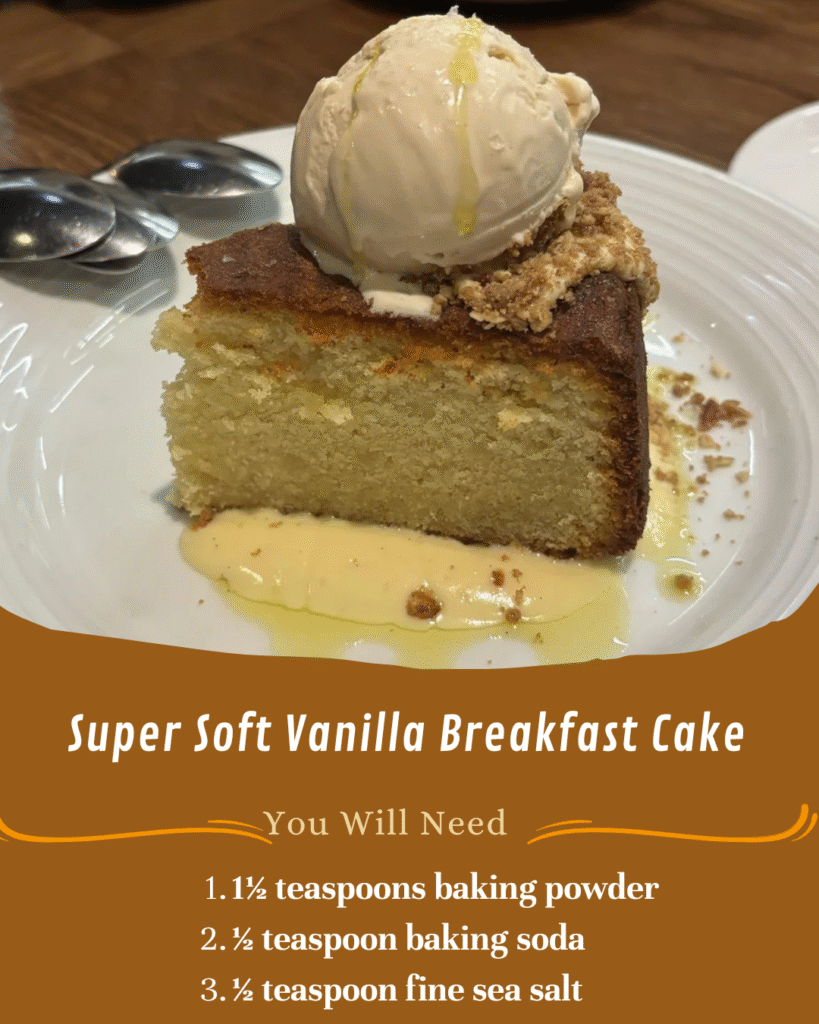
- 1½ teaspoons baking powder
- ½ teaspoon baking soda
- ½ teaspoon fine sea salt
- ¾ cup (170g) unsalted butter, softened to room temperature
- 1 cup (200g) granulated sugar
- 3 large eggs, room temperature
- 1 tablespoon pure vanilla extract (never imitation)
- 1 teaspoon vanilla bean paste (optional, for visual appeal)
- 1 cup (240ml) full-fat sour cream, room temperature
- ¼ cup (60ml) whole milk, room temperature
For the optional vanilla glaze:
- 1 cup (120g) powdered sugar
- 2-3 tablespoons whole milk
- ½ teaspoon vanilla extract
- Pinch of salt
Equipment needed:
- 9×9-inch square baking pan or 9-inch round cake pan
- Electric mixer (stand or hand)
- Mixing bowls
- Whisk and rubber spatula
- Measuring cups and spoons
- Cooling rack
Step-by-Step Instructions
1. Prepare your workspace and pan. Position your oven rack in the center and preheat to 350°F (175°C). Generously butter your baking pan, then line it with parchment paper, leaving an overhang on two sides for easy removal. Butter the parchment as well. This double insurance prevents sticking and ensures your delicate cake releases perfectly.
2. Combine the dry ingredients. In a medium bowl, whisk together flour, baking powder, baking soda, and salt. Whisk vigorously for 30 seconds to aerate and ensure even distribution. Set aside.
3. Cream butter and sugar with intention. In your mixer bowl, beat the softened butter on medium speed for about 1 minute until smooth. Add sugar gradually, then increase speed to medium-high. Cream for 4-5 minutes—this is crucial. The mixture should become pale, fluffy, and almost doubled in volume. Scrape down the bowl halfway through.
4. Incorporate eggs one at a time. Reduce mixer speed to medium-low. Add eggs one at a time, beating well after each addition (about 30 seconds per egg). The mixture may look slightly curdled initially—this is normal. Add both vanilla extract and vanilla bean paste, mixing until just combined.
5. Alternate wet and dry ingredients. With mixer on low speed, add one-third of the flour mixture. Mix until just barely combined—some streaks should remain. Add half the sour cream and all the milk, mixing gently. Add another third of flour, then remaining sour cream, then final flour addition. Stop mixing while tiny streaks of flour remain visible.
6. Finish by hand. Using a rubber spatula, gently fold the batter with deliberate strokes from the bottom of the bowl upward, rotating the bowl as you work. Continue only until no flour streaks remain. This gentle hand-folding prevents overmixing, which would develop gluten and create a tough cake.
7. Transfer and smooth. Pour batter into prepared pan. Gently tap the pan on the counter twice to release air bubbles. Use an offset spatula to smooth the top, working from center outward.
8. Bake with attention. Bake for 33-37 minutes. The cake is ready when the top springs back lightly when touched, edges pull away slightly from pan sides, and a toothpick inserted in the center emerges with just a few moist crumbs (not wet batter). Avoid overbaking—this cake’s signature softness depends on proper timing.
9. Cool properly. Let cake cool in the pan on a wire rack for 15 minutes. This resting period allows the structure to set. Using the parchment overhang, lift the cake from the pan and transfer to the cooling rack. Cool completely before glazing or serving—at least 45 minutes.
10. Prepare optional glaze. Whisk powdered sugar, 2 tablespoons milk, vanilla, and salt until smooth. Add remaining milk if needed to achieve a thick but pourable consistency. Drizzle over cooled cake, allowing it to drip down the sides naturally.
Tips and Tricks for Breakfast Cake Excellence
Temperature matters profoundly. Room temperature ingredients blend together seamlessly, creating a uniform batter that bakes evenly. Cold eggs or sour cream will cause the butter to seize, resulting in a lumpy batter and potentially dense cake. Remove dairy and eggs from refrigeration 1-2 hours before baking, or quick-temper eggs by submerging them (still in shells) in warm water for 10 minutes.
The creaming stage cannot be rushed. When I first developed this recipe, I learned that inadequate creaming time directly correlates with dense texture. Those 4-5 minutes of beating butter and sugar incorporate air bubbles that expand during baking, creating the cake’s tender crumb. Watch the mixture transform from grainy yellow to pale, fluffy, and almost white.
Measure flour correctly or risk disappointment. Too much flour is the most common culprit behind dry, tough cakes. Use the spoon-and-level method: fluff the flour in its container, spoon it gently into your measuring cup without packing, then level off with a straight edge. Never scoop directly with the measuring cup, which compresses flour and adds up to 25% more than the recipe intends.
Substitutions to consider. Greek yogurt can replace sour cream in equal measure, though the cake will be slightly less tender. For a dairy-free version, use plant-based butter, coconut cream in place of sour cream, and non-dairy milk. The texture will differ slightly but remains delicious. If you lack vanilla bean paste, simply use 1 additional teaspoon of vanilla extract.
Storage extends this cake’s usefulness. At room temperature, covered loosely with a clean kitchen towel (not plastic, which traps moisture and makes the cake soggy), this vanilla breakfast cake stays fresh for 3 days. Refrigerated in an airtight container, it lasts 5-6 days—bring slices to room temperature or warm briefly before serving. For longer storage, wrap individual slices tightly in plastic wrap, then aluminum foil, and freeze for up to 3 months.
Make-ahead strategies for stress-free mornings. Bake the cake the evening before, cool completely, and store covered at room temperature. It actually improves slightly overnight as flavors meld. Alternatively, prepare the dry ingredients mixture and measure out wet ingredients the night before, leaving only the mixing and baking for morning.
Avoid these common pitfalls. Opening the oven door during the first 25 minutes releases heat that can cause the cake to collapse. Overmixing after adding flour develops gluten strands, creating a tough, chewy texture instead of tender softness. Using expired baking powder or baking soda results in poor rise—these leaveners lose potency after six months.
Serving suggestions that elevate the experience. I love this cake slightly warm with cold salted butter and raspberry preserves. For elegant brunches, serve slices topped with mascarpone cream and fresh berries. Toasted slices make exceptional French toast foundations. The cake also pairs beautifully with lemon curd, caramelized apples, or simple honey drizzle.
Flavor variations to explore. Once you’ve mastered the base recipe, consider stirring in ½ cup of blueberries or diced strawberries (tossed with 1 tablespoon flour to prevent sinking). Add 1 tablespoon of lemon zest for a bright citrus variation. Swirl 2 tablespoons of cinnamon-sugar through the batter before baking for a simple yet stunning pattern.
Nutritional Information
Per serving (based on 12 servings, without glaze):
- Calories: 285
- Total Fat: 14g (Saturated Fat: 8g)
- Cholesterol: 85mg
- Sodium: 210mg
- Total Carbohydrates: 35g (Dietary Fiber: 0.5g, Sugars: 18g)
- Protein: 4g
Note: Nutritional values are approximate and will vary based on specific ingredients used and portion sizes. The optional glaze adds approximately 40 calories per serving.
Frequently Asked Questions
Can I reduce the sugar in this super soft vanilla breakfast cake?
While you can technically reduce sugar by up to ¼ cup, I don’t recommend it for this particular recipe. Sugar doesn’t just provide sweetness—it plays a structural role in creating this cake’s signature tender crumb. Sugar attracts and holds moisture, preventing the cake from drying out. It also aids in creaming with butter to incorporate air. Reducing sugar significantly will result in a drier, denser cake that lacks the characteristic softness. If you prefer less sweetness, I suggest making the recipe as written but skipping the glaze, which reduces overall sugar content without compromising texture.
Why is my breakfast cake dense instead of soft?
Several factors contribute to density rather than the desired soft texture. Most commonly, overmixing after adding flour develops gluten, creating a tough crumb. Mix only until flour streaks disappear—no more. Using too much flour (from incorrect measuring) is another frequent culprit. Cold ingredients prevent proper emulsification, resulting in a heavy batter. Finally, expired or insufficient leavening agents won’t provide adequate rise. Check your baking powder and baking soda dates, and ensure you’re using the full amounts specified.
Can I make this vanilla breakfast cake in a different pan size?
Yes, with timing adjustments. In a 9×13-inch pan, the cake will be thinner and bake in 25-30 minutes. For a Bundt pan, increase baking time to 45-50 minutes and check for doneness carefully. Two 8-inch round pans will work beautifully for a layered presentation—bake for 28-32 minutes. Cupcake tins require only 18-22 minutes. Regardless of pan choice, use the toothpick test and visual cues (springy top, edges pulling away) to determine doneness rather than relying solely on time.
Is it necessary to use full-fat sour cream and whole milk?
For optimal results, yes. The fat content in full-fat dairy contributes directly to the cake’s moistness and tender texture. Low-fat or non-fat versions contain more water and less fat, which alters the batter’s consistency and produces a drier, less flavorful cake. The fat also carries flavor compounds, making the vanilla taste more pronounced. If you must substitute, buttermilk can replace the milk and sour cream combination (use 1¼ cups total), though the result will be slightly tangier and marginally less rich.
How can I tell when the cake is perfectly done without overbaking?
This is perhaps the most critical skill for achieving super soft texture. Begin checking at 33 minutes. The cake should be golden on top with edges just beginning to pull away from the pan sides. Gently press the center—it should spring back slowly but not leave an indentation. Insert a toothpick in the center; it should emerge with a few moist crumbs clinging to it, not wet batter. If completely clean, the cake is already slightly overbaked. Remember, carryover cooking continues for several minutes after removing from the oven, so slightly underdone is preferable to overdone.
Can I freeze this breakfast cake successfully?
Absolutely. This vanilla breakfast cake freezes exceptionally well, making it perfect for batch baking. Cool the cake completely, then wrap tightly in two layers of plastic wrap followed by aluminum foil to prevent freezer burn. Freeze for up to three months. Thaw wrapped cake at room temperature for 2-3 hours, or refrigerate overnight. For individual servings, slice before freezing and wrap pieces separately—this allows you to remove only what you need. Frozen slices can be warmed directly in a toaster oven for 5-7 minutes for an almost-fresh-baked experience.
Conclusion
The journey to mastering this super soft vanilla breakfast cake has taught me that simplicity, when executed with care and attention, produces the most memorable results. This isn’t a cake that relies on exotic ingredients or complicated techniques—instead, it celebrates the fundamental pleasure of butter, eggs, vanilla, and flour transformed through patient, thoughtful baking.
I encourage you to approach this recipe not as a task to complete, but as a small morning ritual worth savoring. Notice how the batter transforms during creaming, observe the cake’s gentle rise through the oven window, breathe in that incomparable vanilla-scented warmth. These small moments of attention elevate baking from mere cooking to something more meaningful.
Once you’ve baked this cake, I’d love to hear about your experience. Did you add berries? Serve it for a special breakfast? Share your results, variations, and personal touches. Every baker brings their own intuition to a recipe, and those individual interpretations are what make home baking so endlessly fascinating. May your mornings be filled with soft, vanilla-scented warmth and the quiet satisfaction of something beautiful made by your own hands.
Prep Time: 15 minutes
Cook Time: 35 minutes
Total Time: 50 minutes (plus cooling)
Yield: 12 servings