
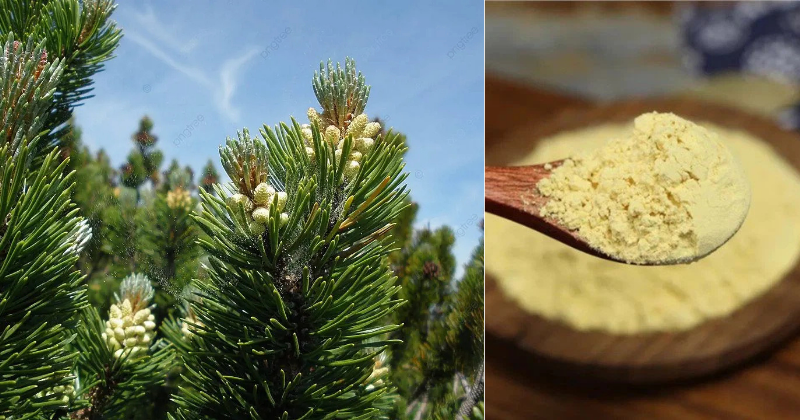
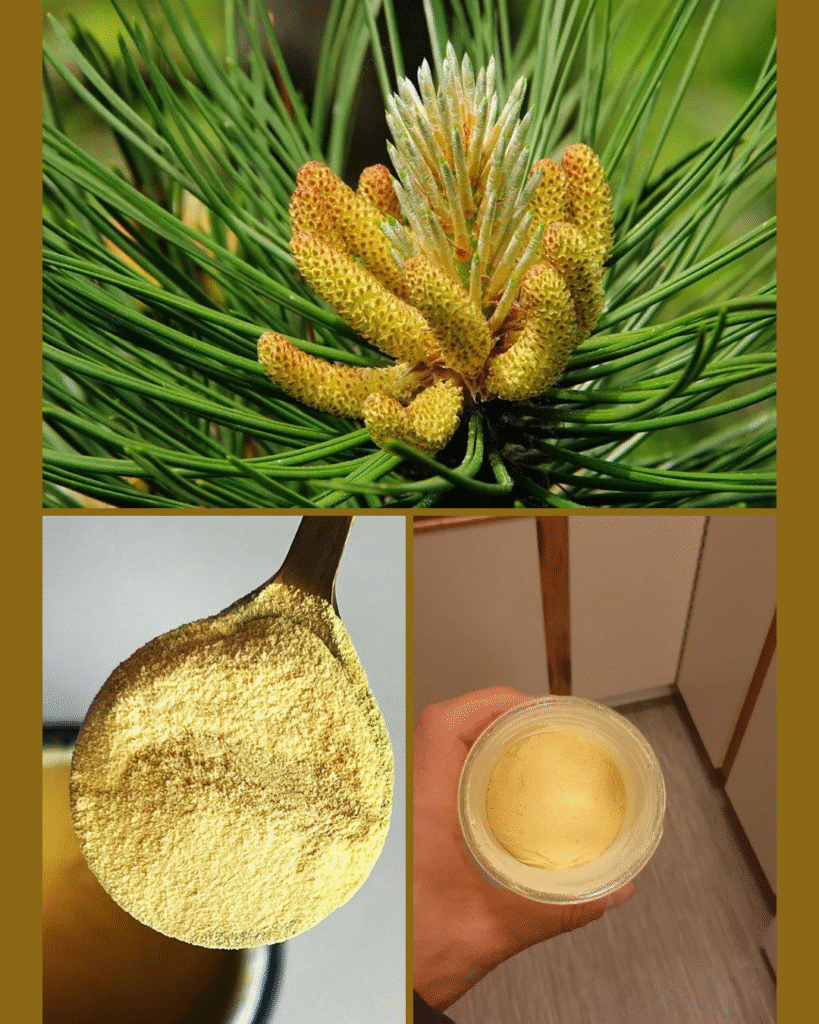
Pine pollen, the microscopic male reproductive cells of pine trees, has emerged as a nutritional supplement with remarkable biochemical properties. This golden powder contains over 200 bioactive compounds including phytosterols, amino acids, and flavonoids, making it one of nature’s most concentrated nutrient sources with applications spanning endocrinology, immunology, and cellular metabolism.
Composition biochimique et caractéristiques moléculaires
Pine pollen exhibits a complex molecular profile that distinguishes it from conventional botanical supplements. Each grain measures approximately 30-40 micrometers and contains a dense concentration of proteins, with all 20 essential amino acids present in bioavailable forms. The lipid fraction includes phytosterols such as beta-sitosterol, campesterol, and brassinosteroids—plant-derived compounds structurally analogous to human hormones.
The vitamin content encompasses both lipophilic and hydrophilic molecules: vitamins A, D, E, and K in the fat-soluble category, alongside B-complex vitamins including B1, B2, B6, and B12. The mineral composition includes zinc, magnesium, calcium, potassium, and selenium in chelated forms that enhance intestinal absorption. Notably, pine pollen contains brassinolide and castasterone, phytohormones that may interact with human endocrine pathways through receptor-mediated mechanisms.
Mécanismes d’action hormonale et adaptogénique
The endocrinological interest in pine pollen centers on its androgen-like phytonutrients. While pine pollen contains minute quantities of testosterone, dihydrotestosterone (DHT), and androstenedione, the concentrations are insufficient to produce pharmacological effects through direct hormone replacement. Instead, the adaptogenic properties likely operate through hypothalamic-pituitary-gonadal axis modulation and aromatase enzyme interaction.
Research indicates that brassinosteroids may influence cellular signaling cascades similar to anabolic steroids, but without the androgenic side effects associated with synthetic hormones. The phytosterol beta-sitosterol has been shown to inhibit 5-alpha-reductase, the enzyme responsible for converting testosterone to DHT, potentially supporting prostatic health. However, the clinical significance of these mechanisms requires rigorous investigation through controlled human trials.
The adaptogenic classification stems from pine pollen’s apparent capacity to support homeostatic regulation across multiple physiological systems. Polysaccharides and phenolic compounds may enhance hypothalamic-pituitary-adrenal axis resilience, modulating cortisol secretion patterns during physiological stress. This represents a regulatory rather than stimulatory effect, distinguishing adaptogens from conventional stimulants.
Propriétés antioxydantes et protection cellulaire
Pine pollen demonstrates substantial antioxidant activity attributable to its flavonoid and phenolic acid content. Compounds such as quercetin, kaempferol, and isorhamnetin function as free radical scavengers, donating electrons to neutralize reactive oxygen species (ROS) that accumulate during oxidative stress. This mechanism has implications for cellular aging, mitochondrial function, and inflammatory pathway regulation.
In vitro studies reveal that pine pollen extracts suppress lipid peroxidation, a degenerative process affecting cell membrane integrity. The superoxide dismutase (SOD) mimetic activity of certain pine pollen constituents enhances endogenous antioxidant defense systems. Glutathione levels, critical for hepatic detoxification and immune function, appear to increase following pine pollen supplementation in animal models, though human data remains limited.
The neuroprotective potential relates to blood-brain barrier permeability of small molecular weight polyphenols. These compounds may attenuate neuroinflammation through microglial modulation and reduce oxidative damage to neuronal lipids and proteins. However, translating these mechanistic observations to clinical neuroprotection requires extensive pharmacokinetic and pharmacodynamic investigation.
Applications en immunomodulation et réponse inflammatoire
Pine pollen polysaccharides exhibit immunomodulatory properties through toll-like receptor (TLR) activation and cytokine regulation. These complex carbohydrate structures interact with pattern recognition receptors on immune cells, potentially enhancing natural killer cell activity and macrophage phagocytic capacity. The beta-glucan fraction demonstrates particular affinity for TLR-2 and TLR-4, initiating signaling cascades that influence both innate and adaptive immunity.
Clinical observations suggest pine pollen may attenuate allergic responses, paradoxically given its botanical origin. The proposed mechanism involves regulatory T-cell (Treg) proliferation and IL-10 secretion, shifting the immune response from a Th2-dominated allergic phenotype toward balanced Th1/Th2 activity. Quercetin and other flavonoids stabilize mast cell membranes, reducing histamine degranulation responsible for allergic symptoms.
The anti-inflammatory effects extend to prostaglandin and leukotriene metabolism. Pine pollen constituents may inhibit cyclooxygenase (COX) and lipoxygenase (LOX) enzymes, reducing inflammatory mediator synthesis without the gastric complications associated with non-steroidal anti-inflammatory drugs. Nuclear factor-kappa B (NF-κB) pathway suppression has been documented in cellular studies, suggesting potential applications in chronic inflammatory conditions.
Métabolisme énergétique et fonction mitochondriale
The ergogenic potential of pine pollen relates to its influence on cellular energy production. Coenzyme Q10 precursors and B-complex vitamins support electron transport chain efficiency in mitochondria, the organelles responsible for ATP synthesis. Amino acid availability, particularly branched-chain amino acids (BCAAs), may enhance protein synthesis and reduce exercise-induced muscle damage through mTOR pathway activation.
Pine pollen contains nucleic acids including RNA and DNA, providing purine and pyrimidine bases that support cellular repair and replication. While dietary nucleotides are typically synthesized de novo, exogenous sources may become conditionally essential during periods of rapid growth, tissue repair, or immunological challenge. The clinical relevance for athletic performance or recovery remains speculative without controlled trials.
Magnesium and zinc content supports over 300 enzymatic reactions, including those involved in glycolysis, gluconeogenesis, and fatty acid oxidation. Zinc particularly influences testosterone synthesis through testicular steroidogenic enzyme activity, though dietary zinc from pine pollen represents a small fraction of daily requirements. The synergistic effect of multiple micronutrients may exceed predictions based on individual component analysis.
Considérations pratiques et biodisponibilité
Pine pollen utilization requires understanding of bioavailability limitations. The cell wall, composed of sporopollenin—an extraordinarily resistant biopolymer—protects the cytoplasmic contents but limits nutrient accessibility. « Cracked » or « broken cell wall » pine pollen undergoes mechanical processing to disrupt this barrier, theoretically enhancing digestive enzyme access to intracellular nutrients. However, sporopollenin itself may provide prebiotic benefits through gut microbiome modulation.
Typical supplementation protocols suggest 0.5-3 grams daily, though optimal dosing lacks standardization. Sublingual administration has been proposed to bypass first-pass hepatic metabolism, potentially improving bioavailability of certain compounds. However, the oral mucosa’s absorptive capacity for larger molecules remains limited, and this route may offer minimal advantage for most constituents.
Quality considerations include harvest timing, processing methods, and contamination screening. Pine pollen collected during peak potency (typically spring months) contains maximum nutrient density. Heavy metal accumulation represents a concern for pine trees growing in industrialized regions, as these organisms bioaccumulate environmental toxins. Third-party testing for lead, mercury, cadmium, and arsenic should be verified through certificates of analysis.
Interactions médicamenteuses et précautions physiologiques
Pine pollen’s hormonal constituents and enzyme interactions create potential for medication interference. Individuals taking anticoagulants should exercise caution, as vitamin K content may antagonize warfarin’s effects. The phytosterol fraction may interfere with cholesterol absorption, potentially reducing efficacy of lipid-lowering medications or affecting fat-soluble vitamin status.
Hormone-sensitive conditions including breast cancer, uterine fibroids, endometriosis, or prostate cancer warrant medical consultation before pine pollen use. While phytoandrogens differ fundamentally from synthetic hormones, their effects on hormone-responsive tissues remain inadequately characterized. The theoretical risk of stimulating hormone-dependent tumor growth, though likely minimal, cannot be excluded without comprehensive safety data.
Allergic reactions represent another consideration, though pine pollen allergy prevalence appears lower than for grass or ragweed pollen. The protein content may trigger IgE-mediated responses in sensitized individuals. Starting with minimal doses and monitoring for urticaria, respiratory symptoms, or gastrointestinal distress allows individual tolerance assessment. Cross-reactivity with other tree pollens may occur in individuals with established allergic rhinitis.
Perspectives de recherche et développements émergents
Contemporary research explores pine pollen’s potential in metabolic syndrome, given its effects on glucose metabolism and lipid profiles. Preliminary animal studies suggest improved insulin sensitivity and reduced hepatic steatosis, potentially through AMPK activation and PPAR-gamma modulation. These findings require validation in human populations with careful attention to dosage, duration, and metabolic endpoints.
Dermatological applications represent another emerging area, with pine pollen extracts incorporated into topical formulations for wound healing and photoprotection. The antioxidant and anti-inflammatory properties may attenuate UV-induced oxidative damage and support collagen synthesis through TGF-beta pathway modulation. Clinical trials examining skin elasticity, hydration, and aging biomarkers would clarify therapeutic potential.
Neuroprotective research focuses on pine pollen’s capacity to influence neurotransmitter systems and synaptic plasticity. Preliminary evidence suggests dopaminergic and serotonergic pathway modulation, with implications for mood regulation and cognitive function. The challenge lies in establishing mechanistic pathways from bioactive compounds through pharmacokinetic barriers to target tissue effects, requiring sophisticated analytical techniques and well-designed clinical protocols.
Intégration nutritionnelle et applications culinaires
Beyond supplementation, pine pollen serves as a nutrient-dense food ingredient. The subtle, slightly sweet flavor profile complements both sweet and savory preparations. Incorporation into smoothies, energy bars, or baked goods provides micronutrient fortification without significantly altering taste or texture. Heat stability varies by compound, with some vitamins degrading at cooking temperatures while minerals and amino acids remain stable.
The protein quality, assessed through amino acid scoring and digestibility, approaches that of animal-derived proteins, making pine pollen relevant for plant-based nutrition strategies. However, the quantity required to meet daily protein needs would be impractical and economically prohibitive. Instead, pine pollen functions optimally as a micronutrient and phytochemical concentrate supplementing a varied diet rather than replacing conventional protein sources.
Traditional preparation methods in Asian cultures include tinctures, teas, and incorporation into rice wines. Alcohol extraction enhances certain lipophilic compound bioavailability, creating concentrated preparations with extended shelf life. Water-based extracts provide polysaccharides and water-soluble vitamins, though may lack the full spectrum of bioactive constituents present in whole pine pollen powder.
The ecological sustainability of pine pollen harvesting merits consideration. Wild collection methods vary in environmental impact, with careful timing and technique allowing harvest without compromising tree reproduction. Commercial cultivation provides quality control advantages and reduces pressure on wild populations. Consumer awareness of sourcing practices supports both personal health goals and environmental stewardship.
Disclaimer: This article is for informational purposes only and is not a substitute for professional advice.
Source: National Center for Complementary and Integrative Health (NCCIH), National Institutes of Health; Journal of Ethnopharmacology – studies on botanical supplements and bioactive compounds.