
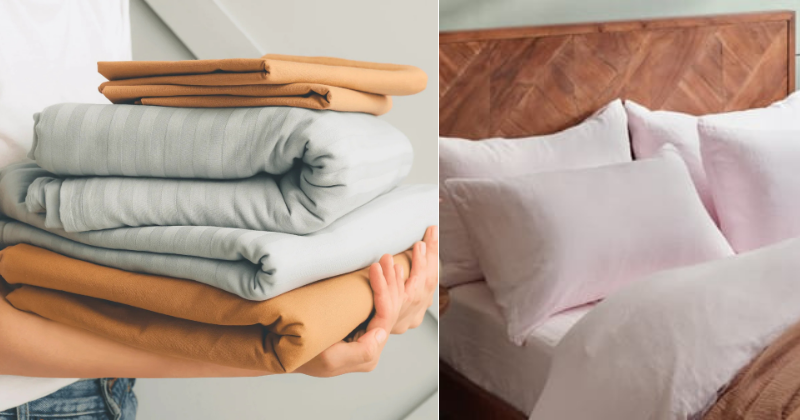
Transform worn bedsheets into practical household items with these creative repurposing ideas. From cleaning cloths to gardening solutions, discover sustainable alternatives that save money and reduce textile waste.
The Environmental Case for Textile Repurposing
Textile waste represents a significant environmental challenge in contemporary consumer societies. According to estimates, millions of tons of fabric end up in landfills annually, with bedsheets constituting a substantial portion of household textile disposal. The material composition of most bedsheets—typically cotton, polyester-cotton blends, or synthetic fibers—means they can remain in landfills for years without decomposing completely. Cotton sheets, while biodegradable, still require specific conditions to break down efficiently.
Repurposing old bedsheets extends their lifecycle and reduces the demand for new textile production, which is resource-intensive. Cotton cultivation requires substantial water inputs, and textile manufacturing involves chemical processing that can impact environmental systems. By finding alternative uses for worn sheets, households can participate in circular economy practices that minimize waste generation.
1. High-Absorbency Cleaning Cloths
Old cotton bedsheets excel as cleaning materials due to their absorbent properties and durability. Cut sheets into squares ranging from 20 to 30 centimeters on each side to create reusable cleaning cloths that outperform many commercial alternatives. Cotton fibers trap dust particles effectively and can withstand multiple wash cycles without significant degradation.
These homemade cleaning cloths work particularly well for window cleaning, kitchen surface wiping, and bathroom maintenance. Unlike paper towels, they can be laundered and reused dozens of times, reducing household paper product consumption. Store them in a dedicated container, and maintain separate sets for different cleaning tasks to prevent cross-contamination between kitchen and bathroom areas.
For heavily soiled cleaning tasks, designate certain cloths as « garage » or « outdoor » rags. The fabric’s durability makes it suitable for automotive maintenance, garden tool cleaning, and other activities where disposable materials would typically be used.
2. Protective Drop Cloths for Home Projects
Bedsheets serve as effective protective coverings during painting, crafting, or home renovation projects. Their size provides substantial coverage for furniture, flooring, or work surfaces without the expense of purchasing specialized drop cloths. While they may not be completely impermeable to paint, they offer sufficient protection for most interior painting projects, especially when layered.
The flexibility of sheet fabric allows it to drape over irregular furniture shapes more effectively than rigid plastic sheeting. Secure the edges with painter’s tape or weights to prevent shifting during work. After projects conclude, sheets with minor paint stains can continue serving as workshop protection, creating a dedicated supply of project-specific coverings that don’t compromise better household textiles.
For activities involving fine particles like sanding or dry crafting materials, sheets catch debris effectively and can be gathered and shaken outside for easy cleanup. This approach reduces the amount of fine dust that might otherwise spread throughout living spaces.
3. Garden Frost Protection and Plant Covers
Horticultural applications for old bedsheets include protecting sensitive plants from unexpected frost events. Cotton sheets allow air and moisture circulation while providing several degrees of insulation—typically enough to protect plants during light frost conditions. Drape sheets over vulnerable plants in the evening when frost is predicted, ensuring the fabric extends to ground level to trap residual heat radiating from the soil.
Unlike plastic sheeting, which can damage plant tissues if it makes direct contact, fabric sheets provide a buffer while allowing some heat retention. Remove coverings once morning temperatures rise to prevent excessive heat accumulation under the fabric. This technique works particularly well for protecting early spring seedlings or extending the growing season for cold-sensitive vegetables in autumn.
Sheets also function as shade cloth during extreme heat events. Suspended above sensitive plants, they filter intense sunlight while maintaining airflow, reducing heat stress on leafy vegetables or young transplants that might otherwise wilt or suffer sun scald.
4. Custom Storage Bags and Organizers
Transform sheet sections into drawstring bags for storing seasonal items, toys, or bulk household goods. The process requires basic sewing skills: cut the fabric to desired dimensions, hem the edges, and create a channel near the top for threading cord or ribbon. These bags work effectively for storing winter accessories, children’s building blocks, or craft supplies.
For items requiring dust protection during long-term storage, bedsheet bags offer breathability that prevents moisture accumulation while keeping contents clean. This makes them superior to plastic bags for storing textiles like out-of-season clothing or extra blankets, as air circulation prevents musty odors from developing.
Pillowcase-sized bags created from sheets work well for organizing produce in refrigerators, particularly items like potatoes or onions that benefit from dark, breathable storage. The washable nature of cotton fabric means these storage solutions can be cleaned regularly, maintaining hygiene standards for food-adjacent applications.
5. Pet Bedding and Animal Care Applications
Old sheets provide comfortable, washable bedding material for pets. Layer several sheets to create cushioned sleeping areas for dogs or cats, or use them to line pet carriers during transport. The familiarity of household scents on used bedding can provide comfort to pets in stressful situations.
For households with animals that shed heavily or have occasional accidents, sheet-based bedding offers an economical solution that can be laundered frequently without concern about damaging expensive pet beds. Create removable covers for existing pet furniture by wrapping and tucking sheets around cushions, making cleaning more convenient.
In fostering or rescue situations, sheets serve as disposable bedding for animals with unknown health histories. While they can be washed and reused if the animal is healthy, they can be discarded without significant financial loss if contamination concerns arise.
6. Picnic Blankets and Outdoor Ground Covers
Repurpose larger sheets as picnic blankets or outdoor ground covers for beach outings, camping trips, or backyard activities. While they may not have the water-resistant backing of commercial picnic blankets, they provide clean surface area for outdoor dining and are easily laundered after use.
The lightweight nature of sheet fabric makes it easy to pack for outdoor excursions, and multiple sheets can be carried without adding significant weight to recreational gear. For beach applications, older sheets that have developed some wear are ideal—sand can be shaken out easily, and any salt water exposure won’t damage valuable items.
During outdoor gatherings, sheets spread on grass create defined spaces for seating areas or children’s play zones. After events, simple machine washing restores them for subsequent use, making them a practical alternative to disposable party supplies.
7. Crafting Material for Textile Projects
Sheets provide substantial quantities of fabric for various crafting endeavors. Quilters frequently incorporate sheet fabric into backing layers for quilts, as the large, seamless sections eliminate the need to piece backing material from smaller cuts. The weave of most sheets is compatible with standard quilting techniques and adds minimal bulk to finished projects.
For those interested in embroidery or cross-stitch, tighter-weave sheets can serve as backing material that stabilizes decorative work without being visible in the finished piece. Apron making, tote bag construction, and similar sewing projects benefit from the pre-washed, soft nature of used sheet fabric.
Children’s craft projects consume substantial amounts of material, and old sheets provide an economical source for activities like fabric painting, tie-dyeing, or creating costume elements. The quantity available from a single sheet set allows for generous mistakes and experimentation without depleting craft budgets.
8. Makeshift Curtains and Room Dividers
In temporary living situations or budget-conscious households, bedsheets function as serviceable window coverings or room dividers. While they may not provide complete light blocking, they offer privacy and can soften harsh sunlight entering through windows. Tension rods make installation straightforward without requiring permanent modifications to walls or window frames.
For creating temporary room divisions—separating sleeping areas in shared children’s rooms, for example—sheets suspended from ceiling-mounted tracks or heavy-duty tension rods provide visual privacy without the expense of constructing permanent partitions. This approach works particularly well in rental properties where structural modifications aren’t permitted.
Lighter-colored sheets reflect more light and heat, making them suitable for summer window coverage that helps maintain cooler interior temperatures. The fabric’s breathability allows some air circulation, unlike solid plastic or vinyl window coverings.
9. Protective Furniture Covers During Storage
When storing furniture in basements, garages, or storage units, bedsheets provide dust protection while allowing air circulation that prevents moisture accumulation and mildew development. Unlike plastic tarps, which can trap condensation against furniture surfaces, cotton sheets absorb minor moisture fluctuations while keeping dust particles away from upholstery and wood finishes.
The draping quality of sheet fabric allows it to conform to furniture shapes more effectively than rigid covering materials, ensuring complete protection for oddly-shaped items. Tuck excess fabric into crevices and secure with clothespins or large clips to prevent shifting during handling or transport.
For long-term furniture storage, periodically checking beneath covers is advisable to ensure no moisture issues have developed, but cotton sheets generally perform better than synthetic alternatives in environments with variable humidity levels.
10. Automotive and Workshop Applications
The absorbent nature of cotton sheets makes them valuable in automotive maintenance contexts. Cut into appropriately sized pieces, they serve as oil-absorbent rags for checking fluid levels, cleaning tools, or wiping down surfaces after mechanical work. The lint-free quality of well-worn cotton makes it suitable for tasks requiring clean wiping without leaving residual fibers.
In workshop environments, sheets can cover equipment to protect against dust accumulation during periods of non-use. They also function as padding material when transporting tools or protecting finished projects during movement. The disposable nature of already-worn sheets means they can be used for messy tasks without concern about ruining newer materials.
For bicycle maintenance, automotive detailing, or small engine repair, dedicated sheet-derived rags provide an economical alternative to purchasing commercial shop towels, particularly for hobbyists whose usage doesn’t justify bulk purchases of specialized products.
Practical Considerations for Sheet Repurposing
Before repurposing bedsheets, assess their condition realistically. Sheets with large tears, extensive staining, or significant structural weakness may have limited utility even for secondary purposes. However, sheets with minor wear, fading, or small holes often retain sufficient integrity for most repurposing applications.
Wash sheets thoroughly before repurposing to remove any accumulated oils, detergent residue, or allergens. This cleaning process also reveals the true condition of the fabric—weak areas may tear during washing, helping identify which sections are most suitable for cutting into smaller pieces versus using as whole-cloth applications.
Different fiber contents perform differently in various applications. Pure cotton sheets excel in cleaning and gardening applications due to absorbency, while polyester-blend sheets may be more durable for applications involving repeated handling or outdoor exposure. Match the material properties to the intended use for optimal results.
Implementation Strategies
Establishing a systematic approach to textile repurposing prevents old sheets from accumulating without purpose. Designate a storage area for sheets awaiting repurposing, and periodically assess which projects would benefit from available materials. This prevents the well-intentioned collection of materials that never find practical application.
Consider cutting several sheets at once into standardized sizes for cleaning cloths, creating an immediate supply that justifies the initial time investment. Store these prepared materials in accessible locations where they’ll be readily used—cleaning supply closets, garages, or craft areas—rather than in remote storage where they might be forgotten.
For households that generate multiple worn sheets annually, rotating which repurposing projects receive priority prevents an overwhelming accumulation of craft materials. Some years might focus on building a cleaning cloth supply, while others might emphasize garden applications or pet bedding development.
The practice of repurposing household textiles represents a small but meaningful contribution to reducing consumption patterns. While individual actions may seem modest in scale, collectively adopting practices that extend product lifecycles and minimize waste generation supports broader environmental sustainability objectives. Old bedsheets, despite their worn appearance, retain considerable utility across diverse applications when approached creatively and practically.