
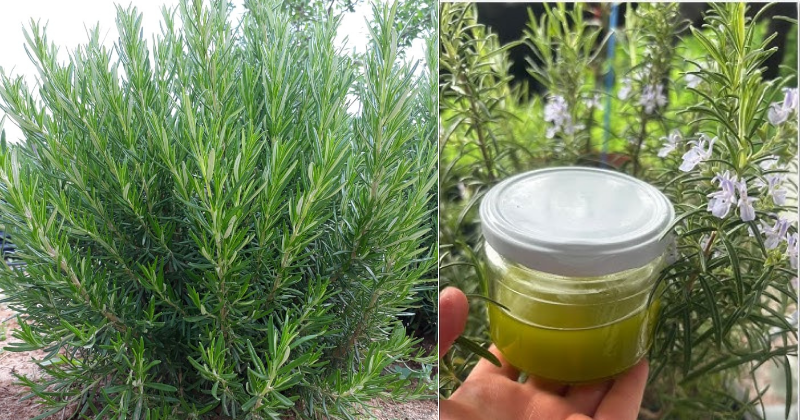
Rosemary, a Mediterranean herb renowned for its culinary and medicinal properties, demonstrates promising bioactive compounds that may support ocular health through antioxidant and anti-inflammatory mechanisms, particularly in addressing cataracts and inflammatory eye conditions.
Biochemical Composition and Ocular Relevance
Rosemary (Rosmarinus officinalis) contains a complex phytochemical profile dominated by rosmarinic acid, carnosic acid, and carnosol—compounds exhibiting significant antioxidant capacity. These polyphenolic constituents demonstrate free radical scavenging activities that theoretically counteract oxidative stress, a primary mechanism implicated in cataract formation and various inflammatory ocular pathologies.
The lens crystallins, proteins responsible for maintaining lens transparency, undergo oxidative modifications when exposed to reactive oxygen species (ROS). This cumulative oxidative damage leads to protein aggregation and opacification—the hallmark of cataract development. Rosmarinic acid, with its documented ability to neutralize superoxide anions and hydroxyl radicals, presents a theoretical mechanism for slowing this degenerative process.
Research indicates that carnosic acid activates the Nrf2 pathway, a cellular defense system regulating antioxidant response elements. This activation enhances endogenous production of glutathione and other protective enzymes within ocular tissues, potentially strengthening the eye’s intrinsic defense mechanisms against oxidative insult.
Mechanisms of Action in Cataract Prevention
Cataracts represent a multifactorial condition where accumulated oxidative damage, protein glycation, and enzymatic dysfunction converge to compromise lens clarity. The aqueous humor surrounding the lens maintains ascorbic acid concentrations significantly higher than plasma levels—a physiological adaptation reflecting the eye’s vulnerability to oxidative stress from ultraviolet radiation exposure.
The polyphenolic compounds in rosemary function through multiple complementary pathways. Carnosol inhibits aldose reductase, an enzyme converting excess glucose to sorbitol in diabetic conditions. Sorbitol accumulation within lens fibers creates osmotic stress, contributing to diabetic cataracts. By modulating this enzymatic pathway, rosemary constituents may offer protective effects particularly relevant for individuals with metabolic dysregulation.
Additionally, these compounds demonstrate metal-chelating properties. Iron and copper, while essential trace elements, participate in Fenton reactions generating highly reactive hydroxyl radicals. The ability of rosmarinic acid to sequester these transition metals reduces their availability for catalyzing damaging oxidative reactions within ocular tissues.
Anti-Inflammatory Properties and Ocular Surface Health
Chronic inflammation underlies numerous vision-threatening conditions including uveitis, dry eye syndrome, and age-related macular degeneration. The inflammatory cascade involves cyclooxygenase (COX) and lipoxygenase (LOX) pathways producing prostaglandins and leukotrienes—lipid mediators amplifying tissue damage and vascular permeability.
Rosemary extracts demonstrate COX-2 inhibitory activity comparable to some conventional non-steroidal anti-inflammatory agents, though with potentially fewer systemic side effects when used topically or consumed in dietary quantities. This selective inhibition reduces inflammatory prostaglandin synthesis while preserving protective prostacyclin production, maintaining a more favorable therapeutic profile.
The corneal epithelium and conjunctiva, constantly exposed to environmental irritants and pathogens, rely on balanced inflammatory responses for defense and repair. Excessive inflammation, however, disrupts the tear film stability and damages the delicate epithelial barrier. Carnosic acid modulates nuclear factor-kappa B (NF-κB) signaling—a master regulator of inflammatory gene expression—thereby attenuating excessive immune activation while preserving necessary defensive functions.
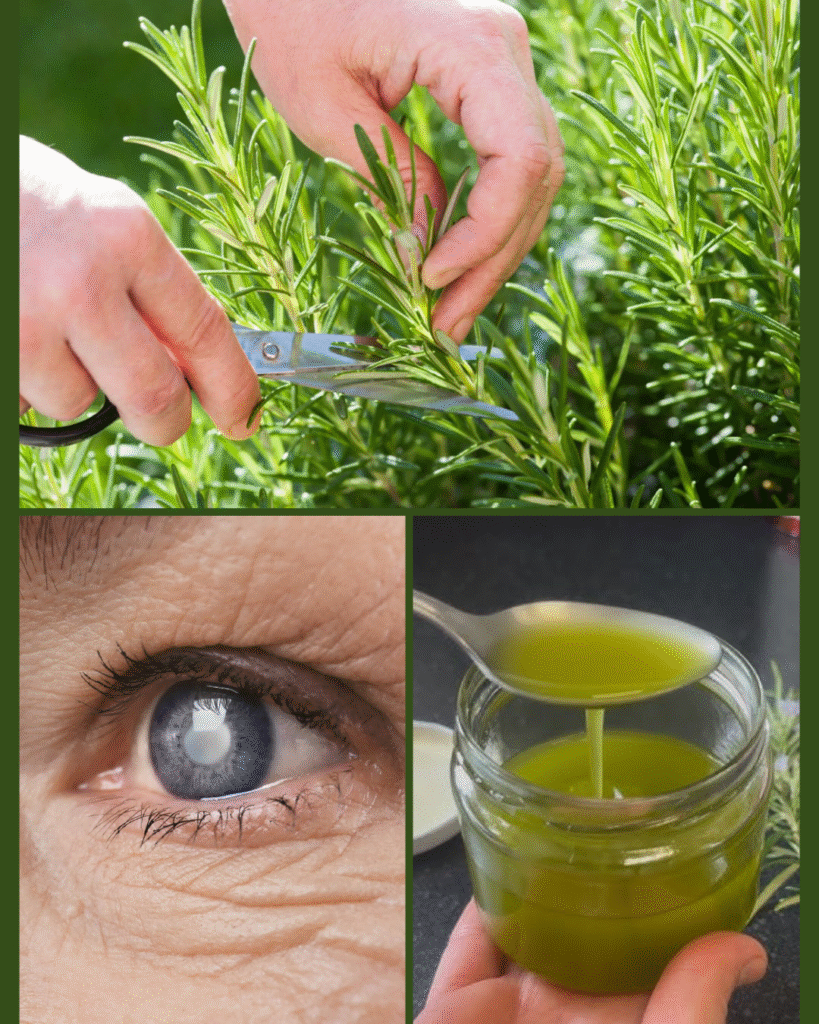
Vascular Protection and Retinal Health
Retinal tissues exhibit the highest metabolic rate and oxygen consumption of any bodily tissue, creating substantial oxidative byproducts. The blood-retinal barrier, analogous to the blood-brain barrier, maintains a precisely controlled microenvironment essential for photoreceptor function. Breakdown of this barrier characterizes various degenerative conditions including diabetic retinopathy.
Rosemary’s bioactive compounds strengthen endothelial integrity through multiple mechanisms. They upregulate tight junction proteins occludin and claudin-5, critical for barrier function. Simultaneously, these compounds inhibit matrix metalloproteinases—enzymes that degrade extracellular matrix components and compromise vascular stability.
The herb’s vasodilatory effects, mediated through nitric oxide pathway modulation, enhance retinal perfusion without elevating intraocular pressure—a crucial consideration for individuals with glaucoma risk. Improved microcirculation supports oxygen and nutrient delivery to metabolically demanding photoreceptors and retinal pigment epithelium cells.
Practical Applications and Preparation Methods
Traditional Mediterranean populations have utilized rosemary infusions for eye washes, though modern understanding emphasizes safety considerations. Any ophthalmic application requires sterile preparation to prevent microbial contamination. A more practical approach involves dietary incorporation to achieve systemic bioavailability of protective compounds.
Fresh rosemary releases volatile terpenes that demonstrate antimicrobial and anti-inflammatory properties. A standard preparation involves steeping two teaspoons of fresh rosemary leaves in 250 milliliters of boiling water for ten minutes, creating an infusion suitable for consumption rather than direct ocular contact. This method preserves heat-sensitive compounds while extracting water-soluble polyphenols.
Rosemary essential oil, highly concentrated in active constituents, should never be applied directly to eyes due to its irritant potential. However, dietary supplementation with standardized rosemary extracts (typically 200-400 milligrams daily) provides consistent phytochemical exposure. Quality extracts specify rosmarinic acid content, usually standardized to 5-20 percent, allowing predictable dosing.
Synergistic Combinations and Nutritional Context
Ocular health depends on multiple nutritional factors working synergistically. Lutein and zeaxanthin, carotenoids concentrated in macular tissue, filter damaging blue light wavelengths. When combined with rosemary’s antioxidant mechanisms, these compounds provide complementary protection—carotenoids offering anatomical filtering while polyphenols neutralize oxidative byproducts.
Vitamin C, abundant in aqueous humor, regenerates oxidized vitamin E, creating an antioxidant recycling system. Rosemary compounds enhance this network by protecting these vitamins from degradation. Similarly, omega-3 fatty acids support retinal structure and reduce inflammatory mediators, effects potentially amplified by rosemary’s anti-inflammatory properties.
Zinc, essential for retinal enzyme function and vitamin A metabolism, demonstrates enhanced bioavailability when consumed with polyphenol-rich foods. The chelating properties of rosemary compounds, while protective against excessive transition metals, may also facilitate trace mineral absorption when consumed in physiological amounts during meals.
Clinical Evidence and Research Limitations
Laboratory studies using isolated lens epithelial cells demonstrate that rosemary extracts reduce oxidative stress markers and inhibit protein glycation—processes central to cataract formation. Animal models of induced cataracts show delayed progression with rosemary supplementation, though translating these findings to human applications requires cautious interpretation.
Human clinical trials remain limited, with most evidence derived from broader cardiovascular and cognitive studies where ocular outcomes represent secondary measures. One observational study noted reduced age-related lens changes among Mediterranean populations with high dietary rosemary intake, though confounding variables including overall diet quality, sunlight exposure patterns, and genetic factors complicate causal attribution.
The bioavailability of rosemary compounds presents pharmacokinetic challenges. Rosmarinic acid undergoes extensive first-pass metabolism, with metabolites exhibiting different biological activities than parent compounds. Individual variations in gut microbiota composition influence polyphenol metabolism, creating substantial inter-individual response variability.
Safety Considerations and Contraindications
Rosemary demonstrates excellent safety profiles in culinary amounts, with adverse effects primarily associated with excessive supplementation. High doses may stimulate uterine contractions, contraindicating use during pregnancy. The herb’s potential effects on iron absorption suggest monitoring for individuals with hemochromatosis or iron overload conditions.
Rosemary contains salicylates, compounds structurally related to aspirin, raising theoretical concerns for individuals with salicylate sensitivity or those taking anticoagulant medications. While clinically significant interactions remain rare with dietary consumption, concentrated supplements warrant medical supervision for individuals on warfarin or similar blood-thinning agents.
The herb demonstrates mild cholinergic activity, potentially interacting with medications for myasthenia gravis or Alzheimer’s disease. Additionally, rosemary’s influence on cytochrome P450 enzymes suggests possible alterations in drug metabolism, though documented interactions remain minimal compared to St. John’s wort or grapefruit.
Integration into Comprehensive Eye Health Strategies
While rosemary offers promising mechanisms for supporting ocular health, it functions most effectively within holistic lifestyle approaches. Regular ophthalmological examinations remain irreplaceable for detecting early pathological changes before symptomatic presentation. Cataracts, once significantly advanced, require surgical intervention—no dietary approach reverses established lens opacification.
Ultraviolet protection through quality sunglasses prevents cumulative radiation damage to lens and retinal tissues. The blue light wavelengths between 400-500 nanometers, while less energetic than UV radiation, contribute to oxidative stress through prolonged digital device exposure. Combining physical protection with antioxidant support creates layered defense strategies.
Glycemic control represents a critical modifiable factor, particularly for diabetic individuals facing elevated cataract and retinopathy risks. Rosemary’s insulin-sensitizing properties and aldose reductase inhibition complement conventional diabetes management, though never substitute for medical monitoring and prescribed treatments.
Future Research Directions and Therapeutic Potential
Emerging nanotechnology applications explore encapsulating rosemary compounds in nanoparticles for enhanced ocular bioavailability. These delivery systems could theoretically bypass blood-retinal barrier limitations while minimizing systemic exposure. Liposomal formulations and cyclodextrin complexes show promise in preliminary studies for improving polyphenol stability and absorption.
Genetic research identifying individuals with heightened oxidative stress susceptibility may enable personalized prevention strategies. Polymorphisms in antioxidant enzyme genes, such as superoxide dismutase or glutathione peroxidase variants, create subpopulations potentially deriving greater benefits from dietary antioxidant interventions including rosemary supplementation.
The herb’s neuroprotective properties extend beyond direct antioxidant effects, influencing mitochondrial function and cellular energy metabolism. As understanding of neurodegenerative aspects in glaucoma and age-related macular degeneration advances, rosemary’s multifaceted mechanisms position it as a candidate for combination therapeutic approaches targeting multiple pathological pathways simultaneously.
Cultivation and Quality Considerations
The phytochemical composition of rosemary varies substantially based on growing conditions, harvest timing, and post-harvest processing. Plants cultivated in Mediterranean climates with moderate water stress produce higher polyphenol concentrations as adaptive responses. Organic cultivation eliminates pesticide residues potentially harmful to sensitive ocular tissues.
Harvesting during morning hours, after dew evaporation but before peak heat, preserves volatile compounds. Drying methods significantly impact final product quality—air drying in dark, well-ventilated spaces maintains superior antioxidant capacity compared to high-temperature commercial drying. Home cultivation provides maximum freshness and compound integrity, though requires appropriate climate or indoor growing conditions.
Commercial supplements vary considerably in standardization and quality control. Third-party testing for heavy metal contamination and microbial purity ensures safety, particularly for products intended for long-term use. Certificates of analysis specifying rosmarinic acid content enable informed product selection and consistent dosing.
Rosemary represents a scientifically intriguing approach to supporting ocular health through multiple complementary mechanisms. While research continues elucidating optimal applications and populations most likely to benefit, incorporating this herb into balanced dietary patterns offers low-risk potential advantages. The antioxidant, anti-inflammatory, and vascular protective properties align with physiological processes underlying age-related vision changes, positioning rosemary as a valuable component within comprehensive eye health strategies emphasizing nutrition, protection, and regular monitoring.
Disclaimer: This article is for informational purposes only and is not a substitute for professional advice.
Source: National Eye Institute (NEI), National Institutes of Health – Research on nutritional factors in age-related eye diseases and oxidative stress mechanisms in cataract formation.Réessaye