

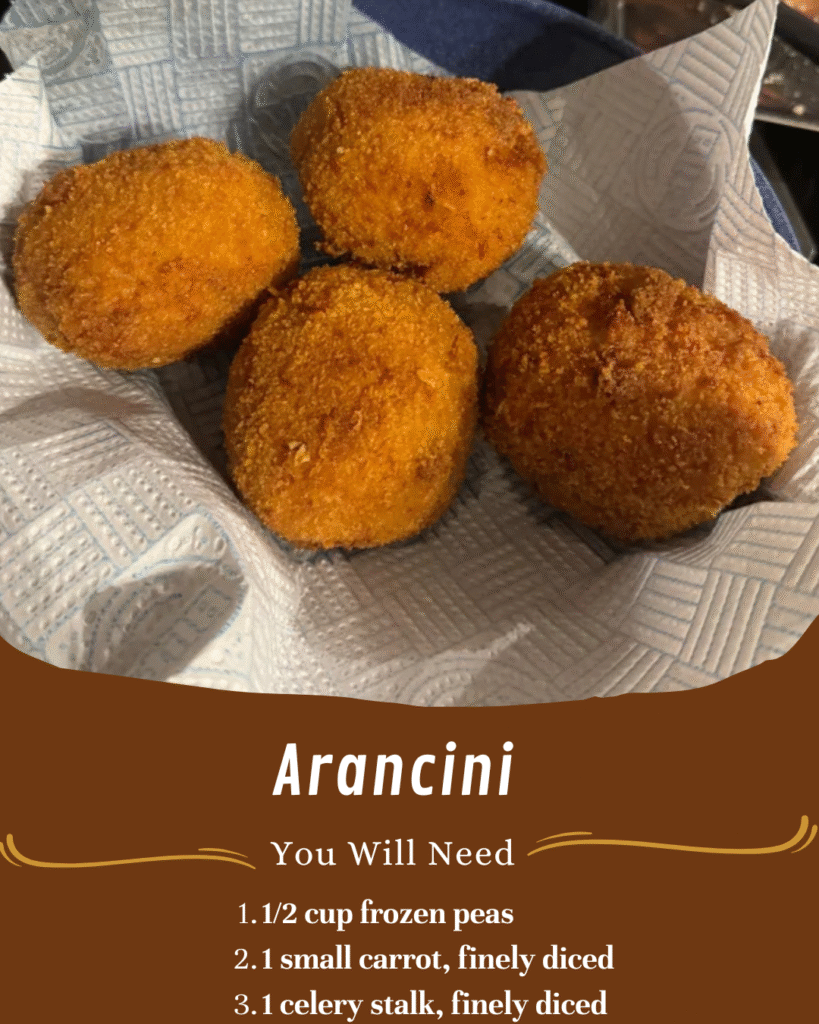
Arancini are golden, crispy Italian rice balls that embody the soul of Sicilian street food—a perfect marriage of creamy risotto, savory filling, and crunchy breadcrumb coating. These stuffed rice balls transform leftover risotto into an extraordinary culinary experience, offering a delightful contrast between their crispy exterior and their molten, flavorful heart. Whether you’re seeking an impressive appetizer for your next gathering or simply want to master an authentic Italian classic, this comprehensive guide will walk you through every step of creating arancini that rival those found in the trattorias of Palermo. The technique may seem intricate at first, but with careful attention to each stage, you’ll discover that making arancini at home is an achievable and deeply rewarding endeavor.
Recipe Overview: Understanding the Art of Arancini
These Sicilian rice balls represent more than mere sustenance—they embody centuries of culinary tradition. The name « arancini » derives from their resemblance to small oranges (« arancia » in Italian), and their golden hue speaks to the saffron-infused risotto within.
Difficulty Level: Intermediate. While the technique requires patience and attention to detail, each step is straightforward when approached methodically.
Time Commitment: Plan for approximately 3 hours total, including 1 hour for rice cooling. Active cooking time is about 90 minutes.
Ideal Occasions: Arancini shine as appetizers for dinner parties, as part of an antipasto spread, or as substantial snacks for gatherings. They’re equally at home at elegant celebrations or casual family meals, and they travel remarkably well for picnics or potlucks.
Ingredients
For the Risotto Base:
- 2 cups Arborio rice (or Carnaroli rice)
- 4 cups chicken stock (or vegetable stock), kept warm
- 1/2 cup dry white wine
- 1/2 cup freshly grated Parmigiano-Reggiano cheese
- 3 tablespoons unsalted butter
- 1 small onion, finely minced
- 2 cloves garlic, minced
- 1/4 teaspoon saffron threads (optional, but traditional)
- 2 tablespoons extra-virgin olive oil
- Salt and freshly ground black pepper to taste
For the Filling:
- 1/2 pound ground beef (or a mixture of beef and pork)
- 1/2 cup tomato sauce
- 1/2 cup frozen peas
- 1 small carrot, finely diced
- 1 celery stalk, finely diced
- 1/4 cup red wine
- 2 tablespoons tomato paste
- 4 ounces mozzarella cheese, cut into small cubes
- 2 tablespoons olive oil
- Salt, pepper, and a pinch of nutmeg
For the Breading Station:
- 1 1/2 cups all-purpose flour
- 4 large eggs, beaten
- 3 cups fine breadcrumbs (preferably Italian-style)
- Vegetable oil for deep frying (about 6-8 cups)
Step-by-Step Instructions
Preparing the Risotto Base:
- Infuse the saffron: If using saffron, steep the threads in 2 tablespoons of warm stock for 10 minutes. This releases their distinctive color and flavor.
- Begin the risotto: Heat olive oil and 1 tablespoon butter in a large, heavy-bottomed pot over medium heat. Add the minced onion and cook until translucent, about 4 minutes. Add garlic and cook for another minute until fragrant.
- Toast the rice: Add the Arborio rice to the pot, stirring constantly for 2-3 minutes until the grains become slightly translucent at the edges. This toasting step is crucial for achieving the proper texture.
- Deglaze and cook: Pour in the white wine, stirring until it’s almost completely absorbed. Begin adding the warm stock one ladle at a time, stirring frequently and allowing each addition to be absorbed before adding the next. This gradual process takes approximately 18-20 minutes.
- Finish the risotto: When the rice is tender but still has a slight bite, remove from heat. Stir in the saffron mixture (if using), remaining butter, and Parmigiano-Reggiano. Season with salt and pepper. The risotto should be creamy but firm enough to hold its shape when cooled.
- Cool completely: Spread the risotto on a large baking sheet in an even layer. Allow it to cool to room temperature, then refrigerate for at least 1 hour or overnight. This cooling is essential—warm risotto cannot be shaped properly.
Preparing the Meat Filling (Ragù):
- Create the soffritto: Heat 2 tablespoons olive oil in a large skillet over medium heat. Add the carrot, celery, and a pinch of salt. Cook for 5-6 minutes until softened.
- Brown the meat: Increase heat to medium-high, add the ground meat, and cook until deeply browned, breaking it into small pieces with a wooden spoon. This takes about 8-10 minutes—don’t rush this step, as the browning develops essential flavor.
- Build the sauce: Add tomato paste and cook for 2 minutes, stirring constantly. Pour in the red wine and let it reduce by half. Add tomato sauce, peas, and season with salt, pepper, and nutmeg.
- Simmer: Reduce heat to low and simmer for 20-25 minutes until the mixture is thick and no longer watery. The filling must be completely dry to prevent soggy arancini. Cool completely before using.
Assembling the Arancini:
- Prepare your station: Set up three shallow bowls: one with flour, one with beaten eggs, and one with breadcrumbs. Have a baking sheet lined with parchment paper ready.
- Shape the rice balls: With damp hands (keep a bowl of water nearby), take about 1/3 cup of chilled risotto and flatten it in your palm. Place a spoonful of meat filling and a cube of mozzarella in the center. Carefully enclose the filling with rice, shaping it into a ball or cone. The rice layer should be about 1/2 inch thick all around.
- Bread the arancini: Roll each rice ball first in flour (shaking off excess), then in beaten egg, and finally in breadcrumbs, pressing gently to ensure the coating adheres. Place on the prepared baking sheet. Repeat until all rice and filling are used.
Frying the Arancini:
- Heat the oil: Pour oil into a deep, heavy pot to a depth of 3-4 inches. Heat to 350°F (175°C), using a thermometer for accuracy. Maintaining the correct temperature is critical for achieving a crispy exterior without greasiness.
- Fry in batches: Carefully lower 3-4 arancini into the hot oil using a slotted spoon. Fry for 4-5 minutes, turning occasionally, until deep golden brown on all sides. The crust should be crispy and the filling molten.
- Drain and serve: Remove with a slotted spoon and drain on paper towels. Let rest for 2-3 minutes before serving—this allows the interior temperature to stabilize. Serve warm.
Tips and Tricks for Perfect Arancini
Mastering the Risotto Consistency: The foundation of exceptional arancini lies in achieving the proper risotto texture. Your cooked rice should be slightly firmer than typical risotto served at the table—aim for what Italians call « all’onda » (wavy) when hot, knowing it will firm up considerably when chilled. If your risotto seems too loose after cooling, incorporate 1-2 beaten eggs and 1/4 cup additional Parmigiano-Reggiano to help bind the mixture.
Ingredient Substitutions for Flexibility: While traditional arancini feature meat ragù, countless variations exist throughout Sicily. For vegetarian options, substitute the meat filling with sautéed mushrooms, spinach and ricotta, or roasted eggplant with tomato. Fontina or provolone can replace mozzarella for different flavor profiles. If Arborio rice is unavailable, any short-grain rice will work, though the texture may differ slightly from the authentic version.
Storage and Make-Ahead Strategy: Arancini are remarkably freezer-friendly, making them ideal for advance preparation. Once assembled and breaded, arrange them on a baking sheet and freeze until solid, then transfer to freezer bags for up to 3 months. Fry directly from frozen, adding 1-2 minutes to the cooking time. Alternatively, refrigerate unfried arancini for up to 24 hours before frying. Already-fried arancini can be stored in the refrigerator for 2-3 days and reheated in a 375°F oven for 10-12 minutes.
Avoiding Common Pitfalls: The most frequent mistake is attempting to shape arancini with warm risotto, which results in sticky, unmanageable rice that won’t hold its shape. Always ensure complete cooling. Another common error is overfilling—too much ragù will cause the rice ball to burst during frying. Keep the filling centered and use restraint. Finally, maintain consistent oil temperature; if the oil is too cool, arancini absorb excess grease and become heavy.
Achieving the Perfect Crust: The secret to an exceptionally crispy coating lies in the double-coating technique employed by professional Sicilian cooks. After the initial breading, refrigerate the arancini for 30 minutes, then repeat the egg and breadcrumb coating. This creates a thicker, more protective crust that stays crispy longer. Using panko breadcrumbs mixed with traditional breadcrumbs (in a 1:2 ratio) adds extra crunch and visual appeal.
Serving Suggestions and Pairings: Present arancini on a platter with a small bowl of warm marinara sauce for dipping. A simple arugula salad dressed with lemon vinaigrette provides a refreshing contrast to the rich rice balls. For wine pairing, consider a crisp Sicilian white like Grillo or Catarratto, or a light-bodied red such as Frappato. Arancini are traditionally enjoyed as street food in Sicily, eaten while strolling—no utensils required.
Equipment Considerations: A deep-fry or candy thermometer is essential for maintaining proper oil temperature. If you don’t have one, test the oil by dropping a small piece of bread into it—it should brown in about 30 seconds at the correct temperature. A heavy Dutch oven or deep pot provides the best heat retention for consistent frying results.
Nutritional Information
Per arancino (based on 12 servings):
- Calories: 385
- Total Fat: 18g
- Saturated Fat: 6g
- Cholesterol: 95mg
- Sodium: 480mg
- Total Carbohydrates: 42g
- Dietary Fiber: 2g
- Protein: 15g
- Calcium: 12% DV
- Iron: 15% DV
Note: Nutritional values are approximate and will vary based on specific ingredients used and portion sizes.
Frequently Asked Questions
Can I bake arancini instead of frying them?
While deep-frying produces the most authentic texture and flavor, baking offers a lighter alternative that still yields satisfying results. To bake arancini, preheat your oven to 400°F (200°C) and place the breaded rice balls on a baking sheet lined with parchment paper. Brush them generously with olive oil or spray with cooking spray to encourage browning. Bake for 25-30 minutes, turning them halfway through, until golden and crispy. The texture won’t be quite as shatteringly crisp as fried versions, but they’re delicious nonetheless and considerably less labor-intensive.
Why is my risotto falling apart when I try to shape it?
This frustrating problem typically stems from insufficient cooling or an overly wet risotto. Ensure your risotto has been refrigerated for at least one hour—overnight is even better. The starches need time to firm up and bind the rice grains together. If your risotto still seems too loose after proper cooling, work in one or two beaten eggs while the rice is still slightly warm, which acts as a binder. Additionally, make sure your hands are damp but not dripping when shaping—too much water on your hands will loosen the rice mixture.
What’s the difference between Sicilian arancini and Roman supplì?
While these Italian rice balls share similarities, several key differences distinguish them. Arancini are typically larger (about the size of an orange), often cone-shaped in eastern Sicily or round in western Sicily, and traditionally filled with meat ragù, peas, and cheese. Roman supplì are smaller, always oval-shaped, and classically filled with a simple tomato-based risotto and mozzarella that creates a stringy « telephone wire » effect when pulled apart—hence their nickname « supplì al telefono. » The rice preparation also differs slightly, with supplì using a tomato-enriched risotto base rather than the plain or saffron-infused base of arancini.
How do I prevent the mozzarella from leaking out during frying?
Cheese leakage is a common challenge that can be minimized with careful attention to a few details. First, ensure your mozzarella cubes are small (about 1/2-inch) and completely enclosed by a thick layer of rice—at least 1/2 inch on all sides. Make sure there are no cracks or thin spots in the rice coating. The filling should also be completely cool before assembling, as warm filling softens the rice and makes it more prone to breaking. Finally, don’t skip the chilling step after breading; 30 minutes in the refrigerator helps everything set firmly and reduces the likelihood of breakage during frying.
Can I use leftover takeout risotto to make arancini?
Absolutely! Arancini originated as a way to use leftover risotto, making them perfect for repurposing restaurant leftovers or intentionally prepared extra risotto. However, restaurant risotto is often quite creamy and may need adjustment. Spread it on a baking sheet and refrigerate uncovered for several hours or overnight—this dries it out slightly and makes it more manageable for shaping. If it still seems too loose, work in some grated Parmigiano-Reggiano and a beaten egg to help bind it. The beauty of arancini is their flexibility; even if the risotto wasn’t originally perfect for the dish, you can usually adjust it successfully.
How far in advance can I prepare arancini for a party?
Arancini are exceptionally party-friendly because they can be prepared well in advance. The most efficient approach is to make them up to the point of breading, then freeze them on a baking sheet before transferring to freezer bags. They’ll keep frozen for up to three months and can be fried directly from the freezer. Alternatively, bread them completely and refrigerate for up to 24 hours before frying. If you prefer to fully cook them in advance, fried arancini can be refrigerated for 2-3 days and reheated in a 375°F oven for about 12 minutes until heated through and crispy. While freshly fried is always best, these make-ahead options provide excellent results with minimal last-minute stress.
Conclusion
Mastering arancini connects you to generations of Sicilian cooks who transformed simple ingredients into something extraordinary. These golden rice balls demand patience and respect for technique, but the reward—that first bite through the crispy crust into the creamy, savory center—makes every moment worthwhile. Whether you follow the traditional meat and pea filling or explore creative variations, the fundamental principles remain the same: properly prepared risotto, well-seasoned filling, and careful attention to temperature and timing.
I encourage you to embrace this recipe as a starting point for your own arancini journey. Make notes about what works in your kitchen, adjust seasonings to your taste, and don’t be discouraged if your first batch isn’t perfect. Like all worthwhile culinary endeavors, arancini improve with practice. Share these Sicilian treasures with family and friends, and I’d love to hear about your experience—what filling combinations you tried, how you adapted the recipe, and the joy they brought to your table