

Fig leaves, derived from Ficus carica, contain bioactive compounds that demonstrate potential therapeutic effects on glucose metabolism, digestive function, and inflammatory processes through mechanisms involving insulin sensitivity modulation and enzymatic regulation.
Phytochemical Composition and Bioactive Mechanisms
Fig leaves possess a complex matrix of secondary metabolites that mediate their biological activity. The primary compounds include flavonoids such as rutin and quercetin, coumarins including psoralen and bergapten, and various phenolic acids. These molecules interact with cellular signaling pathways through multiple mechanisms. Flavonoids demonstrate free radical scavenging capacity by donating hydrogen atoms to reactive oxygen species, while also modulating gene expression related to antioxidant enzyme production. The coumarin derivatives present in fig leaf extracts exhibit photosensitizing properties but also contribute to anti-inflammatory responses through cyclooxygenase pathway inhibition. Triterpenes and sterols within the leaf matrix influence membrane fluidity and receptor-mediated signaling cascades.
The concentration of these bioactive compounds varies significantly based on cultivar genetics, growing conditions, and harvest timing. Mediterranean varieties typically exhibit higher polyphenol content compared to temperate cultivates, reflecting adaptive responses to environmental stressors. The seasonal variation in compound concentration follows predictable patterns, with maximum accumulation occurring during late spring when photosynthetic activity peaks and secondary metabolism intensifies.
Glucose Metabolism and Insulin Sensitivity Modulation
The antidiabetic properties of fig leaves operate through several distinct physiological mechanisms. Extract compounds inhibit α-glucosidase and α-amylase enzymes in the small intestine, reducing the rate of carbohydrate hydrolysis and subsequent glucose absorption. This enzymatic inhibition occurs through competitive binding at active sites, effectively lowering postprandial glycemic excursions without eliminating nutrient absorption entirely. Clinical observations indicate that fig leaf preparations can reduce post-meal blood glucose spikes by approximately 20-30% when consumed alongside carbohydrate-rich meals.
Beyond digestive enzyme inhibition, fig leaf constituents enhance peripheral insulin sensitivity through activation of peroxisome proliferator-activated receptors (PPAR-γ). This nuclear receptor family regulates adipocyte differentiation and glucose transporter expression, particularly GLUT4 translocation to cell membranes in skeletal muscle and adipose tissue. The activation mechanism involves direct ligand binding by specific flavonoid molecules, initiating conformational changes that facilitate DNA binding and transcriptional regulation.
Hepatic glucose production represents another intervention point for fig leaf bioactives. Compounds within the extract suppress gluconeogenesis by modulating the expression of phosphoenolpyruvate carboxykinase (PEPCK) and glucose-6-phosphatase, rate-limiting enzymes in hepatic glucose synthesis. This suppression occurs through AMP-activated protein kinase (AMPK) pathway activation, a cellular energy sensor that coordinates metabolic responses to nutrient availability.
Research protocols examining these mechanisms typically employ animal models with induced diabetes or insulin resistance. Dosage equivalents in human terms generally range from 200-400 mg of dried leaf extract daily, though optimal therapeutic windows remain under investigation. Individual response variability depends on baseline metabolic status, concurrent medications, and genetic polymorphisms affecting drug metabolism enzymes.
Digestive System Support and Gastrointestinal Function
Fig leaves demonstrate gastroprotective properties through multiple complementary mechanisms. The mucilaginous polysaccharides present in leaf tissue form protective barriers along the gastric mucosa, reducing direct acid contact with epithelial cells. This physical protection complements biochemical effects, where phenolic compounds stimulate prostaglandin synthesis—lipid mediators that enhance mucosal blood flow and bicarbonate secretion. The combined effect creates a more resilient gastric environment resistant to ulceration.
The prebiotic fiber content within fig leaves modulates intestinal microbiota composition. These non-digestible carbohydrates undergo fermentation by colonic bacteria, producing short-chain fatty acids (SCFAs) including butyrate, propionate, and acetate. Butyrate serves as the primary energy source for colonocytes while also exhibiting anti-inflammatory properties through histone deacetylase inhibition. This metabolic byproduct influences gut barrier integrity by promoting tight junction protein expression, reducing intestinal permeability that characterizes various inflammatory conditions.
Motility regulation represents another dimension of fig leaf effects on digestive function. Traditional preparation methods often involve decoction, where leaves are simmered to extract water-soluble compounds. These preparations demonstrate mild prokinetic activity, enhancing gastric emptying and intestinal transit through mechanisms that may involve serotonin receptor modulation. The 5-HT4 receptor activation promotes peristaltic contractions, providing relief from functional constipation without the dependency issues associated with stimulant laxatives.
Clinical applications for digestive support typically involve consuming fig leaf tea prepared from 2-3 dried leaves steeped in hot water for 10-15 minutes. The resulting infusion contains extracted polyphenols and soluble fibers while excluding lipophilic compounds that require alcohol or oil extraction. Some practitioners recommend consuming this preparation 20-30 minutes before meals to maximize gastroprotective effects.
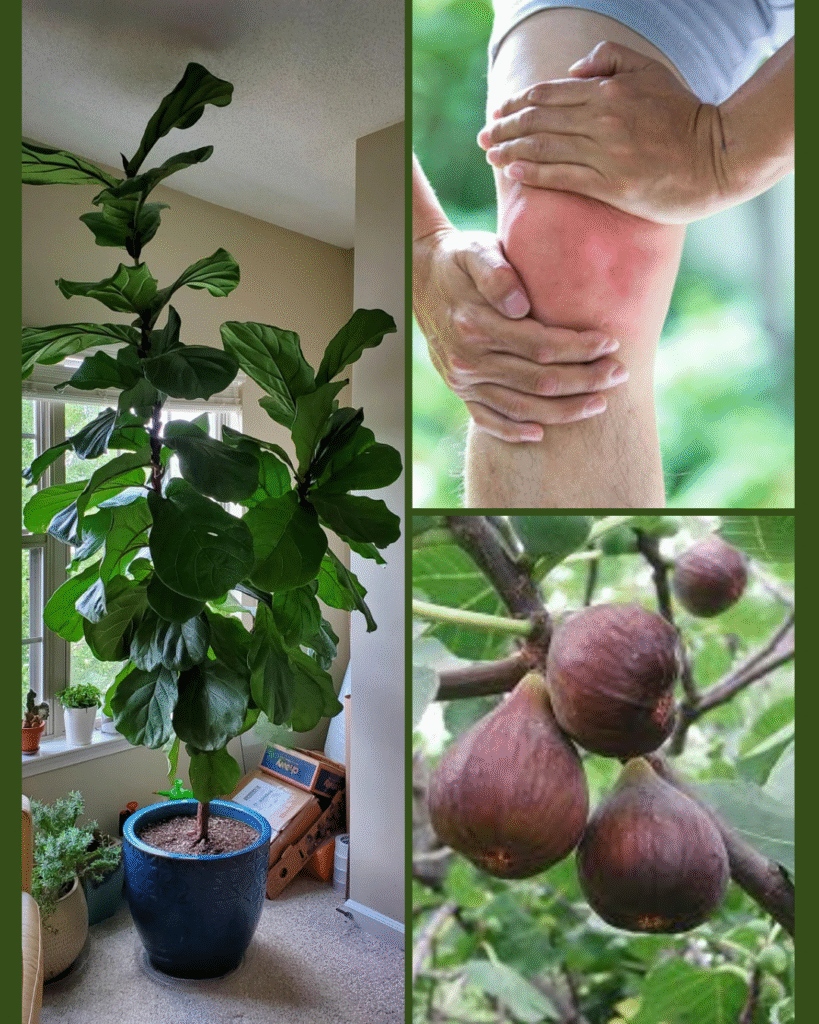
Anti-Inflammatory and Immunomodulatory Properties
The inflammatory response represents a complex cascade involving cytokine release, immune cell recruitment, and tissue remodeling. Fig leaf extracts intervene at multiple points within this cascade. Nuclear factor kappa B (NF-κB) represents a central transcription factor coordinating inflammatory gene expression. Polyphenolic compounds from fig leaves inhibit NF-κB activation by preventing the degradation of its inhibitory protein IκB, thereby maintaining the transcription factor in its inactive cytoplasmic form.
Cytokine production patterns shift in response to fig leaf bioactives. In vitro studies using stimulated macrophages demonstrate reduced secretion of pro-inflammatory mediators including tumor necrosis factor alpha (TNF-α), interleukin-1 beta (IL-1β), and interleukin-6 (IL-6). Simultaneously, anti-inflammatory cytokine production—particularly interleukin-10—remains preserved or slightly elevated. This shift in the cytokine profile creates a less inflammatory tissue environment without completely suppressing immune function.
Mast cell stabilization represents another mechanism by which fig leaf compounds modulate inflammatory responses. These immune cells release histamine and other vasoactive substances during allergic reactions and inflammatory conditions. Certain flavonoids demonstrate membrane-stabilizing effects that reduce degranulation, potentially explaining traditional uses for allergic conditions. The clinical relevance of this mechanism remains incompletely characterized, though preliminary observations suggest possible applications for histamine-mediated disorders.
Oxidative stress and inflammation exist in reciprocal relationship, where reactive oxygen species promote inflammatory signaling while inflammation generates additional oxidative damage. Fig leaf antioxidants interrupt this cycle by neutralizing free radicals and upregulating endogenous antioxidant systems. Superoxide dismutase, catalase, and glutathione peroxidase expression all demonstrate enhancement following fig leaf supplementation in experimental models.
Dermatological Applications and Wound Healing
Topical applications of fig leaf preparations demonstrate effects on skin physiology through multiple pathways. The antimicrobial properties of certain leaf compounds inhibit bacterial and fungal growth, reducing infection risk in minor wounds and skin conditions. Coumarin derivatives exhibit particular activity against dermatophytic fungi, while phenolic acids demonstrate broad-spectrum antibacterial effects through membrane disruption and enzyme inhibition.
Collagen synthesis represents a critical component of wound healing and skin structural integrity. Fig leaf extracts stimulate fibroblast proliferation and collagen production through growth factor modulation. Transforming growth factor beta (TGF-β) signaling increases in response to specific bioactive compounds, promoting the differentiation of fibroblasts into myofibroblasts that generate contractile forces necessary for wound closure. This process must remain balanced, as excessive TGF-β activity contributes to fibrotic scarring.
The photosensitizing properties of certain fig leaf compounds present both therapeutic potential and safety considerations. Psoralen and related furanocoumarins absorb ultraviolet radiation and form DNA cross-links in the presence of UVA light. This property forms the basis of PUVA therapy for vitiligo and psoriasis, where controlled photosensitization promotes repigmentation or reduces excessive keratinocyte proliferation. However, uncontrolled exposure following fig leaf contact can produce phytophotodermatitis—inflammatory skin reactions characterized by erythema, vesicle formation, and subsequent hyperpigmentation.
Traditional dermatological applications involve crushing fresh leaves to release latex and applying directly to affected areas. Modern formulations typically employ standardized extracts in cream or gel bases to ensure consistent dosing and reduce adverse reaction risks. When using fig leaf preparations topically, avoiding sun exposure for 24-48 hours following application minimizes photosensitization risks.
Cardiovascular Effects and Lipid Metabolism
Lipid profile modulation represents an important dimension of cardiovascular disease prevention. Fig leaf supplementation demonstrates effects on circulating lipid concentrations through several mechanisms. Hepatic cholesterol synthesis decreases in response to certain bioactive compounds that inhibit HMG-CoA reductase, the rate-limiting enzyme in cholesterol biosynthesis. While this inhibition occurs through different mechanisms than statin medications, the physiological outcome—reduced cholesterol production—remains similar.
Low-density lipoprotein (LDL) oxidation represents a critical step in atherosclerotic plaque formation. Native LDL particles exhibit relatively benign properties, but oxidative modification creates pro-inflammatory molecules that promote foam cell formation and endothelial dysfunction. Fig leaf polyphenols demonstrate LDL-protective effects by donating electrons to oxidized lipid radicals, interrupting chain propagation reactions that amplify oxidative damage. This antioxidant activity within the vascular compartment may contribute to atherosclerosis prevention independently of cholesterol concentration effects.
Blood pressure regulation involves complex interactions between vascular tone, fluid balance, and autonomic nervous system activity. Some evidence suggests fig leaf preparations promote vasodilation through nitric oxide-mediated mechanisms. Endothelial cells produce nitric oxide in response to mechanical shear stress and biochemical signals, causing smooth muscle relaxation and vessel diameter increase. Certain flavonoids enhance endothelial nitric oxide synthase (eNOS) expression and activity, potentially contributing to blood pressure reduction observed in some studies.
Platelet aggregation represents the initial step in thrombus formation. While essential for hemostasis following vascular injury, excessive platelet activation contributes to arterial thrombosis underlying myocardial infarction and ischemic stroke. Fig leaf extracts demonstrate antiplatelet effects through thromboxane synthesis inhibition and cyclic AMP elevation within platelets. These effects remain modest compared to pharmaceutical antiplatelet agents but may contribute to cardiovascular risk reduction when combined with other lifestyle modifications.
Preparation Methods and Bioavailability Considerations
The therapeutic efficacy of fig leaf preparations depends critically on extraction methods and administration routes. Aqueous infusions extract primarily hydrophilic compounds including certain flavonoid glycosides, tannins, and soluble polysaccharides. This preparation method—traditional tea brewing—provides convenient access to some bioactive compounds but misses lipophilic constituents that require organic solvents for extraction.
Alcohol-based tinctures achieve broader compound extraction by dissolving both water-soluble and fat-soluble molecules. Typical preparation involves macerating dried leaves in 40-60% ethanol for two to four weeks with periodic agitation. The resulting extract contains a more complete phytochemical profile, though alcohol content may contraindicate use in certain populations including children, pregnant individuals, and those with alcohol sensitivity.
Bioavailability represents a critical determinant of therapeutic efficacy. Many polyphenolic compounds undergo extensive first-pass metabolism in the liver, where phase II conjugation reactions attach glucuronide, sulfate, or methyl groups that enhance water solubility and facilitate renal excretion. These conjugated metabolites exhibit different biological activities compared to parent compounds, sometimes retaining therapeutic effects and sometimes losing activity entirely. Individual variation in gut microbiota composition influences polyphenol metabolism, as certain bacterial species cleave glycosidic bonds and transform polyphenol structures into more absorbable forms.
Food matrix effects significantly influence absorption kinetics. Consuming fig leaf preparations alongside fat-containing meals enhances lipophilic compound absorption through micelle formation and lymphatic transport. Conversely, certain dietary components including fiber and phytates can reduce bioavailability by binding bioactive compounds and preventing intestinal absorption. Timing fig leaf consumption relative to meals optimizes specific therapeutic goals—pre-meal consumption maximizes digestive enzyme inhibition for glucose control, while consumption with meals may enhance overall compound absorption.
Safety Profile and Potential Interactions
The safety profile of fig leaf preparations generally appears favorable when used appropriately, though several considerations warrant attention. The photosensitizing furanocoumarins present in fresh leaves and certain extracts can produce significant dermatological reactions following sun exposure. This phytophotodermatitis manifests as painful blisters and subsequent hyperpigmentation that may persist for months. Individuals using fig leaf preparations topically or consuming substantial quantities should minimize UV exposure for 24-48 hours following use.
Hypoglycemic effects represent both therapeutic benefit and potential risk. Individuals with diabetes using glucose-lowering medications face increased hypoglycemia risk when combining these pharmaceuticals with fig leaf preparations. Blood glucose monitoring becomes particularly important during initial supplementation to identify excessive glucose reduction. Dose adjustments of diabetic medications may require medical supervision to maintain glycemic targets while incorporating fig leaf supplementation.
Cytochrome P450 enzyme interactions merit consideration for individuals taking multiple medications. Some fig leaf compounds demonstrate inhibitory effects on CYP3A4 and other drug-metabolizing enzymes, potentially increasing blood levels of medications metabolized through these pathways. Drugs with narrow therapeutic windows—including warfarin, digoxin, and certain immunosuppressants—warrant particular caution. The clinical significance of these interactions remains incompletely characterized, but prudent practice suggests consulting healthcare providers before combining fig leaf supplements with complex medication regimens.
Allergic reactions to fig leaf preparations occur rarely but can manifest as contact dermatitis, oral allergy syndrome, or systemic reactions in sensitized individuals. Cross-reactivity exists between fig allergens and other members of the Moraceae family, including mulberry. Latex-fruit syndrome represents another consideration, as individuals with latex allergy may demonstrate cross-reactivity to fig proteins sharing similar epitope structures.
Pregnancy and lactation represent periods requiring conservative approaches to herbal supplementation. Limited data exists regarding fig leaf safety during these physiological states. The potential for uterine stimulation through mechanisms involving prostaglandin synthesis raises theoretical concerns about pregnancy complications, though traditional use patterns suggest low risk when consumed as food or mild tea. Concentrated extracts and therapeutic doses exceed traditional food use and warrant greater caution.
Contemporary Research Directions and Knowledge Gaps
Current research investigating fig leaf bioactivity addresses multiple questions regarding mechanisms, optimal dosing, and clinical applications. Metabolomic approaches characterize the complete spectrum of compounds present in different cultivars and extraction methods, revealing previously unidentified molecules with potential biological activity. These comprehensive chemical profiles enable correlation between specific compounds and observed physiological effects, moving beyond crude extract studies toward mechanistic understanding.
Clinical trial design presents challenges for herbal preparations due to standardization issues and placebo effects. Rigorous studies employ standardized extracts with verified compound concentrations, double-blind protocols, and appropriate controls. Recent trials examining fig leaf effects on glycemic control demonstrate promising results, though sample sizes remain modest and intervention durations relatively short. Longer-term studies assessing clinical outcomes—rather than surrogate markers—would strengthen evidence for therapeutic applications.
The gut microbiome represents an emerging research frontier for understanding fig leaf effects. Specific bacterial strains metabolize polyphenolic compounds into bioactive metabolites that may mediate therapeutic effects. Individual variation in microbiome composition could explain response heterogeneity observed in clinical studies. Personalized approaches considering microbiome profiles might optimize fig leaf supplementation strategies for individual metabolic characteristics.
Nanoparticle delivery systems offer potential solutions to bioavailability limitations. Encapsulating fig leaf extracts in liposomal or polymeric nanoparticles protects compounds from degradation while enhancing cellular uptake. These advanced formulations remain primarily experimental but demonstrate improved pharmacokinetic profiles in preclinical studies. Translation to clinical applications requires addressing manufacturing complexity, cost considerations, and regulatory pathways for nanomedicine products.
Integration with Conventional Therapeutic Approaches
Fig leaf preparations function optimally as complementary interventions rather than replacements for evidence-based medical treatments. For metabolic conditions including type 2 diabetes, fig leaf supplementation may enhance glycemic control when combined with dietary modification, physical activity, and appropriate pharmacotherapy. This integrative approach leverages multiple mechanisms of action while maintaining the proven benefits of conventional treatment.
The concept of hormesis—beneficial effects from low-dose stressors—may partly explain fig leaf therapeutic properties. Mild oxidative and inflammatory challenges from bioactive compounds could activate adaptive stress response pathways including Nrf2-mediated antioxidant gene expression. This adaptive response enhances cellular resilience to subsequent stressors, providing protection against chronic disease processes. The dose-response relationship for these effects likely follows non-linear patterns where moderate doses produce benefits while excessive doses potentially cause harm.
Healthcare provider communication remains essential when incorporating herbal preparations into treatment regimens. Many individuals use complementary approaches without informing their physicians, creating potential for adverse interactions and missed opportunities for optimized care coordination. Open dialogue enables providers to monitor for interactions, adjust conventional medication doses as needed, and support evidence-based complementary approaches while discouraging potentially harmful practices.
Cost-effectiveness represents a practical consideration for therapeutic interventions. Fig leaves present minimal cost barriers in regions where fig trees grow abundantly, potentially improving treatment accessibility for resource-limited populations. However, the lack of standardized commercial preparations creates quality control challenges. Establishing good manufacturing practices for fig leaf products would enhance reliability while maintaining affordability advantages over pharmaceutical alternatives.
Disclaimer: This article is for informational purposes only and is not a substitute for professional advice.
Source: American Diabetes Association—Standards of Medical Care in Diabetes (Clinical practice guidelines addressing complementary approaches for glycemic management and metabolic health)