
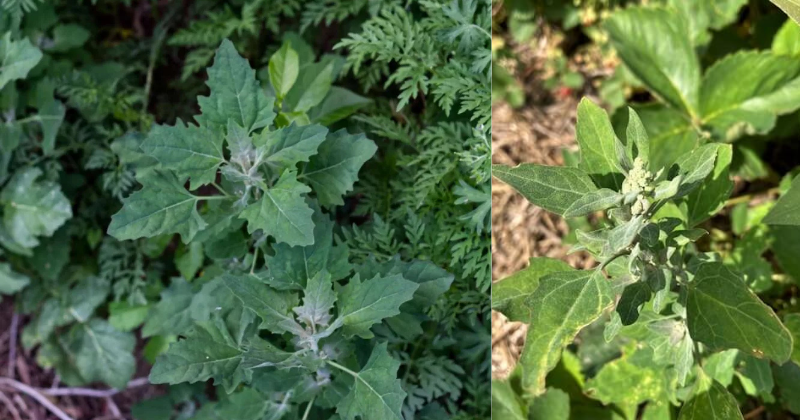
Lamb’s quarters, scientifically known as Chenopodium album, represents one of nature’s most nutritionally dense yet widely overlooked edible plants. This wild leafy green, often dismissed as a common weed, surpasses cultivated spinach in several key nutrients while offering exceptional adaptability and sustainability as a food source.
Botanical Classification and Global Distribution
Lamb’s quarters belongs to the Amaranthaceae family, closely related to quinoa and amaranth. This annual herbaceous plant exhibits remarkable cosmopolitan distribution, thriving across temperate and subtropical regions on every continent except Antarctica. The species demonstrates exceptional ecological plasticity, colonizing disturbed soils, agricultural margins, and urban environments with equal success.
The plant’s morphological characteristics include diamond-shaped leaves with a distinctive mealy-white coating on younger foliage, caused by specialized bladder cells called trichomes. These structures serve protective functions against environmental stress while contributing to the plant’s taxonomic identification. Mature specimens typically reach heights between 30 and 150 centimeters, displaying branched stems that transition from green to reddish-purple as the growing season progresses.
Historical evidence indicates that lamb’s quarters served as a significant food crop for pre-Columbian North American civilizations. Archaeological excavations have recovered carbonized seeds from sites dating back thousands of years, suggesting deliberate cultivation practices. European agricultural societies similarly valued this plant before the widespread adoption of modern cultivated vegetables.
Nutritional Composition and Comparative Analysis
The nutritional profile of lamb’s quarters reveals concentrations of essential micronutrients that frequently exceed those found in commercially grown spinach. Fresh lamb’s quarters leaves contain approximately 4.2 grams of protein per 100 grams of raw material, compared to spinach’s 2.9 grams. This protein content includes all nine essential amino acids, though not in optimal ratios for human nutrition without complementary food sources.
Vitamin A content in lamb’s quarters reaches approximately 11,600 International Units per 100 grams, substantially higher than spinach’s already impressive levels. This fat-soluble vitamin exists primarily as beta-carotene and other carotenoid precursors, requiring dietary fats for optimal absorption. The implications for visual health, immune function, and cellular differentiation processes remain significant, particularly in populations with limited access to diverse vegetable sources.
Calcium bioavailability presents a more complex nutritional consideration. While lamb’s quarters contains between 309 and 450 milligrams of calcium per 100 grams depending on growing conditions, the simultaneous presence of oxalic acid compromises absorption efficiency. However, the calcium-to-oxalate ratio in lamb’s quarters appears more favorable than in spinach, potentially offering superior net calcium availability. Brief blanching in boiling water reduces oxalate content by approximately 30 to 50 percent, improving mineral bioavailability without substantial nutrient loss.
The iron concentration in lamb’s quarters ranges from 1.2 to 4.2 milligrams per 100 grams, with significant variation based on soil composition and plant maturity. This non-heme iron source requires vitamin C for enhanced absorption, which lamb’s quarters provides in concentrations approaching 80 milligrams per 100 grams in fresh leaves. This synergistic relationship within the plant matrix facilitates superior iron uptake compared to isolated supplement forms.

Phytochemical Constituents and Biological Activity
Beyond basic macronutrients and vitamins, lamb’s quarters synthesizes diverse secondary metabolites with demonstrated biological activities. Flavonoid compounds, including quercetin, kaempferol, and various glycosidic derivatives, contribute antioxidant properties that neutralize reactive oxygen species. These polyphenolic structures interrupt free radical chain reactions through electron donation mechanisms, potentially reducing oxidative stress markers in human tissues.
Betalain pigments, characteristic of the Amaranthaceae family, accumulate in lamb’s quarters stems and occasionally in leaf veins. These nitrogen-containing chromophores exhibit both antioxidant and anti-inflammatory properties in laboratory assays. Betacyanins and betaxanthins demonstrate protective effects against lipid peroxidation in cell membrane models, though human bioavailability studies remain limited.
Saponin compounds present in lamb’s quarters seeds and, to a lesser extent, in leaves warrant consideration for both beneficial and potentially adverse effects. These glycosidic molecules interact with cell membranes and may influence cholesterol metabolism through mechanisms involving bile acid binding and micelle formation disruption. Traditional food preparation methods, including fermentation and prolonged cooking, reduce saponin content while preserving other nutritional components.
The plant’s omega-3 fatty acid content, primarily in the form of alpha-linolenic acid, deserves recognition despite the relatively small absolute quantities present. Lamb’s quarters seeds contain approximately 30 percent oil by weight, with alpha-linolenic acid comprising 30 to 35 percent of total fatty acids. While leaves contain minimal fat, the favorable omega-3 to omega-6 ratio contributes to the plant’s overall nutritional profile.
Cultivation Practices and Ecological Considerations
Lamb’s quarters requires minimal agricultural inputs, thriving in marginal soils with nitrogen levels that would limit many cultivated crops. The plant’s C3 photosynthetic pathway, while less water-efficient than C4 species, functions effectively under temperate climate conditions. Germination occurs rapidly at soil temperatures above 10 degrees Celsius, with seedlings emerging within 5 to 10 days under adequate moisture conditions.
The species’ classification as a weed in conventional agriculture stems from competitive interactions with desired crops rather than inherent undesirability. Lamb’s quarters exhibits rapid growth rates during early developmental stages, potentially reducing yields of slower-establishing vegetables through resource competition. However, this characteristic becomes advantageous in permaculture systems and polyculture designs where multiple species coexist productively.
Nutrient accumulation patterns in lamb’s quarters demonstrate the plant’s function as a dynamic accumulator, drawing minerals from deeper soil horizons and concentrating them in aboveground tissues. This property makes lamb’s quarters valuable in soil remediation contexts and as a component in composting systems. The biomass returns substantial organic matter and mineral content to soil ecosystems upon decomposition.
Harvest timing significantly influences both yield and nutritional quality. Young leaves collected before flowering provide optimal tenderness and nutrient density, while allowing continued growth from basal meristems. Plants harvested at the 15 to 25 centimeter height stage regrow vigorously, permitting multiple cuttings throughout the growing season. Post-flowering leaves develop increased fiber content and more pronounced flavor characteristics that some consumers find less palatable.
Culinary Applications and Preparation Methods
The culinary versatility of lamb’s quarters extends across diverse preparation methods, from raw consumption in salads to incorporation into cooked dishes. Young leaves and tender shoot tips provide mild, spinach-like flavor profiles with subtle earthy undertones. Older leaves develop more pronounced mineral notes and slightly bitter characteristics that complement savory preparations.
Blanching represents the most common preliminary treatment, serving multiple functions including oxalate reduction, volume decrease, and color preservation. Immersion in boiling water for 30 to 90 seconds followed by immediate cooling in ice water sets chlorophyll pigments while maintaining structural integrity. This process facilitates subsequent cooking applications or direct consumption with minimal texture degradation.
Sautéing lamb’s quarters with aromatic vegetables and healthy fats creates nutrient-dense side dishes requiring only minutes of preparation time. The addition of garlic, onions, or shallots provides flavor complexity while sulfur compounds in alliums may enhance certain phytochemical bioavailability. Olive oil or other lipid sources improve absorption of fat-soluble vitamins present in the greens.
Incorporation into soups, stews, and grain-based dishes allows lamb’s quarters to contribute both nutritional value and textural interest. The leaves wilt similarly to spinach when exposed to heat and liquid, integrating seamlessly into established recipes. Traditional preparations in various cultures include additions to lentil dal, bean soups, and rice-based porridges where the greens provide color contrast and nutritional enhancement.
Seeds of lamb’s quarters, though labor-intensive to harvest and process, offer cooking applications comparable to quinoa or amaranth. The small grains require thorough washing to remove saponins, followed by boiling or steaming until tender. The resulting product provides a complete protein source with nutty flavor characteristics suitable for porridges, pilafs, or flour production after grinding.
Safety Considerations and Contraindications
While lamb’s quarters presents minimal toxicity concerns for most individuals, several factors warrant consideration for specific populations. The oxalic acid content, though reduced through cooking, remains relevant for individuals prone to calcium oxalate kidney stones. Those with established renal calculi or predisposition to kidney stone formation should moderate consumption and ensure adequate hydration.
Nitrate accumulation in lamb’s quarters varies substantially based on nitrogen availability in soil and environmental conditions. Plants grown in highly fertilized environments or during periods of reduced sunlight may concentrate nitrates to levels exceeding 5,000 parts per million in fresh tissue. While healthy adults metabolize dietary nitrates efficiently, infants under six months lack fully developed enzymatic systems for nitrate processing, making lamb’s quarters inappropriate for this age group.
Photosensitization reactions have been documented in livestock consuming large quantities of lamb’s quarters, mediated by saponin compounds and other photodynamic substances. Human cases remain extremely rare, but individuals with known photosensitivity conditions should introduce the plant gradually while monitoring for adverse reactions. Symptoms would include enhanced sunburn susceptibility or skin reactions following sun exposure.
Cross-contamination with genuinely toxic plant species represents a more significant concern than inherent toxicity in lamb’s quarters itself. Novice foragers must develop confident identification skills before consuming wild-harvested greens. Several poisonous plants occupy similar habitats, and misidentification could result in serious health consequences. Consultation with experienced foragers or botanical references provides essential risk mitigation.
Environmental Sustainability and Food Security Implications
The ecological footprint of lamb’s quarters as a food source compares favorably with resource-intensive cultivated vegetables. The plant’s ability to thrive without irrigation in many climates, combined with minimal pest pressure and zero pesticide requirements, positions it as a model for sustainable food production. Carbon sequestration during rapid growth periods contributes marginal but positive effects on atmospheric greenhouse gas concentrations.
Food security applications for lamb’s quarters extend beyond nutritional content to include accessibility and economic considerations. The plant’s voluntary emergence in agricultural settings and urban environments provides free food resources for communities with limited economic means. Knowledge dissemination regarding identification and preparation methods could address nutritional deficiencies in food-insecure populations without requiring technological interventions or capital investments.
Integration into urban agriculture and edible landscaping initiatives offers pathways for mainstream acceptance of lamb’s quarters as a vegetable crop. The plant’s aesthetic qualities during early growth stages rival ornamental selections, while providing edible yields from spaces typically devoted to non-productive plantings. Rooftop gardens, vertical growing systems, and community gardens represent suitable environments for lamb’s quarters cultivation with minimal modification to existing infrastructure.
Climate change resilience characteristics inherent to lamb’s quarters include heat tolerance, drought resistance once established, and rapid maturation cycles that allow cultivation between extreme weather events. As traditional crop species face increasing environmental stress, diverse food plants with broad adaptive ranges provide insurance against agricultural system failures. The genetic diversity within Chenopodium album populations suggests potential for selective breeding programs targeting specific traits favorable for human consumption.
Research Directions and Knowledge Gaps
Scientific investigation into lamb’s quarters as a functional food remains relatively limited compared to commercially significant crops. Controlled human intervention studies examining bioavailability of specific nutrients from lamb’s quarters, metabolic effects of regular consumption, and optimal preparation methods for nutrient retention would provide valuable evidence for nutritional recommendations. Such research would clarify the plant’s role in disease prevention and health optimization strategies.
Phytochemical characterization using advanced analytical techniques could identify novel bioactive compounds with pharmaceutical or nutraceutical applications. Mass spectrometry, nuclear magnetic resonance spectroscopy, and other molecular analysis methods might reveal previously unrecognized constituents contributing to the plant’s traditional use in folk medicine systems. Isolation and structure elucidation of these molecules could inform drug discovery efforts or functional food development.
Agricultural optimization studies addressing yield improvement, pest resistance breeding, and post-harvest handling would facilitate commercial production systems. While lamb’s quarters grows prolifically under low-input conditions, systematic variety selection and agronomic refinement could enhance production efficiency and market viability. Comparative trials evaluating different accessions for traits including leaf size, growth rate, and oxalate content would accelerate domestication processes.
Lamb’s quarters represents a convergence of nutritional excellence, ecological sustainability, and cultural heritage that contemporary food systems have largely overlooked. The plant’s superior nutrient density relative to cultivated alternatives, combined with minimal production requirements, positions it as a valuable component of diversified diets. Whether foraged from wild populations or intentionally cultivated, this resilient species offers practical solutions to nutritional challenges while requiring substantially fewer resources than conventional vegetable crops. Recognition of lamb’s quarters’ potential extends beyond individual health benefits to encompass broader implications for food security, agricultural sustainability, and biodiversity preservation in managed ecosystems.
Disclaimer: This article is for informational purposes only and is not a substitute for professional advice.
Source: United States Department of Agriculture (USDA) National Nutrient Database and Agricultural Research Service publications on wild edible plants and their nutritional composition.