
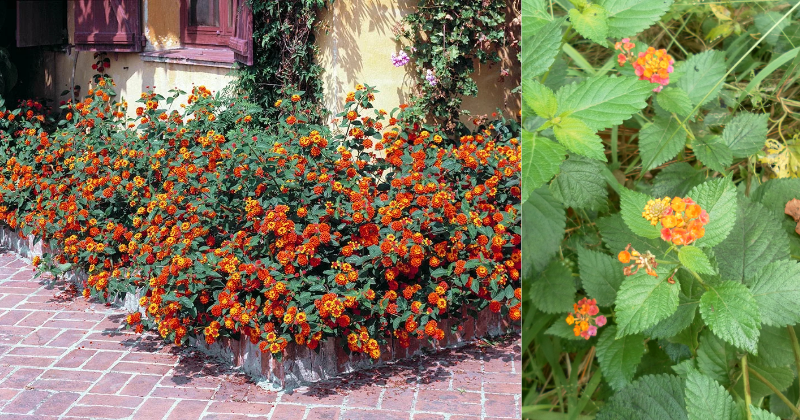
Common lantana (Lantana camara) is a versatile flowering shrub with surprising practical applications for home gardeners, from natural pest control to ornamental landscaping, though proper handling is essential due to its toxic properties.
Understanding Lantana camara: Botanical Profile and Distribution
Lantana camara belongs to the Verbenaceae family and represents one of the most widespread ornamental species in subtropical and tropical regions worldwide. This perennial shrub exhibits remarkable morphological plasticity, typically reaching heights between 0.5 to 2 meters in cultivated conditions, though feral populations can grow considerably larger. The plant produces distinctive flower clusters (umbels) that display a characteristic color transition, shifting from yellow or pink to orange and red as they mature—a phenomenon resulting from anthocyanin accumulation in response to pollination status.
Native to Central and South America, lantana has naturalized across diverse ecosystems spanning five continents. Its remarkable adaptability stems from physiological mechanisms including C3 photosynthetic efficiency, drought tolerance through sclerophyllous leaf adaptations, and allelopathic compound production that inhibits competing vegetation. The species demonstrates considerable genetic diversity, with over 650 recognized varieties exhibiting variations in growth habit, flower coloration, and cold hardiness characteristics.
Ornamental Applications in Controlled Garden Settings
For home gardeners working within appropriate climate zones (USDA hardiness zones 8-11), lantana offers substantial ornamental value when cultivated responsibly. The plant excels in xeriscaping applications, requiring minimal irrigation once established—typically 2-3 centimeters of water weekly during active growth periods. This drought resilience derives from deep taproot development and epicuticular wax layers that reduce transpirational water loss.
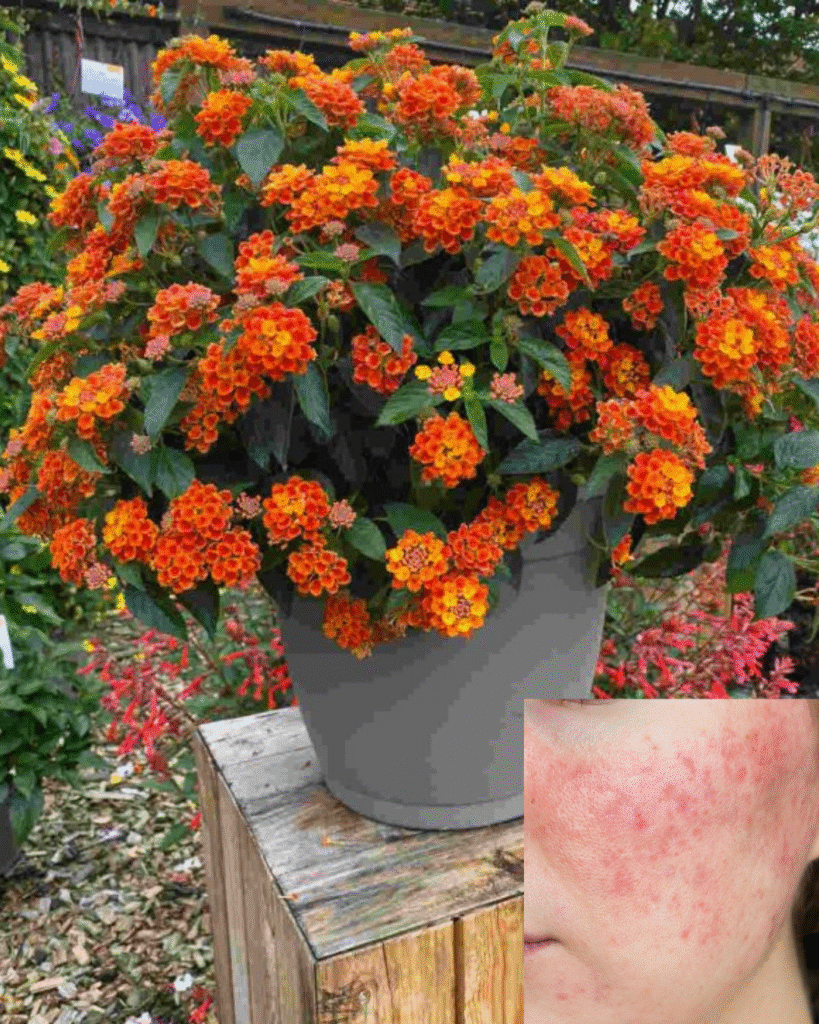
Container cultivation represents the most manageable approach for home applications. Using pots with minimum diameters of 30 centimeters allows adequate root development while maintaining spatial control. Well-draining substrate compositions—such as 40% perlite, 30% peat moss, and 30% loam—prevent root rot while supporting the vigorous growth characteristic of this species. Strategic placement in full sun exposure (minimum 6-8 hours direct sunlight daily) maximizes flowering density and promotes compact growth morphology.
Pruning protocols should emphasize containment rather than elimination. Regular tip pruning during the growing season stimulates lateral branching and prevents excessive vertical extension. Remove approximately one-third of terminal growth every 4-6 weeks, cutting just above leaf nodes to encourage bushier architecture. This maintenance approach simultaneously manages size and enhances floral display density.
Natural Pest Deterrent Properties and Ecological Functions
Lantana produces a complex array of secondary metabolites that function as natural pest deterrents in garden ecosystems. The plant synthesizes pentacyclic triterpenoids, particularly lantadene A and B, alongside numerous volatile organic compounds including caryophyllene and germacrene derivatives. These phytochemicals create an olfactory barrier that repels various arthropod herbivores including aphids, whiteflies, and certain beetle species.
Strategic interplanting with susceptible vegetables or ornamentals may provide protective benefits through spatial association. Research indicates that lantana’s volatile emissions can mask host plant signals that insects use for location, though efficacy varies considerably depending on wind patterns, humidity levels, and target pest species. Position lantana specimens approximately 1-2 meters from vulnerable plants to maximize this companion effect while avoiding competitive root interactions.
The flowers attract beneficial pollinators including butterflies (particularly swallowtails and fritillaries), bees, and hummingbirds in appropriate geographic regions. This makes lantana valuable for supporting pollinator populations in urban and suburban landscapes where natural habitat has declined. However, this attractant property requires careful consideration regarding placement—avoid positioning near high-traffic areas where stinging insects might create safety concerns.
Biomass Management and Composting Considerations
Proper disposal of lantana prunings presents specific challenges due to the plant’s toxicity profile and regenerative capacity. Fresh plant material contains active concentrations of hepatotoxic compounds that persist through initial decomposition stages. Never incorporate raw lantana trimmings into standard compost systems intended for vegetable garden applications, as toxin residues may contaminate finished compost.
For ornamental compost destined for non-edible landscaping, lantana material requires extended hot composting protocols. Maintain compost pile temperatures above 60°C for minimum durations of 3-4 weeks to ensure thorough decomposition of toxic compounds. Alternate lantana layers (maximum 15% by volume) with high-carbon materials like dried leaves or straw in 1:3 ratios to optimize decomposition kinetics. Turn piles weekly to sustain aerobic conditions and uniform heat distribution.
Alternatively, municipal green waste programs often accept lantana material, as industrial-scale composting facilities achieve temperatures and processing durations sufficient for complete toxin degradation. Contact local waste management authorities to verify acceptance policies. Some jurisdictions classify lantana as invasive waste requiring special handling protocols.
Safety Protocols and Toxicity Awareness
All lantana plant parts contain toxic principles, with unripe berries and foliage presenting the highest risk concentrations. The primary toxic agents—pentacyclic triterpenoids—cause hepatotoxicity and photosensitization in mammals through mechanisms involving cholestasis and secondary oxidative stress. Human poisoning cases, though relatively rare, have been documented particularly involving children who consumed the attractive berries.
Implement strict safety measures when handling lantana in home environments. Wear nitrile or latex gloves during all pruning and maintenance activities to prevent dermal exposure to plant sap, which can cause contact dermatitis in sensitive individuals. Position plants away from areas accessible to young children and pets—minimum setback distances of 2-3 meters from play areas provide appropriate buffers.
After handling lantana, wash hands thoroughly with soap and water, paying particular attention to areas beneath fingernails where plant residues may accumulate. Clean tools with dilute bleach solution (10% household bleach in water) to prevent cross-contamination with edible plants. Store pruned material in sealed containers pending proper disposal to prevent accidental exposure.
If ingestion occurs, contact poison control immediately. Symptoms typically manifest 2-4 hours post-exposure and may include gastrointestinal distress, lethargy, and in severe cases, jaundice indicating hepatic involvement. Veterinary attention should be sought promptly if pets show signs of lantana consumption.
Cultivation Techniques for Optimal Management
Successful lantana cultivation in controlled home settings requires understanding the species’ growth patterns and environmental requirements. Propagation typically occurs through semi-hardwood cuttings taken during late spring or early summer months. Select 10-15 centimeter terminal sections with 3-4 nodes, remove lower leaves, and apply rooting hormone containing 0.3% indole-3-butyric acid to cut ends. Insert cuttings into sterile propagation medium maintained at 21-24°C with consistent moisture levels.
Fertilization protocols should emphasize controlled nutrient delivery to prevent excessive vegetative growth. Apply balanced slow-release formulations (14-14-14 NPK ratios) at half the manufacturer’s recommended rate during the growing season. Excessive nitrogen promotes foliar growth at the expense of flowering and increases frost sensitivity in marginally hardy zones. Phosphorus and potassium support robust flower development and stress tolerance respectively.
Winter management in temperate regions requires either indoor relocation or sacrifice as annual plantings. For overwintering container specimens, transition plants indoors before first frost events. Maintain minimum temperatures of 10-13°C in locations with reduced but adequate light (south-facing windows or supplemental grow lights providing 4-6 hours illumination daily). Reduce irrigation frequency to monthly intervals, allowing substrate to dry substantially between waterings as the plant enters dormancy.
Invasive Species Considerations and Responsible Stewardship
Lantana camara ranks among the world’s 100 most invasive alien species according to the International Union for Conservation of Nature. In regions including Australia, South Africa, and tropical Pacific islands, escaped lantana forms impenetrable thickets that displace native vegetation, alter fire regimes, and reduce agricultural productivity. This invasive capacity results from high seed production (individual plants can produce 12,000 viable seeds annually), bird-mediated dispersal, and allelopathic suppression of competing species.
Before cultivating lantana, verify its legal status in your jurisdiction. Many regions prohibit importation, sale, or cultivation of this species due to its invasive potential. Where cultivation remains legal, implement stringent containment measures. Deadhead flowers before fruit development to prevent seed production entirely—this practice simultaneously extends the flowering period through prevention of reproductive senescence. Monitor surrounding areas for volunteer seedlings, removing them immediately upon detection.
Consider sterile cultivars where available, as breeding programs have developed varieties with reduced or eliminated seed production. Cultivars such as ‘New Gold’ and ‘Patriot Rainbow’ offer ornamental value with diminished invasive risk, though complete sterility verification requires ongoing monitoring. Even sterile varieties can spread vegetatively through stem fragments in tropical climates, necessitating vigilant management.
Alternative Applications and Creative Uses
Beyond traditional ornamental roles, lantana offers specialized applications for experienced gardeners willing to manage its characteristics carefully. The plant’s dense, thorny growth habit makes it suitable for living barriers in appropriate contexts—creating wildlife-deterrent hedges along property boundaries where invasive spread can be controlled. Maintenance-intensive but effective, such hedges require biweekly pruning during growing seasons and complete fruit removal.
Cut flower arrangements can incorporate lantana blooms, though handlers should exercise the same safety precautions applied during garden maintenance. Stems remain viable in water for 5-7 days if cut during morning hours and immediately placed in clean water. The color-changing flowers provide unique visual interest in floral compositions, though their modest vase life limits commercial cut flower applications.
Dried flower crafts represent another potential use, as lantana blooms retain structural integrity and partial coloration when desiccated. Harvest flower clusters at peak maturity, bundle stems with floral tape, and suspend inverted in dark, well-ventilated spaces for 2-3 weeks. The resulting dried material works in wreaths and arrangements intended purely for decorative purposes—never in items that might contact food or be accessible to children.
Environmental Context and Ecosystem Interactions
Understanding lantana’s ecological role provides context for responsible home cultivation. In its native range, specialized herbivores and natural enemies maintain population equilibrium, preventing the explosive growth characteristic of invasive populations. Outside these native contexts, lantana escapes typical regulatory mechanisms, achieving competitive dominance through multiple synergistic advantages.
The plant modifies soil chemistry through root exudates containing phenolic compounds and organic acids. These substances alter microbial community composition, nitrogen cycling rates, and pH gradients in the immediate rhizosphere. Such modifications can persist for months following lantana removal, potentially affecting subsequent plant establishment. Home gardeners removing lantana should anticipate 6-12 month recovery periods before expecting normal plant growth in affected soil volumes.
Climate change projections suggest expanded suitable habitat ranges for lantana, with models predicting poleward range extensions of 3-5 degrees latitude over coming decades. Rising minimum temperatures will enable overwintering in currently marginal zones, potentially transforming lantana from contained ornamental to persistent invasive in new regions. This trajectory emphasizes the importance of proactive management and consideration of long-term ecological consequences when introducing or maintaining lantana in home landscapes.
Lantana camara presents both opportunities and obligations for home gardeners. Its ornamental qualities, pollinator support, and pest deterrent properties offer genuine value in controlled applications. However, these benefits carry corresponding responsibilities regarding containment, safety, and ecological awareness. Successful integration requires commitment to ongoing management, realistic assessment of local invasive potential, and unwavering attention to toxicity concerns. For gardeners willing to invest this effort in appropriate contexts, lantana can function as a managed component of diverse home landscapes while minimizing associated risks.