
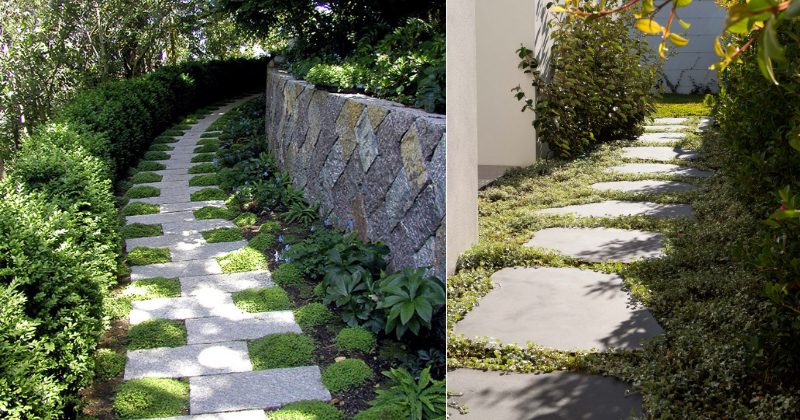
Transform the gaps between your paving stones into thriving micro-gardens by choosing the right growing medium and shade-tolerant plants that withstand foot traffic while adding natural beauty to your hardscape.
Understanding the Growing Medium: Sand vs. Soil
The choice between sand and soil for planting between pavers depends on your drainage conditions, climate, and the plants you intend to grow. Each medium presents distinct advantages and limitations that affect plant establishment and long-term survival.
Sand offers superior drainage characteristics, making it ideal for Mediterranean plants and succulents that prefer dry conditions. The granular structure prevents waterlogging and reduces the risk of root rot, particularly in areas with heavy rainfall or poor natural drainage. However, sand lacks organic matter and nutrients, requiring plants with minimal nutritional requirements or supplemental feeding during the establishment phase.
Soil-based mediums provide greater water retention and nutrient availability, supporting a broader range of plant species. A well-draining mix containing approximately 60% topsoil, 30% compost, and 10% coarse sand creates an optimal environment for most ground covers. This combination retains sufficient moisture during dry periods while preventing compaction that could impede root development.
In practice, many gardeners achieve best results with a hybrid approach: installing a thin sand base (approximately 2-3 cm) for drainage, topped with 5-7 cm of enriched soil mix. This stratified system accommodates plants with varying moisture preferences while maintaining the structural integrity of the paving.
Preparing the Gaps for Planting
Proper preparation of paving joints determines whether your plants will thrive or struggle. The width of gaps significantly influences both medium retention and plant selection—joints narrower than 2 cm limit root development, while wider gaps (5-10 cm) accommodate more robust species.
Begin by removing existing jointing material using a stiff brush or pressure washer set to moderate intensity. Avoid excessive pressure that might destabilize the paving stones. Once cleaned, assess the depth of the joints; ideal planting depth ranges from 5 to 10 cm, providing adequate root space without compromising paver stability.
For new installations, consider leaving irregular gaps of varying widths to create naturalistic planting pockets. These intentional spaces accommodate larger root systems and produce more visually interesting plantings than uniform narrow joints.
If your existing joints are filled with mortar or cement, creating planting spaces requires careful chiseling or cutting. Use a diamond-tipped grout saw to remove sections of hardened jointing material, working slowly to avoid cracking the pavers. This labor-intensive process yields rewarding results when completed thoughtfully.
Optimal Plants for Shaded Paving Gaps
Shaded areas between pavers present unique challenges: limited light, restricted root space, and occasional foot traffic. Successful plants for these conditions share common characteristics—low growth habits, tolerance for compression, and adaptation to reduced photosynthetic capacity.
Thymus serpyllum (creeping thyme) remains among the most versatile choices, despite preferring full sun, certain varieties tolerate partial shade reasonably well. The ‘Elfin’ cultivar maintains extremely compact growth (2-3 cm tall) and releases fragrant oils when stepped upon. In shaded conditions, flowering may be reduced but the foliage remains dense and attractive.
Soleirolia soleirolii (baby’s tears) thrives in shaded, moist environments where other plants struggle. This delicate ground cover forms dense mats of tiny rounded leaves, creating a lush carpet effect. However, it requires consistent moisture and may die back in hot, dry conditions or harsh winters below -5°C.
Sagina subulata (Irish moss) produces emerald-green cushions studded with small white flowers in late spring. Despite its common name, this plant is not a true moss but a flowering perennial that tolerates moderate foot traffic. It performs exceptionally well in cool, shaded locations with adequate moisture, though it may brown during extended drought periods.
Pratia pedunculata (blue star creeper) offers distinctive star-shaped blue flowers throughout the growing season. This vigorous spreader tolerates light to moderate shade and occasional trampling, though it requires more soil depth (at least 7 cm) than some alternatives. In optimal conditions, it may become invasive, requiring periodic management to prevent overgrowth into adjacent areas.
Leptinella squalida (brass buttons) provides unique bronze-tinted fern-like foliage that remains attractive year-round in mild climates. This New Zealand native tolerates partial shade and moderate foot traffic while requiring minimal maintenance once established. The finely divided leaves create interesting texture contrasts with surrounding paving materials.
Additional Shade-Tolerant Options
Acaena microphylla (New Zealand burr) produces bronzy-red foliage and distinctive spherical seed heads that add seasonal interest. This low-growing perennial spreads via stolons, gradually filling gaps without becoming aggressively invasive. It tolerates poor soil and requires minimal watering once established, though the burr-like seed heads may attach to clothing or pet fur.
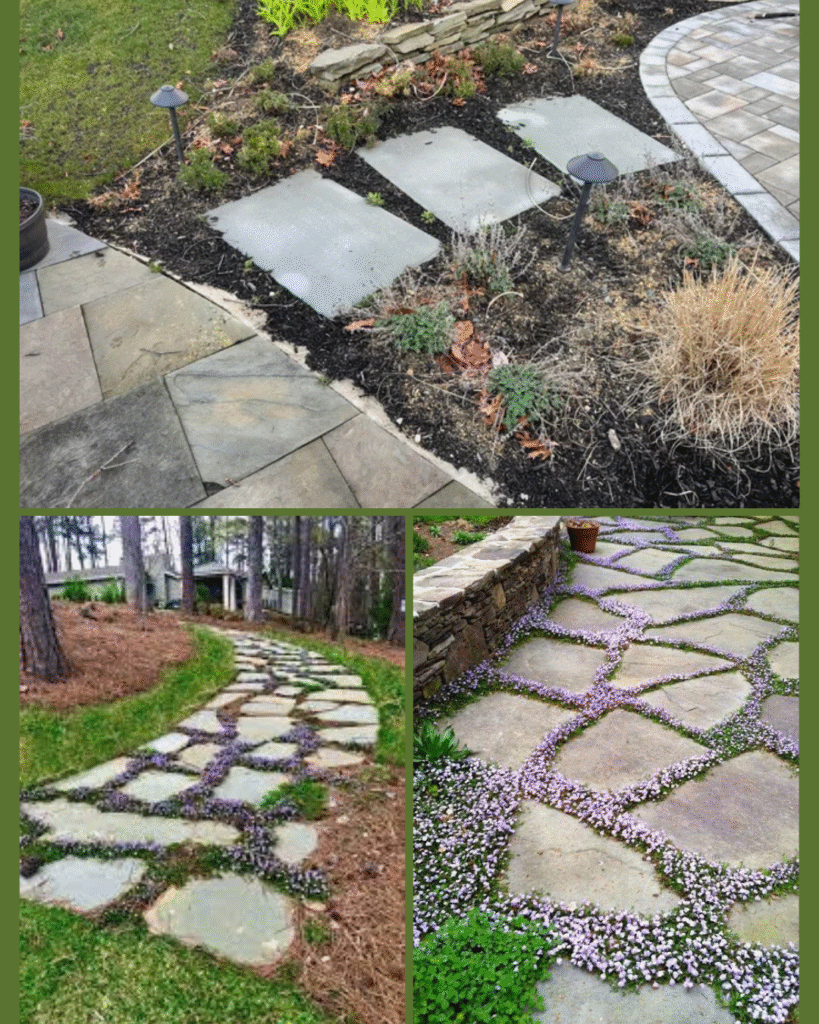
Mazus reptans displays delicate purple flowers with white and yellow markings, blooming profusely in spring and sporadically through summer. This moisture-loving plant performs well in consistently damp, shaded locations but may struggle in areas prone to drying out between waterings.
Sedum spurium varieties (particularly ‘Bronze Carpet’ and ‘Tricolor’) adapt to shade better than most sedums, though they prefer at least three to four hours of dappled light. These succulent ground covers require minimal soil depth (4-5 cm) and tolerate neglect, though growth remains more compact in reduced light conditions.
For deeply shaded areas with minimal foot traffic, consider Ajuga reptans (bugleweed), which produces attractive foliage rosettes in shades ranging from deep purple to variegated cream and green. While not ideal for high-traffic areas due to its slightly taller growth (8-12 cm), it fills shaded gaps efficiently and produces spikes of blue flowers in spring.
Planting Technique and Establishment
Successful establishment requires attention to timing, technique, and initial care. Spring and early autumn provide optimal planting windows when temperatures remain moderate and rainfall occurs more regularly, reducing irrigation demands during the critical establishment phase.
Begin by moistening the prepared growing medium thoroughly before planting. Divide mature plants into small sections with intact root systems rather than attempting to establish plants from seed, which proves unreliable in the confined space of paving joints. Each division should contain 3-5 shoots with attached roots for best results.
Create small planting holes using a narrow trowel or your fingers, ensuring roots spread naturally rather than circling within the confined space. Firm the soil gently around each plant to eliminate air pockets while avoiding excessive compaction that restricts root penetration.
Water newly planted gaps daily for the first two weeks, reducing frequency gradually as plants show signs of new growth. The restricted soil volume dries more rapidly than garden beds, requiring attentive moisture management until plants develop extensive root systems capable of accessing deeper moisture reserves.
Maintenance and Long-Term Care
Established plantings between pavers require considerably less maintenance than traditional garden beds, though they are not entirely carefree. During the first growing season, weekly watering during dry periods ensures plants develop robust root systems. Once established, most species tolerate moderate drought, though appearance suffers during extended dry spells.
Weeding proves essential during the establishment phase as unwanted species compete for limited resources. Hand-pulling remains the most effective approach in tight spaces where tools cannot operate effectively. Applying a thin layer (1-2 cm) of fine mulch around newly planted areas suppresses weed germination while retaining moisture, though this becomes less necessary as desired plants fill available space.
Annual topdressing with a thin layer of compost or quality soil mix (approximately 1 cm) replenishes nutrients leached by rainfall and irrigation. Apply this amendment in early spring before active growth begins, working it gently between established plants.
Some vigorous species may eventually overgrow their designated spaces, requiring periodic trimming to maintain defined edges. Use sharp scissors or hand pruners to cut back excessive growth rather than pulling, which risks dislodging plants or disturbing paver alignment.
Managing Common Challenges
Foot traffic patterns affect plant survival significantly. Areas receiving constant traffic struggle to support even the most resilient species, while locations crossed occasionally develop character from the interaction between plants and human activity. Observe traffic patterns for several weeks before planting, concentrating efforts in zones receiving light to moderate use.
Soil washout during heavy rainfall or aggressive watering removes growing medium from joints, exposing roots and destabilizing plants. Minimize this issue by watering gently with a fine spray rather than forceful streams, and by ensuring surrounding drainage directs water away from rather than through paved areas.
In regions experiencing harsh winters, some recommended species may suffer cold damage or die back completely. Select plants rated for your hardiness zone, and consider applying a light covering of evergreen branches over plantings in exposed locations during the coldest months.
Paving materials retaining significant heat (dark-colored stone or concrete in full sun) create challenging microclimates even in shaded joints, as radiant heat affects plant tissues. In these situations, prioritize heat-tolerant species and ensure adequate irrigation during hot weather to prevent desiccation.
Design Considerations and Visual Impact
Strategic planting transforms utilitarian paved surfaces into integrated landscape features that blend hardscape with living elements. Rather than treating all joints equally, concentrate plantings in clusters or patterns that create visual interest while leaving some gaps empty for contrast.
Mixing species with different foliage colors and textures produces more dynamic results than monoculture plantings. Combining the bronze tones of Leptinella with the bright green of Sagina and the blue-flowered Pratia creates a tapestry effect that remains interesting throughout the year.
Consider bloom timing when selecting multiple species, choosing plants that flower sequentially rather than simultaneously. This approach extends the period of visual interest and ensures some color presence throughout the growing season.
Edge plantings—where pavers meet lawn or garden beds—benefit from slightly taller species (8-12 cm) that create gradual transitions between distinct landscape zones. Reserve the lowest-growing options for joints experiencing regular foot traffic or located in central paved areas.
Environmental Benefits and Ecological Considerations
Planted paving joints provide ecological benefits beyond aesthetic improvement. Even small areas of living plant material contribute to local biodiversity, offering nectar sources for pollinators and habitat for beneficial insects. Flowering species like Thymus and Pratia attract bees, butterflies, and other pollinator species, supporting broader ecosystem health.
Planted joints improve water management by increasing pervious surface area, allowing rainfall to infiltrate soil rather than running off into storm drains. This modest increase in permeability reduces localized flooding and groundwater recharge compared to completely sealed paved surfaces.
The presence of living plants moderates surface temperatures through evapotranspiration, creating marginally cooler microclimates during hot weather. While the effect remains subtle given the limited planted area, it contributes to overall landscape heat mitigation strategies.
Planted pavers require no fuel-powered maintenance equipment, eliminating emissions associated with lawn mowing while reducing noise pollution. The minimal inputs required once established—no fertilizers, limited watering, occasional hand weeding—make these plantings among the most environmentally sustainable landscape elements.
Transforming the spaces between paving stones into productive planting zones requires initial effort and thoughtful plant selection, but rewards this investment with years of low-maintenance beauty. Whether you choose sand or soil depends on your specific conditions, but in shaded locations, the combination of appropriate growing medium and carefully selected plants creates resilient, attractive features that soften hardscapes while requiring minimal ongoing care.Réessayer