
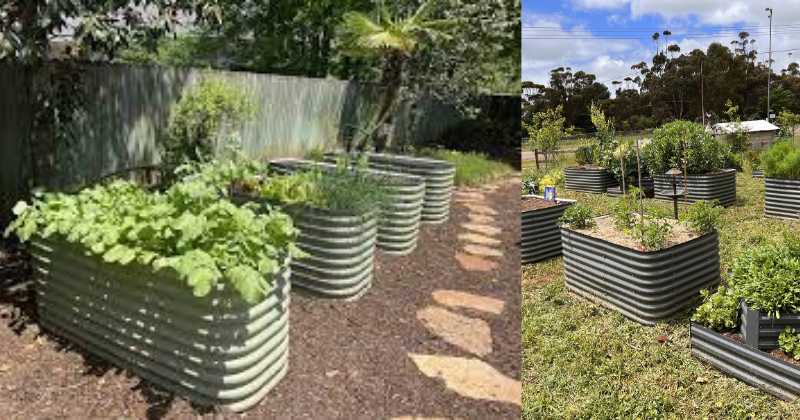
Raised garden beds transform challenging growing conditions into productive spaces by providing superior drainage, soil control, and ergonomic access while extending the growing season and reducing maintenance demands compared to traditional in-ground gardening methods.
The Structural Advantages of Elevated Growing Systems
Raised bed systems fundamentally alter the relationship between plants and their growing environment. By constructing contained planting areas above ground level—typically 15 to 30 centimeters in height—gardeners create distinct microclimates with controllable parameters. The elevated structure allows for complete replacement or amendment of native soil, addressing contamination concerns, poor drainage characteristics, or unfavorable pH levels that would otherwise require years of remediation.
The physical boundaries of raised beds prevent soil compaction from foot traffic, a persistent problem in traditional gardens where repeated walking compresses soil particles and reduces pore space essential for root penetration and oxygen exchange. In contained systems, gardeners access plants from designated pathways, preserving the friable soil structure that roots require for optimal development. This structural integrity persists throughout growing seasons without the cyclical tilling often necessary in ground-level plots.
Temperature regulation represents another measurable advantage. Soil in raised beds warms more rapidly in spring due to increased surface area exposure and improved drainage. Research from agricultural extension services indicates that elevated soil temperatures can advance planting dates by 10 to 14 days in temperate climates, effectively lengthening the productive season. The same principle applies during autumn, when retained warmth extends harvest periods for cold-sensitive crops.
Soil Quality Management and Root Zone Optimization
Control over growing medium composition stands as perhaps the most significant benefit of raised bed systems. Instead of adapting to whatever substrate exists on site, gardeners construct ideal growing environments from selected components. A typical high-performance mixture combines one-third compost, one-third coconut coir or peat moss, and one-third vermiculite or perlite, creating a balanced medium with appropriate drainage, moisture retention, and nutrient availability.
This customization proves particularly valuable in regions with heavy clay soils that drain poorly and warm slowly, or in areas with sandy soils that cannot retain moisture or nutrients effectively. In my own garden, the native soil contained approximately 60 percent clay with a pH of 7.8, conditions that limited vegetable production significantly. The raised beds filled with amended soil immediately supported robust tomato and pepper production that had failed repeatedly in ground-level attempts.
Drainage characteristics deserve specific attention. Waterlogged conditions cause root hypoxia—oxygen deprivation that inhibits cellular respiration and nutrient uptake. Raised beds eliminate standing water through gravitational drainage, provided the underlying surface allows percolation. Even during extended rainy periods, excess moisture moves through the growing medium rather than accumulating around root systems. This becomes critical for plants sensitive to fungal pathogens that proliferate in saturated conditions.
The defined growing volume also simplifies nutrient management. Fertilizers and amendments remain concentrated within the bed rather than dispersing into surrounding areas. This targeted application reduces input costs while improving uptake efficiency. Soil testing becomes more meaningful when samples represent the actual growing environment rather than averaging across variable terrain.
Ergonomic Considerations and Physical Accessibility
The physical design of raised beds reduces strain on joints and muscles during routine maintenance activities. Bending, kneeling, and stooping—movements that characterize traditional gardening—contribute to lower back pain, knee stress, and general fatigue that can limit gardening enjoyment or participation entirely. Elevating the planting surface by 60 to 90 centimeters brings work to waist height, allowing gardeners to maintain neutral spine positions during weeding, harvesting, and planting operations.
This ergonomic advantage extends gardening participation to individuals with mobility limitations who might otherwise find ground-level cultivation impossible. Wheelchair users can access beds designed to appropriate heights, while those with arthritis or joint replacements avoid painful floor-level positions. The democratization of gardening through accessible design represents a social benefit beyond simple convenience.
Pathway width between beds affects accessibility as well. Adequate spacing—typically 60 to 90 centimeters—accommodates wheelchairs, garden carts, and comfortable passage while working. Narrower paths create bottlenecks that complicate harvest and maintenance, while excessive width wastes valuable growing area. The optimal configuration balances accessibility with space efficiency based on individual mobility requirements and equipment dimensions.
Pest Management and Physical Barriers
Elevated growing surfaces complicate access routes for certain garden pests. Slugs and snails, which move across ground surfaces via muscular contractions of their foot, encounter vertical barriers that slow migration into beds. While not impenetrable, the combination of height and dry wooden surfaces creates less favorable conditions than ground-level approaches through moist mulch or soil.
Installation of hardware cloth or galvanized mesh beneath beds excludes burrowing rodents—voles, gophers, and ground squirrels—that tunnel beneath traditional gardens to access roots and bulbs from below. This one-time installation during construction provides lasting protection without ongoing intervention. In areas with significant rodent pressure, this feature alone can determine whether certain crops survive to maturity.
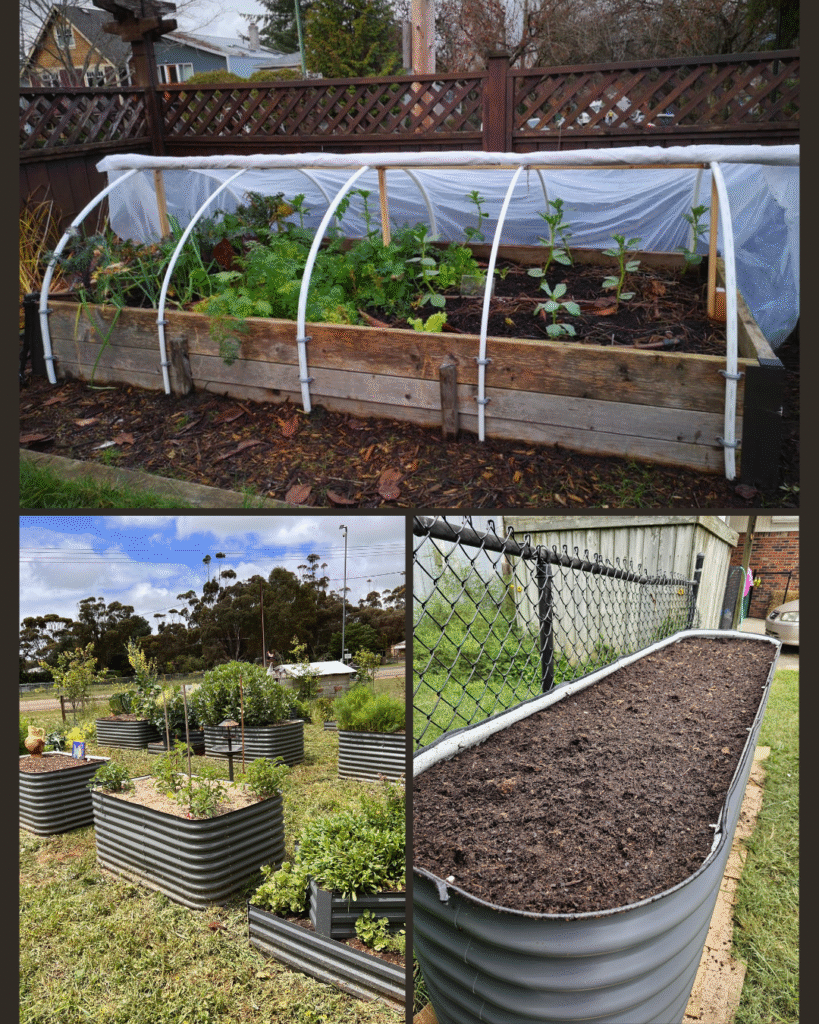
The defined bed edges also simplify installation of protective structures. Hoops for row covers, netting frames for bird exclusion, or temporary greenhouse tunnels attach directly to bed walls, creating stable support systems for season extension or pest barriers. These modifications would require free-standing frames in ground-level gardens, increasing complexity and cost.
Water Management and Irrigation Efficiency
The contained volume of raised beds allows precise irrigation targeting. Drip systems or soaker hoses deliver water directly to root zones with minimal evaporative loss or runoff. Because bed dimensions remain constant, irrigation design becomes straightforward—calculating volume, flow rates, and emitter spacing for rectangular containers proves simpler than accommodating irregular garden shapes.
Water retention characteristics improve through media selection. The recommended mixture of compost, coir, and perlite maintains consistent moisture availability between irrigation events while preventing saturation. Plants experience neither drought stress from rapid drainage nor root damage from waterlogging. This buffering capacity reduces irrigation frequency compared to sandy native soils while avoiding the slow percolation of clay.
In my specific application, irrigation frequency decreased from daily watering in ground-level clay to every three days in raised beds despite higher summer temperatures at the elevated surface. The improved drainage paradoxically enhanced moisture retention by supporting healthy root development that accessed a larger soil volume. Shallow roots in compacted clay accessed only surface moisture, requiring constant replenishment.
Season Extension Capabilities
Raised bed construction facilitates season extension techniques that would prove impractical in traditional gardens. The defined perimeter provides attachment points for hoop houses, cold frames, or protective covers that trap heat and exclude frost. A simple structure of PVC hoops covered with 6-mil polyethylene extends spring planting by three weeks and autumn harvest by four weeks in USDA Zone 5 climates, according to university extension trials.
The elevated soil profile contributes to earlier warming through increased surface-to-volume ratio and improved drainage that eliminates standing water from snowmelt. Spring soil preparation can begin weeks earlier than ground-level plots, where compacted, saturated conditions prevent cultivation. This timing advantage compounds throughout the season, as earlier planting produces earlier harvest, which allows succession planting for additional yields.
Winter preparation also simplifies in raised systems. Rather than managing an entire garden area, growers can cover individual beds with mulch, plant cover crops, or install protective structures based on specific crop requirements. This modularity allows experimentation with different overwintering techniques simultaneously—testing winter hardiness of perennials in one bed while resting another with a legume cover crop.
Long-Term Maintenance and System Durability
Material selection for bed construction affects longevity and maintenance requirements. Untreated cedar or redwood contains natural rot-resistant compounds that extend serviceable life to 10-15 years without chemical treatment. Composite lumber manufactured from recycled plastic and wood fiber offers similar durability with reduced environmental impact compared to pressure-treated pine containing chemical preservatives.
Metal beds fabricated from galvanized steel or aluminum provide decades of service with minimal degradation. These materials resist biological decomposition entirely, though thermal conductivity may create temperature fluctuations more extreme than wooden alternatives. Corrugated metal stock tanks, originally designed for livestock watering, function effectively as raised beds when drainage holes are added, combining durability with availability in rural areas.
The contained soil volume simplifies crop rotation planning. Moving plant families between beds on a three or four-year cycle disrupts pathogen and pest life cycles that build in monoculture situations. This systematic rotation proves easier to implement than tracking planting locations across an open garden space where boundaries shift and previous positions become ambiguous.
Economic Analysis and Return on Investment
Initial construction costs for raised bed systems exceed the negligible expense of tilling existing ground, but this comparison ignores ongoing inputs required to maintain productive in-ground plots. Soil amendment, repeated tilling, and irrigation infrastructure represent recurring expenses that compound over seasons. Raised beds concentrate these investments in initial construction, after which maintenance costs decrease significantly.
A standard 120 x 240 centimeter bed constructed from cedar lumber costs approximately $80-120 in materials, depending on regional pricing and lumber dimensions. This same bed, filled with quality growing medium at $40 per cubic meter, requires an additional $60-80 for initial soil. The total investment of $140-200 per bed produces yields that, in vegetable production, can return this cost within two seasons through reduced grocery purchases.
The calculation shifts further when considering water conservation. Precise irrigation reduces consumption by 30-50 percent compared to overhead sprinkler systems used in traditional gardens. In regions with metered water or drought restrictions, this efficiency represents tangible savings beyond increased crop success. The concentrated growing area also reduces time spent on maintenance—fewer weeds, easier access, and simplified harvest procedures—representing an economic return through preserved leisure time.
Aesthetic Integration and Landscape Design
Beyond functional advantages, raised beds contribute structured visual elements to landscape design. The geometric forms create organization within outdoor spaces, delineating zones for different purposes—vegetable production, herb cultivation, or perennial displays. The vertical dimension adds architectural interest to flat terrain while providing opportunities for cascading plants or edge plantings that soften rigid lines.
Material selection affects aesthetic integration with existing structures. Wooden beds complement traditional architecture while metal systems suit contemporary designs. Stone or brick raised beds, though more expensive and labor-intensive during construction, create permanent garden features with substantial visual presence. The investment in aesthetically appropriate materials enhances property value beyond the productive capacity of the beds themselves.
The defined edges also contain mulch and prevent the spilling of growing media into lawn or pathway areas. This containment creates clean boundaries that simplify mowing and reduce maintenance at garden margins. In my own application, the transition from scattered ground-level plots to organized raised bed systems transformed a cluttered garden area into an intentional design element that enhanced overall property presentation.
Site Flexibility and Installation Options
Raised bed systems adapt to challenging site conditions where traditional gardening proves impossible. Sloped terrain, contaminated soil, or locations with shallow bedrock all become viable growing areas when beds provide a self-contained root zone. This flexibility expands productive space without extensive site work—grading, soil removal, or hardpan breaking—that would otherwise precede garden establishment.
Urban environments with limited yard space benefit particularly from raised bed efficiency. The intensive planting possible in quality growing media produces higher yields per square meter than traditional row spacing. Vertical growing on bed edges or trellises attached to bed structures further maximizes production in constrained areas. This space efficiency proves essential for city gardeners working with small lots or rental properties where landscape modification options remain limited.
Impermanent installations represent another advantage. Unlike in-ground gardens that commit space to long-term production, raised beds allow removal or relocation with moderate effort. This flexibility matters for renters, those anticipating property changes, or gardeners experimenting with layout optimization. The modular nature of individual beds supports incremental expansion as experience, interest, or available resources grow.
Adaptation to Climate Challenges
Regional climate variations influence how raised beds perform relative to traditional gardens. In arid environments, the elevated surface increases evaporative water loss from soil surfaces and requires more attentive irrigation management. However, the ability to amend soil with moisture-retaining materials like coir or compost often compensates for this disadvantage while supporting plant health that would struggle in native conditions.
Conversely, in humid regions with excessive rainfall, the superior drainage of raised beds prevents the waterlogged conditions that cause root diseases and nutrient leaching. The investment in bed construction essentially purchases insurance against the unpredictable precipitation patterns that challenge ground-level production. This reliability proves particularly valuable as climate instability increases precipitation variability.
Cold climate applications benefit from earlier spring warming and the feasibility of season extension structures. The combination allows cool-season crop production that would fail in slow-warming ground-level plots. Heat-loving crops like tomatoes, peppers, and eggplants also perform better in raised beds where soil reaches optimal root zone temperatures faster and maintains warmth during cool nights.
The decision to implement raised bed systems rather than continuing traditional ground-level gardening fundamentally changed productivity, enjoyment, and the range of crops achievable in my specific growing conditions. While initial investment exceeded simply tilling existing soil, the cumulative advantages—soil control, drainage improvement, ergonomic access, pest management, and season extension—delivered returns that justified the expense within the first growing season. The system scales appropriately from single-bed trials to complete garden conversions, allowing experimentation before full commitment. For gardeners facing soil limitations, physical accessibility concerns, or simply seeking optimized production, raised beds represent a practical solution supported by both horticultural science and demonstrated field performance.