
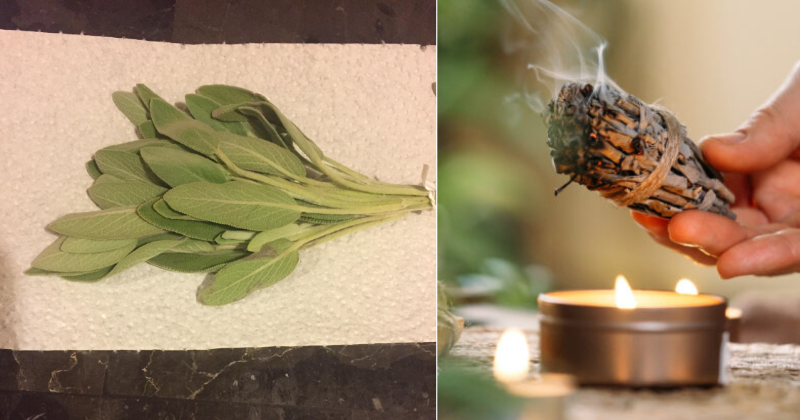
Burning sage, a practice known as smudging, has been used for centuries across various cultures as a ritualistic method to cleanse spaces, purify energy, and promote spiritual well-being. Today, this ancient tradition has gained renewed attention in wellness communities, with proponents claiming benefits ranging from improved air quality to enhanced mental clarity. But what does scientific evidence reveal about these traditional practices, and which benefits hold up to empirical scrutiny?
Historical and Cultural Foundations of Sage Burning
The practice of burning sage originates primarily from Indigenous North American traditions, where white sage (Salvia apiana) served ceremonial and medicinal purposes for thousands of years. Native American tribes including the Lakota, Chumash, and Cahumilla peoples incorporated smudging into spiritual ceremonies, healing rituals, and community gatherings. The smoke was believed to carry prayers to the spiritual realm while simultaneously cleansing individuals and spaces of negative influences.
Beyond North America, similar practices exist globally. In Ayurvedic medicine, burning herbs for purification represents a fundamental practice dating back over 3,000 years. European traditions utilized garden sage (Salvia officinalis) for medicinal fumigation during medieval times, particularly during plague outbreaks. These cross-cultural applications suggest a universal human recognition of smoke’s transformative properties, whether interpreted through spiritual, medicinal, or practical frameworks.
The etymology of « sage » itself derives from the Latin « salvare, » meaning « to heal » or « to save, » reflecting the plant’s historical association with health and protection. This linguistic connection underscores how deeply embedded sage has been in healing traditions across civilizations.
Chemical Composition and Antimicrobial Properties
White sage contains numerous bioactive compounds that contribute to its distinctive aroma and potential therapeutic effects. The primary constituents include thujone, camphor, 1,8-cineole, and various monoterpenes and diterpenes. These volatile organic compounds are released when sage leaves undergo combustion, creating the characteristic smoke associated with smudging practices.
Research published in the Journal of Ethnopharmacology has demonstrated that burning medicinal herbs, including sage, can reduce airborne bacterial populations. A 2007 study showed that smoke from medicinal herbs could clear airborne bacteria by over 94% in enclosed spaces, with effects lasting up to 24 hours. The antibacterial properties appear to result from the aerosolization of antimicrobial compounds during combustion, which then interact with bacterial cell membranes and metabolic processes.
The compound thujone exhibits documented antimicrobial activity against various pathogens, including Staphylococcus aureus and Escherichia coli. Similarly, 1,8-cineole demonstrates antifungal properties and may contribute to respiratory health when inhaled in moderate quantities. However, these compounds also carry considerations regarding safe exposure levels, as thujone in high concentrations can be neurotoxic.
Air Purification: Separating Evidence from Assumption
The claim that sage burning purifies air requires nuanced examination. While studies confirm that medicinal smoke can temporarily reduce airborne bacterial concentrations, this differs substantially from comprehensively « purifying » air in the sense of removing pollutants, allergens, or improving overall air quality metrics.
The 2007 ethnopharmacological research demonstrated specific reductions in bacterial colony counts following smoke exposure, but these experiments occurred under controlled laboratory conditions with specific bacterial species. Real-world environments contain complex mixtures of microorganisms, particulate matter, volatile organic compounds from various sources, and other air quality factors that sage smoke does not necessarily address.
Furthermore, burning any organic material produces particulate matter and carbon monoxide, which are themselves air pollutants. The smoke from sage contains fine particulate matter (PM2.5) that can irritate respiratory systems, particularly in individuals with asthma, chronic obstructive pulmonary disease, or other respiratory sensitivities. The temporary antimicrobial effect must be weighed against potential irritation from smoke exposure.
For genuine air purification focused on removing pollutants, allergens, and improving indoor air quality, mechanical filtration systems with HEPA filters and activated carbon provide more consistent and measurable results without introducing additional particulates.
Psychological and Neurological Effects
The ritualistic aspects of sage burning may contribute significantly to reported benefits through psychological and neurological mechanisms. Ritual practices provide structure, intention-setting opportunities, and mindfulness moments that can reduce stress and anxiety independent of the specific substance being burned.
The olfactory system connects directly to the limbic system, the brain region governing emotions and memory. Distinctive scents can trigger powerful psychological responses through associative learning and neurochemical pathways. If an individual associates sage’s aroma with calmness, spiritual practice, or positive experiences, encountering that scent can activate corresponding emotional states through conditioned responses.
Some research suggests that compounds in sage, particularly 1,8-cineole, may influence cognitive function. Studies examining rosemary (which shares similar chemical constituents with sage) have found that exposure to 1,8-cineole correlates with improved memory performance and alertness. These effects appear to result from the compound’s ability to inhibit acetylcholinesterase, an enzyme that breaks down the neurotransmitter acetylcholine, which plays crucial roles in learning and memory.
The intentional practice of smudging—the deliberate movement through space, the focused attention on purification, and the mindful breathing—creates what psychologists term a « ritual affordance. » These structured practices can reduce rumination, provide a sense of control, and facilitate transitions between different mental states or activities. The sage itself may be less important than the ritualistic framework it enables.
Traditional Medicinal Applications
Beyond smudging, sage has been employed medicinally across cultures for various conditions. Garden sage (Salvia officinalis) contains compounds with documented therapeutic properties, though most research focuses on oral consumption rather than smoke inhalation.
Sage extracts demonstrate anti-inflammatory, antioxidant, and neuroprotective properties in laboratory studies. The rosmarinic acid and carnosic acid present in sage exhibit free radical scavenging abilities that may protect cells from oxidative stress. Some clinical trials have examined oral sage preparations for conditions including menopausal symptoms, cognitive decline, and blood sugar regulation, with preliminary positive findings that warrant further investigation.
Traditional practices also utilized sage topically for wound healing and as an antimicrobial wash. The tannins and phenolic compounds in sage possess astringent properties that may promote tissue repair and reduce microbial colonization in wounds. However, these applications differ substantially from burning sage and inhaling smoke.
Cultural Appropriation and Ethical Considerations
The commercialization and mainstream adoption of sage burning raises important questions about cultural appropriation, particularly concerning white sage and Indigenous practices. White sage faces overharvesting in its native habitats due to increased commercial demand, threatening wild populations and disrupting ecosystems where it serves as a crucial species.
Many Indigenous communities have expressed concerns about non-Native individuals and companies commodifying sacred practices without understanding their cultural context or supporting Indigenous communities. Smudging represents not merely a wellness trend but a spiritual practice embedded in complex cultural systems, protocols, and beliefs that cannot be separated from their origins without losing essential meaning.
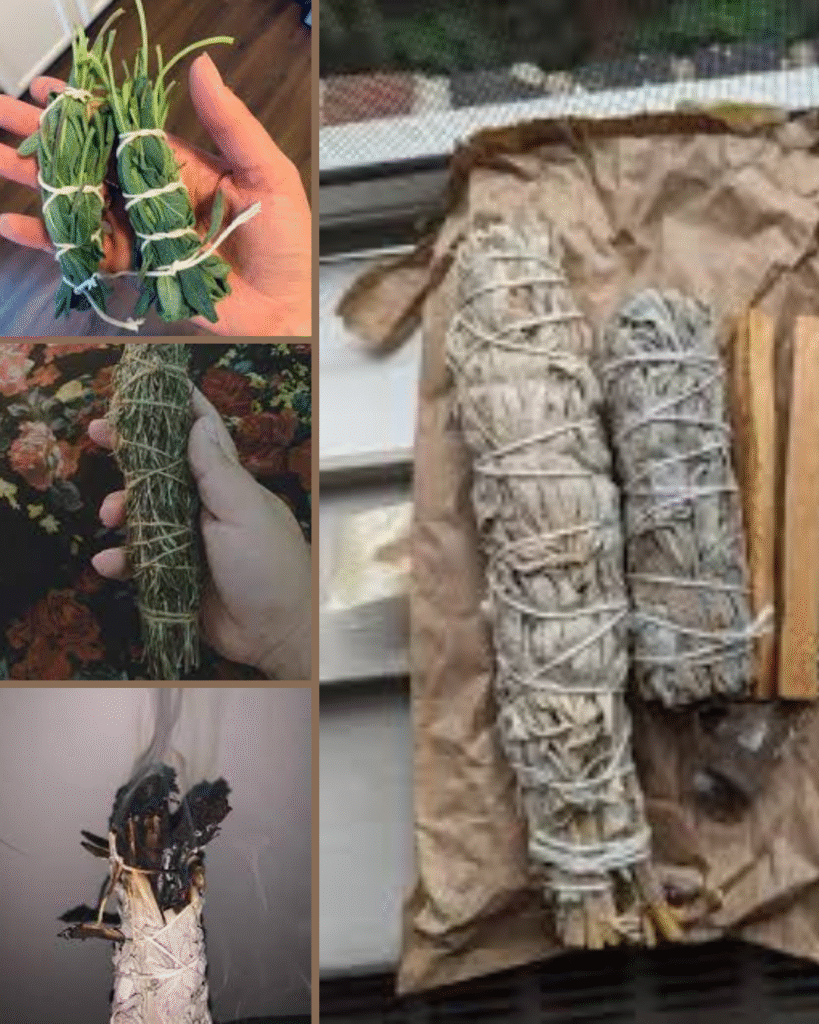
Ethical engagement with sage burning for those outside Indigenous traditions might include purchasing cultivated rather than wild-harvested sage, supporting Indigenous-owned businesses, educating oneself about the practice’s cultural significance, and considering alternative herbs from one’s own cultural heritage. Garden sage, rosemary, lavender, and other herbs can provide similar aromatic experiences without the same appropriation concerns or ecological impacts.
Practical Considerations for Safe Use
For individuals who choose to burn sage, several practical considerations can minimize risks while maximizing potential benefits. Adequate ventilation is essential to prevent smoke accumulation and reduce particulate matter exposure. Opening windows and ensuring airflow helps disperse smoke while maintaining air quality.
Individuals with respiratory conditions, pregnant people, and young children should exercise caution with any smoke exposure. The particulate matter and volatile compounds released during combustion can trigger respiratory irritation, exacerbate asthma, or cause other adverse reactions in sensitive individuals.
Using a fire-safe container, never leaving burning sage unattended, and completely extinguishing the bundle after use prevents fire hazards. Smoke detectors should remain functional and unobstructed during smudging practices.
The quality and source of sage matters significantly. Organically cultivated sage from reputable suppliers reduces exposure to pesticides and supports sustainable harvesting practices. Wild-harvested white sage should be avoided both for ecological conservation and to respect Indigenous practices and resources.
Alternative Practices and Comparative Approaches
For individuals seeking the benefits associated with sage burning without smoke exposure or cultural appropriation concerns, several alternatives exist. Essential oil diffusers can disperse aromatic compounds without combustion, eliminating particulate matter while providing olfactory stimulation. Sage, lavender, eucalyptus, and other essential oils offer various scent profiles with their own chemical constituents.
Hydrosols—the water-based byproducts of essential oil distillation—can be sprayed in spaces to provide subtle aromatic effects without smoke. These products contain trace amounts of the plant’s volatile compounds dissolved in water, offering a gentler alternative to burning or concentrated essential oils.
Ritual practices themselves can be adapted to individual preferences and cultural backgrounds. Creating intentional moments for reflection, space clearing through physical cleaning, or incorporating meaningful objects and practices from one’s own heritage can provide similar psychological benefits without specific reliance on sage.
For those specifically interested in antimicrobial air treatment, UV-C light systems, HEPA filtration, and proper ventilation provide evidence-based approaches to reducing airborne pathogens without smoke exposure or the limitations of temporary effects.
The Intersection of Tradition and Evidence
The practice of burning sage exists at the fascinating intersection of traditional knowledge, cultural practice, and contemporary scientific inquiry. While some claimed benefits receive support from research—particularly the temporary reduction of airborne bacteria and the psychological effects of ritual practices—others remain unsubstantiated or oversimplified in popular discourse.
The antimicrobial properties of sage smoke represent a genuine phenomenon documented in peer-reviewed research, though the practical significance of this effect in everyday settings requires contextualization. The reduction in bacterial populations occurs temporarily and in enclosed spaces, with effects diminishing as new microorganisms enter the environment through normal air exchange and human activity.
The « energy clearing » and « spiritual purification » aspects of smudging cannot be evaluated through conventional scientific frameworks, as these concepts exist within cultural and spiritual paradigms that don’t translate directly to empirical measurement. This doesn’t invalidate the subjective experiences reported by practitioners, but rather highlights the limitations of applying reductionist scientific analysis to practices embedded in holistic cultural systems.
The value of sage burning may ultimately reside less in specific measurable outcomes and more in its capacity to create meaningful ritual experiences, provide olfactory enjoyment, and maintain cultural connections for those within traditions where smudging holds significance.
Disclaimer: This article is for informational purposes only and is not a substitute for professional advice.
Source: Journal of Ethnopharmacology, peer-reviewed research on medicinal smoke and antimicrobial properties; National Center for Complementary and Integrative Health (NCCIH), part of the U.S. National Institutes of Health, for information on herbal medicine research and safety considerations.