
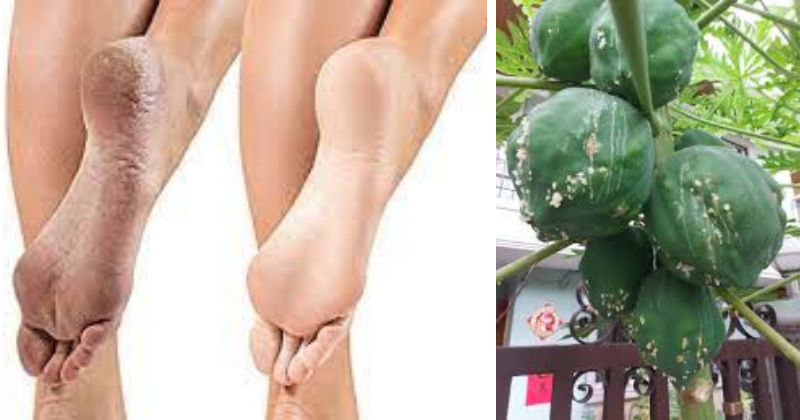
Papaya sap, the milky latex extracted from unripe papaya fruit and leaves, contains proteolytic enzymes that can soften hardened skin and accelerate healing of cracked heels through keratolytic action. This traditional remedy offers a cost-effective alternative to commercial treatments, though its efficacy depends on proper application and understanding of its biochemical properties.
Understanding the Biochemical Composition of Papaya Latex
The white, viscous fluid that exudes from unripe papaya (Carica papaya) contains a complex mixture of cysteine proteases, primarily papain, chymopapain, caricain, and glycyl endopeptidase. These enzymes constitute approximately 2-3% of the fresh latex by weight, with papain representing the most abundant fraction at roughly 50-60% of total protein content.
Papain demonstrates optimal catalytic activity at pH ranges between 5.0 and 7.0, which corresponds closely to the slightly acidic surface pH of human skin (typically 4.5-6.0). This biochemical compatibility explains the enzyme’s effectiveness in dermatological applications. The proteolytic mechanism involves hydrolysis of peptide bonds in keratinized tissue, specifically targeting the disulfide linkages that maintain the rigid structure of hyperkeratotic skin.
Beyond enzymatic proteins, papaya latex contains alkaloids (carpaine and pseudocarpaine), organic acids, lipids, and mineral elements including calcium, magnesium, and potassium. These secondary metabolites contribute antimicrobial and anti-inflammatory properties that complement the primary keratolytic action.
Pathophysiology of Cracked Heels and Therapeutic Rationale
Cracked heels, clinically termed heel fissures, develop through a multifactorial process involving biomechanical stress, moisture depletion, and excessive keratinocyte proliferation. The plantar surface of the heel bears substantial weight-bearing forces during ambulation, creating lateral expansion of the fat pad beneath the calcaneus. When the overlying skin lacks adequate elasticity due to xerosis or hyperkeratosis, these mechanical stresses produce vertical fissures in the epidermis and potentially into the dermis.
The stratum corneum on the heel typically measures 40-50 cell layers thick, compared to 15-20 layers on other body regions. In pathological hyperkeratosis, this can increase to 80-100 layers, forming rigid, inflexible plaques. The proteolytic enzymes in papaya sap selectively digest these excessive keratin accumulations without significantly affecting viable tissue beneath, as living cells possess protective mechanisms against enzymatic degradation that dead keratinized cells lack.
Chronic fissuring creates entry points for bacterial colonization, particularly Staphylococcus aureus and Streptococcus pyogenes. The antimicrobial peptides and benzyl isothiocyanate compounds in papaya latex demonstrate inhibitory activity against these organisms, providing a secondary therapeutic benefit beyond mechanical debridement.
Extraction and Preparation Methodology
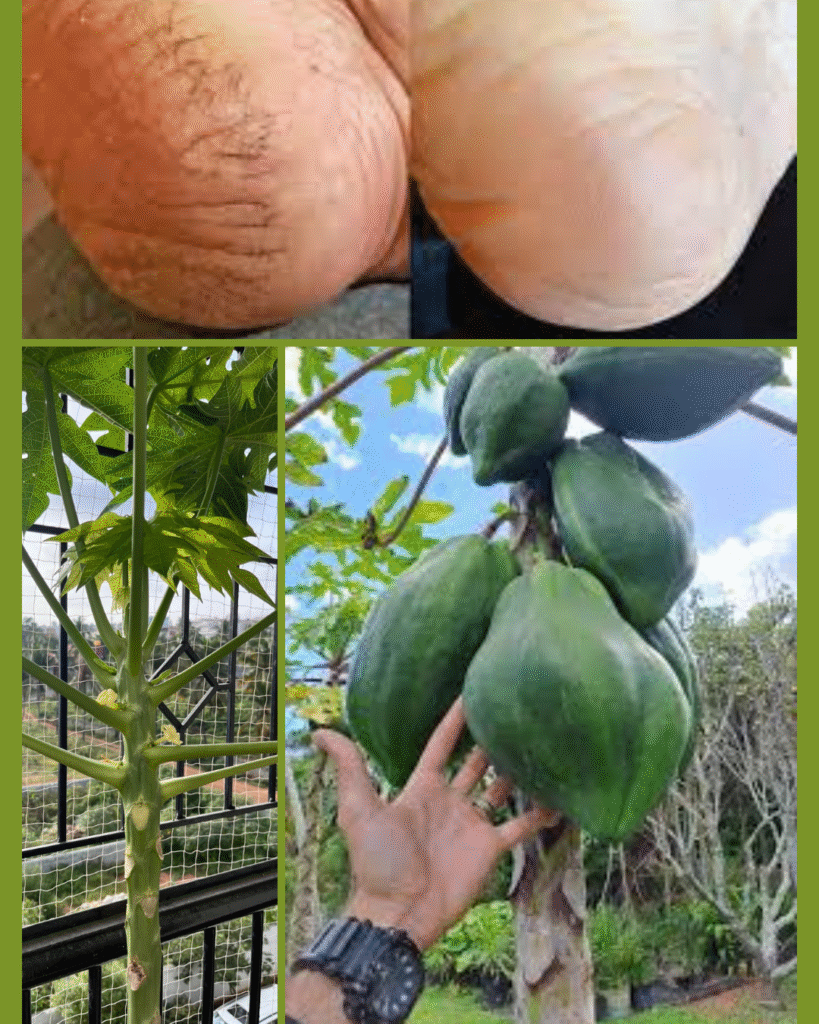
Optimal latex extraction requires unripe papaya fruit at approximately 60-70% maturity, when enzyme concentration peaks. The collection process involves making shallow longitudinal incisions (2-3 mm depth) in the fruit’s epidermis using a sterile blade. The latex flows freely for 10-15 minutes following incision, yielding approximately 3-5 ml per fruit depending on size and variety.
Fresh latex maintains maximum enzymatic activity, though it can be preserved for short periods through specific techniques. Refrigeration at 4°C extends viability to 48-72 hours. Some traditional preparations involve mixing fresh latex with small quantities of coconut oil or aloe vera gel, which serves dual purposes: diluting the potentially irritating concentrated enzymes and providing additional emollient properties. A typical therapeutic dilution uses one part fresh latex to two parts carrier substance.
The latex oxidizes rapidly upon air exposure, transitioning from white to yellowish-brown due to polyphenol oxidase activity. While this discoloration doesn’t eliminate therapeutic properties, it indicates declining enzyme potency. Fresh, white latex demonstrates superior efficacy compared to oxidized preparations.
Application Protocol and Treatment Parameters
Effective treatment requires systematic preparation of the affected area before latex application. Initial cleansing with warm water and mild soap removes surface debris and microorganisms. A 10-minute warm water soak further hydrates the stratum corneum, enhancing enzymatic penetration. The temperature should remain between 38-40°C to increase tissue permeability without causing thermal damage.
Following thorough drying, apply a thin layer of diluted papaya latex directly to the cracked areas and surrounding hyperkeratotic tissue. Avoid application to actively bleeding fissures or inflamed tissue, as the proteolytic enzymes may cause excessive irritation on compromised tissue. The application should extend approximately 1-2 cm beyond the visible hyperkeratosis to address subclinical thickening.
Treatment duration typically ranges from 15-20 minutes for initial applications, potentially extending to 30 minutes as tolerance develops. During this period, a mild tingling sensation indicates active enzymatic activity. Excessive burning or stinging suggests over-concentration and necessitates immediate removal and thorough rinsing.
Following the treatment period, rinse thoroughly with lukewarm water and apply a neutral moisturizer containing urea (10-20%), glycerin, or ceramides to maintain hydration. Treatment frequency of 2-3 times weekly generally produces visible improvement within 2-3 weeks, though severe hyperkeratosis may require 4-6 weeks of consistent application.
Observed Clinical Effects and Healing Progression
Initial applications typically produce visible softening of hyperkeratotic tissue within 24-48 hours. The rigid, whitish-yellow callused tissue gradually transitions to a more pliable, slightly translucent appearance as excessive keratin layers are enzymatically degraded. Dead skin often begins to peel in small flakes rather than large sheets, indicating controlled, superficial exfoliation rather than aggressive removal.
By the second week of consistent treatment, fissure depth typically decreases by approximately 30-40%. The sharp, defined edges of cracks become more rounded and less pronounced. This progression indicates epithelial migration and collagen deposition in the dermal layer, fundamental processes in wound healing.
Complete resolution of mild to moderate fissures generally occurs within 4-6 weeks, though deep fissures extending into the dermis may require 8-10 weeks. Factors influencing healing velocity include fissure severity, underlying health conditions (diabetes, thyroid disorders, nutritional deficiencies), and concurrent preventive measures such as proper footwear and regular moisturization.
Some individuals report unexpected benefits including reduced foot odor, likely attributable to the latex’s antimicrobial properties reducing bacterial colonization in skin crevices. The proteolytic action may also digest bacterial biofilms that contribute to malodor.
Safety Considerations and Contraindications
Papaya latex contains allergens that can trigger reactions in sensitized individuals. Latex allergy affects approximately 1-2% of the general population, with higher prevalence among healthcare workers and individuals with food allergies to banana, avocado, kiwi, or chestnut due to cross-reactive proteins. An initial patch test on a small area of the forearm for 30 minutes can identify sensitivity before full application.
The proteolytic enzymes can cause excessive irritation on actively inflamed or infected tissue. Signs of infection including purulent discharge, spreading erythema, warmth, or systemic symptoms (fever, chills) constitute absolute contraindications to treatment. These conditions require medical evaluation and potentially systemic antibiotic therapy.
Individuals with diabetes mellitus warrant particular caution. Diabetic neuropathy reduces protective sensation, potentially allowing excessive tissue damage before pain signals prompt treatment cessation. Additionally, compromised microvascular circulation in diabetic patients slows healing and increases infection risk. These patients should consult healthcare providers before implementing any foot treatment regimen.
Pregnant women should exercise caution, as papaya latex contains compounds that may stimulate uterine contractions when absorbed systemically, though topical application to limited skin areas likely poses minimal risk. The abundance of caution suggests alternative treatments during pregnancy.
Comparative Analysis with Conventional Treatments
Commercial keratolytic preparations predominantly contain salicylic acid (5-40%), urea (10-40%), or alpha-hydroxy acids (lactic acid, glycolic acid). These agents function through distinct biochemical mechanisms compared to enzymatic proteolysis.
Salicylic acid works by dissolving the intercellular cement that binds corneocytes together, causing desquamation. It demonstrates slower onset compared to enzymatic treatment but offers more predictable, controlled action. Urea acts as both a humectant and keratolytic agent, disrupting hydrogen bonds in keratin structure while simultaneously attracting water molecules to hydrate tissue.
Papaya latex offers specific advantages including lower cost, accessibility in tropical regions where papaya grows abundantly, and the combination of proteolytic, antimicrobial, and anti-inflammatory properties in a single natural product. However, it presents disadvantages including variable potency between different fruits and preparation batches, shorter shelf life, and higher allergenic potential compared to purified pharmaceutical compounds.
Professional treatments such as mechanical debridement with sterile scalpels or callus removers provide immediate reduction of hyperkeratotic tissue but require skilled practitioners and don’t address underlying proliferative processes. The enzymatic approach offers gentler, gradual improvement with lower risk of inadvertent tissue damage when properly applied.
Adjunctive Measures and Preventive Strategies
Successful management of cracked heels extends beyond topical treatments to address contributing factors. Appropriate footwear plays a crucial role; open-back shoes and sandals allow lateral fat pad expansion and increase pressure on heel periphery, promoting fissure development. Enclosed shoes with cushioned insoles distribute pressure more evenly across the plantar surface.
Systemic hydration significantly impacts skin moisture content. Daily fluid intake of approximately 2-3 liters maintains adequate tissue hydration, though individual requirements vary based on climate, activity level, and metabolic factors. Essential fatty acid intake, particularly omega-3 and omega-6 fatty acids, supports skin barrier function by providing structural components for ceramide synthesis in the stratum corneum.
Regular mechanical exfoliation using pumice stone or foot files removes accumulating dead tissue before excessive buildup occurs. This should be performed on damp, not dry, skin to prevent microfissures. Following exfoliation, immediate moisturizer application while skin remains slightly damp maximizes absorption through partially open corneocyte junctions.
Nutritional factors warrant consideration in recurrent cases. Zinc deficiency impairs keratinocyte proliferation and wound healing. Vitamin A deficiency causes abnormal keratinization patterns. B-complex vitamins, particularly biotin and niacin, contribute to healthy skin structure. While papaya sap addresses existing damage, nutritional optimization prevents recurrence.
Limitations of Current Evidence and Research Gaps
Despite traditional use spanning centuries across tropical cultures, rigorous clinical investigation of papaya latex for cracked heels remains limited. Most available evidence consists of in vitro studies demonstrating enzymatic activity on isolated keratin substrates, small-scale observational studies, and anecdotal reports. Large, randomized controlled trials comparing papaya latex to standard treatments are notably absent from the scientific literature.
The variability in latex composition between different papaya cultivars, maturation stages, and growing conditions complicates standardization. Studies have documented papain concentration variations of 200-300% between fruits from different regions, making dose-response relationships difficult to establish. This inconsistency presents obstacles for both research standardization and clinical application optimization.
Long-term safety data particularly regarding repeated exposure over months or years remains sparse. While acute adverse effects appear minimal in most users, the potential for cumulative skin changes, sensitization development, or systemic absorption effects with prolonged use hasn’t been systematically evaluated.
The precise molecular mechanisms by which papaya enzymes interact with pathologically thickened versus normal skin require further elucidation. Understanding these selective mechanisms could inform development of optimized application protocols and potentially inspire synthetic keratolytic agents with improved specificity.
Practical Considerations for Implementation
Those attempting this treatment should maintain realistic expectations regarding outcomes and timelines. Severe, chronic hyperkeratosis developed over years cannot be completely reversed in weeks. The treatment addresses symptoms rather than underlying systemic causes when present (thyroid dysfunction, diabetes, circulatory disorders, nutritional deficiencies).
Documentation through periodic photographs helps objectively assess progress, as gradual changes may not be subjectively apparent. Measuring fissure depth using sterile probes or noting reduction in pain during ambulation provides quantifiable outcome measures.
If improvement plateaus or symptoms worsen despite consistent application, professional evaluation becomes necessary. Persistent heel fissures may indicate underlying conditions requiring medical management. Dermatologists can perform diagnostic testing for fungal infections, psoriasis, or other dermatologic conditions that mimic simple hyperkeratosis.
The treatment integrates well into existing foot care routines. Many individuals find evening application most convenient, allowing overnight action of moisturizers applied post-treatment. Wearing cotton socks following moisturizer application enhances absorption and prevents transfer to bedding.
Disclaimer: This article is for informational purposes only and is not a substitute for professional advice.
Source: Journal of Ethnopharmacology (studies on proteolytic enzymes in Carica papaya); American Podiatric Medical Association (guidelines on heel fissure management)