
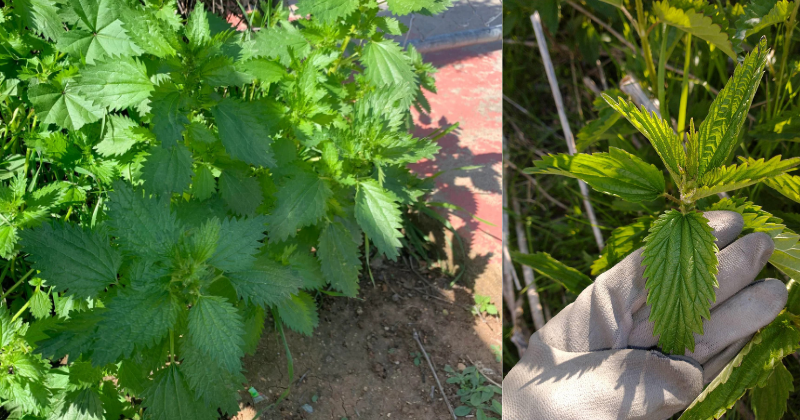
Urtica dioica, commonly known as stinging nettle, offers remarkable anti-inflammatory properties that have been scientifically validated for managing joint pain, arthritis, and chronic inflammatory conditions through multiple biochemical pathways.
Botanical Classification and Phytochemical Profile
Urtica dioica belongs to the Urticaceae family and grows prolifically across temperate regions of Europe, Asia, and North America. The plant’s therapeutic potential resides primarily in its leaves and roots, which contain a complex array of bioactive compounds including flavonoids, phenolic acids, lignans, and specific proteins with immunomodulatory functions.
The phytochemical composition reveals high concentrations of quercetin, kaempferol, and isorhamnetin—flavonoids recognized for their capacity to inhibit cyclooxygenase and lipoxygenase enzymes involved in prostaglandin synthesis. Additionally, the presence of caffeic acid, chlorogenic acid, and scopoletin contributes to the plant’s multifaceted anti-inflammatory mechanisms. The root extract contains polysaccharides and lectins that demonstrate selective binding to immune cell receptors, modulating inflammatory cascades at the cellular level.
Mineral analysis shows significant amounts of silica, iron, calcium, and magnesium, with silica concentrations reaching approximately 1-4% of dry weight in mature leaves. This mineral profile supports connective tissue integrity and may contribute indirectly to joint health maintenance through collagen synthesis optimization.
Molecular Mechanisms of Anti-Inflammatory Action
The therapeutic efficacy of Urtica dioica in inflammatory conditions operates through several concurrent pathways. Research has demonstrated that nettle extracts suppress nuclear factor kappa B (NF-κB) activation, a transcription factor central to inflammatory gene expression. By preventing NF-κB translocation to the nucleus, nettle constituents reduce production of pro-inflammatory cytokines including tumor necrosis factor-alpha (TNF-α), interleukin-1 beta (IL-1β), and interleukin-6 (IL-6).
Laboratory studies have isolated specific nettle agglutinin proteins that bind to toll-like receptors on macrophages and dendritic cells, altering their activation patterns and subsequent cytokine release profiles. This interaction appears particularly relevant in conditions like rheumatoid arthritis, where dysregulated immune responses drive joint destruction.
The plant’s flavonoid components demonstrate dose-dependent inhibition of mast cell degranulation and histamine release, mechanisms directly relevant to acute inflammatory responses and pain perception. Quercetin specifically has shown capacity to stabilize lysosomal membranes, preventing the release of hydrolytic enzymes that contribute to tissue damage in arthritic joints.
Interestingly, clinical observations suggest that topical application of fresh nettle leaves—despite the initial stinging sensation from histamine and formic acid in the trichomes—may produce counterirritant effects that temporarily override pain signals from arthritic joints. This phenomenon, while seemingly paradoxical, aligns with gate control theory of pain modulation.
Clinical Evidence for Arthritis Management
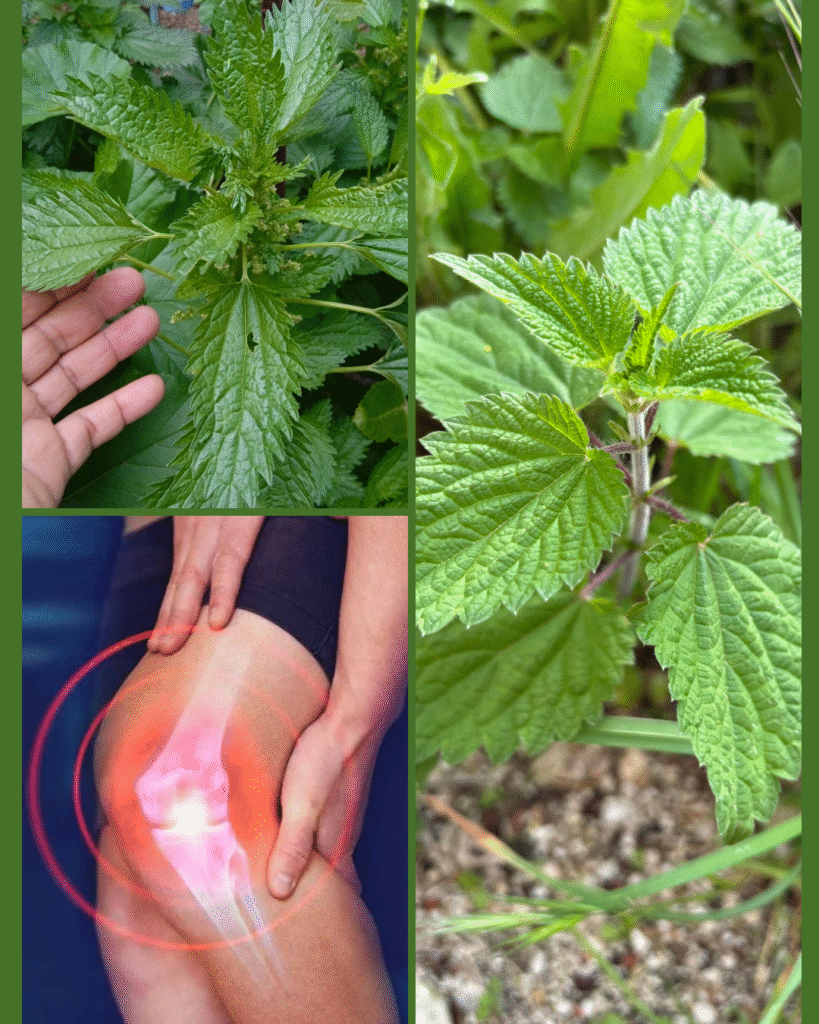
Controlled clinical trials have evaluated nettle preparations in various arthritic conditions with encouraging results. A randomized study involving patients with knee osteoarthritis found that topical nettle cream applied twice daily for two weeks produced statistically significant reductions in pain scores compared to placebo, with effects comparable to conventional NSAIDs but without gastrointestinal side effects.
In rheumatoid arthritis populations, oral supplementation with standardized nettle leaf extract (600-1340 mg daily) over twelve weeks demonstrated measurable improvements in Disease Activity Score parameters, including reduced joint tenderness, decreased morning stiffness duration, and improved grip strength. Notably, several studies documented that patients could reduce their conventional medication dosages when combining nettle supplementation with standard therapy, though discontinuation of prescribed treatments should only occur under medical supervision.
Research examining synovial fluid from arthritis patients treated with nettle extracts revealed reduced concentrations of matrix metalloproteinases—enzymes responsible for cartilage degradation in osteoarthritis. This finding suggests potential disease-modifying effects beyond mere symptom relief, though long-term studies are necessary to confirm cartilage preservation.
Comparative trials between nettle and conventional treatments like diclofenac have shown that while pharmaceutical agents produce more rapid pain reduction, nettle demonstrates superior safety profiles with minimal adverse effects reported even during extended use periods. The combination approach, termed « NSAID-sparing » therapy, has gained attention for potentially reducing cumulative exposure to synthetic drugs while maintaining therapeutic benefits.
Preparation Methods and Bioavailability Considerations
Traditional preparation methods significantly influence the concentration and bioavailability of active compounds. Aqueous extracts prepared through infusion typically preserve heat-sensitive flavonoids but may have limited extraction of lipophilic compounds. Conversely, ethanolic tinctures (typically 1:5 ratio in 40-60% alcohol) provide broader spectrum extraction including both polar and non-polar constituents.
Freeze-dried nettle powder retains approximately 80-90% of original phytochemical content and offers convenience for consistent dosing. Standard therapeutic doses range from 300-600 mg of freeze-dried leaf powder taken two to three times daily with meals to enhance absorption and minimize potential gastric irritation.
Fresh nettle juice, pressed from young spring shoots before flowering, contains maximum concentrations of chlorophyll and certain volatile compounds that degrade during drying. However, the juice requires immediate consumption or preservation through lacto-fermentation to prevent oxidative degradation.
For topical applications, either fresh leaf poultices or standardized creams containing 5-10% nettle extract have demonstrated efficacy. The stinging effect from fresh leaves typically subsides within 12-24 hours while potentially providing several days of pain relief—an unusual temporal pattern that researchers continue to investigate.
Safety Profile and Contraindication Parameters
Urtica dioica demonstrates remarkable safety across diverse populations, with adverse effects occurring rarely and typically presenting as mild gastrointestinal upset or transient skin reactions. Long-term consumption studies spanning 6-12 months have not identified significant toxicity concerns at therapeutic doses.
However, specific contraindications warrant consideration. The plant’s diuretic properties and potential effects on sodium-potassium balance suggest caution in individuals taking lithium or medications sensitive to fluid status changes. Nettle root extracts, which differ compositionally from leaf preparations, may interact with finasteride and other medications affecting sex hormone metabolism.
Pregnant women should exercise caution, particularly in the third trimester, as some traditional sources suggest nettle may stimulate uterine contractions, though scientific evidence for this effect remains limited. Individuals with documented allergies to plants in the Urticaceae family should obviously avoid nettle products.
The plant’s vitamin K content, while beneficial for bone health, may interfere with warfarin and other anticoagulant medications requiring consistent dietary vitamin K intake. Patients on such medications should maintain stable nettle consumption patterns and undergo appropriate monitoring.
Cases of hypoglycemia have been reported when nettle supplements are combined with diabetes medications, suggesting potential insulin-sensitizing effects that necessitate blood glucose monitoring during initial supplementation phases.
Cultivation Practices and Sustainable Harvesting
For those considering cultivation, Urtica dioica thrives in nitrogen-rich soils with adequate moisture and tolerates partial shade, though full sun produces more robust phytochemical profiles. The plant’s perennial rhizomes spread readily—sometimes invasively—making containment strategies advisable in garden settings.
Optimal harvest timing occurs in early spring before flowering, when leaf nitrogen and flavonoid concentrations peak. Young leaves contain significantly higher levels of beneficial compounds compared to mature foliage, which becomes increasingly fibrous and develops calcium oxalate crystals that may cause irritation.
Proper harvesting technique involves wearing protective gloves and cutting stems 4-6 inches from the growing tip, allowing regrowth for subsequent harvests. A single established patch can provide multiple cuttings throughout the growing season if not allowed to flower and set seed.
Drying should occur rapidly in well-ventilated conditions away from direct sunlight to preserve chlorophyll and heat-sensitive constituents. Properly dried nettle maintains therapeutic potency for approximately 12-18 months when stored in airtight containers protected from light and moisture.
Integration with Conventional Therapeutic Approaches
Modern integrative medicine increasingly recognizes nettle’s role as adjunctive therapy rather than monotherapy for inflammatory conditions. The plant’s mechanisms complement rather than duplicate pharmaceutical interventions, suggesting potential for synergistic combinations that optimize outcomes while minimizing medication requirements.
Physical therapy protocols for arthritis may benefit from concurrent nettle supplementation, as reduced inflammation potentially enhances exercise tolerance and joint mobility. Similarly, weight management programs—critical for osteoarthritis treatment—might achieve better adherence when pain reduction through nettle use facilitates increased physical activity.
Emerging research explores nettle’s effects on gut microbiome composition, with preliminary evidence suggesting prebiotic-like properties that could influence systemic inflammation through the gut-joint axis. This connection represents a fascinating frontier in understanding how botanical medicines exert therapeutic effects through mechanisms distinct from conventional pharmaceuticals.
The temporal pattern of nettle’s effects deserves emphasis—unlike NSAIDs that provide relatively immediate pain relief, nettle typically requires 2-3 weeks of consistent use before maximum benefits manifest. This delay likely reflects time needed for alterations in inflammatory mediator production and tissue healing processes rather than simple analgesic mechanisms.
Comparative Analysis with Other Botanical Anti-Inflammatories
Within the broader context of herbal medicine for joint disorders, Urtica dioica occupies a distinct niche. Compared to Boswellia serrata (frankincense), which primarily inhibits 5-lipoxygenase pathways, nettle demonstrates broader spectrum activity across multiple inflammatory cascades. Relative to Curcuma longa (turmeric), nettle exhibits superior bioavailability without requiring enhancement strategies like piperine co-administration.
The combination of nettle with omega-3 fatty acids from fish oil creates complementary anti-inflammatory effects operating through different molecular targets—nettle modulating cytokine production while omega-3s alter membrane phospholipid composition and eicosanoid synthesis. Clinical trials of such combinations have reported additive benefits exceeding either intervention alone.
Unlike some botanical medicines that lose efficacy with prolonged use due to receptor desensitization or metabolic adaptation, nettle maintains consistent therapeutic effects during extended supplementation periods. This sustained efficacy profile makes it particularly valuable for chronic conditions requiring long-term management.
Future Research Directions and Therapeutic Potential
Current investigations explore nettle’s potential applications beyond traditional indications. Preliminary studies examine effects on exercise-induced inflammation in athletes, gout management through uric acid modulation, and even neurodegenerative conditions where chronic inflammation contributes to disease progression.
Advanced extraction technologies using supercritical CO2 and ultrasound-assisted methods promise standardized preparations with enhanced potency and consistency. Nanoformulation strategies aim to improve bioavailability of poorly absorbed compounds, potentially amplifying therapeutic effects at lower doses.
The identification of specific nettle compounds responsible for distinct therapeutic actions would enable targeted extraction and potential development of pharmaceutical derivatives maintaining efficacy while eliminating unwanted effects. Such research continues to bridge traditional botanical knowledge with modern pharmaceutical science.
Disclaimer: This article is for informational purposes only and is not a substitute for professional advice.
Source: Arthritis Foundation (arthritis.org) and National Center for Complementary and Integrative Health (NCCIH) provide evidence-based information on botanical approaches to arthritis management, including clinical trial data on Urtica dioica preparations.Réessayer