
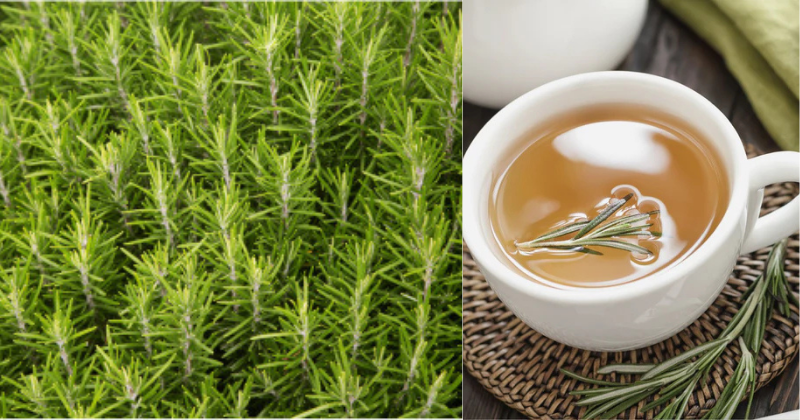
Fasting rosemary tea combines the ancient practice of herbal cleansing with the aromatic benefits of rosemary, offering a natural way to support your body’s detoxification processes while enhancing mental clarity and digestive health.
The tradition of drinking herbal teas on an empty stomach dates back centuries across Mediterranean and Middle Eastern cultures. Rosemary, known scientifically as Rosmarinus officinalis, has been valued not just as a culinary herb but as a medicinal plant with remarkable properties. When consumed as a fasting tea—typically first thing in the morning before any food—it can provide unique benefits that set the tone for your entire day.
Why Rosemary Tea Works on an Empty Stomach
Your digestive system operates differently when fasting. Without food to process, your stomach’s pH levels are more acidic, and your body is in a state that’s particularly receptive to absorbing nutrients and bioactive compounds. Rosemary contains carnosic acid, rosmarinic acid, and essential oils that are more readily absorbed when your stomach is empty.
The practice of fasting rosemary tea isn’t about extreme detoxification claims. Instead, it’s about creating a gentle, supportive environment for your body’s natural cleansing mechanisms. Your liver, kidneys, and lymphatic system work continuously to remove waste products, and certain compounds in rosemary appear to support these processes.
The Active Compounds That Matter
Rosemary’s reputation as a cleansing herb stems from its complex chemical profile. The herb contains over 40 different compounds, but several stand out for their biological activity. Carnosic acid acts as a powerful antioxidant, protecting cells from oxidative stress. Rosmarinic acid has anti-inflammatory properties and may support liver function.
The essential oils in rosemary, including cineole and camphor, contribute to its distinctive aroma and may influence digestion and circulation. These compounds don’t magically « detox » your body—that’s largely what your liver already does—but they may support the efficiency of these natural processes.
When you smell rosemary tea as you drink it, you’re also experiencing aromatherapeutic effects. The scent alone has been studied for its impact on alertness and cognitive function, which is why many people report feeling more focused after their morning rosemary ritual.
How to Prepare Fasting Rosemary Tea Properly
The quality of your rosemary tea depends significantly on preparation method. Fresh rosemary typically produces a more vibrant tea, though dried rosemary works well too. For fresh rosemary, use about one tablespoon of leaves (roughly one six-inch sprig). For dried, one to two teaspoons suffices.
Heat water to just below boiling—around 200°F or 93°C. Boiling water can damage some of the delicate compounds in rosemary, leaving you with a more bitter brew. Pour the water over your rosemary and let it steep for seven to ten minutes. Steeping longer extracts more compounds but also increases bitterness.
Some people find pure rosemary tea quite strong, almost piney in flavor. There’s nothing wrong with the occasional leaf fragment floating in your cup—it’s a sign you’re using real herbs rather than processed tea bags. Strain it if you prefer, or leave a few small pieces for a more robust experience.
The temperature when you drink it matters less than when you drink it. Ideally, consume your rosemary tea 20 to 30 minutes before eating breakfast. This gives your body time to absorb the beneficial compounds without interference from food.
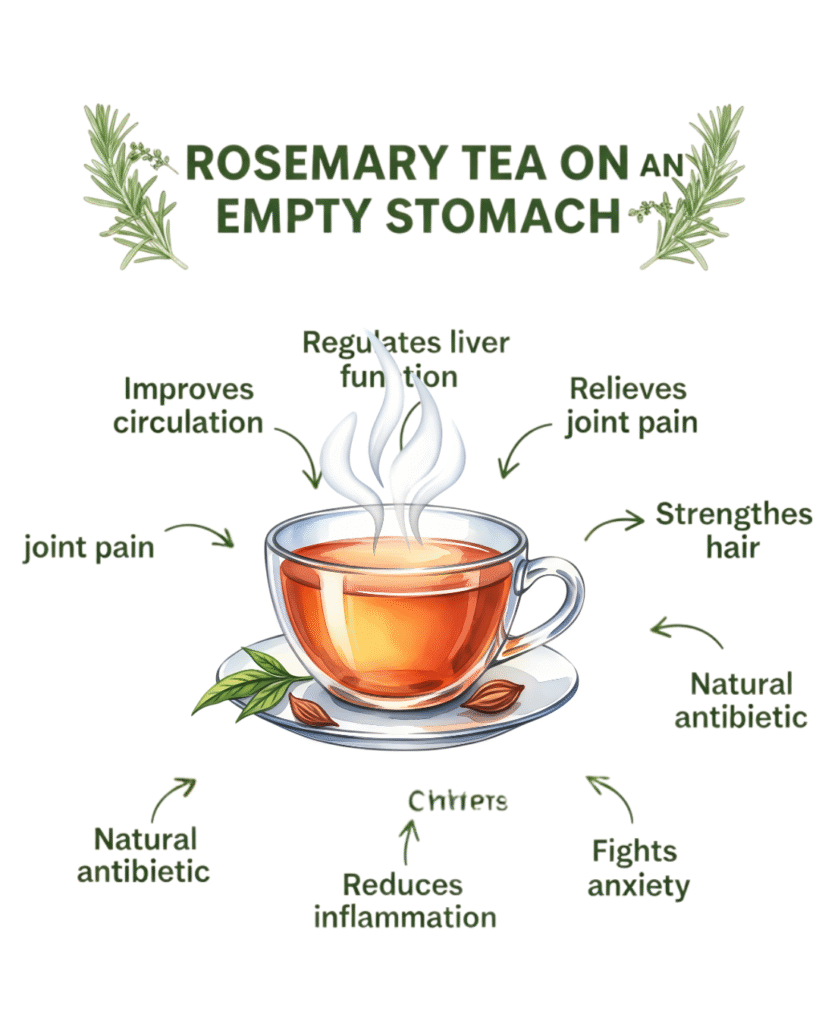
The Fasting Window and Digestive Benefits
Consuming rosemary tea during your fasting window—whether you’re practicing intermittent fasting or simply drinking it before breakfast—may offer specific digestive advantages. Rosemary has traditionally been used to relieve bloating and support bile production, which helps your body break down fats.
The slight bitterness of rosemary tea stimulates digestive secretions. This isn’t unpleasant bitterness like burnt coffee; it’s a clean, herbal quality that seems to wake up your digestive system. Many people notice that they feel less sluggish after eating breakfast when they’ve had rosemary tea beforehand.
Rosemary may also influence gut motility—the movement of food through your digestive tract. This doesn’t mean it acts as a laxative, but rather that it may help maintain regular, comfortable digestion throughout the day.
Circulation and Mental Clarity Effects
One of the more noticeable effects of fasting rosemary tea is the sense of mental sharpness that often follows. This isn’t caffeine-driven alertness; rosemary contains virtually no caffeine. Instead, the effect likely stems from improved circulation and the impact of rosemary’s aromatic compounds on brain function.
Studies have shown that even the aroma of rosemary can enhance memory performance and alertness. When consumed as tea, these effects may be amplified. Some users describe it as a gentle lifting of mental fog, particularly helpful if you tend to feel groggy in the mornings.
The circulatory effects are subtle but real. Rosemary has historically been used to support healthy blood flow, and some people notice a slight warming sensation after drinking the tea. This isn’t dramatic—you won’t feel overheated—but it can be pleasantly energizing.
Creating Your Rosemary Tea Ritual
The ritual aspect of fasting rosemary tea matters as much as the tea itself. Setting aside time each morning for this practice creates a moment of intentionality before the day’s demands take over. The process of boiling water, measuring herbs, and waiting while the tea steeps naturally encourages a slower, more mindful start to your day.
Consider keeping your rosemary in a glass jar where you can see it. The visual reminder helps maintain consistency with the practice. If you grow your own rosemary, harvesting a fresh sprig each morning connects you with the plant’s vitality in a tangible way.
Some people enhance their ritual by drinking the tea in a specific location—a favorite chair by a window, or outside if weather permits. This isn’t necessary for the tea’s physical benefits, but it reinforces the psychological aspects of self-care and routine that support overall wellness.
Variations and Additions
While pure rosemary tea has distinct benefits, you can modify the recipe based on your preferences and needs. Adding a thin slice of fresh ginger introduces warming compounds that complement rosemary’s properties. Ginger also supports digestion and may enhance the cleansing effects.
A small squeeze of lemon juice after steeping adds vitamin C and brightens the flavor. Lemon doesn’t interfere with the fasting state since it contains minimal calories, and its acidity may aid in the absorption of certain minerals.
Some traditions combine rosemary with other Mediterranean herbs like thyme or sage. These create a more complex flavor profile while adding their own beneficial compounds. However, if you’re new to herbal teas, starting with rosemary alone helps you understand its specific effects on your body.
Avoid adding sweeteners during the fasting period, as they can trigger an insulin response that breaks your fast. If you find the taste too strong initially, try using slightly less rosemary rather than masking it with honey or sugar.
Potential Considerations and Contraindications
Rosemary tea is generally safe for most people, but certain situations warrant caution. The herb contains compounds that may affect medication absorption, particularly blood thinners like warfarin. If you take prescription medications, spacing your rosemary tea at least two hours away from medication doses is prudent.
Pregnant women should consult healthcare providers before using rosemary medicinally, as high amounts have traditionally been avoided during pregnancy. Culinary amounts are generally considered safe, but concentrated herbal preparations fall into a different category.
Some individuals experience mild digestive upset when first introducing rosemary tea, particularly on an empty stomach. Starting with a weaker brew and gradually increasing strength allows your system to adjust. If you notice persistent discomfort, rosemary tea might not suit your constitution.
People with certain medical conditions, particularly those affecting the kidneys, liver, or digestive system, should discuss herbal remedies with their healthcare providers. While rosemary is a common culinary herb, using it therapeutically represents a different level of intake.
Long-Term Practice and Realistic Expectations
Fasting rosemary tea isn’t a quick fix or miracle cure. The benefits accumulate gradually through consistent practice over weeks and months. Most people who maintain the ritual report subtle improvements in digestion, mental clarity, and overall energy rather than dramatic transformations.
The first week or two serves as an adjustment period. Your body adapts to the routine, and you learn how the tea affects you personally. Some people feel effects immediately; others notice changes only after several weeks of daily use.
Taking occasional breaks from the practice is perfectly acceptable. Your body doesn’t become dependent on rosemary tea, and interrupting the routine for travel or schedule changes won’t erase previous benefits. However, consistency does matter for experiencing the cumulative effects.
Track your experience informally. Notice whether your digestion improves, if you feel more alert in the mornings, or if you have more sustained energy throughout the day. These subjective markers matter more than any theoretical benefits.
Sourcing Quality Rosemary
The quality of your rosemary significantly impacts your tea’s effectiveness and flavor. Fresh rosemary from your garden or a local grower provides the most potent compounds and vibrant flavor. If buying fresh rosemary from grocery stores, look for stems with firm, green needles and no browning or wilting.
Dried rosemary should retain a strong aroma. If you open a jar of dried rosemary and smell very little, it has likely lost much of its essential oil content and will produce weak tea. Store dried herbs in airtight containers away from light and heat to preserve potency.
Organic rosemary ensures you’re not consuming pesticide residues, which seems particularly important when using herbs for cleansing purposes. While organic certification isn’t always accessible or affordable, sourcing from trusted growers who use minimal chemical inputs represents a reasonable alternative.
Growing your own rosemary proves surprisingly easy in many climates. The plant thrives in well-drained soil with plenty of sunlight and requires minimal water once established. Having a living rosemary plant available provides the freshest possible tea and creates another layer of connection to your wellness practice.
Integrating Rosemary Tea Into Broader Wellness
Fasting rosemary tea works best as part of a holistic approach to health rather than as an isolated intervention. The morning ritual can serve as a cornerstone that supports other healthy habits. Many people find that starting the day with intentional self-care makes them more likely to make nourishing food choices and move their bodies throughout the day.
The practice pairs well with other wellness traditions. If you meditate, drinking rosemary tea beforehand can enhance alertness during your practice. If you journal, sipping tea while you write creates a peaceful, focused atmosphere. If you exercise in the morning, having your tea 30 minutes before working out may support energy and circulation.
Consider rosemary tea as one element of body support rather than a standalone solution. Adequate hydration, nutritious food, quality sleep, stress management, and regular movement all contribute far more to your overall health than any single herb. Rosemary tea complements these foundations rather than replacing them.
The ritual aspect also serves mental and emotional wellness. In our rushed modern lives, deliberately taking time to prepare and mindfully consume an herbal tea represents a small act of self-respect and care. These moments accumulate, gradually shifting how you relate to your body and your daily routine.
Beyond the Morning Cup
While fasting rosemary tea specifically refers to morning consumption on an empty stomach, rosemary tea at other times offers different benefits. An afternoon cup can provide a caffeine-free lift when energy lags. Evening rosemary tea might support digestion after dinner, though some people find it too stimulating close to bedtime.
The fasting aspect specifically relates to absorption and supporting your body’s overnight cleansing processes. Your liver works actively during sleep to process and eliminate metabolic waste. Starting the day with compounds that may support these organs continues that cleansing momentum.
You might also explore other preparations of rosemary beyond tea. Rosemary-infused olive oil, rosemary in cooking, or even rosemary in bathwater all offer different ways to benefit from this versatile herb. Each method provides a unique experience and set of effects.
The key is finding what works sustainably for your life. A simple morning tea practice you maintain for years will serve you better than an elaborate routine you abandon after two weeks. Start with basic preparation, be consistent, and adjust based on your actual experience rather than theoretical perfection.
Disclaimer: This article is for informational purposes only and is not a substitute for professional advice.
Source: National Center for Complementary and Integrative Health (NCCIH), National Institutes of Health – « Rosemary: Science and Safety »