
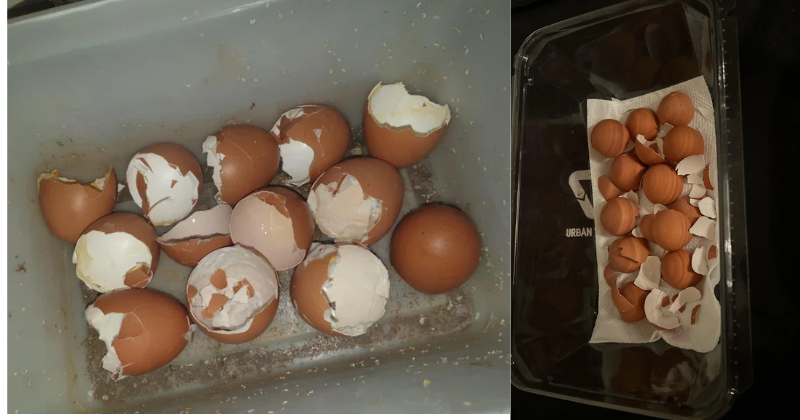
Eggshells offer vegetable gardeners a free, sustainable calcium source that strengthens plant cell walls, prevents blossom end rot, and improves soil structure while reducing household waste. These crushed shells decompose slowly, releasing nutrients that transform garden productivity through simple, science-backed applications.
Understanding the Nutritional Composition of Eggshells
Eggshells consist of approximately 95-97% calcium carbonate (CaCO₃), making them one of the most concentrated natural calcium sources available to home gardeners. The remaining composition includes small amounts of magnesium carbonate, calcium phosphate, and organic matter from the shell membrane. A single eggshell contains roughly 2 grams of calcium, equivalent to about 800-1000 mg of elemental calcium once broken down in soil.
The crystalline structure of eggshell calcium exists primarily as calcite, the most stable form of calcium carbonate. This mineral form dissolves gradually in acidic soil conditions, providing sustained calcium availability rather than rapid nutrient spikes. The shell’s porous architecture, visible under microscopic examination, creates thousands of tiny channels that increase surface area for microbial colonization and chemical weathering.
The Critical Role of Calcium in Vegetable Development
Calcium functions as a structural component in plant cell walls, where it binds with pectin molecules to form calcium pectate complexes. These crosslinks create rigid cell wall structures that give plants mechanical strength and disease resistance. Unlike mobile nutrients such as nitrogen or potassium, calcium moves through plants via xylem tissue in transpiration streams, making consistent soil availability essential.
Vegetables with high calcium demands include tomatoes, peppers, squash, cabbage, and broccoli. Tomatoes require particularly steady calcium uptake during fruit development to prevent blossom end rot, a physiological disorder where calcium deficiency causes cell collapse at the fruit’s distal end. This condition appears as dark, sunken lesions that render fruits unmarketable, though the problem stems from calcium transport issues rather than absolute soil deficiency.
Cell division in growing plant tips depends entirely on adequate calcium presence. Root tips, shoot apices, and developing fruits represent the most metabolically active tissues, yet these areas receive calcium last due to the nutrient’s poor mobility within plant tissues. Calcium deficiency symptoms consequently appear first in youngest growth, manifesting as distorted leaves, stunted root systems, or fruit disorders.
Preparation Methods for Maximum Effectiveness
Raw eggshells require processing before garden application to accelerate decomposition and nutrient release. Rinsing shells removes residual egg white, which can attract pests and create temporary nitrogen immobilization as it decomposes. Air-drying shells for 24-48 hours prevents mold growth during storage and makes them brittle enough for crushing.
Baking eggshells at 200°F (93°C) for 10-15 minutes achieves two purposes: complete sterilization of potential salmonella bacteria and further drying that facilitates pulverization. Some gardeners prefer higher temperatures around 250°F (121°C) for 20 minutes, though excessive heat above 800°F (427°C) converts calcium carbonate to calcium oxide, which reacts violently with water.
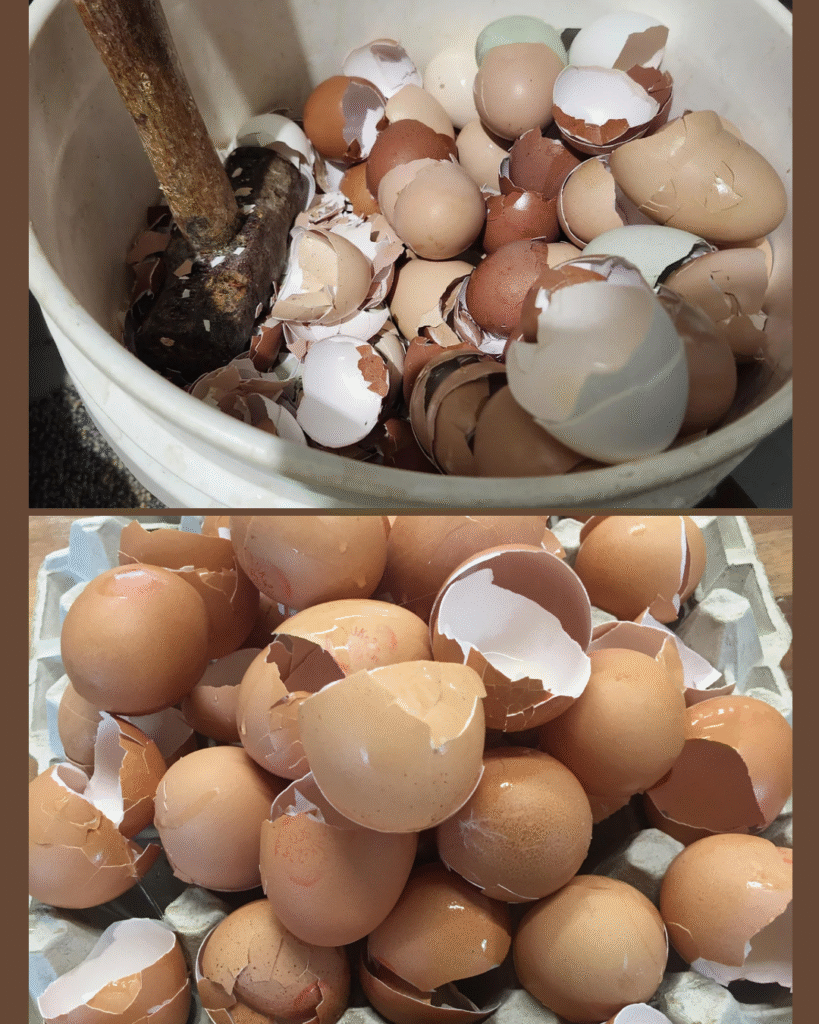
Grinding methods range from simple hand-crushing in sealed bags to electric coffee grinders for powder consistency. Coarser particles (2-5 mm) work well for slow-release soil incorporation, while fine powder (under 1 mm) provides faster results when mixed into potting media or applied as foliar treatments. A mortar and pestle produces medium-grade particles suitable for most garden applications without requiring electricity.
Soil Application Techniques and Timing
Direct soil incorporation during bed preparation allows eggshell calcium to begin weathering before planting. Working 1-2 cups of crushed shells per 10 square feet into the top 6-8 inches of soil positions the material within the active root zone. Fall application provides months of decomposition time before spring planting, though spring additions still benefit crops planted weeks later.
Transplant hole amendments deliver concentrated calcium directly to developing root systems. Adding 1-2 tablespoons of finely crushed eggshell to each planting hole creates a localized calcium reservoir for calcium-hungry crops like tomatoes and peppers. This technique proves particularly effective in preventing blossom end rot when combined with consistent watering practices that maintain steady calcium uptake.
Side-dressing established plants with eggshell powder around the drip line replenishes calcium as plants mature and fruit develops. Scratching 2-3 tablespoons of crushed shells into the soil surface every 3-4 weeks during the growing season maintains availability without over-application. Rain and irrigation gradually dissolve the calcium carbonate, moving it into the root zone through natural leaching processes.
Compost Integration and Decomposition Dynamics
Adding eggshells to compost piles contributes calcium while moderating pH in acidic decomposition environments. The calcium carbonate acts as a buffering agent, preventing excessive acidity that can slow microbial activity and nutrient cycling. Mixing shells throughout the pile rather than layering them ensures even distribution in finished compost.
Decomposition rates for eggshells in compost systems depend on particle size, moisture levels, and microbial activity. Finely crushed shells may break down within 3-6 months in active compost maintained at optimal temperatures (130-150°F/54-66°C), while whole or coarsely crushed shells persist for 1-2 years. The calcium becomes available gradually as carbonic acid from microbial respiration dissolves the calcium carbonate.
Compost pH typically rises slightly with eggshell additions, shifting from moderately acidic (pH 6.0-6.5) toward neutral (pH 6.5-7.0). This buffering effect benefits acid-loving plants minimally but improves compost quality for most vegetables that prefer neutral to slightly alkaline conditions. Testing compost pH after eggshell integration ensures appropriate applications for specific crops.
Soil pH Modification and Liming Capacity
Eggshell calcium carbonate functions similarly to agricultural limestone, though with slower reaction kinetics due to larger particle sizes in most home preparations. Each pound of crushed eggshells provides approximately 0.4 pounds of calcium carbonate equivalent, meaning 2.5 pounds of eggshells match 1 pound of pure calcitic lime in theoretical neutralizing power.
Acidic soils (pH below 6.5) benefit most from eggshell applications, as the calcium carbonate dissolves readily in acidic conditions through the reaction: CaCO₃ + 2H⁺ → Ca²⁺ + H₂O + CO₂. This process consumes hydrogen ions responsible for soil acidity while releasing plant-available calcium ions. Alkaline soils (pH above 7.5) show minimal response to eggshell additions since calcium carbonate remains largely undissolved.
Practical pH modification requires patience and realistic expectations. Raising soil pH by 0.5 units in a 100-square-foot garden bed with moderately acidic soil might require 10-15 pounds of finely ground eggshells, representing 150-225 eggs worth of shells. Most home gardeners accumulate insufficient quantities for large-scale pH adjustment, making eggshells more practical as calcium supplements than primary liming agents.
Specific Crop Applications and Success Strategies
Tomato plants benefit from eggshell amendments beginning at transplanting through fruit development stages. The practice works best when combined with consistent soil moisture, as calcium uptake depends on continuous water movement through the plant. Mulching around tomato plants helps maintain even moisture levels that prevent the wet-dry cycles associated with blossom end rot, even when calcium is present.
Pepper plants exhibit similar calcium requirements to tomatoes, though blossom end rot appears less frequently due to smaller fruit sizes and different growth habits. Adding crushed eggshells to pepper planting holes and side-dressing monthly supports cell wall development in both fruits and stems, producing sturdier plants less prone to breaking under fruit loads.
Brassicas including cabbage, broccoli, and cauliflower utilize calcium for head formation and structural integrity. These crops develop much of their calcium requirement during head development, making mid-season applications particularly valuable. Broadcasting finely crushed eggshells around the base of brassica plants 4-6 weeks after transplanting coincides with initial head formation.
Squash and cucumber families show moderate calcium demands compared to tomatoes but still respond to eggshell amendments with improved vine strength and reduced fruit disorders. These crops benefit more from early-season soil incorporation than late-season applications, as their rapid growth requires calcium availability from the beginning of fruit set.
Combination Strategies with Other Soil Amendments
Eggshells combine synergistically with coffee grounds, which provide nitrogen and organic matter while maintaining slight acidity that helps dissolve eggshell calcium. Mixing equal parts by volume creates a balanced amendment that addresses multiple soil needs simultaneously. The coffee grounds’ acidity prevents excessive pH rise from large eggshell applications while adding organic matter that improves soil structure.
Banana peels contribute potassium and phosphorus alongside eggshell calcium, creating a more complete nutrient profile for fruiting vegetables. Chopping banana peels and mixing them with crushed eggshells in planting holes provides localized nutrition for tomatoes, peppers, and eggplants. The peels decompose faster than eggshells, offering quick-release potassium while calcium releases gradually.
Wood ash supplies additional potassium and raises pH more aggressively than eggshells alone. Combining wood ash with eggshells requires careful measurement to avoid over-liming, particularly in neutral or alkaline soils. A ratio of 3 parts eggshells to 1 part wood ash provides balanced pH modification with diverse nutrient contributions.
Container Gardening Applications
Potted vegetables deplete calcium faster than in-ground plantings due to limited soil volumes and frequent watering that leaches nutrients. Adding 2-3 tablespoons of finely crushed eggshells per gallon of potting mix at planting time establishes a calcium reservoir for container tomatoes, peppers, and other calcium-demanding crops. The shells release calcium gradually throughout the growing season as organic acids from root exudates and decomposing organic matter dissolve the calcium carbonate.
Top-dressing container plants with eggshell powder monthly replenishes calcium lost to leaching and plant uptake. Sprinkling 1 tablespoon of finely ground shells on the soil surface and watering it in delivers supplemental calcium without disturbing root systems. This technique proves especially valuable for indeterminate tomatoes growing in containers for extended periods.
Eggshell tea provides a water-soluble calcium source for foliar feeding or soil drenching. Steeping crushed eggshells in water for 24-48 hours extracts small amounts of soluble calcium, though concentrations remain low compared to commercial calcium supplements. Some gardeners add vinegar to increase calcium dissolution, creating a dilute calcium acetate solution, though this requires careful pH management to avoid plant damage.
Pest Deterrent Properties and Limitations
Crushed eggshells scattered around plant bases create physical barriers that deter soft-bodied pests like slugs and snails through mechanical irritation. Sharp edges on coarsely crushed shells scratch mollusk bodies, though effectiveness diminishes in wet conditions when slime production increases. Renewing eggshell barriers after heavy rains maintains maximum deterrent effect.
The pest deterrent mechanism remains purely physical rather than chemical, meaning eggshells offer no protection against insects, mites, or disease organisms. Some gardeners report reduced cutworm damage around transplants surrounded by crushed eggshells, potentially due to the physical barrier interfering with the larvae’s movement patterns. Scientific evidence supporting these observations remains limited, though anecdotal reports persist across gardening communities.
Eggshell barriers require relatively thick applications (1/4 to 1/2 inch layer) around individual plants to function effectively. This quantity often exceeds what most households accumulate, making eggshells more practical as calcium amendments than primary pest control methods. Combining eggshells with other strategies like copper tape or diatomaceous earth creates more reliable slug and snail protection.
Seasonal Timing and Long-Term Soil Building
Fall application of eggshells capitalizes on winter weathering processes that break down calcium carbonate through freeze-thaw cycles and prolonged exposure to soil acids. Spreading accumulated eggshells over garden beds after harvest allows maximum decomposition time before spring planting. Fall rains and snow melt help incorporate the calcium into soil profiles naturally.
Spring applications still benefit crops planted weeks or months later, particularly when using finely ground eggshells that decompose more readily. Adding shells during early spring bed preparation provides adequate time for some calcium release before peak growing season demands. The exact timing matters less than consistent annual applications that build soil calcium levels gradually.
Multi-year eggshell incorporation creates cumulative benefits as previous years’ applications continue weathering while new additions supplement calcium availability. Gardens receiving annual eggshell amendments develop deeper calcium reserves that buffer against temporary deficiencies during periods of rapid plant growth or heavy fruit production. This long-term approach mirrors traditional farming practices of gradual soil improvement through organic matter and mineral additions.
Quantifying Application Rates and Storage
A typical household producing 12-18 eggs weekly generates approximately 1-1.5 pounds of dried eggshells monthly, enough to treat 10-15 square feet of intensive vegetable garden or 3-5 container plants. Accumulating shells throughout winter provides spring planting reserves, while continuous collection maintains supplies for side-dressing during the growing season.
Storing cleaned, dried eggshells in breathable containers prevents moisture accumulation that could promote mold growth. Paper bags, cardboard boxes, or mesh bags allow air circulation while keeping shells clean and pest-free. Crushing shells before storage reduces volume by 60-70%, allowing more efficient storage in limited spaces like apartments or small homes.
Pre-crushing versus crushing at application time involves trade-offs between storage convenience and surface area oxidation. Finely crushed shells stored for months may develop some surface oxidation, though this minimally affects calcium availability in soil. Crushing shells immediately before use ensures maximum reactive surface area but requires processing equipment at application time.
Scientific Evidence and Research Perspectives
Agricultural research on eggshell applications in vegetable production remains limited compared to studies on commercial calcium amendments, though available evidence supports their effectiveness as calcium sources. A study examining eggshell calcium bioavailability found that finely ground shells (less than 0.5 mm) released 35-45% of their calcium content within the first growing season when incorporated into acidic soils (pH 5.5-6.5).
Controlled experiments comparing eggshell amendments to gypsum (calcium sulfate) and limestone in tomato production showed equivalent blossom end rot prevention when eggshells were applied at rates providing similar calcium quantities. The research noted slower initial calcium release from eggshells but sustained availability throughout the growing season, suggesting advantages for long-season crops.
Soil microbiome studies indicate that eggshell additions may influence bacterial and fungal community composition beyond simple pH effects. The calcium carbonate provides substrate for calcium-solubilizing bacteria that produce organic acids during decomposition, potentially improving overall nutrient cycling efficiency. These secondary benefits complement the direct calcium nutrition effects.
Environmental Sustainability and Waste Reduction
Diverting eggshells from landfills to garden applications reduces household waste while eliminating the environmental costs associated with mining, processing, and transporting commercial limestone products. The average American household discards approximately 12-15 pounds of eggshells annually, representing significant calcium resources that could support home food production.
Commercial egg production generates millions of tons of eggshell waste globally, with increasing interest in agricultural reuse applications. Some egg processing facilities now sell cleaned, sterilized eggshell meal as a certified organic soil amendment, though home gardeners obtain the same benefits at no cost by processing their own shells.
The carbon footprint of homemade eggshell amendments approaches zero compared to manufactured fertilizers requiring mining, chemical processing, and long-distance transportation. This sustainability advantage aligns with broader regenerative gardening principles emphasizing closed-loop nutrient cycling and waste reduction.
Addressing Common Misconceptions and Limitations
Eggshells do not provide instant calcium availability despite some gardening literature suggesting immediate benefits. The calcium carbonate requires weeks to months of soil weathering before plants can absorb significant quantities, meaning preventive applications work better than rescue treatments for acute deficiencies. Gardeners experiencing blossom end rot mid-season need water-soluble calcium sprays for rapid correction while incorporating eggshells for long-term prevention.
Claims that eggshells significantly deter deer, rabbits, or other large pests lack scientific support and contradict field observations. The scent and texture of eggshells do not produce measurable repellent effects on mammalian garden pests, which readily walk over or through eggshell barriers. Focusing on eggshells’ proven calcium nutrition benefits rather than speculative pest control properties sets realistic expectations.
Eggshell effectiveness varies considerably with soil conditions, particularly pH and moisture levels. Gardens with naturally high calcium levels or alkaline soils show minimal response to eggshell additions, while acidic soils deficient in calcium demonstrate clear benefits. Soil testing before implementation helps identify whether eggshell amendments address actual limitations or represent unnecessary inputs.