
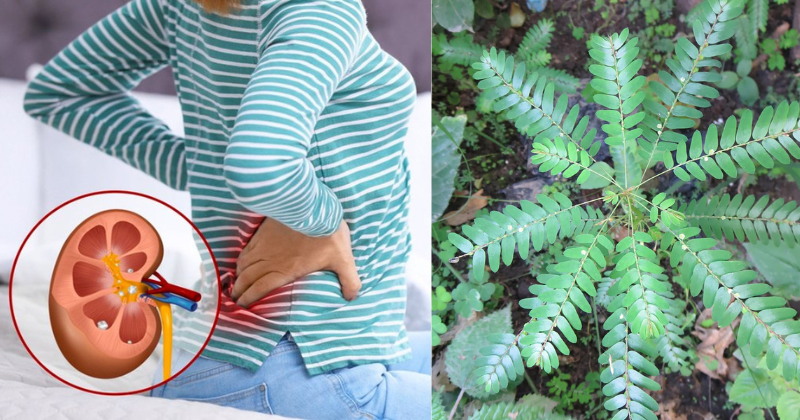
The stone breaker plant, scientifically known as Phyllanthus niruri, has been used for centuries in traditional medicine to dissolve kidney stones naturally. This remarkable herb contains bioactive compounds that may help break down calcium oxalate crystals and support urinary tract health through multiple physiological mechanisms.
Botanical Characteristics and Geographic Distribution
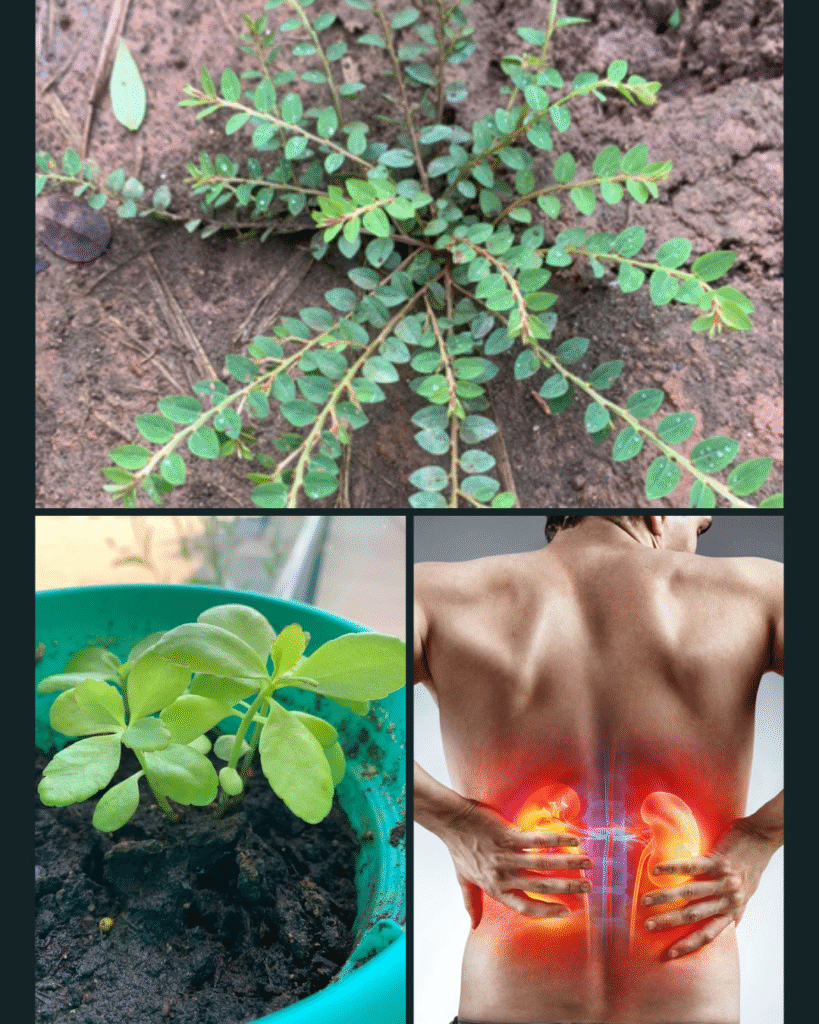
Phyllanthus niruri belongs to the Phyllanthaceae family and thrives in tropical and subtropical regions across South America, India, and Southeast Asia. The plant typically reaches 30 to 60 centimeters in height, featuring small, alternate leaves arranged in two rows along slender branches. Its inconspicuous greenish-white flowers develop into tiny capsules containing seeds.
Indigenous communities in the Amazon rainforest have traditionally called this plant « chanca piedra, » which literally translates to « stone breaker » in Spanish. The name reflects generations of empirical observations regarding its effects on urinary calculi. Wild populations grow naturally in disturbed soils, along roadsides, and in gardens where moisture levels remain relatively consistent throughout the growing season.
Phytochemical Composition and Active Compounds
The therapeutic properties of Phyllanthus niruri stem from its complex phytochemical profile. Researchers have identified numerous bioactive constituents, including lignans, flavonoids, alkaloids, tannins, and phenolic compounds. Among these, phyllanthin and hypophyllanthin represent the most extensively studied lignans, demonstrating significant biological activity in laboratory settings.
Flavonoids such as quercetin and kaempferol contribute antioxidant properties that may protect cellular structures from oxidative stress. The plant also contains nirurin, a bitter compound that appears to influence smooth muscle relaxation in the urinary tract. Gallic acid and ellagic acid, both polyphenolic compounds, have shown antimicrobial properties in preliminary studies.
The concentration of these phytochemicals varies depending on environmental conditions, harvesting time, and plant maturity. Leaves typically contain higher concentrations of active compounds compared to stems, though traditional preparations often utilize the entire aerial portion of the plant.
Mechanisms of Action Against Kidney Stones
The stone breaker plant influences kidney stone formation and dissolution through several interconnected pathways. Research indicates that extracts from Phyllanthus niruri interfere with the crystallization process of calcium oxalate, the primary component of approximately 80 percent of kidney stones. The plant’s compounds appear to modify crystal surface characteristics, preventing aggregation into larger formations.
Laboratory studies have demonstrated that certain constituents inhibit the adhesion of calcium oxalate crystals to renal epithelial cells. This anti-adhesive effect potentially reduces stone retention within the kidney tubules. Additionally, the plant exhibits mild diuretic properties, promoting increased urine production and potentially facilitating the passage of small calculi through the urinary system.
Phyllanthus niruri may also influence the composition of urine itself. Some research suggests it can reduce urinary calcium excretion while increasing citrate levels. Citrate acts as a natural inhibitor of stone formation by binding to calcium and preventing crystal nucleation. The plant’s alkaloid components might contribute to relaxing the smooth muscle tissue in ureters, potentially easing the passage of stones.
Traditional Preparation Methods and Dosage Considerations
Traditional healers have developed various preparation techniques over generations. The most common method involves creating a decoction by boiling dried plant material in water for 10 to 15 minutes, then straining and consuming the liquid. Some practitioners prefer cold water infusions, allowing the plant to steep overnight before use.
Tinctures represent another traditional preparation, created by macerating fresh or dried plant material in alcohol for several weeks. This method may extract different phytochemical profiles compared to water-based preparations. In regions where the plant grows abundantly, fresh juice extracted from crushed leaves and stems has been consumed directly.
Dosage practices vary considerably across different traditional systems. Some herbalists recommend consuming 400 to 500 milliliters of tea daily, divided into two or three doses. Others suggest smaller amounts taken more frequently throughout the day. The duration of treatment typically extends from several weeks to a few months, depending on individual circumstances and stone characteristics.
Contemporary Research and Clinical Evidence
Scientific investigation into Phyllanthus niruri has intensified over recent decades, with researchers conducting both in vitro and in vivo studies. Several clinical trials have examined the plant’s effects on kidney stone patients, though sample sizes have often been limited. One study involving 56 participants with kidney stones found that those receiving Phyllanthus niruri extract experienced reduced stone size and increased stone elimination compared to the control group.
Another research project investigated the plant’s effects on urinary stone risk factors. Participants who consumed standardized extracts showed decreased urinary calcium levels and increased magnesium excretion after eight weeks. These changes theoretically create a less favorable environment for stone formation.
Laboratory experiments have revealed that plant extracts can reduce calcium oxalate crystal formation in artificial urine systems by up to 45 percent in some studies. The extracts also modified crystal morphology, producing less harmful forms that would theoretically cause less tissue damage if they did form.
However, methodological limitations affect many existing studies. Variations in extract preparation, dosage standardization, and study duration make direct comparisons challenging. The mechanisms underlying the plant’s effects remain incompletely understood, requiring further investigation at the molecular level.
Safety Profile and Potential Contraindications
Phyllanthus niruri generally demonstrates a favorable safety profile when consumed at traditional dosages for limited periods. Most users report no significant adverse effects, though some individuals experience mild gastrointestinal discomfort, including slight nausea or loose stools during initial use. These symptoms typically resolve with continued use or dosage adjustment.
The plant’s diuretic properties warrant consideration for individuals with specific medical conditions. People taking diuretic medications should consult healthcare providers before using stone breaker, as combined effects might lead to excessive fluid loss or electrolyte imbalances. The herb may also influence blood glucose levels, requiring careful monitoring in diabetic patients.
Pregnant and breastfeeding women should avoid Phyllanthus niruri due to insufficient safety data for these populations. The plant contains compounds that might affect hormonal systems or uterine muscle tone, though comprehensive research in this area remains limited. Similarly, individuals with bleeding disorders or those scheduled for surgery should discontinue use at least two weeks prior to procedures, as some constituents might affect blood clotting mechanisms.
Potential interactions with pharmaceutical medications require consideration. The plant may influence drug metabolism through effects on cytochrome P450 enzymes, potentially altering the effectiveness or toxicity of certain medications. This particularly applies to medications with narrow therapeutic windows.
Cultivation and Sustainable Harvesting Practices
Growing Phyllanthus niruri requires warm temperatures and adequate moisture. The plant thrives in partial shade to full sun conditions, adapting to various soil types provided drainage remains adequate. Seeds germinate readily when surface-sown in moist growing medium, with seedlings emerging within one to two weeks under favorable conditions.
Home cultivation offers an accessible option for those interested in fresh plant material. Container growing works well for cooler climates where the plant cannot survive outdoor winters. A standard potting mix combined with perlite for improved drainage provides suitable growing medium. Regular watering maintains consistent soil moisture without waterlogging.
Commercial cultivation has expanded in regions where traditional use remains prevalent. Sustainable harvesting practices involve collecting only mature plants while leaving sufficient populations for regeneration. Some operations have implemented cultivation systems that allow multiple harvests per year, reducing pressure on wild populations.
Quality considerations affect the therapeutic potential of harvested material. Proper drying techniques preserve phytochemical content while preventing mold development. Storage in cool, dark, dry conditions maintains potency, though gradual degradation occurs over extended periods. Ground material loses potency more rapidly than whole plant parts.
Integration with Conventional Medical Approaches
The relationship between traditional herbal remedies and modern medical interventions continues evolving. Some urologists acknowledge potential complementary roles for Phyllanthus niruri alongside conventional treatments, particularly for patients with recurrent calcium oxalate stones who wish to explore preventive strategies. The plant might serve as part of a comprehensive approach that includes dietary modifications, adequate hydration, and appropriate medical monitoring.
Medical imaging remains essential for proper stone evaluation regardless of treatment approach. Ultrasound or CT scans provide objective measures of stone size, location, and composition. These assessments help determine whether conservative management with herbs and dietary changes represents a reasonable approach or whether more aggressive intervention becomes necessary.
Laboratory analysis of stone composition, when available, guides treatment decisions. While Phyllanthus niruri shows promise primarily for calcium oxalate stones, it may offer less benefit for uric acid, struvite, or cystine stones that form through different mechanisms. Understanding stone type allows for more targeted interventions.
The plant should not replace emergency medical care for acute stone complications. Severe pain, fever, inability to urinate, or signs of infection require immediate medical attention. Similarly, large stones unlikely to pass spontaneously may require lithotripsy or surgical removal regardless of herbal interventions.
Dietary and Lifestyle Factors in Stone Prevention
Kidney stone prevention extends beyond any single intervention. Adequate hydration represents perhaps the most important preventive measure, with most experts recommending sufficient fluid intake to produce at least two liters of urine daily. Water dilutes urinary constituents, reducing the likelihood of crystal formation and aggregation.
Dietary calcium intake requires balanced consideration. While excessive calcium might seem problematic, adequate calcium consumption actually binds to oxalate in the intestines, reducing oxalate absorption and urinary excretion. Very low calcium diets may paradoxically increase stone risk. Dietary sources generally prove safer than high-dose supplements.
Oxalate-rich foods merit attention for individuals prone to calcium oxalate stones. Spinach, rhubarb, beets, nuts, and chocolate contain high oxalate levels. Complete elimination rarely proves necessary, but moderation and pairing these foods with calcium-containing items may help. Vitamin C supplements can convert to oxalate in the body, suggesting moderation with high-dose supplementation.
Sodium intake influences calcium excretion, with high sodium consumption promoting increased urinary calcium. Reducing processed food consumption and moderating salt use during cooking may benefit stone-prone individuals. Animal protein consumption also affects urine chemistry, with excessive intake potentially promoting stone formation through multiple mechanisms.
Comparative Analysis with Other Herbal Remedies
Traditional medicine systems worldwide have identified various plants for kidney stone management. Hydrangea root has been used in North American folk medicine, though scientific evidence supporting its efficacy remains limited. Dandelion leaf and root possess diuretic properties and appear in numerous traditional formulations, though specific effects on stone dissolution lack robust documentation.
Horsetail, rich in silica and demonstrating diuretic effects, appears in European herbal traditions for urinary conditions. Its mechanism of action differs from Phyllanthus niruri, potentially working primarily through increased urine flow rather than direct effects on crystal formation. Combining herbs with different mechanisms might offer theoretical advantages, though research investigating such combinations remains scarce.
Tribulus terrestris, used in Ayurvedic medicine, has shown some promising results in preliminary studies. Like stone breaker, it may influence urinary composition and possess litholytic properties. The plant also demonstrates diuretic effects and might help with stone passage through ureter relaxation.
Phyllanthus niruri distinguishes itself through relatively more extensive research investigation compared to many traditional kidney stone remedies. While not definitively proven by modern pharmaceutical standards, the accumulation of laboratory data, animal studies, and preliminary human trials provides a stronger evidence foundation than exists for many herbal remedies.
Disclaimer: This article is for informational purposes only and is not a substitute for professional medical advice.
Source: National Institute of Diabetes and Digestive and Kidney Diseases (NIDDK), National Institutes of Health – Research on herbal approaches to kidney stone management and phytochemical analysis of traditional medicinal plants.