
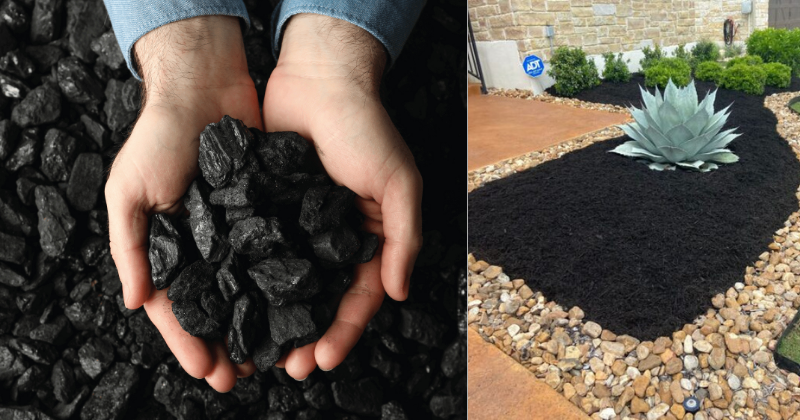
Discover how coal and charcoal can transform your garden into a thriving ecosystem through improved drainage, soil amendment, and natural pest control—ancient techniques backed by modern horticultural science.
Gardens face persistent challenges: waterlogged soil, nutrient depletion, fungal infections, and pest invasions. While commercial solutions dominate the market, coal and charcoal offer sustainable alternatives rooted in centuries of agricultural practice. These carbon-rich materials interact with soil systems in ways that enhance plant health, modify microbial activity, and create optimal growing conditions through their unique physical and chemical properties.
The Science Behind Coal and Charcoal in Soil Systems
Coal and charcoal function differently in garden applications due to their structural composition and formation processes. Charcoal, produced through pyrolysis of organic matter in oxygen-limited environments, develops a highly porous structure with exceptional surface area—typically ranging from 300 to 3,000 square meters per gram. This microscopic architecture creates countless binding sites for nutrients, water molecules, and beneficial microorganisms.
Coal, formed through geological compression of ancient plant material, contains varying carbon concentrations depending on its rank. Lignite and sub-bituminous coals work best in garden applications, as anthracite’s high carbon density limits its interaction with soil chemistry. When incorporated into garden beds, these materials alter soil pH gradually, improve cation exchange capacity, and establish microhabitats for soil fauna.
The porosity of charcoal allows it to retain water during dry periods while facilitating drainage during heavy rainfall. A single piece of horticultural charcoal can hold its own weight in water while maintaining air spaces crucial for root respiration. This dual functionality addresses one of gardening’s fundamental paradoxes: plants require both consistent moisture and adequate oxygen at root level.
Practical Applications for Soil Amendment
Incorporating coal or charcoal into garden soil requires understanding your specific growing conditions. For clay-heavy soils prone to compaction, crushed charcoal fragments ranging from 5 to 15 millimeters create permanent drainage channels that persist for years. Mix approximately 10 to 15 percent charcoal by volume into the top 20 centimeters of soil during bed preparation.
Sandy soils benefit differently from coal amendments. The carbon particles act as nutrient reservoirs, capturing water-soluble minerals that would otherwise leach below the root zone. In these applications, smaller charcoal particles—around 2 to 5 millimeters—provide greater surface area for nutrient retention. Work the material into planting holes or spread it across the entire bed before incorporating organic matter.
Container gardening presents another opportunity for coal utilization. Adding a 2-centimeter layer of crushed charcoal at the bottom of pots prevents root rot by ensuring excess water drains freely while maintaining a reservoir of moisture above. This technique proves particularly valuable for orchids, succulents, and other plants sensitive to waterlogged conditions.
Raised beds constructed on poorly draining ground benefit from a foundational charcoal layer. Spread 5 to 8 centimeters of coarse charcoal pieces across the bed’s base before adding soil. This creates a transition zone that prevents the upper growing medium from becoming saturated during prolonged wet periods. The charcoal also inhibits weed penetration from below while allowing earthworms to move freely between layers.
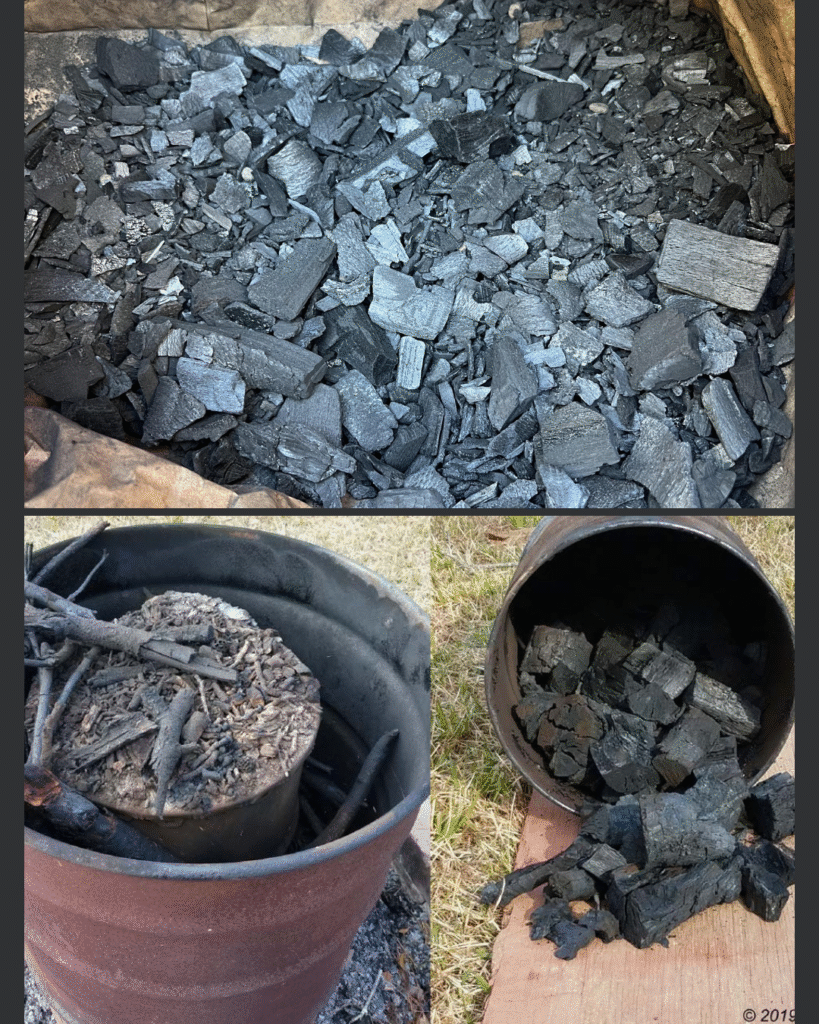
Horticultural Charcoal for Root Health and Disease Prevention
Horticultural charcoal functions as both a preventive and reactive treatment for root diseases. Its antimicrobial properties stem from its ability to adsorb toxins, reduce soil-borne pathogens, and modify the chemical environment around root systems. When repotting plants that show signs of root rot, remove affected tissue, dust the remaining healthy roots with powdered charcoal, and replant in fresh medium amended with charcoal chunks.
The material’s pH-buffering capacity stabilizes soil chemistry in ways that discourage fungal proliferation. Most pathogenic fungi prefer acidic conditions, while charcoal gradually shifts soil toward neutral pH values. This doesn’t eliminate beneficial mycorrhizal fungi, which adapt to broader pH ranges and actually colonize charcoal particles, using them as base structures for their hyphal networks.
Seed starting benefits from charcoal’s antifungal properties. Adding finely crushed charcoal to seed-starting mix at a ratio of one part charcoal to ten parts mix reduces damping-off disease, a common fungal infection that kills seedlings at soil level. The charcoal doesn’t interfere with germination but creates an environment less hospitable to Pythium and Rhizoctonia species.
Transplant shock decreases when charcoal is incorporated into backfill soil. The material absorbs ethylene gas and other stress hormones that plants release during root disturbance. By removing these compounds from the immediate root environment, charcoal allows plants to redirect energy toward establishing new root growth rather than maintaining stress responses.
Coal Ash Applications and Considerations
Coal ash, the residue remaining after coal combustion, contains trace minerals including phosphorus, potassium, calcium, and magnesium. However, its use requires careful consideration of heavy metal content. Bottom ash from residential wood-coal stoves generally contains lower concentrations of problematic elements compared to fly ash from industrial combustion.
Before applying coal ash to garden beds, conduct a soil test to determine existing nutrient levels and pH. Ash typically raises soil pH due to its alkaline nature, making it unsuitable for acid-loving plants like blueberries, azaleas, and rhododendrons. For vegetable gardens with neutral to slightly acidic soil, light applications of 2 to 3 kilograms per 10 square meters can supplement mineral nutrition.
The fine texture of coal ash improves soil structure in clay soils by encouraging particle aggregation. The silica content strengthens plant cell walls, potentially increasing resistance to piercing-sucking insects and certain fungal infections. Apply ash in early spring and incorporate it thoroughly to prevent surface crusting, which can impede water infiltration.
Never apply fresh, hot ash directly to garden beds. Allow it to cool completely and age for several weeks. Fresh ash can create caustic conditions that damage plant roots and soil organisms. Store collected ash in covered containers to prevent nutrient leaching from rain exposure.
Charcoal as a Natural Pest Deterrent
Crushed charcoal creates physical barriers that deter soft-bodied pests. Slugs and snails avoid crossing sharp charcoal fragments, though this effect diminishes as the material weathers. Refresh barrier applications every few months or after heavy rainfall. Create rings of crushed charcoal 5 to 8 centimeters wide around vulnerable plants like hostas, lettuce, and young brassicas.
The material’s odor-absorbing properties interfere with pest navigation. Many insects locate host plants through volatile organic compounds. Charcoal in the root zone absorbs some of these signals, making treated plants less detectable. This effect works best in combination with other integrated pest management strategies rather than as a standalone solution.
Ants building colonies in garden beds can be discouraged with charcoal applications. The material disrupts their pheromone trails and creates an unstable substrate for tunnel construction. Work charcoal into areas where ant activity concentrates, focusing on the top 10 centimeters of soil where most colony structures exist.
Long-Term Soil Building with Biochar
Biochar, a specific type of charcoal produced under controlled conditions, offers enhanced benefits for long-term soil improvement. Unlike standard charcoal, biochar undergoes activation processes that maximize its cation exchange capacity and microbial colonization potential. The material persists in soil for centuries, creating lasting improvements in soil structure and fertility.
Before incorporating biochar, charge it with nutrients by soaking in compost tea, liquid fertilizer, or even urine diluted 10:1 with water. Uncharged biochar can temporarily immobilize soil nutrients as it fills its adsorption sites, potentially causing short-term plant stress. Pre-charging eliminates this issue while creating an immediately beneficial soil amendment.
Application rates for biochar vary based on existing soil quality. Poor soils benefit from rates up to 20 percent by volume, while fertile soils require only 5 to 10 percent. Distribute biochar throughout the rooting zone rather than concentrating it in single locations. Mix it with compost before spreading to ensure even distribution and prevent wind dispersal of fine particles.
The carbon sequestration aspect of biochar provides environmental benefits beyond garden performance. Each kilogram of biochar locks approximately 3 kilograms of atmospheric carbon dioxide into stable form. Large-scale biochar use in home gardens collectively contributes to climate change mitigation while building soil health.
Selecting and Preparing Coal Products for Garden Use
Not all coal and charcoal products suit garden applications. Avoid briquettes manufactured for grilling, as they contain binders, accelerants, and other additives harmful to plants and soil life. Choose natural lump charcoal or specifically labeled horticultural charcoal. For coal, source materials from suppliers who provide analysis certificates showing low heavy metal content.
Particle size matters for different applications. Large chunks work well for drainage layers and long-term soil structure, while crushed or powdered forms integrate better for nutrient retention and disease prevention. Use a hammer and sturdy bag to break larger pieces into desired sizes, or purchase pre-graded products.
Rinse purchased charcoal before use to remove dust that can create anaerobic pockets if it accumulates in soil pores. A quick spray with a hose until runoff runs clear suffices. This step also partially hydrates the material, preventing it from initially drawing moisture away from plant roots.
Store coal and charcoal products in dry conditions to prevent premature nutrient loading from environmental exposure. Sealed containers or covered bins protect the material’s adsorptive capacity until you’re ready to charge and apply it. Properly stored charcoal remains effective indefinitely.
Integration with Organic Gardening Practices
Coal and charcoal complement organic gardening methods by enhancing the effectiveness of compost, manure, and other amendments. Layering charcoal with organic matter in compost bins accelerates decomposition by improving aeration and absorbing excess moisture. The charcoal also reduces odors by capturing volatile nitrogen compounds that would otherwise escape as ammonia gas.
In no-till systems, surface applications of charcoal help suppress weeds while allowing water infiltration. As earthworms and other soil fauna gradually incorporate the material into deeper layers, it builds soil structure without disrupting fungal networks and established root systems. This passive incorporation mimics natural processes more closely than mechanical tillage.
Permaculture designs benefit from charcoal’s water-holding capacity in swale and hugelkultur constructions. Incorporating charcoal into these water management features extends the duration of moisture availability during dry periods. The material also provides habitat for beneficial microorganisms that colonize the submerged and semi-submerged zones.
Biodynamic preparations can be enhanced by storing them in contact with charcoal, which stabilizes the active compounds and extends their shelf life. The adsorptive properties prevent oxidation and microbial degradation of sensitive preparation components.
Troubleshooting and Common Mistakes
Over-application of coal ash represents a frequent error that leads to excessive pH elevation. Soil pH above 7.5 restricts the availability of iron, manganese, and other micronutrients, causing chlorosis even when these elements exist in adequate quantities. If accidental over-application occurs, incorporate sulfur or acidic organic matter to counteract alkalinity.
Using activated charcoal intended for aquarium filtration in garden applications wastes resources without providing additional benefits. Garden-grade products cost less and perform equivalently for soil amendment purposes. Save activated charcoal for specialized applications like treating plant poisoning from excessive fertilizer or pesticide exposure.
Expecting immediate results from charcoal applications leads to disappointment. The material’s benefits accumulate over time as microbial populations establish, nutrient exchanges develop, and soil structure improves. Most gardeners notice significant improvements after one complete growing season, with continued enhancement in subsequent years.
Mixing charcoal with lime or other high-pH amendments creates excessively alkaline microsites that can damage plant roots. Apply these materials separately, allowing several weeks between applications for pH stabilization.
Economic and Environmental Considerations
Producing biochar or purchasing horticultural charcoal represents an investment that pays dividends through reduced fertilizer requirements, decreased watering needs, and improved plant health. Calculate the cost per cubic meter of growing medium rather than focusing on the initial purchase price. When factored across multiple growing seasons, the annual cost becomes negligible.
Locally sourced materials reduce transportation impacts while supporting regional economies. Some areas offer biochar from forestry waste or agricultural residues, connecting carbon-negative production with practical garden applications. Contact local extension offices or sustainable agriculture organizations for regional sourcing options.
DIY biochar production using appropriate kilns allows gardeners to convert yard waste and prunings into valuable soil amendments. These systems require initial setup costs but eliminate ongoing material purchases. Ensure any home production method controls emissions and operates within local regulations regarding open burning.
The environmental profile of coal use in gardens remains complex. While recycling coal ash diverts waste from landfills, heavy metal accumulation in food gardens presents legitimate concerns. Restrict coal ash applications to ornamental beds and perimeter plantings, reserving biochar and wood charcoal for edible crop production.
Human activities have utilized carbon-rich materials for soil improvement since pre-Columbian Amazonian civilizations created terra preta soils through systematic biochar incorporation. Modern gardens continue this tradition, adapting ancient wisdom to contemporary sustainability challenges. The microscopic pores in a single piece of charcoal host thousands of organisms working in concert to cycle nutrients, suppress pathogens, and build soil structure—a miniature ecosystem that expands our garden’s productive capacity while treading lightly on the planet.