
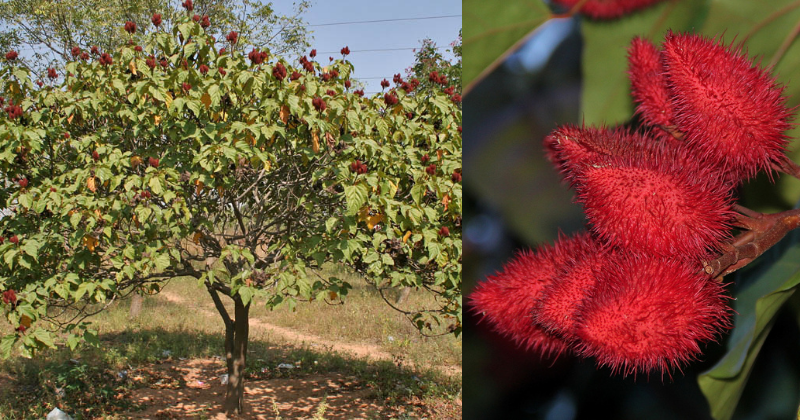
Discover the lipstick tree (Bixa orellana), a tropical plant producing annatto seeds rich in carotenoids. Explore its traditional uses, health benefits, culinary applications, and safety considerations backed by scientific research.
Botanical Classification and Geographic Distribution
The lipstick tree, scientifically designated as Bixa orellana, belongs to the Bixaceae family and represents one of the most economically significant pigment-producing plants in tropical regions. Native to Central and South America, this evergreen shrub has been cultivated for millennia, with archaeological evidence suggesting its use by indigenous populations dating back over 5,000 years. The plant thrives in tropical and subtropical climates between latitudes 30°N and 30°S, requiring well-drained soils and annual rainfall exceeding 1,000 millimeters.
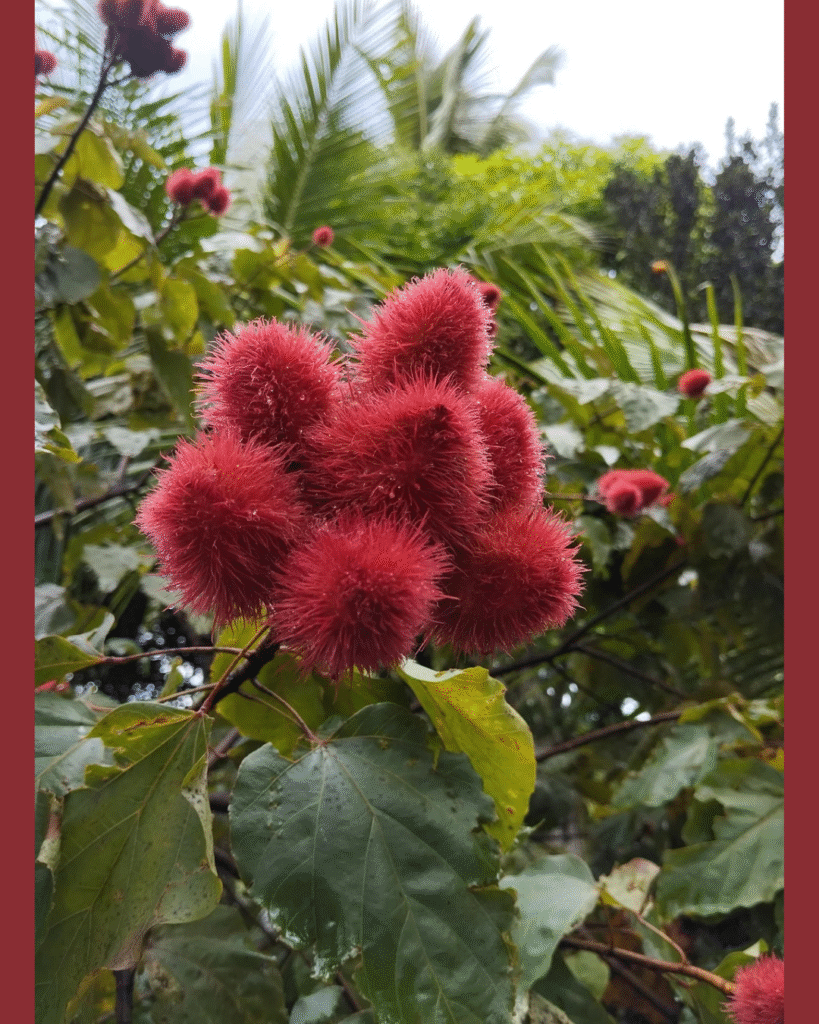
Bixa orellana exhibits distinctive morphological characteristics: it reaches heights of 3 to 10 meters, produces pink or white five-petaled flowers, and develops spiny seed capsules containing 30 to 60 triangular seeds coated with a red-orange aril. This aril constitutes the primary source of annatto, a natural pigment containing bixin and norbixin as principal colorants.
Phytochemical Composition and Bioactive Compounds
The seeds of Bixa orellana contain a complex array of bioactive molecules. Bixin, a monomethyl ester of norbixin, comprises approximately 80% of the carotenoid content, with concentrations ranging from 2.5% to 5.5% in high-quality seeds. This apocarotenoid demonstrates unusual structural characteristics: unlike most carotenoids, bixin contains a carboxylic acid group and a methyl ester group, conferring distinct solubility properties.
Beyond carotenoids, the seeds contain tocotrienols (vitamin E compounds), geranylgeraniol, and various phenolic compounds including ellagic acid and salicylic acid derivatives. The leaves possess ishwarane sesquiterpenes and terpenoid compounds with documented antimicrobial properties. Modern analytical techniques, including high-performance liquid chromatography coupled with mass spectrometry, have identified over 40 distinct phytochemicals in different plant tissues.
The concentration of bioactive compounds varies significantly based on cultivar, geographic origin, harvest timing, and post-harvest processing methods. Seeds harvested at physiological maturity exhibit maximum bixin content, while premature or overripe harvesting reduces pigment concentration by 20% to 40%.
Traditional Ethnobotanical Applications
Indigenous communities throughout the Amazon basin, Central America, and the Caribbean have utilized Bixa orellana for diverse purposes extending far beyond pigmentation. The Kayapó people of Brazil apply annatto paste mixed with plant resins as body paint for ceremonial occasions, with specific patterns denoting social status and tribal affiliation. This practice serves not merely decorative purposes but also provides protection against insect vectors, as the paste demonstrates repellent properties against Anopheles mosquitoes and other arthropods.
Traditional healers employ leaf decoctions to address gastrointestinal disturbances, with ethnopharmacological surveys documenting its use for dysentery, hepatic disorders, and inflammatory conditions. The Aztecs incorporated annatto into chocolate preparations, both for flavor enhancement and perceived medicinal properties. In traditional Chinese medicine systems adopted in Southeast Asian regions where the plant was introduced during colonial trade, Bixa orellana preparations are classified as possessing cooling properties and are prescribed for conditions attributed to excess heat.
Root extracts have been utilized in folk medicine for snakebite treatment, though scientific validation of this application remains limited. The seeds, when crushed and mixed with water, produce a wash historically used for skin conditions and minor burns.
Mechanisms of Biological Activity
The therapeutic potential of Bixa orellana derives from multiple molecular mechanisms. Bixin and norbixin function as potent antioxidants through free radical scavenging, with in vitro studies demonstrating oxygen radical absorbance capacity (ORAC) values comparable to synthetic antioxidants like butylated hydroxytoluene. These carotenoids intercept reactive oxygen species through electron transfer mechanisms, protecting cellular lipids, proteins, and nucleic acids from oxidative damage.
Anti-inflammatory properties have been documented in animal models, with annatto extracts suppressing pro-inflammatory cytokines including interleukin-6 and tumor necrosis factor-alpha. The proposed mechanism involves inhibition of nuclear factor-kappa B translocation, a key regulator of inflammatory gene expression. Tocotrienols present in the seeds demonstrate complementary anti-inflammatory effects through modulation of cyclooxygenase and lipoxygenase pathways.
Antimicrobial activity against gram-positive bacteria, particularly Staphylococcus aureus, has been attributed to terpenoid compounds in leaf extracts. These molecules disrupt bacterial cell membrane integrity, leading to increased permeability and eventual cell lysis. However, efficacy against gram-negative bacteria remains significantly lower, likely due to the protective outer membrane structure.
Research investigating hepatoprotective effects suggests that annatto extracts enhance endogenous antioxidant enzyme systems, including superoxide dismutase and glutathione peroxidase, in liver tissue. Animal studies using carbon tetrachloride-induced hepatotoxicity models showed reduced elevation of transaminase enzymes in subjects pretreated with standardized Bixa orellana extracts.
Contemporary Culinary and Industrial Applications
Annatto serves as a natural food colorant designated E160b in European regulations and is Generally Recognized As Safe (GRAS) by the United States Food and Drug Administration. The global annatto market exceeded 8,000 metric tons in 2023, with food industry applications dominating consumption. Cheese manufacturers utilize annatto to achieve the characteristic orange hue in varieties including Cheddar, Leicester, and Mimolette, with application rates typically ranging from 0.002% to 0.02% by weight.
In Latin American cuisine, annatto seeds are infused in cooking oils to produce achiote oil, a fundamental ingredient in regional dishes including cochinita pibil, arroz con pollo, and various stews. The oil extraction process involves heating annatto seeds in vegetable oil at temperatures between 150°C and 170°C, facilitating transfer of lipophilic bixin into the oil matrix while preserving pigment stability.
The cosmetics industry incorporates annatto extracts in lipsticks, blushes, and hair dyes, capitalizing on its natural origin and lower allergenic potential compared to synthetic dyes. Textile applications, though less common than in pre-industrial periods, persist in artisanal fabric dyeing, particularly for cotton and wool fibers. The dye demonstrates good light fastness when properly fixed with metallic mordants such as aluminum or iron salts.
Pharmaceutical applications include use as an excipient in tablet coatings and capsule formulations, where annatto provides both coloration and potential antioxidant protection for light-sensitive active ingredients.
Nutritional Profile and Dietary Considerations
While annatto seeds are not consumed in quantities sufficient to contribute substantially to macronutrient intake, they provide meaningful amounts of specific micronutrients and phytochemicals when incorporated into regular dietary patterns. A 5-gram serving of ground annatto seeds (approximately one tablespoon) contains negligible calories but provides tocotrienols with vitamin E activity equivalent to approximately 2-3 milligrams of alpha-tocopherol equivalents.
The carotenoid content does not contribute to vitamin A activity, as neither bixin nor norbixin possesses the retinoid structure necessary for conversion to retinol. This distinguishes annatto from other carotenoid sources like beta-carotene. However, the antioxidant properties of these compounds may contribute to reducing oxidative stress when consumed as part of a varied diet.
Mineral content in annatto seeds includes moderate levels of calcium (120-150 mg per 100g), magnesium (40-55 mg per 100g), and trace amounts of iron and zinc. The bioavailability of these minerals has not been extensively studied but likely varies based on preparation methods and dietary context.
Evidence-Based Health Benefits and Therapeutic Potential
Cardiovascular health represents one area where preliminary research suggests potential benefits. Tocotrienols from annatto demonstrated cholesterol-lowering effects in clinical trials, with one study showing a 15% reduction in total cholesterol and 20% reduction in LDL cholesterol over 12 weeks in subjects with mild hypercholesterolemia. The mechanism involves inhibition of 3-hydroxy-3-methylglutaryl-CoA reductase, the rate-limiting enzyme in cholesterol biosynthesis.
Antioxidant effects in human subjects have been documented through measurements of plasma oxidative stress markers. Supplementation with annatto extracts standardized to tocotrienol content resulted in decreased malondialdehyde levels and increased plasma antioxidant capacity in healthy adults, though the clinical significance of these biochemical changes requires further investigation.
Preliminary research investigating glucose metabolism suggests that annatto extracts may improve insulin sensitivity in animal models of type 2 diabetes. Proposed mechanisms include enhanced glucose transporter expression in muscle tissue and reduced hepatic glucose output. However, human clinical trials examining these effects remain limited in number and scope.
Anti-inflammatory properties observed in laboratory settings have prompted investigation of annatto compounds for conditions characterized by chronic inflammation. Small-scale studies examining effects on inflammatory biomarkers in osteoarthritis patients showed modest reductions in C-reactive protein and improvements in subjective pain scores, though these findings require replication in larger, well-controlled trials.
The protective effects against ultraviolet radiation-induced skin damage have been explored in dermatological research. Topical formulations containing annatto extracts demonstrated enhanced protection against UV-B-induced erythema in human volunteer studies, likely through complementary mechanisms involving both UV absorption by carotenoids and enhanced cellular antioxidant defenses.
Safety Profile and Contraindications
For the majority of individuals, dietary consumption of annatto as a food colorant poses minimal risk, with centuries of safe traditional use supporting this assessment. However, documented adverse reactions exist in susceptible populations. Allergic responses ranging from mild urticaria to anaphylaxis have been reported, though prevalence appears to be less than 0.1% in general populations. Cross-reactivity with other allergens has not been consistently demonstrated.
Individuals with atopic conditions, particularly those with multiple food allergies or chronic urticaria, may exhibit increased sensitivity to annatto-containing products. Case reports have documented exacerbation of atopic dermatitis following consumption of foods colored with annatto, with symptom resolution upon elimination and recurrence upon rechallenge, establishing a causal relationship in these specific cases.
Gastrointestinal disturbances including nausea and abdominal discomfort have been reported at supplemental doses exceeding 1,000 mg of tocotrienols daily, though these effects appear dose-dependent and resolve with discontinuation. The seeds contain oxalates, and individuals with history of calcium oxalate kidney stones should exercise caution with concentrated preparations, though typical culinary use poses negligible risk.
Interactions with anticoagulant medications represent a theoretical concern due to the vitamin E activity of tocotrienols, which may potentiate effects of warfarin or other blood thinners. Patients on anticoagulation therapy considering supplemental doses should consult healthcare providers and monitor international normalized ratio values appropriately.
Pregnancy and lactation safety data remain limited. While traditional use in food preparation suggests low risk at culinary doses, concentrated extracts or supplements lack sufficient safety data during these periods. The precautionary principle suggests avoiding supplemental doses beyond normal dietary intake during pregnancy and breastfeeding.
Cultivation Practices and Environmental Considerations
Bixa orellana demonstrates remarkable adaptability to varied soil types, though optimal production occurs in well-drained loams with pH between 6.0 and 7.5. The plant exhibits moderate drought tolerance once established but requires consistent moisture during flowering and fruit development phases. Commercial cultivation typically employs vegetative propagation through stem cuttings to maintain desirable pigment characteristics, as seed propagation produces significant phenotypic variation.
Spacing recommendations vary by region and cultivar, with density ranging from 400 to 1,000 plants per hectare. The first harvest occurs 18 to 24 months after planting, with productive lifespan extending 8 to 15 years under proper management. Annual yields range from 200 to 600 kilograms of dried seeds per hectare, influenced by cultivar selection, agronomic practices, and environmental conditions.
Pest management challenges include capsule-boring insects, particularly Hypothenemus hampei, and fungal pathogens affecting seed quality. Integrated pest management approaches combining cultural practices, biological controls, and selective pesticide application when necessary help maintain economic viability while minimizing environmental impact. The plant’s allelopathic properties suppress some weed species, reducing herbicide requirements in established plantations.
Environmental sustainability of annatto production compares favorably to synthetic dye manufacturing, with lower energy inputs, reduced chemical processing requirements, and biodegradable waste products. Carbon sequestration in perennial plantations provides additional environmental benefits, though quantitative lifecycle assessments comparing annatto to synthetic alternatives remain limited in peer-reviewed literature.
Quality Assessment and Standardization
Commercial annatto products exhibit substantial variation in pigment content and composition, necessitating standardization for industrial applications. Quality assessment typically quantifies bixin content through spectrophotometric methods, with premium grades containing 2.5% bixin or higher. The International Organization for Standardization provides specifications for annatto preparations used as food additives, defining acceptable limits for heavy metals, microbial contamination, and residual solvents.
Extraction methods significantly influence final product characteristics. Traditional water-based extractions yield predominantly norbixin (the water-soluble form), while organic solvent extraction produces bixin-rich oleoresins. Supercritical carbon dioxide extraction represents an emerging technology producing high-purity extracts without organic solvent residues, though higher production costs currently limit widespread adoption.
Storage stability concerns require attention, as carotenoids undergo degradation when exposed to light, oxygen, and elevated temperatures. Encapsulation technologies employing spray-drying or molecular inclusion complexes with cyclodextrins enhance pigment stability in food applications. Microencapsulated annatto demonstrates superior color retention compared to unprotected extracts, with less than 10% pigment loss over six months under ambient storage conditions.
Adulteration represents a quality concern in some markets, with synthetic dyes occasionally added to low-quality annatto products to enhance color intensity. Chromatographic fingerprinting methods enable authentication and detection of synthetic additives, though these techniques require specialized equipment and expertise not universally available in developing regions where annatto production concentrates.
Future Research Directions and Emerging Applications
The therapeutic potential of Bixa orellana compounds remains incompletely characterized, with numerous promising avenues warranting systematic investigation. Neuroprotective effects suggested by preliminary in vitro studies examining protection against beta-amyloid-induced toxicity merit exploration in animal models of neurodegenerative disease. The unique structural characteristics of bixin and norbixin may offer advantages over conventional carotenoids in crossing the blood-brain barrier.
Cancer prevention represents another area of emerging interest, with laboratory studies demonstrating antiproliferative effects against various cancer cell lines. Proposed mechanisms include induction of apoptosis, cell cycle arrest, and modulation of carcinogen-metabolizing enzymes. However, the significant gap between in vitro observations and clinical efficacy necessitates cautious interpretation and rigorous preclinical evaluation before human trials.
Biotechnological approaches to enhance bixin production include metabolic engineering strategies targeting rate-limiting steps in carotenoid biosynthesis. CRISPR-based gene editing could potentially increase pigment content while maintaining agronomic performance, though regulatory frameworks for genetically modified colorant crops vary substantially across jurisdictions.
The development of novel delivery systems for annatto bioactives, including nanoemulsions and liposomal formulations, may enhance bioavailability and expand therapeutic applications. Preliminary pharmacokinetic studies suggest that conventional annatto preparations exhibit limited systemic absorption, potentially limiting efficacy in applications requiring tissue distribution beyond the gastrointestinal tract.
Environmental applications utilizing Bixa orellana for phytoremediation of contaminated soils represent an intriguing possibility, as the plant demonstrates capacity to accumulate certain heavy metals without apparent toxicity. However, characterization of metal uptake mechanisms and assessment of risks associated with entering food chains require thorough investigation.
Disclaimer: This article is for informational purposes only and is not a substitute for professional advice.
Source: United States Department of Agriculture Natural Resources Conservation Service – Plant Database; Journal of Agricultural and Food Chemistry – Studies on carotenoid composition and bioactivity of Bixa orellana.