
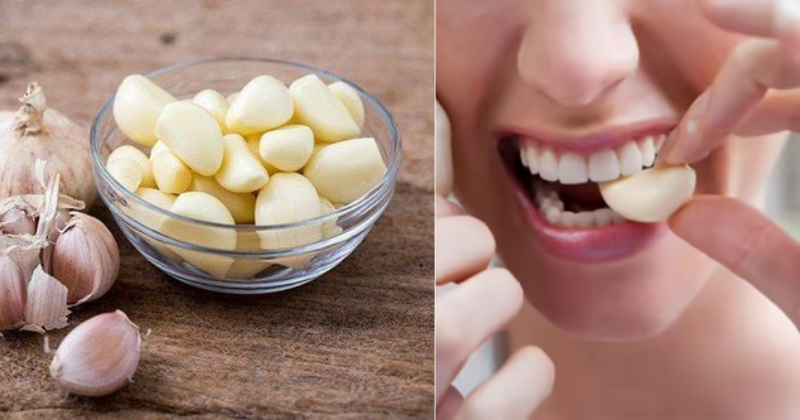
Chewing raw garlic on an empty stomach has gained attention as a traditional wellness practice with potential antimicrobial and cardiovascular benefits, though the science reveals both promising mechanisms and important considerations for those who try it.
The Biochemical Foundation of Raw Garlic’s Properties
Raw garlic (Allium sativum) contains a remarkable array of organosulfur compounds that undergo enzymatic transformation the moment its cellular structure is disrupted. When you crush or chew a garlic clove, the enzyme alliinase converts alliin—a sulfur-containing amino acid—into allicin, the compound responsible for garlic’s characteristic pungency and many of its biological activities.
This enzymatic reaction occurs within seconds of mechanical damage to the clove. Allicin itself is unstable and rapidly degenerates into various sulfur compounds including diallyl disulfide, diallyl trisulfide, and ajoene. These secondary metabolites exhibit distinct pharmacological properties that researchers have studied extensively over the past three decades.
The empty stomach context matters because gastric pH and digestive enzymes influence how these compounds are absorbed and metabolized. On an empty stomach, gastric acid concentration is higher, which can affect the stability of sulfur compounds, while the absence of other foods means faster gastric emptying and potentially different absorption kinetics in the small intestine.
Antimicrobial Effects and Immune Modulation
The antimicrobial properties of raw garlic have been documented across numerous in vitro studies. Allicin demonstrates broad-spectrum activity against bacteria, fungi, and certain viruses through multiple mechanisms. It can penetrate microbial cell membranes and interact with thiol-containing enzymes, disrupting essential metabolic processes.
Research indicates that allicin inhibits bacterial growth by oxidizing thiol groups in cysteine residues of bacterial proteins. This creates what researchers call « oxidative stress » at the cellular level, interfering with DNA replication and protein synthesis. Studies have shown activity against both gram-positive bacteria like Staphylococcus aureus and gram-negative species including certain Escherichia coli strains.
The fungal inhibition appears equally impressive in controlled laboratory conditions. Garlic extracts have demonstrated activity against Candida species, Aspergillus, and dermatophytes. The mechanism involves disruption of ergosterol synthesis in fungal cell membranes, though the concentrations required in laboratory studies often exceed what’s achievable through dietary consumption alone.
However, translating these in vitro findings to practical health outcomes requires caution. The concentrations used in petri dish experiments don’t necessarily reflect what happens in the complex environment of the human digestive system, where dilution, pH changes, and rapid metabolism alter these compounds significantly.
Cardiovascular Considerations and Metabolic Effects
One of the most researched aspects of garlic consumption involves its potential cardiovascular benefits. Multiple studies have examined how garlic compounds affect blood pressure, cholesterol metabolism, and platelet aggregation. The mechanisms appear multifactorial and involve several physiological pathways.
Allicin and its derivatives can stimulate endothelial cells to produce nitric oxide, a crucial signaling molecule that promotes vasodilation. This relaxation of blood vessel walls may contribute to modest reductions in blood pressure observed in some clinical trials. The effect appears more pronounced in individuals with elevated blood pressure compared to those with normal readings.
Garlic’s influence on lipid metabolism has generated considerable research interest. Some studies suggest that aged garlic extract—which contains different sulfur compounds than raw garlic—may modestly reduce total cholesterol and LDL cholesterol levels. The proposed mechanisms include inhibition of hepatic cholesterol synthesis and enhanced bile acid excretion.
The antiplatelet effects of garlic compounds represent another area of cardiovascular relevance. Ajoene, one of the breakdown products of allicin, has demonstrated anticoagulant properties by inhibiting platelet aggregation. This occurs through interference with fibrinogen binding to platelet receptors. While potentially beneficial for cardiovascular health, this property also raises concerns about bleeding risk, particularly when combined with anticoagulant medications.
Gastrointestinal Impact and Tolerance Issues
Consuming raw garlic on an empty stomach presents distinct challenges for the gastrointestinal system. The concentrated organosulfur compounds can irritate the gastric mucosa, particularly in individuals with sensitive digestive tracts or existing conditions like gastritis or gastroesophageal reflux disease.
The irritation occurs because allicin and related compounds have direct contact with the stomach lining without the buffering effect of other foods. Some individuals report burning sensations, nausea, or abdominal discomfort. These symptoms typically appear within 15 to 30 minutes of consumption and can persist for several hours.
Interestingly, the same compounds that cause irritation may also influence gut microbiota composition. Garlic exhibits prebiotic properties through its inulin content—a type of dietary fiber that selectively promotes beneficial bacterial growth. However, the antimicrobial effects of organosulfur compounds could theoretically affect both pathogenic and commensal bacteria, though research on this specific interaction remains limited.
Individual tolerance varies considerably. Some people consume raw garlic daily without adverse effects, while others experience significant discomfort even with small amounts. Factors influencing tolerance include gastric acid production, mucus barrier integrity, previous gut health status, and possibly genetic variations in sulfur compound metabolism.
Absorption Dynamics and Bioavailability Factors
The bioavailability of garlic’s active compounds—meaning the proportion that enters systemic circulation and reaches target tissues—depends on multiple factors. When consumed on an empty stomach, the initial absorption occurs primarily in the small intestine after rapid gastric emptying.
Allicin itself has poor systemic bioavailability because it degrades quickly in the acidic stomach environment and during first-pass hepatic metabolism. The metabolites that do enter circulation—including diallyl disulfide and S-allylcysteine—undergo extensive biotransformation in the liver through Phase I and Phase II detoxification pathways.
Studies using radiolabeled sulfur compounds have traced their distribution throughout the body. After oral consumption, these compounds appear in blood within 10 minutes, reach peak concentrations around 30 to 60 minutes, and can be detected in breath and skin for several hours afterward. This explains the persistent odor associated with garlic consumption.
The empty stomach timing theoretically allows for faster absorption compared to consumption with meals, but it also means more rapid degradation in the acidic environment without food to modulate pH. Some researchers suggest that crushing garlic and allowing it to sit for 10 minutes before consumption—regardless of eating timing—maximizes allicin formation before the enzyme becomes inactivated by stomach acid.
Practical Considerations and Individual Variability
The tradition of consuming raw garlic on an empty stomach, often first thing in the morning, appears rooted in folk medicine practices across various cultures. Proponents suggest this timing maximizes absorption and therapeutic effects, though rigorous comparative studies examining different consumption timings are scarce.
For those who choose to try this practice, starting with small amounts is advisable. A single small clove or even half a clove allows assessment of individual tolerance. Crushing or finely mincing the garlic rather than swallowing whole pieces may influence both enzymatic conversion and digestive comfort, though it also intensifies the immediate taste and odor.
The interaction potential with medications deserves attention. Garlic can enhance the effects of anticoagulant drugs like warfarin, increase bleeding risk when combined with antiplatelet agents, and potentially interfere with certain HIV medications and immunosuppressants. Anyone taking prescription medications should consult healthcare providers before adopting regular raw garlic consumption.
Breath and body odor represent practical social considerations that shouldn’t be dismissed. The volatile sulfur compounds responsible for garlic’s therapeutic properties are also excreted through lungs and skin pores. This creates a persistent odor that standard oral hygiene measures may not fully eliminate. The odor intensity varies among individuals, possibly related to genetic differences in sulfur metabolism enzymes.
Research Limitations and Evidence Quality
While garlic has been studied extensively, the research landscape reveals significant heterogeneity in study design, garlic preparations, and outcome measures. Many studies use aged garlic extract or standardized supplements rather than raw garlic, making direct comparisons challenging. The concentrations of active compounds vary dramatically between fresh cloves depending on cultivar, growing conditions, and storage duration.
Clinical trials examining raw garlic specifically have often been small, short-term, and lacking robust placebo controls. The distinctive taste and odor of garlic make true blinding difficult, potentially introducing bias into subjective outcome measures. Larger, well-controlled trials are needed to establish clear therapeutic benefits and optimal consumption patterns.
The extrapolation from laboratory findings to real-world health outcomes represents a persistent challenge in nutritional research. Just because a compound shows antimicrobial activity in a petri dish doesn’t guarantee meaningful clinical benefits when consumed as food. The human body represents a far more complex system with multiple layers of regulation, metabolism, and homeostatic mechanisms that can diminish or redirect the effects seen in simplified experimental models.
The Broader Context of Dietary Patterns
Focusing excessively on single foods or specific consumption timings may overshadow the importance of overall dietary patterns. The Mediterranean diet, which includes moderate garlic consumption as part of a diverse array of vegetables, fruits, whole grains, and healthy fats, has demonstrated robust cardiovascular and metabolic benefits in large epidemiological studies and clinical trials.
Garlic’s potential health contributions likely occur through multiple small effects rather than a single dramatic mechanism. When combined with other bioactive compounds from a varied diet, the cumulative impact on inflammation, oxidative stress, and metabolic regulation may exceed what any isolated food component could achieve alone.
The ritual aspect of consuming garlic on an empty stomach might also provide psychological benefits unrelated to the compound’s biochemistry. Engaging in intentional health practices can foster mindfulness about overall wellness and encourage other positive behaviors that collectively improve health outcomes.
Raw garlic remains a fascinating subject at the intersection of traditional medicine and modern biochemistry. While research supports several plausible mechanisms for health benefits—particularly antimicrobial and cardiovascular effects—the evidence for consuming it specifically on an empty stomach versus with food remains limited. Individual tolerance varies widely, and the practice isn’t without potential drawbacks including gastrointestinal irritation and medication interactions. Those curious about incorporating this tradition into their routine should start conservatively, monitor their response carefully, and maintain realistic expectations about what a single dietary practice can accomplish within the broader context of overall health habits.
Disclaimer: This article is for informational purposes only and is not a substitute for professional advice.
Source: National Center for Complementary and Integrative Health (NCCIH), National Institutes of Health – Garlic: What You Need to Know