
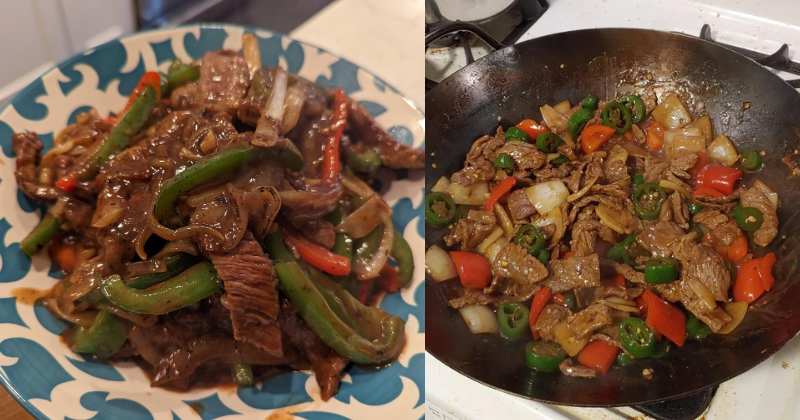
Chinese Pepper Steak with Onions represents the perfect harmony between tender beef, crisp vegetables, and a savory-sweet sauce that clings to every morsel. This restaurant-quality dish brings the essence of Cantonese cooking into your home kitchen, where the high heat of the wok transforms simple ingredients into something extraordinary. The beauty of this recipe lies in its accessibility—while it delivers complex flavors reminiscent of your favorite Chinese restaurant, the technique is entirely achievable for the home cook. What makes this particular preparation special is the careful attention to slicing, marinating, and the precise choreography of stir-frying that ensures each element maintains its integrity while melding into a cohesive whole. Whether you’re seeking a satisfying weeknight dinner or looking to impress guests with your wok skills, this Chinese Pepper Steak with Onions will become a treasured addition to your culinary repertoire.
Why This Recipe Deserves a Place in Your Kitchen
This Chinese Pepper Steak with Onions stands apart from countless variations because it respects the fundamental principles of Cantonese stir-frying while remaining practical for the Western home kitchen. The recipe achieves that coveted « wok hei »—the breath of the wok—even without restaurant-grade equipment.
Difficulty Level: Intermediate
Total Time Commitment: 40 minutes (including marinating)
Ideal Occasions: Weeknight dinners, casual entertaining, meal prep for the week
The dish offers remarkable versatility. Serve it over steamed jasmine rice for a complete meal, pair it with noodles for variety, or present it family-style alongside other Chinese dishes for a festive gathering. The vibrant colors—deep brown sauce, emerald bell peppers, ivory onions—make it visually stunning on any table.
Ingredients
For the Beef and Marinade:
- 1½ pounds flank steak, sliced against the grain into ¼-inch strips
- 2 tablespoons soy sauce
- 1 tablespoon Shaoxing wine (or dry sherry)
- 1 tablespoon cornstarch
- 1 teaspoon sesame oil
- ½ teaspoon white pepper
For the Sauce:
- ⅓ cup low-sodium beef broth
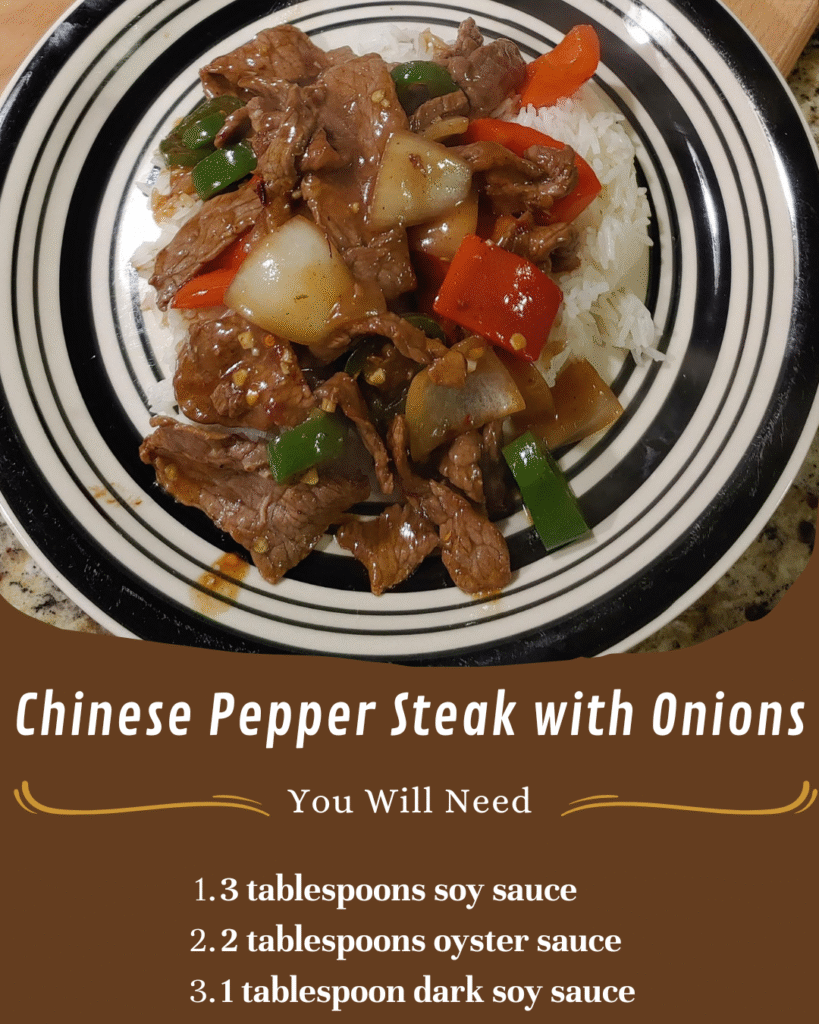
- 3 tablespoons soy sauce
- 2 tablespoons oyster sauce
- 1 tablespoon dark soy sauce
- 1 tablespoon cornstarch
- 2 teaspoons sugar
- 1 teaspoon rice vinegar
For the Stir-Fry:
- 3 tablespoons vegetable oil (divided)
- 2 large green bell peppers, cut into 1-inch pieces
- 1 large red bell pepper, cut into 1-inch pieces
- 1 large yellow onion, cut into 1-inch wedges
- 4 cloves garlic, minced
- 1 tablespoon fresh ginger, minced
- 3 green onions, cut into 2-inch pieces
- 1 teaspoon crushed red pepper flakes (optional)
Step-by-Step Instructions
- Prepare the beef marinade: In a medium bowl, combine the sliced flank steak with soy sauce, Shaoxing wine, cornstarch, sesame oil, and white pepper. Mix thoroughly with your hands, ensuring every strip is coated. Allow the meat to rest for at least 20 minutes at room temperature, or refrigerate for up to 2 hours for deeper flavor penetration.
- Create the sauce mixture: While the beef marinates, whisk together beef broth, soy sauce, oyster sauce, dark soy sauce, cornstarch, sugar, and rice vinegar in a small bowl. Set this aside within easy reach of your stove—stir-frying moves quickly, and you’ll need immediate access to all components.
- Prepare your mise en place: Arrange your bell peppers, onion wedges, minced garlic, ginger, and green onions near your cooking station. This French culinary principle of « everything in its place » proves essential for successful stir-frying, where timing separates mediocrity from excellence.
- Sear the beef in batches: Heat your wok or largest skillet over high heat until it begins to smoke lightly. Add 1½ tablespoons of vegetable oil, swirling to coat the surface. Working in two batches to avoid overcrowding, add half the marinated beef in a single layer. Let it sear undisturbed for 60 seconds, then stir-fry for another 60-90 seconds until the beef is just cooked but still slightly pink in spots. Transfer to a clean plate and repeat with the remaining beef.
- Stir-fry the vegetables: Add the remaining 1½ tablespoons of oil to the wok. Toss in the bell peppers and onion wedges, stir-frying over high heat for 3-4 minutes. The vegetables should develop slight char marks while retaining a crisp texture—this contrast between tender beef and snappy vegetables defines excellent pepper steak.
- Build the aromatics: Create a well in the center of the vegetables by pushing them to the sides of the wok. Add the minced garlic and ginger to this space, stirring constantly for 30 seconds until fragrant. The aromatics should perfume your kitchen without browning.
- Combine and finish: Return the beef and any accumulated juices to the wok. Give the sauce mixture a quick stir to recombine the cornstarch, then pour it over the beef and vegetables. Toss everything together vigorously, allowing the sauce to thicken and glaze each component—this should take 60-90 seconds. Add the green onions and red pepper flakes if using, tossing for a final 30 seconds.
- Serve immediately: Transfer the pepper steak to a warmed serving platter. The dish is best enjoyed straight from the wok, when the vegetables maintain their crispness and the sauce still glistens with that characteristic sheen.
Tips and Tricks for Pepper Steak Perfection
Slicing the beef correctly: The single most important technique for tender pepper steak involves slicing your flank steak against the grain. Look closely at the meat—you’ll notice long muscle fibers running in one direction. Cut perpendicular to these fibers in thin strips. This shortens the muscle fibers, ensuring each bite is tender rather than chewy. I keep my beef in the freezer for 20-30 minutes before slicing; the firmness makes achieving uniform, thin strips considerably easier.
Achieving proper wok temperature: Your cooking vessel must be blazingly hot before any ingredient touches its surface. This high heat creates the Maillard reaction—that beautiful caramelization that adds depth to stir-fried dishes. If your ingredients steam rather than sizzle when they hit the pan, your heat is insufficient. I let my wok heat for at least 3 minutes over high flame, until wisps of smoke appear.
Ingredient substitutions for flexibility: While flank steak represents the traditional choice, sirloin, skirt steak, or even ribeye work beautifully. For the peppers, feel free to use all green if that’s what you have, though the color variety adds visual appeal. No Shaoxing wine? Dry sherry or even a splash of dry white wine substitutes adequately. Tamari can replace soy sauce for a gluten-free version, though the flavor profile shifts slightly.
Storage and reheating strategies: Chinese Pepper Steak with Onions keeps well in an airtight container for 3-4 days refrigerated. The texture of the vegetables softens slightly, but the flavors actually deepen overnight. Reheat in a hot skillet or wok rather than the microwave—this revives some of that original wok character. Add a splash of water or broth if the sauce has thickened too much during storage.
Make-ahead approach: You can slice and marinate the beef up to 24 hours in advance. Prepare your vegetables and sauce mixture earlier in the day, storing them separately in the refrigerator. When dinner time arrives, you’re merely minutes away from a complete meal. This advance preparation makes pepper steak a realistic weeknight option even on busy evenings.
Common pitfalls to sidestep: Overcrowding the wok creates steam instead of sear, resulting in gray, braised meat rather than properly caramelized beef. Always cook in batches if necessary. Another frequent mistake involves adding the sauce too early—wait until the very end, allowing it to thicken quickly and coat rather than turning everything into a soup. Finally, resist the urge to constantly stir. Let ingredients sit undisturbed for moments, developing that essential char.
Serving suggestions for variety: Beyond the traditional rice pairing, try serving this pepper steak over crispy chow mein noodles for textural contrast. Lettuce wraps offer a lighter presentation—let guests spoon the pepper steak into butter lettuce leaves. For a low-carb option, cauliflower rice provides a neutral base that allows the sauce flavors to shine. I’ve even served this over mashed potatoes during fusion dinner parties, where it was received with surprising enthusiasm.
Nutritional Information
Per Serving (based on 4 servings):
- Calories: 385
- Protein: 38g
- Carbohydrates: 18g
- Dietary Fiber: 3g
- Sugars: 8g
- Fat: 18g
- Saturated Fat: 4g
- Cholesterol: 95mg
- Sodium: 1,240mg
Note: Nutritional values are approximate and will vary based on specific ingredients used and portion sizes. Using a leaner cut of beef or reducing oil can lower the overall fat content.
Frequently Asked Questions
Can I use a different cut of beef for this recipe?
Absolutely. While flank steak offers the ideal balance of flavor and tenderness when properly sliced, several alternatives work well. Sirloin provides a leaner option with excellent beefy flavor. Skirt steak, though slightly tougher, develops wonderful caramelization due to its loose grain structure. Even beef tenderloin works, though it’s admittedly extravagant for a stir-fry. The key remains consistent regardless of cut: slice thinly against the grain and avoid overcooking. I’ve experimented with various cuts over the years, and each brings its own character to the dish.
How can I make this dish spicier?
The beauty of Chinese Pepper Steak with Onions lies in its adaptability to heat preferences. Beyond the optional red pepper flakes mentioned in the recipe, consider adding sliced fresh chilies—Thai bird’s eye chilies for intense heat, or jalapeños for a milder kick. A tablespoon of chili garlic sauce stirred into the sauce mixture adds both heat and complexity. Some cooks incorporate a few dashes of Chinese chili oil just before serving, which contributes that distinctive numbing sensation from Sichuan peppercorns. Start conservatively; you can always add heat, but you cannot remove it.
Why does my sauce come out too thin or too thick?
Sauce consistency depends primarily on the cornstarch slurry and cooking temperature. If your sauce remains thin, the cornstarch may not have activated properly. Ensure your wok is hot enough—cornstarch requires heat to thicken. Always stir the sauce mixture immediately before adding it to the wok, as cornstarch settles to the bottom. If the sauce is too thick, you likely either used too much cornstarch or cooked it too long. Thin it by adding a tablespoon or two of beef broth. I’ve learned through countless iterations that confidence and high heat solve most sauce problems.
Can I prepare this with chicken or shrimp instead of beef?
This recipe adapts beautifully to other proteins. For chicken, use boneless thighs rather than breasts—they remain more tender during high-heat cooking. Cut them into similar-sized pieces as the beef, but reduce the stir-frying time slightly as chicken cooks faster. Shrimp creates an entirely different but equally delicious dish; use large shrimp, marinate briefly (10 minutes maximum, as the acid can affect texture), and cook for just 2-3 minutes until pink. The vegetable preparation and sauce remain identical. Each protein brings its own character while maintaining the essential spirit of the dish.
What’s the secret to getting restaurant-quality « wok hei » at home?
The legendary « wok hei » or « breath of the wok » comes from extremely high heat, proper technique, and a bit of understanding. Most home stoves cannot match restaurant BTU output, but you can approximate the effect. Use the highest heat your stove produces. Keep ingredients moving constantly during cooking—use a quick tossing motion rather than stirring. Cook in small batches to maintain temperature. A carbon steel wok conducts heat better than stainless steel. Some dedicated home cooks even use outdoor wok burners that produce restaurant-level heat. Most importantly, work quickly and confidently. Hesitation is the enemy of proper stir-frying.
How do I prevent my vegetables from becoming mushy?
Vegetable texture separates good pepper steak from mediocre versions. Cut your peppers and onions into substantial, uniform pieces—at least 1-inch in size. Smaller pieces overcook too quickly. Maintain high heat throughout the stir-frying process. The vegetables should cook for only 3-4 minutes total, developing char spots while retaining crispness. If your vegetables release too much water and begin steaming, your pan is either overcrowded or not hot enough. Remove excess liquid if it accumulates. I sometimes blanch vegetables briefly in boiling water before stir-frying, which sets their color and reduces final cooking time, though this adds an extra step.
Conclusion
Chinese Pepper Steak with Onions embodies everything wonderful about home-cooked Chinese cuisine—bold flavors, satisfying textures, and the rewarding challenge of mastering wok technique. This recipe respects tradition while remaining accessible, transforming simple ingredients into something memorable through careful attention and proper technique. The dance between tender beef, crisp vegetables, and that glossy sauce creates a dish that nourishes both body and soul.
I encourage you to approach this recipe with curiosity and confidence. Your first attempt might not achieve perfection—mine certainly didn’t—but each time you prepare it, your understanding deepens. Notice how the ingredients behave at different temperatures. Observe the precise moment when the sauce transforms from liquid to glaze. These small revelations turn cooking from mere task into genuine craft. Try this Chinese Pepper Steak with Onions tonight, and share your experience. Did you add your own creative touches? Perhaps you’ve discovered a variation that deserves celebration. The kitchen welcomes experimentation, and every cook brings unique perspective to even the most traditional recipes.