
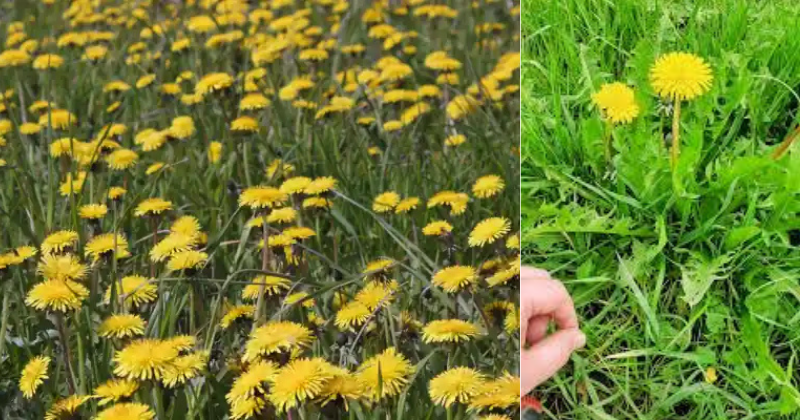
Dandelion, frequently dismissed as a common weed, constitutes a remarkable digestive auxiliary through its bioactive molecular compounds. This ancestral medicinal plant stimulates bile production and facilitates hepatic toxin elimination through well-characterized physiological mechanisms.
Phytochemical Composition and Digestive Properties
Taraxacum officinale, the botanical designation of common dandelion, harbors a complex molecular architecture that explicates its effects on the digestive system. Sesquiterpene lactones, notably taraxacin and triterpenic acids, confer the plant’s characteristic bitterness while stimulating digestive juice secretion through receptor-mediated pathways.
The leaves contain approximately 4 to 5% phenolic compounds, including derivatives of caffeic acid and chlorogenic acid. These molecules exert a measurable choleretic action, augmenting bile volume produced by hepatocytes. The root concentrates inulin at 25 to 40% depending on harvest period, this prebiotic fiber favorably modulating intestinal microbiota composition through selective fermentation.
Flavonoid glycosides, particularly luteolin-7-O-glucoside and apigenin derivatives, demonstrate antioxidant capacity with DPPH radical scavenging activity. The synergistic interaction between these molecular families generates the plant’s overall digestive effects, rather than isolated compound action.
Mechanisms of Action on Hepatobiliary Function
Dandelion’s digestive efficacy primarily depends on its capacity to modulate hepatic physiology through multiple molecular targets. Bitter principles stimulate type 2 taste receptors (T2R) present not only on the tongue but throughout the gastrointestinal epithelium. This activation triggers a cascade of neurohormonal signaling culminating in increased bile production.
Bile, synthesized continuously by the liver at 600 to 1000 ml daily in adults, plays a fundamental role in dietary lipid emulsification. Dandelion compounds, particularly flavonoids like luteolin, potentiate expression of hepatic transporters ABCB11 and ABCC2, thereby facilitating biliary acid and hepatic metabolite excretion. This molecular mechanism enhances enterohepatic circulation efficiency.
Empirical observations suggest regular consumption of dandelion preparations may reduce postprandial heaviness sensation, though precise mechanisms remain partially elucidated. The documented diuretic effect, attributed to notable potassium salt concentrations, contributes indirectly to metabolic waste elimination through enhanced renal clearance.
The plant’s sesquiterpene lactones interact with bitter taste receptors in gastric mucosa, stimulating gastrin release and subsequently increasing hydrochloric acid secretion. This gastroprokinetic effect may accelerate gastric emptying in certain physiological contexts, though individual responses vary considerably based on baseline digestive function.

Traditional Therapeutic Application Modalities
Dandelion applications in digestive phytotherapy assume several galenic forms, each presenting distinct absorption and bioavailability characteristics. Infusion of fresh or dried leaves, prepared at 4 to 10 grams per 250 ml simmering water, constitutes the most accessible method. Optimal extraction of water-soluble active principles occurs after 10 minutes steeping.
Mother tincture, obtained through hydroalcoholic maceration of the entire plant, permits superior concentration of liposoluble compounds. Traditional posology oscillates between 10 and 15 ml diluted in water, administered before principal meals. This galenic form offers advantages of prolonged conservation and relative standardization of active principles.
Consumption of fresh leaves in salad represents an interesting nutritional approach, simultaneously providing vitamins (A, C, K) and minerals (calcium, iron, potassium). Young shoots harvested in spring, before flowering, present less pronounced bitterness. Some practitioners also incorporate roasted root as coffee substitute, though this preparation partially modifies the original phytochemical profile through Maillard reaction and thermal degradation of thermolabile compounds.
Decoction of dried roots, requiring 10 to 15 minutes simmering, extracts deeper-seated compounds including triterpenic derivatives and polysaccharides. This preparation demonstrates higher concentrations of hydrolyzable components compared to simple infusion, though excessive heat may denature certain bioactive molecules.
Biological Interactions and Physiological Considerations
Dandelion’s cholagogue action involves increased vesicular contractility, a phenomenon necessitating certain precautions. Individuals presenting symptomatic biliary lithiasis should avoid intensive use of this plant, as excessive stimulation could theoretically favor calculus migration and provoke biliary colic through sphincter of Oddi spasm.
The pharmacokinetic profile of dandelion compounds reveals variable gastrointestinal absorption according to their chemical nature. Sesquiterpene lactones traverse lipid membranes relatively easily, while inulin, a high molecular weight polysaccharide, remains in the intestinal lumen where it exerts prebiotic effects. This colonic fermentation generates short-chain fatty acids (acetate, propionate, butyrate) that nourish colonocytes and modulate local inflammation through histone deacetylase inhibition.
The documented diuretic effect raises questions regarding potential interactions with renally-eliminated medications. Though controlled clinical studies remain limited, prudence recommends heightened surveillance during association with antihypertensives or anticoagulants, as dandelion may modify plasma concentrations through increased renal clearance. Potassium-sparing diuretics warrant particular attention given the plant’s inherent potassium content.
Allergic reactions, though relatively uncommon, occur in susceptible individuals, particularly those with known Asteraceae family sensitivities. Contact dermatitis from latex-containing milky sap represents the most frequently reported adverse reaction, manifesting as erythematous vesicular eruptions upon repeated cutaneous exposure.
Scientific Evidence and Research Perspectives
Contemporary scientific investigations on dandelion reveal growing interest in its hepatoprotective properties. In vitro studies demonstrated that ethanolic root extracts exert significant antioxidant activity, neutralizing free radicals and attenuating hepatic oxidative stress. The mechanism would implicate activation of transcription factor Nrf2, master regulator of cellular antioxidant response through ARE (antioxidant response element) binding.
Experimental murine models explored dandelion’s effect on chemically-induced hepatotoxicity. Preventive administration of Taraxacum officinale extracts showed reduction in hepatic enzymatic markers (ALT, AST) across multiple protocols, suggesting protective potential against metabolic insults. These preliminary results necessitate validation through rigorous clinical trials before therapeutic extrapolation.
Research published in the Journal of Ethnopharmacology documented anti-inflammatory properties mediated through NF-κB pathway inhibition and decreased pro-inflammatory cytokine production. The polysaccharide fraction demonstrated immunomodulatory effects in macrophage cell lines, enhancing phagocytic activity while reducing excessive inflammatory mediator release.
Inulin composition also positions dandelion as potential modulator of carbohydrate metabolism. This prebiotic fiber slows intestinal glucose absorption and favors proliferation of butyrate-producing bacteria, such as Faecalibacterium prausnitzii. Emerging research explores its impact on insulin sensitivity and lipid profile, domains where clinical data remain fragmentary but promising.
Integration into Comprehensive Nutritional Approach
Dandelion inscribes naturally within dietary strategy targeting digestive function optimization. Its richness in bitter compounds usefully complements modern alimentation, often deficient in these substances that naturally stimulate digestive secretions. Regular incorporation, even modest, may contribute to maintaining hepatobiliary physiology.
Seasonality substantially influences active principle concentration. Root harvested in autumn, after vegetative period, accumulates more inulin and triterpenic compounds through carbohydrate storage mechanisms. Spring leaves, less bitter, offer favorable palatability-efficacy ratio for neophytes. This natural variability reminds us that medicinal plants lack the absolute standardization of synthetic medications.
Synergistic association with other cholagogue plants like artichoke (Cynara scolymus) or milk thistle (Silybum marianum) is frequently practiced in traditional phytotherapy. These combinations aim to potentiate effects through complementary action mechanisms, though scientific evidence of superiority remains anecdotal. Each plant contributes distinct molecular components that theoretically address multiple physiological targets simultaneously.
The bitter principle content stimulates cephalic phase digestive secretions through vagal nerve activation, preparing the gastrointestinal tract for nutrient processing. This preparatory mechanism, largely diminished in contemporary dietary patterns favoring sweet and umami tastes, represents an underutilized physiological resource for digestive optimization.
Agronomic Considerations and Sustainability
Dandelion’s cultivation ease constitutes a non-negligible ecological advantage. This hardy species thrives without chemical inputs, resists moderate water stress, and adapts to diverse pedoclimatic conditions. Its domestic cultivation permits regular supply of fresh plant material, exempt from pesticide contamination or heavy metal accumulation from polluted environments.
Wild harvesting, an ancestral practice still widespread, nevertheless necessitates certain precautions. Areas contaminated by urban, industrial, or agricultural pollution should be avoided, as dandelion potentially accumulates trace metal elements from soils through root uptake and translocation. Minimum recommended distance from high-traffic roads generally exceeds 50 meters to limit exposure to exhaust particles and lead deposition.
Phytochemical composition reproducibility represents a challenge for standardized therapeutic utilization. Pedoclimatic, phenological, and genetic variations induce substantial fluctuations in secondary metabolite contents. This natural heterogeneity, characteristic of traditional phytotherapy, contrasts with contemporary pharmaceutical standardization requirements that demand batch-to-batch consistency.
The plant’s rapid growth cycle and prolific seed production ensure sustainability of wild populations despite harvesting pressure. A single plant produces 2000 to 15000 seeds annually, each equipped with pappus structure enabling wind dispersal across considerable distances, ensuring genetic diversity maintenance and population resilience.
Ethnopharmacological Perspectives and Clinical Validation
Plurisecular traditional use of dandelion across diverse global pharmacopeias testifies to empirical recognition of its properties. Traditional Chinese medicine employs Pu Gong Ying to drain heat and eliminate toxins, concepts finding approximate correspondences in modern biomedical terminology. This transcultural convergence reinforces interest for in-depth scientific investigations.
The gap persists between empirical usage and rigorous clinical validation. Randomized controlled trials remain scarce, limiting transposition of traditional observations into formal therapeutic recommendations. Research methodologies must adapt to phytotherapy specificities, where effect results from complex synergy rather than isolated molecule action.
Future developments could explore standardized extracts with high specific active compound content, thereby facilitating dose-response studies and results reproducibility. Advanced metabolomic characterization, using high-resolution mass spectrometry, would permit better understanding of in vivo metabolic transformations and actual systemic exposure through metabolite profiling.
Pharmacovigilance data accumulated over centuries of traditional use suggest relatively favorable safety profile, though systematic adverse event reporting remains incomplete. Contemporary clinical investigation should incorporate patient-reported outcomes alongside biochemical markers to comprehensively assess therapeutic benefit and tolerability across diverse populations.
Molecular Mechanisms and Emerging Research Directions
Recent investigations employing transcriptomic analysis revealed dandelion extract modulation of hepatic gene expression patterns. Specifically, upregulation of Phase II detoxification enzymes, including glutathione-S-transferases and UDP-glucuronosyltransferases, suggests enhanced xenobiotic processing capacity. This molecular reprogramming may underlie the plant’s traditional reputation for supporting liver function during toxic exposures.
The polysaccharide fraction demonstrates prebiotic selectivity, preferentially stimulating beneficial bacterial genera while inhibiting pathogenic species. In vitro fermentation studies using human fecal inocula showed increased production of short-chain fatty acids, particularly butyrate, which serves as primary energy source for colonocytes and exhibits anti-inflammatory properties through GPR43 and GPR109A receptor activation.
Dandelion’s potential as functional food ingredient merits exploration within contemporary nutritional science frameworks. Its incorporation into processed foods could address widespread deficiencies in dietary fiber and bioactive phytochemicals, though challenges remain regarding bitterness masking and thermal stability during food processing operations.
Dandelion exemplifies the potential therapeutic richness of common plants, neglected by conventional medicine yet valorized by traditional knowledge systems. Its accessibility, relative safety profile, and documented digestive properties position it as pertinent auxiliary for hepatobiliary function optimization within integrative digestive health approaches. The convergence of traditional empiricism and contemporary molecular investigation promises deeper understanding of this unassuming plant’s therapeutic mechanisms.
Disclaimer: This article is for informational purposes only and is not a substitute for professional advice.
Source: European Medicines Agency (EMA) – Committee on Herbal Medicinal Products (HMPC) assessment report on Taraxacum officinale.