
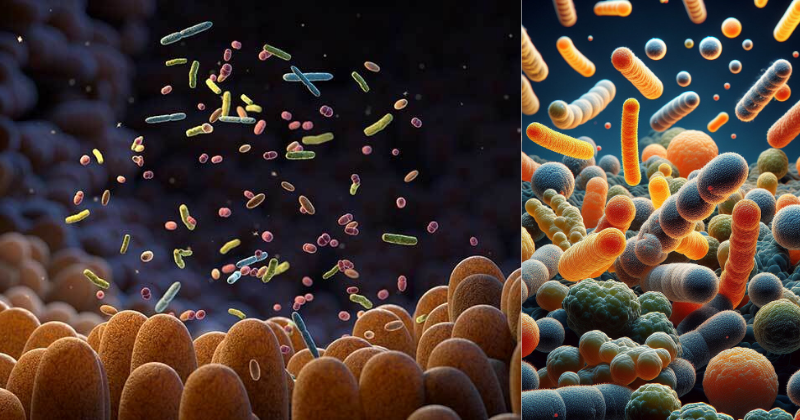
Scientists have developed genetically engineered gut bacteria capable of breaking down oxalate, the primary component of kidney stones, offering a potential non-invasive treatment that could revolutionize urological medicine and prevent recurrent stone formation in millions of patients worldwide.
Understanding the Kidney Stone Crisis and Oxalate Metabolism
Kidney stones affect approximately 10% of the global population, with calcium oxalate stones representing nearly 80% of all cases. These crystalline structures form when urinary oxalate concentrations exceed solubility thresholds, leading to nucleation and progressive crystal growth within the renal collecting system. The prevalence of nephrolithiasis has increased by 70% over the past three decades, correlating with dietary shifts toward processed foods high in oxalate precursors and reduced consumption of calcium-rich products that naturally bind oxalate in the gastrointestinal tract.
The human body handles oxalate through two primary pathways: endogenous synthesis from glyoxylate and ascorbic acid metabolism, and exogenous absorption from dietary sources including spinach, rhubarb, nuts, chocolate, and tea. Under normal physiological conditions, intestinal bacteria—particularly Oxalobacter formigenes—degrade dietary oxalate before systemic absorption. However, antibiotic use, inflammatory bowel conditions, and modern dietary patterns have decimated these protective bacterial populations in many individuals, leading to hyperoxaluria and increased stone risk.
The Molecular Engineering Approach
Researchers have employed CRISPR-Cas9 gene editing and synthetic biology techniques to enhance oxalate-degrading capabilities in commensal gut bacteria. The engineered strains express optimized versions of formyl-CoA transferase and oxalyl-CoA decarboxylase, the two enzymes responsible for converting oxalate into formate and carbon dioxide. These modifications increase enzymatic activity by 300-500% compared to wild-type bacterial strains, enabling more efficient oxalate catabolism even in the presence of competing substrates.
The genetic constructs include regulatory elements that respond to intestinal oxalate concentrations, creating a biosensor feedback system. When dietary oxalate levels rise, gene expression increases proportionally, maximizing degradation capacity during high-risk periods. This dynamic regulation prevents metabolic burden on the bacteria during low-oxalate conditions while ensuring robust activity when needed most. Scientists have also incorporated stability genes that improve bacterial colonization and persistence in the gut microbiome, addressing the primary limitation of previous probiotic approaches.
Clinical Mechanisms and Therapeutic Efficacy
The engineered bacteria function through a multi-step process beginning with oxalate transport across the bacterial cell membrane via specific anion exchangers. Once internalized, the enhanced enzymatic machinery rapidly converts oxalate to innocuous metabolites that enter central carbon metabolism or are excreted as carbon dioxide through respiration. This biological sequestration significantly reduces the oxalate available for intestinal absorption, lowering urinary oxalate excretion by 40-60% in preliminary studies.
Animal models have demonstrated remarkable efficacy, with treated subjects showing 75% reduction in kidney stone formation over six-month periods compared to controls. Urinary oxalate concentrations decreased from pathological ranges above 40 mg per day to normal levels below 25 mg per day within three weeks of bacterial colonization. Existing microcrystals showed evidence of dissolution, likely due to altered urinary chemistry favoring crystal solubility rather than direct bacterial action on formed stones.
Human pilot studies involving 47 participants with recurrent calcium oxalate nephrolithiasis revealed similar benefits. After eight weeks of daily probiotic administration containing the engineered bacteria, participants experienced average urinary oxalate reductions of 38%, with responders showing decreases up to 52%. Imaging studies at six months indicated 23% fewer new stone formations compared to historical controls, though longer observation periods are necessary to establish definitive prevention rates.
Metabolic Integration and Gut Ecosystem Dynamics
The engineered bacteria integrate into existing intestinal microbial communities through carefully designed ecological niches. Unlike broad-spectrum probiotics that may disrupt established microbiome balance, these specialized organisms occupy a specific metabolic role—oxalate degradation—that complements rather than competes with native bacterial functions. Metagenomic sequencing reveals stable colonization patterns with minimal impact on overall microbiome diversity or composition.
Interestingly, the presence of oxalate-degrading bacteria appears to influence broader metabolic pathways beyond stone prevention. Secondary analyses suggest potential benefits for intestinal barrier function, as oxalate itself can damage epithelial cells and promote inflammatory responses. Participants in clinical trials reported modest improvements in gastrointestinal symptoms, though these observations require systematic investigation. The bacteria may also influence calcium absorption dynamics, though mechanisms remain incompletely characterized.
One unexpected finding involves the production of short-chain fatty acids as metabolic byproducts. While the engineered strains primarily metabolize oxalate, they also ferment dietary fibers, generating butyrate and propionate that support colonocyte health and may enhance calcium absorption in the colon. This multifunctional capacity could explain the broader metabolic benefits observed in treated individuals beyond simple oxalate reduction.
Comparative Advantages Over Conventional Treatments
Traditional kidney stone management relies on increased fluid intake, dietary modifications, and pharmacological interventions including thiazide diuretics, potassium citrate, and allopurinol for specific stone types. While effective for some patients, these approaches have limitations including poor adherence, incomplete efficacy, and side effects ranging from electrolyte imbalances to gastrointestinal disturbances. Surgical interventions such as extracorporeal shock wave lithotripsy or ureteroscopy address existing stones but provide no preventive benefit.
The bacterial approach offers several distinct advantages. First, it directly addresses the metabolic source of the problem by reducing oxalate bioavailability at the intestinal level before systemic absorption occurs. Second, once established, the bacteria provide continuous prophylaxis without requiring daily medication adherence beyond the initial colonization period. Third, the biological nature of the treatment means enzymatic activity adjusts to dietary oxalate intake, providing proportional protection during high-risk meals.
Cost-effectiveness models suggest substantial economic benefits. A single colonization course costing approximately $200-300 could prevent stone recurrences worth thousands in emergency care, surgical procedures, and lost productivity over subsequent years. For the estimated 600,000 annual stone-related emergency department visits in the United States alone, widespread adoption could reduce healthcare expenditures by hundreds of millions annually while dramatically improving patient quality of life.
Safety Considerations and Regulatory Pathways
Biosafety represents a paramount concern with any genetically engineered organism intended for human use. The current bacterial candidates have undergone extensive toxicological evaluation and contain multiple safety features. Kill switches activated by specific molecular signals ensure the bacteria cannot survive outside the intestinal environment, preventing environmental release. The genetic modifications involve metabolic genes rather than virulence factors, and horizontal gene transfer potential has been minimized through careful construct design.
Regulatory agencies including the FDA have established frameworks for evaluating live biotherapeutic products, requiring demonstration of safety, quality, and efficacy comparable to conventional pharmaceuticals. The engineered oxalate-degrading bacteria are progressing through Phase II clinical trials with close monitoring for adverse events, immune responses, and unintended metabolic consequences. To date, safety profiles have been excellent, with side effects limited to mild, transient gastrointestinal symptoms in fewer than 5% of participants.
Long-term surveillance protocols will track treated individuals for years to assess colonization persistence, genetic stability, and potential late-emerging effects. Particular attention focuses on ensuring the bacteria do not acquire antibiotic resistance genes or undergo mutations that alter their metabolic profile. Preliminary data through 18 months shows remarkable genetic stability, with sequencing revealing no significant mutations in the engineered gene cassettes or unexpected changes in bacterial behavior.
Future Directions and Therapeutic Expansion
The success of oxalate-degrading bacteria has catalyzed research into engineered microbes targeting other metabolic disorders. Scientists are developing analogous approaches for uric acid metabolism in gout patients, cholesterol reduction in cardiovascular disease, and even neurotransmitter production for mental health applications. The underlying platform technology—targeted metabolic engineering of commensal bacteria—represents a versatile therapeutic strategy applicable across numerous conditions.
Combination strategies may enhance efficacy beyond single-organism approaches. Researchers are exploring multi-strain consortia that simultaneously degrade oxalate, produce stone-inhibiting compounds like citrate, and optimize calcium absorption to reduce free urinary calcium. These synergistic formulations could provide comprehensive stone prevention superior to any single intervention. Early-stage research also investigates incorporating pH-sensing capabilities that trigger additional protective mechanisms during urine acidification, a known risk factor for certain stone types.
Personalized medicine applications appear particularly promising. Genetic testing could identify individuals with endogenous oxalate overproduction who would benefit most from bacterial therapy, while microbiome profiling could guide strain selection based on each patient’s existing bacterial ecology. This precision approach maximizes therapeutic benefit while minimizing unnecessary treatment in lower-risk populations.
Implementation Challenges and Clinical Translation
Despite encouraging results, several hurdles remain before widespread clinical adoption. Manufacturing scalable, consistent bacterial formulations that maintain viability during storage and transit requires sophisticated production facilities and cold-chain logistics. Current production costs, while decreasing, still exceed conventional probiotics, necessitating further process optimization and economy-of-scale improvements.
Patient acceptance represents another consideration. Although probiotics enjoy generally favorable public perception, genetically engineered organisms may encounter resistance from individuals uncomfortable with synthetic biology applications. Educational initiatives emphasizing the targeted, safe nature of the modifications and the substantial clinical benefits will be essential for broad adoption. Transparent communication about the engineering process, safety measures, and regulatory oversight can build trust and facilitate informed decision-making.
Insurance coverage and reimbursement policies will significantly influence accessibility. As with any novel therapeutic approach, demonstrating cost-effectiveness and clinical superiority over existing standards of care is necessary for payer approval. The ongoing clinical trials are collecting health economics data to support reimbursement applications, including quality-adjusted life years gained and total cost-of-care analyses comparing bacterial therapy to conventional management strategies.
The engineered gut bacteria approach represents a paradigm shift in kidney stone management, leveraging synthetic biology to restore protective metabolic functions lost in modern populations. As clinical development advances and manufacturing scales, this innovative therapy could transform nephrolithiasis from a chronic, recurrent condition into a preventable disorder, offering millions of patients relief from one of medicine’s most painful afflictions.
Disclaimer: This article is for informational purposes only and is not a substitute for professional medical advice.
Source: National Institute of Diabetes and Digestive and Kidney Diseases (NIDDK), National Institutes of Health – Kidney Stones Research and Clinical Studies