
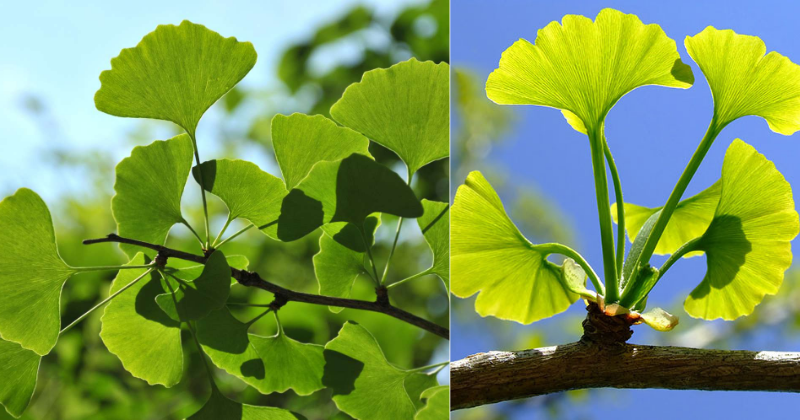
Ginkgo biloba, one of Earth’s oldest living tree species, bridges 270 million years of evolution with contemporary therapeutic applications. This living fossil offers documented cognitive, cardiovascular, and anti-inflammatory properties backed by phytochemical research and clinical investigations.
Botanical Heritage and Phytochemical Architecture
Ginkgo biloba survived the Permian extinction and thrived through the Mesozoic era, developing unique biochemical defenses that now interest pharmaceutical researchers. The tree’s fan-shaped leaves contain over 60 bioactive compounds, primarily organized into two major chemical families: flavonoid glycosides and terpenoids known as ginkgolides and bilobalides.
These molecules exhibit specific structural characteristics that influence their biological activity. Flavonoids in ginkgo—including quercetin, kaempferol, and isorhamnetin derivatives—demonstrate antioxidant capacity through electron donation mechanisms. The terpenoid fraction, particularly ginkgolides A, B, and C, possesses a unique cage-like molecular structure with lactone rings that enable interaction with platelet-activating factor receptors.
The standardized extract EGb 761, used in most clinical studies, contains approximately 24% flavonoid glycosides and 6% terpenoids. This specific ratio emerged from decades of extraction refinement and represents the composition most thoroughly investigated in medical literature.
Cognitive Function and Neuroprotective Mechanisms
Research into ginkgo’s neurological effects centers on several interconnected pathways. The extract modulates cerebral blood flow through nitric oxide-mediated vasodilation, potentially improving oxygen and glucose delivery to neural tissue. Studies using transcranial Doppler ultrasonography have measured increases in cerebral blood velocity following ginkgo administration, though effect sizes vary considerably between individuals.
At the cellular level, ginkgo constituents interact with mitochondrial function. Bilobalide appears to protect mitochondrial respiratory chain complexes from oxidative damage, maintaining ATP production efficiency in aging neurons. This mechanism becomes particularly relevant in neurodegenerative contexts where mitochondrial dysfunction contributes to disease progression.
The extract also influences neurotransmitter systems. Animal studies demonstrate that ginkgo affects cholinergic, dopaminergic, and serotonergic pathways, though the clinical significance in humans remains under investigation. Some research suggests enhancement of hippocampal plasticity markers, including brain-derived neurotrophic factor expression, which supports memory formation processes.
Clinical trials examining cognitive outcomes show mixed results. Meta-analyses of studies in age-related cognitive decline indicate modest improvements in memory tasks and processing speed, with effect sizes generally small to moderate. A 2015 Cochrane review found inconsistent evidence for preventing dementia, noting that study quality and endpoint definitions varied substantially across trials.
Cardiovascular and Circulatory Applications
Ginkgo’s influence on vascular function extends beyond cerebral circulation. The extract affects endothelial cells lining blood vessels, promoting nitric oxide synthase activity and reducing oxidative stress markers. This translates to improved flow-mediated dilation in peripheral arteries, measurable through ultrasound techniques.
Platelet function represents another key area of investigation. Ginkgolides competitively inhibit platelet-activating factor binding to its receptor, reducing aggregation tendency. This mechanism explains both therapeutic potential and bleeding risk considerations. Patients taking anticoagulant medications require careful monitoring when combining treatments with ginkgo supplements.
Studies in intermittent claudication—leg pain caused by inadequate blood flow—demonstrate that ginkgo may extend pain-free walking distance. A systematic review of randomized controlled trials found improvements averaging 34 meters in maximum walking distance compared to placebo, though individual responses varied considerably.
The extract also shows promise in managing tinnitus and vertigo, conditions potentially related to inner ear microcirculation. However, clinical evidence remains inconsistent, with some trials showing benefit while others find no significant effect compared to control groups.
Anti-Inflammatory and Antioxidant Properties
Ginkgo’s molecular components interact with inflammatory signaling cascades at multiple points. The extract inhibits nuclear factor-kappa B activation, a transcription factor that upregulates pro-inflammatory gene expression. This downstream effect reduces production of cytokines including tumor necrosis factor-alpha and interleukin-6.
The antioxidant capacity stems from both direct free radical scavenging and indirect effects on cellular defense systems. Flavonoid components donate electrons to reactive oxygen species, converting them to stable molecules. Simultaneously, ginkgo constituents upregulate endogenous antioxidant enzymes including superoxide dismutase and catalase through Nrf2 pathway activation.
Laboratory studies demonstrate that ginkgo extract protects various cell types from oxidative injury induced by hydrogen peroxide, UV radiation, or ischemia-reperfusion scenarios. The translation to whole-organism effects remains complex, as systemic antioxidant status depends on numerous interacting factors including diet, exercise, and genetic variations in antioxidant enzyme expression.
Ocular Health and Retinal Protection
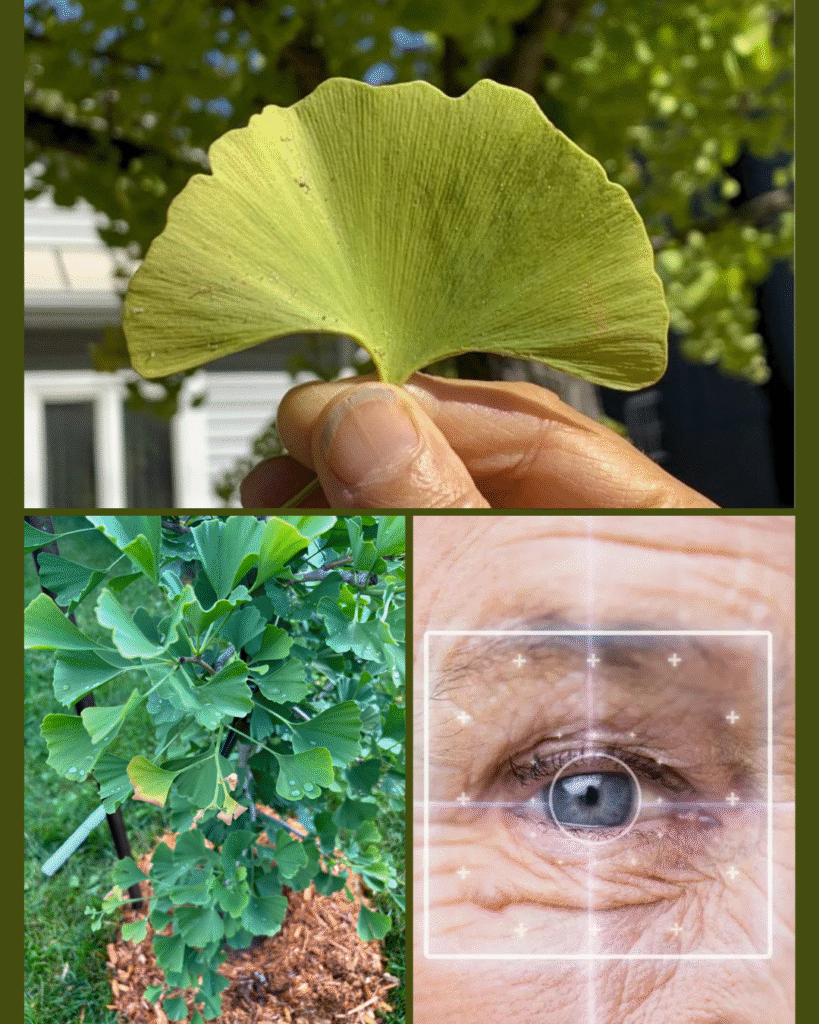
Emerging research explores ginkgo’s potential in ophthalmology, particularly regarding conditions involving retinal blood flow and oxidative stress. Studies in glaucoma patients have examined whether the extract improves visual field parameters, with some trials showing modest benefits in progression rates. The proposed mechanism involves enhanced retinal ganglion cell survival through improved microcirculation and neuroprotection.
Age-related macular degeneration research investigates whether ginkgo’s antioxidant properties might slow photoreceptor damage. While laboratory evidence supports protective effects against light-induced retinal injury, clinical trials have not conclusively demonstrated disease modification in humans. A large-scale study published in JAMA Ophthalmology found no significant reduction in macular degeneration progression with ginkgo supplementation over five years.
Preparation Methods and Traditional Applications
Traditional Chinese medicine has employed ginkgo seeds and leaves for centuries, though preparation methods differ substantially from modern standardized extracts. Historical texts describe roasted seeds used for respiratory conditions and cognitive support in elderly individuals, while leaf preparations addressed circulatory complaints.
Contemporary homemade preparations cannot replicate the standardized extract used in clinical research. The extraction process for EGb 761 involves acetone-water solvents, concentration, and removal of potentially allergenic ginkgolic acids. These ginkgolic acids, present in crude leaf material, may cause allergic reactions and are specifically reduced to below 5 parts per million in pharmaceutical-grade extracts.
For those interested in traditional preparation methods, dried ginkgo leaves can be used for tea, though potency and composition will differ significantly from studied extracts. A typical approach involves steeping 1-2 teaspoons of dried leaves in hot water for 10-15 minutes. This preparation may provide mild flavonoid content but lacks the concentrated terpenoid fraction and standardized ratios found in commercial products.
Ginkgo seed preparation requires careful handling, as the outer seed coat contains potent allergens similar to poison ivy compounds. Seeds must be thoroughly cleaned, and some traditional recipes involve roasting to reduce toxicity. However, raw or improperly prepared seeds can cause seizures and should be approached with caution.
Dosing Considerations and Bioavailability
Standard clinical dosing of ginkgo extract ranges from 120 to 240 milligrams daily, typically divided into two or three doses. Bioavailability studies show that flavonoid glycosides undergo hydrolysis in the intestine before absorption, while terpenoids absorb relatively intact. Peak plasma concentrations occur approximately 2-3 hours after oral administration.
The extract demonstrates moderate protein binding and hepatic metabolism through cytochrome P450 enzymes, particularly CYP2C9 and CYP3A4. This metabolic pathway creates potential for drug interactions with medications processed through the same enzymatic systems. Notable interactions include warfarin, antiplatelet agents, and certain antidepressants.
Individual response variation likely relates to genetic polymorphisms affecting both absorption and metabolism. Some individuals show robust increases in plasma antioxidant capacity following ginkgo supplementation, while others demonstrate minimal changes. This pharmacogenetic variability explains inconsistent outcomes in clinical trials and underscores the importance of personalized approaches.
Safety Profile and Adverse Effects
Ginkgo extract generally demonstrates good tolerability in clinical trials, with adverse event rates similar to placebo in most studies. Common reported effects include mild gastrointestinal upset, headache, and dizziness, typically resolving with continued use or dose adjustment.
The primary safety concern involves bleeding risk due to antiplatelet effects. Case reports have documented spontaneous bleeding events, including intracranial hemorrhage, though causation remains difficult to establish definitively. Patients undergoing surgery typically discontinue ginkgo 36-48 hours beforehand as a precautionary measure.
Allergic reactions occur rarely with standardized extracts but may develop in individuals sensitive to ginkgolic acids. These reactions manifest as skin rashes or, in severe cases, anaphylaxis. Products should specify ginkgolic acid content below 5 ppm to minimize this risk.
Seizure risk appears elevated with ginkgo seed consumption but remains extremely rare with standardized leaf extracts. The convulsant compound 4-O-methylpyridoxine in seeds interferes with GABA synthesis, but this constituent is absent or present in negligible amounts in properly prepared leaf extracts.
Contemporary Research Directions
Current investigations explore ginkgo’s potential in novel therapeutic areas. Researchers are examining effects on age-related hearing loss, with pilot studies suggesting possible benefit for sudden sensorineural hearing loss when used alongside corticosteroids. The mechanism may involve improved cochlear blood flow and reduced oxidative damage to auditory hair cells.
Metabolic syndrome research investigates whether ginkgo influences insulin sensitivity and lipid profiles. Preliminary animal studies show improvements in glucose metabolism markers, but human trials remain limited. Some evidence suggests modest reductions in fasting glucose and improvements in endothelial function in diabetic patients, though these findings require replication in larger cohorts.
Neuroinflammation in psychiatric conditions represents another emerging area. Studies examine whether ginkgo adjunctive therapy might benefit schizophrenia or depression through anti-inflammatory and neuroprotective mechanisms. Early results show promise for cognitive symptoms in schizophrenia, but methodological limitations prevent definitive conclusions.
Molecular biology techniques now enable precise investigation of ginkgo’s gene expression effects. Microarray and RNA sequencing studies reveal that the extract modulates hundreds of genes involved in inflammation, apoptosis, and cellular stress responses. This systems-level understanding may identify biomarkers predicting individual treatment response.
Quality Considerations and Product Variability
Commercial ginkgo products vary substantially in composition and quality. Analysis of over-the-counter supplements reveals that many contain less than claimed amounts of active constituents, while some include excessive ginkgolic acid levels. Third-party testing organizations provide verification services, helping consumers identify products meeting pharmaceutical standards.
Standardization terminology can confuse consumers. Products labeled as standardized should specify the percentage of key constituents—typically 24% flavonoid glycosides and 6% terpenoids—and provide information about extraction methods. Whole herb capsules containing ground ginkgo leaves differ fundamentally from concentrated extracts and have not been studied extensively in clinical trials.
Geographic origin influences leaf composition due to environmental factors affecting phytochemical production. Trees grown in temperate regions with distinct seasonal changes may produce different flavonoid profiles compared to those in more stable climates. However, standardized extraction processes aim to minimize these variations in final products.
Integration with Conventional Medicine
Healthcare providers increasingly encounter patients using ginkgo alongside prescription medications. Effective integration requires open communication about supplement use and awareness of potential interactions. The extract’s effects on platelet function necessitate caution with anticoagulants, antiplatelet drugs, and nonsteroidal anti-inflammatory medications.
Timing considerations matter for some interactions. Taking ginkgo several hours apart from certain medications may reduce interaction potential, though this strategy lacks systematic investigation for most drug combinations. Pharmacists can provide valuable guidance about spacing and monitoring requirements.
Laboratory test interference represents another consideration. Ginkgo may affect coagulation studies, potentially complicating interpretation of prothrombin time or international normalized ratio values in patients taking warfarin. Clinicians should note supplement use when ordering and interpreting these tests.
The supplement’s long-term safety profile remains well-established through decades of use and monitoring. However, the absence of rigorous post-market surveillance systems for dietary supplements means rare adverse events might escape detection compared to prescription pharmaceuticals.
Ecological and Conservation Perspectives
While ginkgo biloba cultivation for supplement production faces few sustainability concerns due to the tree’s hardy nature and widespread cultivation, wild populations have become extremely limited. The species exists primarily as planted specimens in gardens, temples, and urban landscapes throughout Asia. This cultivation history spanning millennia has created unique genetic diversity that researchers continue to characterize.
Modern propagation relies primarily on grafting and cutting techniques rather than seed germination, potentially reducing genetic diversity in commercial populations. Some researchers advocate for seed-based propagation to maintain the species’ genetic heritage and adaptive potential.
The tree’s remarkable resilience—demonstrated by specimens surviving the Hiroshima atomic bombing—has made it popular in urban forestry. However, female trees produce seeds with an extremely unpleasant odor, leading municipalities to preferentially plant male specimens. This selective planting creates monocultures potentially vulnerable to species-specific pests or pathogens.
Ginkgo biloba stands as a remarkable example of how ancient botanical lineages can inform modern therapeutic approaches. The convergence of traditional use, phytochemical characterization, and clinical investigation has produced a nuanced understanding of this plant’s potential benefits and limitations. While not a universal cognitive enhancer or cardiovascular panacea, ginkgo extract demonstrates specific effects on circulation, oxidative stress, and inflammatory pathways that may benefit selected individuals. As research methodologies advance, personalized approaches based on biomarkers and genetic profiles may optimize identification of those most likely to experience therapeutic benefit from this ancient leaf’s modern applications.
Disclaimer: This article is for informational purposes only and is not a substitute for professional advice.
Source: National Center for Complementary and Integrative Health (NCCIH), National Institutes of Health — Ginkgo biloba research reviews and clinical trial databases; European Medicines Agency (EMA) — Assessment report on Ginkgo biloba L., folium.