
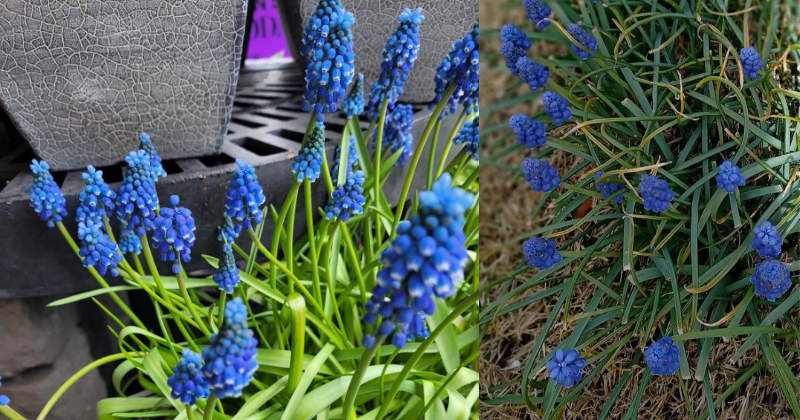
Grape hyacinth flowers offer an unexpected culinary dimension to spring gardens, with certain Muscari species providing edible bulbs and flowers that have been consumed for centuries in Mediterranean cuisines. However, proper identification remains critical, as not all varieties share the same safety profile and palatability characteristics.
Botanical Classification and Species Diversity
The genus Muscari encompasses approximately 40 species within the Asparagaceae family, native to regions spanning the Mediterranean basin, southwestern Asia, and parts of central Europe. These perennial bulbous plants produce dense racemes of urn-shaped flowers, typically in shades of blue, purple, or occasionally white. The common name derives from the clustered flower arrangement resembling miniature grape bunches.
Muscari comosum, commonly known as the tassel hyacinth or feather hyacinth, represents the most widely documented edible species. This variety exhibits distinctive characteristics including larger bulbs ranging from 2 to 4 centimeters in diameter and a more open flower structure with sterile upper florets forming a characteristic tuft. The species demonstrates considerable phenotypic variation across its native range, with populations in Greece, Turkey, and Italy showing subtle morphological differences.
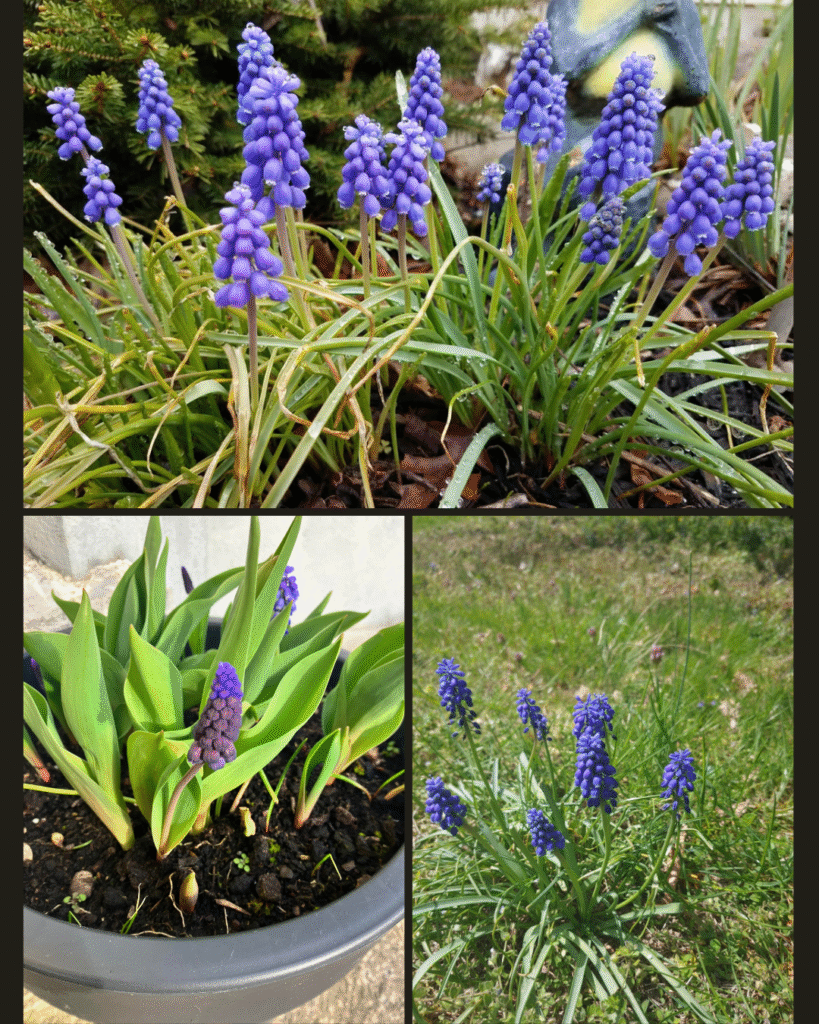
Muscari armeniacum, the Armenian grape hyacinth, dominates ornamental cultivation due to its compact growth habit and reliable flowering. While this species occasionally appears in traditional cuisine references, documentation of its edible applications remains considerably less extensive than M. comosum. The bulbs contain different concentrations of secondary metabolites, potentially affecting both palatability and digestive tolerance.
Traditional Culinary Applications and Regional Practices
In rural communities across Greece, Turkey, and southern Italy, Muscari comosum bulbs have maintained a presence in seasonal cooking traditions spanning generations. The Greek preparation known as « volvi » or « volvoi » involves harvesting young bulbs during late winter or early spring before flowering commences. Collectors target specimens approximately 1 to 2 centimeters in diameter, considering these optimal for texture and flavor development.
Traditional preparation methods typically involve multiple stages of processing to reduce the natural bitterness associated with raw bulbs. Initial cleaning removes the papery outer layers and any remaining soil particles. Cooks then blanch the bulbs in boiling water for 3 to 5 minutes, discarding this first cooking water. This blanching step extracts water-soluble bitter compounds while partially softening the dense tissue structure.
Following blanching, the bulbs undergo braising with olive oil, lemon juice, and various aromatic herbs. Common additions include fresh dill, parsley, or wild fennel, which complement the bulbs’ subtle sweetness while masking residual bitterness. Some regional variations incorporate tomato paste or white wine, creating a more complex flavor profile. The final dish typically requires 20 to 30 minutes of simmering to achieve the desired tender consistency.
Turkish cuisine features similar preparations under regional names, with collections occurring in mountainous areas of Anatolia. Harvesters demonstrate detailed knowledge of microhabitat preferences, targeting specimens growing in well-drained soils with partial shade. This ecological awareness ensures consistent quality while maintaining wild population sustainability.
Nutritional Composition and Bioactive Compounds
Chemical analysis of Muscari comosum bulbs reveals a carbohydrate-dominant composition, with starches and fructans constituting approximately 60 to 70 percent of dry weight. These complex carbohydrates provide the primary caloric contribution, with energy density comparable to other root vegetables and underground storage organs.
The bulbs contain moderate levels of dietary fiber, predominantly in the form of cellulose and hemicellulose within cell wall structures. This fiber content contributes to the characteristic texture following cooking and provides potential benefits for digestive function. Mineral analysis shows notable concentrations of potassium, calcium, and magnesium, though absolute amounts vary depending on soil composition and growing conditions.
Secondary metabolites within Muscari species include various phenolic compounds, saponins, and homoisoflavonoids. These phytochemicals likely evolved as defensive compounds against herbivores and pathogens. Saponin concentrations appear particularly significant in some species, contributing to the bitter taste and potentially explaining historical processing methods designed to reduce these compounds through water extraction.
Research investigating the homoisoflavonoid profiles of different Muscari species has identified compounds such as muscaridin and muscariphenol. These substances demonstrate structural similarities to compounds found in other Asparagaceae genera, suggesting shared biosynthetic pathways. The physiological effects of consuming these compounds at concentrations present in traditionally prepared dishes remain incompletely characterized in modern toxicological literature.
Identification Protocols and Safety Considerations
Distinguishing edible Muscari species from ornamental varieties and potentially problematic look-alikes requires attention to multiple morphological features. Muscari comosum exhibits several diagnostic characteristics including height typically reaching 20 to 40 centimeters at flowering, linear leaves with a distinctive grayish-green coloration, and the characteristic sterile upper floret arrangement.
The bulbs themselves provide important identification criteria. Edible M. comosum bulbs display an ovoid to spherical shape with relatively thin, pale brown tunics. When sectioned, the bulb interior appears white to cream-colored with concentric layers of modified leaf bases. Bulbs lacking these characteristics or showing unusual pigmentation patterns warrant additional scrutiny before consumption.
Muscari armeniacum, the species most commonly encountered in commercial cultivation, presents a more compact form with deeper blue-purple flowers arranged in tighter racemes. The bulbs generally measure smaller than M. comosum, averaging 1 to 1.5 centimeters in diameter. While toxicity data specific to this species remains limited, the lack of extensive culinary tradition suggests caution.
Several unrelated spring-blooming bulbs may superficially resemble Muscari species before flowering. Scilla species, particularly Scilla bifolia, occupy similar ecological niches and share the blue flower coloration. However, Scilla displays star-shaped flowers rather than the characteristic urn-shaped blooms of Muscari. More concerning, some Scilla species contain cardiac glycosides with potentially serious physiological effects.
Ornithogalum species present another identification challenge, particularly when plants remain in vegetative stages. These members of the Asparagaceae family produce similar linear foliage but develop star-shaped flowers in white or occasionally yellow. Several Ornithogalum species contain toxic cardenolides, making accurate identification essential before any consumption consideration.
Ecological Harvesting and Population Sustainability
Wild collection of Muscari comosum bulbs necessitates understanding of population dynamics and regenerative capacity. These plants reproduce both through seed production and vegetative multiplication via offset bulbs. Annual harvest impacts vary considerably depending on collection intensity and the portion of bulbs removed from any given population.
Traditional harvesters typically employ selective collection strategies, taking only a proportion of available bulbs from dispersed locations rather than exhaustively harvesting concentrated patches. This approach maintains sufficient reproductive individuals to ensure population persistence. Collectors also demonstrate preference for areas with robust growth, interpreting vigorous stands as indicators of favorable growing conditions and population health.
The timing of harvest significantly influences both plant populations and culinary quality. Collection during late winter, before flowering energy investment occurs, theoretically minimizes impact on individual plant vigor. However, this timing also removes the bulb before seed production, eliminating that reproductive pathway for harvested individuals. Offset bulb production may compensate for this removal in established populations, though recovery rates remain poorly quantified in most locations.
In regions where Muscari comosum maintains cultural significance as a wild food source, certain areas have experienced population declines attributed to overcollection combined with habitat modification. Agricultural intensification, particularly the conversion of traditional grazing lands to monoculture cultivation, reduces suitable habitat while fragmenting remaining populations.
Cultivation Considerations for Intentional Production
Growing Muscari comosum in garden settings provides an alternative to wild collection while enabling controlled quality and availability. These plants adapt readily to cultivation, demonstrating tolerance for various soil types provided drainage remains adequate. Bulbs prefer full sun to partial shade exposure, with flowering quality generally improving under higher light conditions.
Planting occurs during autumn, with bulbs positioned 5 to 8 centimeters deep and spaced approximately 8 to 10 centimeters apart. This depth protects bulbs from frost damage while allowing sufficient soil cover for root development. Well-established plantings produce offset bulbs over successive seasons, gradually forming dense colonies that eventually require division.
Cultivated bulbs intended for consumption benefit from soil amendment with organic matter, which improves both structure and nutrient availability. However, excessive nitrogen fertilization may promote excessive foliage growth at the expense of bulb development. Moderate fertility regimes generally produce optimal results, with bulb size and quality comparable to wild specimens.
Harvest timing for cultivated plants follows traditional guidelines, with collection occurring before flowering or during very early flower development. Gardeners can easily observe individual plants for size assessment, selectively harvesting larger bulbs while allowing smaller specimens additional growth time. This selective approach maintains planting vigor while providing successive harvest opportunities.
Preparation Methods and Culinary Techniques
Modern adaptations of traditional Muscari preparation maintain the fundamental processing steps while incorporating contemporary culinary techniques. Initial cleaning requires thorough inspection, removing any damaged or discolored bulbs from the harvest batch. The thin outer skin peels away relatively easily, revealing the pale inner bulb tissue.
The blanching step remains critical for palatability, with most contemporary recipes recommending 3 to 5 minutes in rapidly boiling water. Some cooks prefer extending this initial blanching to 7 or 8 minutes, particularly when processing larger bulbs or those harvested slightly later in the season. The blanching water typically develops a yellowish tint as water-soluble compounds extract from the bulbs.
Following blanching and draining, various cooking approaches achieve different textural outcomes. Sautéing blanched bulbs in olive oil over moderate heat for 10 to 15 minutes produces a golden exterior with tender interior. Adding aromatics such as garlic, shallots, or spring onions during the final minutes of cooking enhances flavor complexity without overwhelming the bulbs’ subtle taste.
Braising represents another traditional approach, particularly suited to larger batches. This method involves combining blanched bulbs with olive oil, lemon juice, and herbs in a covered pan, then simmering gently for 20 to 30 minutes. The bulbs absorb the aromatic cooking liquid while softening to a consistency similar to cooked pearl onions or small shallots.
Some regional recipes incorporate the tender young flower buds before full opening. These require minimal processing beyond brief blanching and can be added to salads or used as a garnish for the prepared bulbs. The flavor profile of flower buds differs somewhat from bulbs, displaying a more delicate, slightly sweet character with less pronounced bitterness.
Contemporary Interest and Foraging Culture
Recent decades have witnessed renewed interest in edible wild plants across many regions, with Muscari comosum occasionally appearing in foraging guides and wild food literature. This contemporary attention differs from traditional subsistence-oriented collection, instead emphasizing cultural preservation, culinary novelty, and connection with local food landscapes.
Modern foragers encounter challenges absent from traditional contexts, particularly regarding habitat access and identification confidence. Many suitable Muscari populations occupy private agricultural land or protected conservation areas, creating legal and ethical considerations around collection rights. Additionally, contemporary foragers often lack the multigenerational knowledge transmission that enabled reliable identification and preparation in traditional communities.
Restaurant chefs interested in local and seasonal ingredients occasionally incorporate foraged Muscari into spring menus, presenting the prepared bulbs as a specialty item with cultural and historical narratives. These culinary applications typically emphasize the Mediterranean heritage of the ingredient while highlighting its seasonal availability and unique flavor characteristics.
However, commercial collection for restaurant supply raises sustainability questions, particularly in regions where Muscari populations already face habitat pressure. Some establishments address these concerns by establishing relationships with landowners to cultivate patches specifically for harvest, or by incorporating cultivated material from dedicated garden spaces.
Chemical Variability and Individual Sensitivity
Not all individuals tolerate Muscari consumption equally, with reports of digestive discomfort occurring in some consumers despite proper preparation. This variability likely reflects multiple factors including individual digestive sensitivity to specific compounds, variation in preparation thoroughness, and possible chemical differences between plant populations.
The saponin content of Muscari bulbs deserves particular attention regarding tolerance variability. These glycosidic compounds can irritate digestive tract mucosa in susceptible individuals, potentially causing nausea, cramping, or diarrhea. Traditional processing methods that include extended blanching and discarding of cooking water specifically target saponin reduction, though complete elimination may not occur.
Some individuals report experiencing a slightly acrid aftertaste or mild oral tingling when consuming Muscari preparations, even when properly processed. These sensations may indicate sensitivity to specific compounds or could reflect inadequate processing time for the particular bulbs used. Starting with small portions allows assessment of individual tolerance before consuming larger quantities.
Chemical analysis of Muscari species from different geographic locations has revealed significant variation in secondary metabolite profiles. This variation suggests that populations adapted to different environmental conditions may have developed distinct chemical defenses, potentially affecting both palatability and physiological effects of consumption.
Distinguishing Culinary Tradition from Universal Safety
The long culinary history of Muscari comosum in specific Mediterranean regions demonstrates that properly identified and prepared specimens can be consumed by populations familiar with their use. However, this traditional context differs substantially from contemporary situations where individuals lacking cultural familiarity or direct knowledge transmission attempt to incorporate wild-collected Muscari into their diets.
Traditional knowledge systems accumulated detailed information about optimal collection timing, preferred populations, effective processing methods, and individual variation in tolerance. This knowledge developed through generations of observation and experience, with information passing between family members and community practitioners. Modern foragers typically cannot access this depth of contextual knowledge.
The absence of comprehensive toxicological data for various Muscari species in contemporary scientific literature creates additional uncertainty. While acute toxicity appears absent based on historical consumption patterns, detailed information about potential long-term effects, interaction with medications, or effects in specific populations remains limited.
Furthermore, the ornamental plant trade has widely distributed numerous Muscari species and cultivars globally, often without clear documentation of their taxonomic identity. Garden-escaped populations may represent species or hybrids without established culinary history, making identification-based safety assessment challenging.
Ornamental Varieties and Chemical Breeding
Modern ornamental Muscari breeding has emphasized flower characteristics including color intensity, bloom duration, and compact growth habit. These breeding objectives differ fundamentally from traits relevant to edible use such as bulb size, reduced bitterness, or favorable chemical profiles. Consequently, recently developed cultivars may possess characteristics that make them less suitable for consumption than traditional populations.
Some ornamental breeding lines have been selected for increased compound production that enhances flower pigmentation or disease resistance. These compounds may include elevated levels of flavonoids, anthocyanins, or other secondary metabolites. While these substances may benefit ornamental performance, their presence at higher concentrations could affect palatability or digestive tolerance.
Cultivar naming in the ornamental trade also creates identification challenges. Many commercially available Muscari products use trade names or cultivar designations that obscure the underlying species identity. A plant sold as « Blue Spike Grape Hyacinth » might represent a selection of M. armeniacum, a hybrid, or possibly even a different species entirely, making reliable identification from garden sources problematic.
Individuals interested in cultivating Muscari specifically for potential culinary use should seek sources that clearly identify plants as Muscari comosum and preferably indicate provenance from regions with traditional use. Avoiding recently developed ornamental cultivars reduces uncertainty about chemical composition and potential modification through breeding selection.
Disclaimer: This article is for informational purposes only and is not a substitute for professional advice.
Source: Royal Horticultural Society – Plant Identification and Safety Guidelines for Edible Ornamentals; Mediterranean Agronomic Institute of Chania – Traditional Food Plants of the Mediterranean Region