
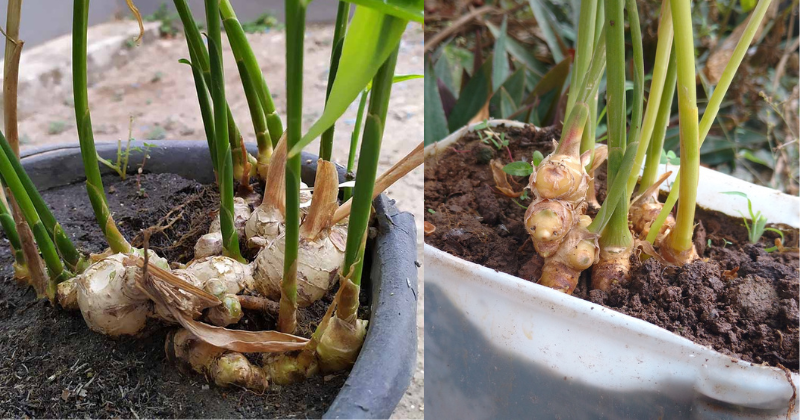
Growing ginger at home offers both culinary rewards and unexpected botanical surprises, particularly when this tropical rhizome produces its rare, exotic flowers. Understanding the conditions that trigger ginger blooms transforms a simple kitchen garden project into a fascinating exploration of plant biology and horticultural achievement.
The Biology Behind Ginger Growth
Ginger (Zingiber officinale) belongs to the Zingiberaceae family, a group of flowering plants that includes turmeric and cardamom. The plant’s underground rhizome serves as both the culinary ingredient and the propagation structure. When planted in appropriate conditions, these rhizomes develop fibrous roots downward while sending up pseudostems—leaf structures that resemble stems but are actually tightly wrapped leaf sheaths.
The growth cycle of ginger follows a predictable pattern in its native tropical habitat. The rhizome breaks dormancy when soil temperatures consistently exceed 20°C (68°F), initiating shoot development. Each growing point on the rhizome can produce multiple shoots, creating a dense cluster of foliage that typically reaches 60-90 centimeters in height. The leaves emerge in a distinctive alternate pattern, with each new leaf developing from within the previous one’s sheath.
Conditions That Encourage Blooming
Ginger blooms remain relatively uncommon in home cultivation, primarily because most growers harvest the rhizomes before the plant reaches sufficient maturity. In optimal conditions, ginger requires at least two full growing seasons to develop the physiological capacity for flowering. The plant must accumulate adequate energy reserves in its rhizome system and establish a robust root network before diverting resources to reproductive structures.
Temperature fluctuations play a critical role in triggering bloom development. While ginger thrives in consistently warm conditions, a subtle reduction in nighttime temperatures—dropping to around 15-18°C (59-64°F)—can signal the plant to initiate flowering. This temperature differential mimics the seasonal variations in ginger’s native Southeast Asian environment, where monsoonal patterns create distinct wet and dry periods.
Light exposure significantly influences blooming potential. Ginger naturally grows in filtered forest light, receiving bright but indirect illumination throughout the day. When cultivated indoors or in containers, providing 6-8 hours of bright, indirect light supports healthy growth, but the photoperiod—the ratio of light to darkness—affects flowering hormones. Some cultivators report increased blooming success when plants experience slightly shorter day lengths, particularly during the second year of growth.
The Emergence of Ginger Flowers
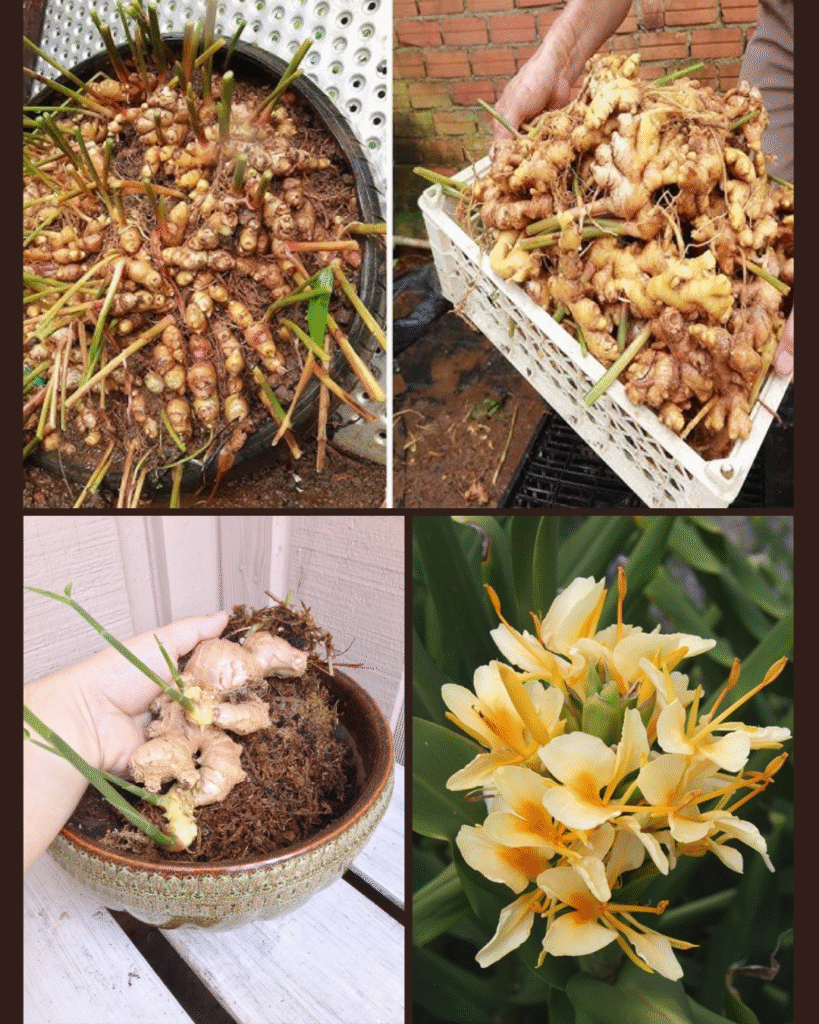
When a ginger plant decides to bloom, the flower structure emerges directly from the rhizome, separate from the leafy pseudostems. This characteristic surprises many growers who expect flowers to appear at the top of the foliage. Instead, a distinct flowering stem pushes through the soil surface, sometimes appearing several inches away from the main plant cluster.
The inflorescence develops as a cone-like structure composed of overlapping bracts—modified leaves that protect the developing flowers. These bracts display colors ranging from green to yellow, often with red or purple margins, depending on the ginger variety. The actual flowers emerge sequentially from between the bracts, typically showing pale yellow petals with purple or reddish streaks and a prominent purple labellum—the modified petal that serves as a landing platform for pollinators.
Each flower remains viable for only one or two days, but the inflorescence continues producing new flowers over several weeks. The blooms emit a subtle, sweet fragrance, particularly noticeable during early morning hours. In their natural habitat, these flowers attract small bees and other insects, though commercial ginger production relies primarily on rhizome division rather than seed propagation.
Cultivation Practices for Blooming Success
Achieving ginger blooms begins with proper planting methodology. Select fresh, firm rhizomes with multiple growth buds, visible as small, pointed protrusions on the surface. Breaking larger rhizomes into sections, ensuring each piece contains at least two or three buds, increases the number of potential flowering points while maintaining adequate energy reserves in each section.
Soil composition directly affects long-term plant health and blooming potential. Ginger requires well-draining growing medium rich in organic matter. A mixture combining equal parts quality potting soil, compost, and perlite or coarse sand provides the necessary drainage while retaining adequate moisture. The pH should range between 6.0 and 6.5, slightly acidic conditions that facilitate nutrient uptake.
Container selection matters more than many growers initially recognize. Ginger’s spreading growth habit requires wide, shallow containers rather than deep pots. A container measuring at least 35-40 centimeters (14-16 inches) in diameter and 25-30 centimeters (10-12 inches) deep accommodates rhizome expansion while preventing waterlogged conditions that promote rot. Adequate drainage holes remain essential, as ginger tolerates brief drying better than prolonged wetness.
Nutrient Management Through Growing Seasons
Fertilization strategy evolves as ginger matures from initial growth through potential blooming. During the first few months after planting, the developing shoots rely primarily on energy stored within the parent rhizome. Light feeding with a balanced fertilizer—such as a 10-10-10 formulation—applied monthly supports establishment without forcing excessive foliage growth at the expense of rhizome development.
As the plant enters its second growing season, increasing phosphorus and potassium relative to nitrogen encourages flowering. A fertilizer with a 5-10-10 ratio, applied every three to four weeks during active growth, provides the nutrients necessary for flower development. Organic options including well-aged compost, worm castings, or kelp meal offer slow-release nutrition that supports sustained growth without the risk of fertilizer burn.
Trace elements, particularly magnesium and sulfur, influence ginger’s overall vigor and blooming capacity. Periodic applications of Epsom salt—magnesium sulfate—dissolved in water at a rate of one tablespoon per gallon provides these elements. This supplementation proves especially valuable for container-grown plants, where nutrient leaching occurs more rapidly than in garden beds.
Water Requirements and Moisture Management
Ginger’s water needs shift throughout its growth cycle, requiring attentive observation rather than rigid schedules. During active growth from spring through summer, the soil should remain consistently moist but never saturated. Allowing the top inch of soil to dry between waterings prevents both water stress and root rot. In high humidity environments, watering every two to three days typically suffices, while drier climates may require daily attention.
As autumn approaches and growth naturally slows, gradually reducing watering frequency allows the plant to enter a semi-dormant phase. This reduction mimics the dry season in tropical regions and may contribute to bloom initiation in the following season. However, the soil should never become completely dry for extended periods, as this stresses the rhizome and can abort developing flower buds.
Humidity levels affect ginger’s health and blooming potential more subtly than direct watering. The plant evolved in environments with ambient humidity typically above 60 percent. Indoor cultivation often occurs in much drier conditions, particularly during winter months in heated homes. Placing containers on trays filled with pebbles and water, ensuring the pot base sits above the water line, creates a localized humid microclimate without waterlogging the roots.
Recognizing Pre-Bloom Indicators
Several weeks before flower emergence, attentive growers may notice subtle changes suggesting impending blooms. The rhizome system often produces noticeably plumper buds, visible when carefully brushing away surface soil. These buds appear more rounded and substantial than typical growth buds, indicating the development of flowering structures rather than additional pseudostems.
Foliage characteristics sometimes shift as the plant allocates resources toward reproduction. New leaf production may slow or pause entirely, and existing leaves might display slightly enhanced color intensity. These changes remain subtle—not the dramatic shifts seen in some flowering plants—but become recognizable with experience.
The soil surface may show slight elevation or cracking as the flowering stem pushes upward, similar to spring bulbs beginning their emergence. This physical displacement typically occurs within 7-10 days of the first visible flower spike breaking through the soil. Once the spike appears, flower development progresses relatively quickly, with the full inflorescence forming over 2-3 weeks.
Varietal Differences in Blooming Behavior
While common culinary ginger can bloom under appropriate conditions, several ornamental ginger species bloom more readily and reliably. Zingiber zerumbet, known as shampoo ginger or pinecone ginger, produces striking red or pink cone-shaped inflorescences and blooms more freely than culinary varieties. Alpinia species, including red ginger and shell ginger, belong to the same family and offer spectacular flowers with somewhat easier cultivation requirements.
Culinary ginger varieties show individual variation in blooming tendency, likely reflecting the diverse genetic background of commercially available rhizomes. Some sources suggest that ginger originating from specific regions—particularly Southeast Asian stock—may retain stronger blooming genetics than varieties bred primarily for rhizome production. However, systematic documentation of these differences remains limited in home gardening literature.
Turmeric (Curcuma longa), ginger’s close relative, generally blooms more readily than true ginger, producing elegant white or pink flowers emerging from green and purple bracts. Growers interested in achieving blooms might consider cultivating turmeric alongside ginger, using similar care techniques while experiencing greater likelihood of floral success.
Post-Bloom Care and Continued Cultivation
After flowering concludes, the plant enters a recovery phase requiring adjusted care. The energy expenditure of bloom production temporarily depletes rhizome reserves, making the plant more susceptible to stress. Maintaining consistent watering and light feeding helps the plant rebuild its underground storage organs. Some growers choose to remove spent inflorescences to redirect energy toward rhizome development, though leaving them in place causes no significant harm.
The rhizomes remain harvestable after blooming, though timing affects both yield and plant continuation. Harvesting 4-6 months after bloom completion allows maximum rhizome development while leaving adequate root structure for the plant to regenerate if desired. Alternatively, carefully harvesting portions of the rhizome while leaving the main growing points intact permits continued cultivation and potential future blooms.
Plants that have bloomed once show increased likelihood of repeat flowering in subsequent seasons, suggesting that the physiological changes necessary for bloom initiation become more readily triggered in mature specimens. Providing consistent care through successive growing seasons increases the probability of annual blooming, transforming a once-surprising event into an anticipated seasonal display.
Troubleshooting Common Cultivation Challenges
Despite optimal care, ginger cultivation presents occasional difficulties. Rhizome rot represents the most common serious problem, typically resulting from excessive moisture combined with insufficient drainage or cool temperatures. Affected rhizomes develop soft, brown, foul-smelling areas. Prevention through proper watering practices and well-draining soil proves far more effective than attempting to save severely rotted plants.
Yellowing foliage may indicate several distinct issues requiring different responses. Overall yellowing suggests nitrogen deficiency, addressable through increased fertilization. Lower leaves yellowing while new growth remains green indicates natural senescence, requiring no intervention. Yellowing accompanied by wilting despite moist soil may signal root damage or disease, necessitating examination of the root system and potential repotting with fresh medium.
Failure to bloom after multiple growing seasons disappoints many cultivators but rarely indicates serious problems. Ginger simply requires patience, with some plants taking three or even four years to achieve blooming maturity. Reviewing and adjusting environmental conditions—particularly temperature fluctuations and photoperiod—often proves more productive than intensive interventions. Some plants may never bloom in home conditions regardless of care quality, reflecting individual genetic variation or subtle environmental requirements remaining unmet.
The Unexpected Joy of Ginger Blooms
The surprise of discovering a ginger bloom emerging from seemingly ordinary foliage creates a memorable gardening moment that rewards patient cultivation. These flowers represent more than aesthetic appreciation—they demonstrate successful creation of conditions allowing a tropical plant to complete its full biological cycle in an entirely different environment. The achievement validates the grower’s understanding of plant needs and environmental manipulation.
Beyond personal satisfaction, blooming ginger offers educational opportunities, particularly for children or novice gardeners. Observing the entire plant lifecycle, from rhizome planting through flower production, provides concrete understanding of plant biology and growth requirements. The extended timeframe required for blooming teaches patience and long-term planning, valuable perspectives in an era of immediate gratification.
Whether your ginger blooms or simply produces abundant rhizomes for culinary use, the cultivation process offers rewards throughout the growing season. The plant’s attractive foliage, pleasant growth habit, and the anticipation of potential blooms create ongoing interest in a crop that might otherwise seem merely utilitarian.