
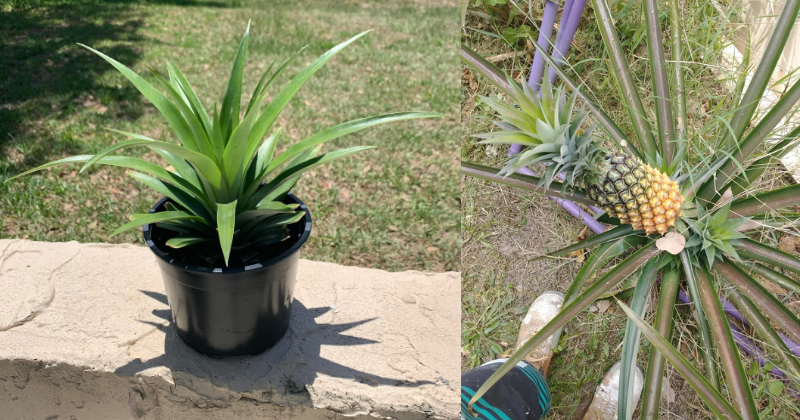
Growing pineapples in containers is an accessible and rewarding horticultural project that transforms tropical cultivation into a viable option for temperate climates and limited spaces. This comprehensive guide explores the botanical requirements, propagation techniques, and cultivation strategies necessary for successfully producing Ananas comosus in containerized environments.
Botanical Foundations and Cultivar Selection
Pineapple (Ananas comosus) belongs to the Bromeliaceae family and exhibits remarkable adaptability to container cultivation due to its compact root system and drought-tolerant physiology. The plant’s shallow, fibrous root network rarely extends beyond 30 centimeters in depth, making it exceptionally well-suited for pot culture. Unlike many tropical fruit species that require extensive root zones, pineapples allocate more resources to aerial biomass production than to underground development.
Several cultivar groups exist within commercial and ornamental pineapple production. The Smooth Cayenne group dominates global markets and adapts well to container growing, typically reaching 90-120 centimeters in height with proportional spread. The Queen group produces smaller fruits with more pronounced flavor complexity, while ornamental varieties like ‘Champaca’ offer aesthetic foliage with variegated patterns. For container cultivation, compact varieties prove most manageable, though standard commercial types succeed with adequate space allocation.
The plant’s CAM (Crassulacean Acid Metabolism) photosynthetic pathway represents a critical adaptation for water conservation. This metabolic strategy allows pineapples to open stomata during cooler nighttime hours, minimizing transpirational water loss while accumulating carbon dioxide for daytime photosynthesis. This physiological characteristic makes containerized pineapples remarkably tolerant of irregular watering schedules, though consistent moisture management optimizes growth rates.
Propagation Methodologies and Initial Establishment
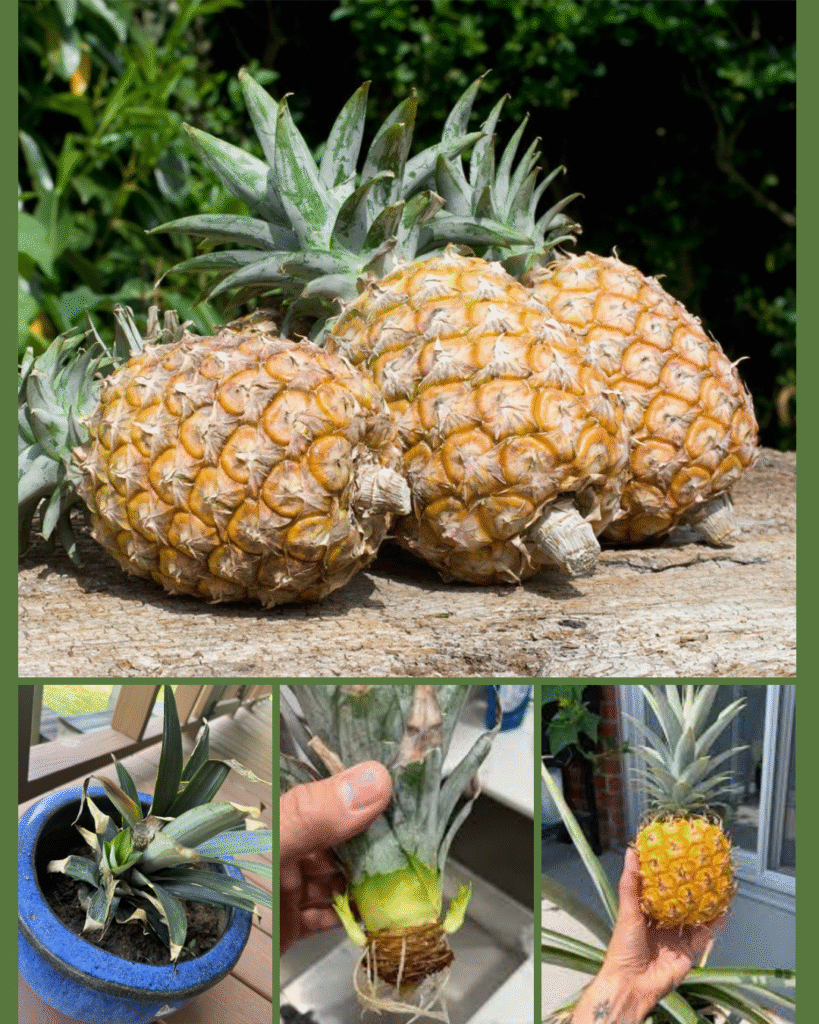
Three primary propagation methods exist for pineapple cultivation: crown removal from purchased fruits, slip collection from fruiting plants, and sucker division from established specimens. Crown propagation offers the most accessible entry point for novice growers, utilizing the vegetative apex removed from store-bought pineapples. The process begins with a clean horizontal cut separating the crown from fruit flesh, followed by removal of the lower 3-4 leaf whorls to expose potential root initiation zones.
After preparation, crowns require a curing period of 3-7 days in a shaded, well-ventilated location. This desiccation phase allows cut surfaces to develop protective callus tissue, reducing susceptibility to fungal pathogens during the vulnerable establishment period. Some cultivators apply rooting hormone powders containing indole-3-butyric acid (IBA) at concentrations of 1000-3000 ppm to the exposed crown base, though pineapples generally root without chemical intervention due to their robust regenerative capacity.
Initial rooting occurs in a well-draining medium with high porosity. A substrate composition of 40% perlite, 30% peat moss, and 30% coarse sand provides adequate aeration while maintaining sufficient moisture retention. The crown should be inserted 5-7 centimeters deep, with firm substrate compression around the base to ensure stability. Root emergence typically initiates within 3-6 weeks under optimal conditions of 24-29°C ambient temperature and 60-70% relative humidity.
Container Selection and Substrate Engineering
Container dimensions significantly influence pineapple development and fruiting potential. A minimum volume of 20 liters proves necessary for mature plant support, though 30-40 liter containers optimize root zone expansion and minimize irrigation frequency. Depth requirements remain modest at 30-40 centimeters due to the species’ shallow rooting habit, while diameter should accommodate the plant’s 60-90 centimeter leaf spread at maturity. Drainage provisions are non-negotiable—multiple holes of 1-2 centimeter diameter prevent waterlogging that rapidly induces root rot in susceptible bromeliad species.
Substrate pH significantly affects nutrient availability, with pineapples demonstrating optimal performance in acidic conditions between 4.5-5.5. This acidity preference reflects the plant’s evolutionary adaptation to tropical soils with high organic matter decomposition and aluminum complexation. A custom substrate blend might incorporate 35% coconut coir for moisture retention and slight acidity, 25% perlite for drainage and aeration, 20% composted pine bark for organic matter and pH buffering, 15% worm castings for slow-release nutrients, and 5% coarse sand for structural stability.
The substrate’s cation exchange capacity (CEC) influences nutrient retention and availability. Organic components like coir and compost provide higher CEC values, allowing the growing medium to hold and gradually release mineral nutrients. Pineapples exhibit relatively low nutritional demands compared to many fruiting crops, but benefit from sustained availability of nitrogen, potassium, and micronutrients throughout the extended 18-24 month cultivation cycle from crown to fruit.
Environmental Parameters and Microclimate Management
Temperature regulation represents the primary challenge when transitioning tropical pineapple cultivation to temperate zones. Optimal growth occurs within the 21-32°C range, with vegetative development slowing considerably below 18°C and ceasing entirely near 10°C. Container culture offers the critical advantage of mobility—plants can be relocated indoors during cold seasons or positioned in protected microclimates that moderate temperature extremes. South-facing locations near thermal mass structures like brick walls exploit passive solar heating and reduce temperature fluctuations.
Light requirements for pineapples are substantial but achievable in domestic settings. The species thrives with 6-8 hours of direct sunlight daily, though it tolerates partial shade with reduced growth rates and delayed fruiting. Insufficient illumination results in etiolated growth patterns, with elongated leaves lacking the characteristic rigidity and color intensity of properly lit specimens. In higher latitude regions during winter months, supplemental lighting using full-spectrum LED grow lights at intensities of 400-600 μmol/m²/s compensates for reduced photoperiods and weak solar angles.
Humidity considerations vary with cultivation location and season. While pineapples originate from humid tropical environments, their CAM photosynthetic pathway and thick cuticle layers provide considerable drought tolerance. Relative humidity between 40-60% suffices for container cultivation, though periodic foliar misting during particularly dry conditions prevents leaf tip browning. The plant’s central cup or tank—a characteristic feature of bromeliads—should be maintained with water during active growth periods, providing additional moisture reserves and contributing to the plant’s overall hydration status.
Nutritional Management and Fertilization Protocols
Pineapple nutrition follows a relatively straightforward protocol compared to many fruiting crops, though attention to specific mineral ratios enhances productivity. Nitrogen requirements peak during vegetative development, promoting leaf production and photosynthetic capacity. A balanced fertilizer with an NPK ratio of 10-10-10 or similar composition applied monthly at half the recommended strength for conventional plants prevents over-fertilization while maintaining adequate nutrient supply.
Potassium assumes increasing importance as plants approach reproductive maturity. This macronutrient directly influences fruit quality parameters including sugar accumulation, acidity balance, and flavor development. Transitioning to a higher potassium formulation like 5-10-10 approximately six months after establishment supports optimal fruit development. Foliar applications of dilute fertilizer solutions—typically one-quarter standard concentration—provide rapid nutrient uptake through the extensive leaf surface area, complementing root zone fertilization.
Micronutrient deficiencies occasionally manifest in containerized pineapples, particularly iron chlorosis in substrates with elevated pH or poor drainage. Symptoms include interveinal chlorosis on younger leaves, with progressive yellowing that impairs photosynthetic efficiency. Chelated iron formulations applied as soil drenches or foliar sprays at 50-100 ppm Fe concentrations typically resolve deficiency symptoms within 2-3 weeks. Magnesium deficiency presents similarly but affects older leaves first, responding to Epsom salt applications at 5 grams per liter as a foliar treatment.
Irrigation Strategies and Water Relations
Water management in container pineapple cultivation requires balancing the species’ drought tolerance with its requirement for consistent moisture during active growth. The CAM photosynthetic pathway allows pineapples to withstand periodic water stress, but prolonged drought during critical developmental phases reduces final fruit size and delays maturity. A practical irrigation approach involves thorough watering when the top 3-5 centimeters of substrate becomes dry to touch, allowing complete drainage before returning the container to its growing position.
Seasonal adjustments to irrigation frequency reflect changes in evapotranspiration rates and plant metabolic activity. During warm growing seasons with high light intensity, container pineapples may require watering 2-3 times weekly. Winter dormancy or cooler periods reduce water demands dramatically—monthly watering may suffice when temperatures drop below 15°C and growth essentially ceases. Overwatering during dormancy represents the most common cultivation error, frequently resulting in root rot from opportunistic Phytophthora or Pythium species.
Water quality influences long-term plant health, particularly in regions with alkaline tap water high in dissolved carbonates. These minerals gradually elevate substrate pH beyond the optimal acidic range preferred by pineapples. Periodic substrate pH monitoring using simple test strips alerts growers to rising pH trends. Remediation involves acidification using dilute vinegar solutions (5-10 ml per liter of irrigation water) or commercial pH adjusters formulated for acid-loving plants. Rainwater collection provides an ideal alternative when available, offering naturally soft, slightly acidic water free from chlorine and fluoride compounds that accumulate in container substrates.
Developmental Timeline and Flowering Induction
The timeline from propagation to fruit harvest extends 18-24 months under optimal conditions, though considerable variation occurs based on cultivar, environmental conditions, and plant vigor. Initial establishment occupies the first 2-3 months as root systems develop and new leaf production accelerates. The vegetative phase continues for 12-16 months, during which the plant produces 60-80 leaves in a characteristic rosette arrangement. Mature plants ready for flowering typically measure 60-90 centimeters in diameter with robust, rigid leaves displaying healthy coloration.
Natural flowering in pineapples responds to multiple environmental cues, including slight temperature reductions and changes in photoperiod. However, container cultivation allows for controlled flowering induction using ethylene gas—the same plant hormone that triggers ripening in many fruits. A traditional method involves placing a ripe apple in the plant’s central cup for 2-3 days. As the apple releases ethylene through natural ripening processes, the gas accumulates in the cup and triggers the plant’s flowering pathway. Alternatively, commercial products containing ethephon (an ethylene-releasing compound) provide more precise control over induction timing.
Following successful induction, a central flower spike emerges from the plant’s core within 4-6 weeks. The inflorescence consists of 50-200 individual flowers that open sequentially over several weeks, each eventually developing into a single fruitlet. These fruitlets fuse during development to create the compound fruit structure characteristic of pineapples. The flowering and fruit development phase spans 5-6 months from induction to harvest, during which increased potassium fertilization and consistent moisture support optimal fruit enlargement and sugar accumulation.
Pest Management and Pathological Considerations
Container cultivation significantly reduces pest pressure compared to field production, though several arthropod species occasionally colonize domestic pineapple plants. Mealybugs represent the most common pest, appearing as white, cottony masses along leaf axils and in the central cup. These sap-feeding insects excrete honeydew that promotes sooty mold growth and can transmit pineapple mealybug wilt-associated virus in commercial settings. Management involves physical removal with cotton swabs dipped in isopropyl alcohol, followed by application of insecticidal soap sprays at 7-day intervals for three treatments.
Spider mites proliferate during hot, dry conditions, causing stippled chlorotic patterns on leaf surfaces and fine webbing between leaves. These microscopic arachnids respond poorly to conventional insecticides but prove susceptible to horticultural oils and miticides. Maintaining adequate humidity through foliar misting provides cultural control by creating unfavorable conditions for mite reproduction. Predatory mites like Phytoseiulus persimilis offer biological control options for persistent infestations in greenhouse or indoor growing environments.
Fungal pathogens primarily affect pineapples through root and crown rot syndromes associated with excessive moisture. Phytophthora species cause particularly rapid decline, with initial symptoms including wilting despite adequate soil moisture, followed by blackening of the crown base and foul odors from decaying tissue. Prevention through proper drainage and conservative irrigation practices proves far more effective than attempted treatment of established infections. Salvage efforts for mildly affected plants involve complete substrate replacement, removal of affected tissue, and application of broad-spectrum fungicides containing fosetyl-Al or mefenoxam.
Harvest Evaluation and Post-Harvest Handling
Determining optimal harvest timing requires assessment of multiple ripeness indicators rather than relying on a single parameter. Color change represents the most obvious signal—fruits transition from green to yellow-orange, beginning at the base and progressing upward. However, color development varies among cultivars and environmental conditions. A more reliable indicator involves the « thump test »: gently tapping the fruit produces a hollow sound when sugars have accumulated and internal tissues have softened appropriately.
Fragrance provides another sensory evaluation tool. Ripe pineapples emit a distinctive sweet aroma detectable near the fruit base, indicating volatile ester production associated with full maturity. Some growers monitor individual fruitlet development, looking for slight separation between the geometric fruitlet patterns as cell wall softening progresses. Container-grown pineapples typically produce smaller fruits than commercial field specimens—weights of 1-2 kilograms represent successful cultivation outcomes, though exceptional specimens occasionally reach 2.5-3 kilograms under optimal conditions.
Harvesting involves cutting the fruit from the plant using clean, sharp pruning shears, leaving 2-3 centimeters of stem attached to the fruit base. This stem portion prevents bacterial entry into the fruit flesh and extends storage life. Post-harvest handling for home-grown pineapples remains minimal—fruits should be consumed within 2-3 days at room temperature or refrigerated at 7-10°C for up to one week. Following harvest, the mother plant typically produces vegetative offsets called suckers from the stem base or leaf axils. These genetically identical clones can be separated once they reach 15-20 centimeters in length, providing propagation material for subsequent cultivation cycles without requiring new crown collection.
Seasonal Adaptations and Long-Term Cultivation Strategies
Container pineapple cultivation in temperate climates necessitates strategic seasonal management to maintain plant health through temperature and light fluctuations. As autumn approaches and nighttime temperatures begin approaching 15°C, outdoor containers should be relocated to protected environments. Bright indoor locations near south or west-facing windows provide adequate winter light in many cases, though supplemental lighting optimizes continued slow growth during short winter photoperiods. Growth essentially pauses when temperatures remain below 18°C for extended periods—a natural semi-dormancy that requires minimal intervention beyond occasional watering.
The extended cultivation timeline from propagation to harvest means that many container growers will maintain plants for two or more years before successful fruiting occurs. Periodic repotting every 12-18 months refreshes substrate nutrients and prevents compaction that impedes drainage. Repotting should be performed during active growth periods in spring or early summer, minimizing transplant shock. Root disturbance should be minimal—pineapples transplant poorly when roots are aggressively pruned or damaged. The new container should provide only 5-7 centimeters of additional diameter, as excessive substrate volume retains moisture in zones unreachable by the limited root system.
Long-term pineapple container gardens can develop into semi-perpetual systems through sucker propagation. Each fruiting plant produces 3-8 offsets before declining, creating continuous production cycles when suckers are potted separately. Staggered planting schedules—establishing new crowns or suckers every 6 months—result in overlapping developmental timelines that can theoretically provide annual harvest opportunities. This approach transforms a single experimental plant into a productive long-term cultivation system requiring modest space and maintenance inputs while offering the distinctive satisfaction of harvesting tropical fruit in improbable climatic zones.