
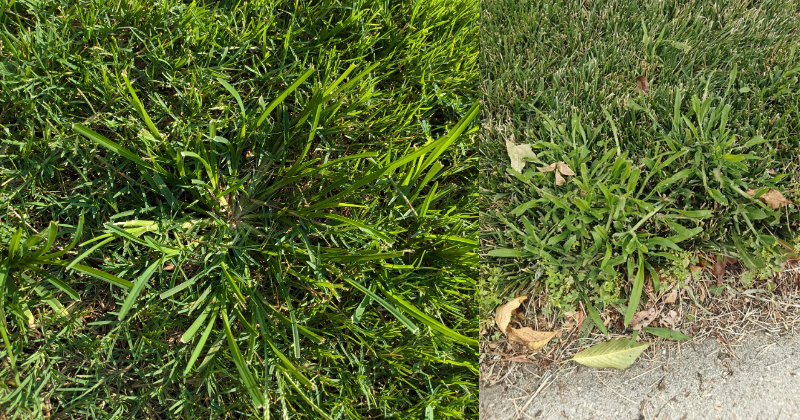
Goose grass (Galium aparine), also known as cleavers or catchweed, represents a remarkable botanical specimen with extensive historical applications in traditional medicine and contemporary phytotherapy. This herbaceous annual demonstrates unique biochemical properties and ecological adaptations that have positioned it as a valuable resource in herbal medicine, offering potential benefits for lymphatic support, skin health, and urinary system function.
Botanical Classification and Morphological Characteristics
Galium aparine belongs to the Rubiaceae family and exhibits distinctive morphological features that facilitate its identification in diverse ecosystems. The plant develops square stems covered with recurved bristles, creating a characteristic clinging texture that enables vertical growth through attachment to surrounding vegetation. These trichomes, composed of specialized epidermal cells, serve both mechanical support and defensive functions against herbivory.
The leaves arrange themselves in whorls of six to eight, displaying a lanceolate morphology with prominent midribs. Each leaf blade measures approximately 10-50 millimeters in length, featuring marginal bristles that enhance the plant’s adhesive properties. This architectural arrangement optimizes photosynthetic efficiency while maintaining the climbing growth pattern characteristic of the species.
The flowering structures emerge from leaf axils, producing small white to greenish flowers typically measuring 2 millimeters in diameter. These flowers develop into spherical fruits covered with hooked hairs, facilitating zoochorous dispersal through animal fur and human clothing. This evolutionary adaptation has enabled Galium aparine to achieve widespread distribution across temperate regions globally.
Phytochemical Composition and Bioactive Compounds
The therapeutic potential of goose grass derives from its complex phytochemical profile, encompassing multiple classes of bioactive metabolites. Primary constituents include iridoid glycosides, particularly asperuloside, which demonstrates significant anti-inflammatory properties through modulation of cyclooxygenase pathways. These compounds represent the plant’s defensive chemistry against pathogenic microorganisms and environmental stressors.
Flavonoid compounds present in Galium aparine, including luteolin and apigenin derivatives, contribute to its antioxidant capacity. These polyphenolic structures effectively neutralize reactive oxygen species through electron donation mechanisms, potentially protecting cellular components from oxidative damage. The concentration of these flavonoids varies seasonally, with maximum accumulation typically occurring during pre-flowering developmental stages.
The plant also contains substantial quantities of chlorophyll and related porphyrin derivatives, contributing to its traditional use as a « blood purifier » in folk medicine. Additionally, the presence of alkanes, fatty acids, and phenolic acids creates a lipophilic fraction with potential dermatological applications. Citric acid and other organic acids contribute to the slightly astringent taste profile and may influence the plant’s diuretic properties.
Lymphatic System Support and Detoxification Mechanisms
Traditional herbalism has long valued goose grass for its purported lymphatic cleansing properties, a application that aligns with contemporary understanding of herbal diuretics and alteratives. The lymphatic system, comprising a network of vessels, nodes, and organs, functions as a critical component of immune surveillance and fluid homeostasis. Goose grass contains compounds that may support lymphatic circulation through mild diuretic action and potential effects on vessel tone.
The mechanism underlying these effects likely involves multiple pathways. The plant’s high potassium content and organic acid composition may promote increased renal filtration without excessive electrolyte depletion, a characteristic of balanced herbal diuretics. This gentle action contrasts with pharmaceutical diuretics that target specific ion transport mechanisms, potentially explaining the traditional preference for goose grass in supporting gradual detoxification processes.
Clinical observations, though limited in scope, suggest that regular consumption of goose grass preparations may reduce lymphatic congestion in individuals experiencing mild edema or sluggish lymphatic drainage. However, the exact molecular targets and pharmacodynamic profiles remain incompletely characterized, necessitating further investigation through controlled clinical trials to establish efficacy parameters and optimal dosing regimens.
Dermatological Applications and Skin Health
The topical and internal use of Galium aparine for skin conditions represents another significant dimension of its therapeutic repertoire. Historical texts document its application for eczema, psoriasis, and various inflammatory dermatoses. The biochemical basis for these uses involves the plant’s anti-inflammatory constituents and potential effects on sebum production and epithelial cell turnover.
Asperuloside and related iridoid compounds demonstrate inhibitory effects on inflammatory mediators including prostaglandins and leukotrienes. These lipid signaling molecules play central roles in the pathophysiology of inflammatory skin conditions, contributing to erythema, pruritus, and tissue remodeling. By modulating these pathways, goose grass extracts may reduce inflammatory responses in affected tissues.
The plant’s astringent properties, attributable to tannin compounds and organic acids, contribute to its utility in treating minor wounds and skin irritations. These compounds precipitate proteins at tissue surfaces, creating a protective layer that reduces microbial colonization and fluid loss. Additionally, the antioxidant flavonoids may protect dermal structures from ultraviolet radiation damage and environmental oxidative stress, though the extent of this photoprotection requires quantitative assessment.
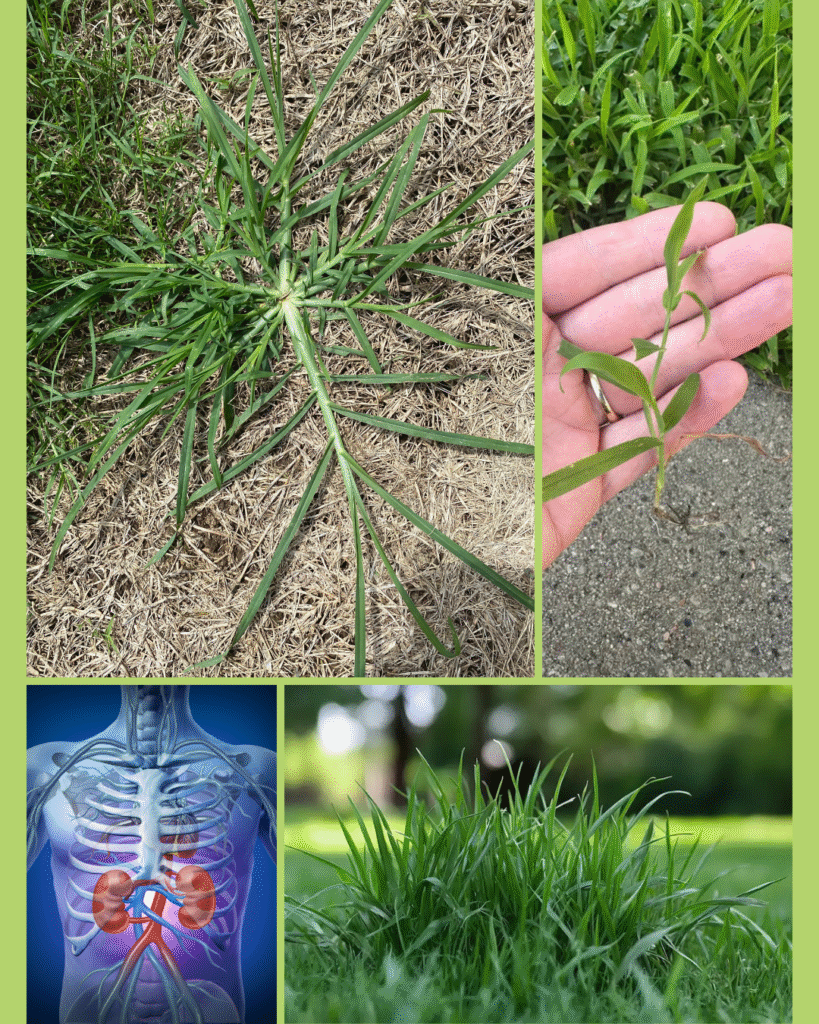
Urinary Tract Function and Renal Support
Goose grass has earned recognition as a gentle urinary system tonic, traditionally employed for supporting kidney function and addressing minor urinary discomfort. The plant’s diuretic action promotes increased urine production without causing harsh irritation to renal tissues, a quality particularly valued in managing conditions characterized by fluid retention or urinary tract inflammation.
The presence of saponin compounds may contribute to antimicrobial effects within the urinary tract, potentially inhibiting bacterial adhesion to epithelial surfaces. This mechanism proves relevant for preventing recurrent urinary tract infections, though it should not replace conventional antimicrobial therapy for acute infections. The alkaloid content, though minimal, may also influence smooth muscle tone in urinary structures.
Research investigating the plant’s effects on crystalluria and stone formation remains preliminary, but traditional applications suggest potential benefits in preventing calcium oxalate crystal aggregation. This effect might result from alteration of urinary pH or chelation of mineral ions, mechanisms that warrant systematic investigation through in vitro crystallization studies and clinical monitoring of urinary composition in treated subjects.
Preparation Methods and Traditional Formulations
The optimal extraction of bioactive compounds from goose grass depends on preparation methodology, with different techniques yielding varying phytochemical profiles. Fresh plant juice, obtained through mechanical pressing of aerial parts, preserves heat-sensitive compounds and enzymatic activity. This preparation method, favored in traditional European herbalism, provides maximum retention of volatile constituents and labile glycosides.
Infusion preparation involves steeping dried or fresh plant material in hot water for 10-15 minutes, allowing hydrophilic compounds to dissolve while avoiding excessive heat exposure that might degrade thermolabile constituents. The typical ratio employs 2-3 teaspoons of herb per cup of water, consumed two to three times daily. This method efficiently extracts water-soluble vitamins, minerals, and glycosidic compounds.
Tincture formulations utilize alcohol-water mixtures to extract both hydrophilic and lipophilic compounds, creating a concentrated preparation with extended shelf stability. The standard ratio involves 1 part dried herb to 5 parts menstruum, typically using 40-50% ethanol. Maceration proceeds for two to three weeks with periodic agitation, followed by filtration and bottling in amber glass containers to prevent photodegradation.
Ecological Significance and Sustainable Harvesting
Beyond its medicinal applications, Galium aparine fulfills important ecological functions in temperate ecosystems. The plant provides early-season forage for pollinators, with its small flowers offering nectar and pollen resources during spring months when alternative sources remain limited. The dense growth habit creates microhabitats for beneficial insects and arthropods that contribute to pest regulation in agricultural and garden settings.
Sustainable harvesting practices ensure continued availability of this botanical resource while maintaining ecosystem integrity. Collection should focus on abundant populations in disturbed habitats where the plant grows prolifically, avoiding removal of entire populations or harvesting from conservation areas. The optimal collection period coincides with pre-flowering stages when phytochemical concentrations peak, typically occurring in late spring across most temperate regions.
The plant’s rapid growth rate and prolific seed production enable populations to recover quickly from moderate harvesting pressure. However, commercial collectors should implement rotation systems that allow multi-year recovery periods for heavily harvested sites. Additionally, proper identification skills prove essential, as several Galium species exhibit similar morphologies but differ in phytochemical composition and therapeutic properties.
Contemporary Research Directions and Clinical Potential
Modern phytochemical investigations have begun elucidating the molecular mechanisms underlying goose grass’s traditional applications, revealing promising avenues for therapeutic development. In vitro studies demonstrate significant antiproliferative effects of plant extracts against certain cancer cell lines, attributable to the combined action of multiple phytochemicals rather than single isolated compounds. These findings suggest potential applications in integrative oncology, though extensive preclinical and clinical research remains necessary.
Immunomodulatory properties represent another emerging research focus, with preliminary evidence indicating effects on lymphocyte function and cytokine production. The plant’s traditional use for « blood cleansing » may reflect these immune-regulatory actions, which could prove valuable in managing inflammatory conditions and autoimmune disorders. However, the complexity of immune system interactions demands careful investigation to establish safety profiles and identify potential contraindications.
The neuroprotective potential of goose grass constituents has attracted recent attention, with flavonoid compounds showing capacity to modulate oxidative stress in neural tissues. These effects might contribute to cognitive function support and neurodegenerative disease prevention, though current evidence derives primarily from in vitro models and requires validation through animal studies and human trials before clinical recommendations can be formulated.
Integration into Contemporary Wellness Practices
Modern herbalists and integrative healthcare practitioners increasingly incorporate goose grass into comprehensive wellness protocols, particularly for supporting detoxification processes and lymphatic health. The plant combines well with complementary herbs such as Echinacea, red clover, and burdock root in traditional « blood purifying » formulas designed to support the body’s natural elimination pathways.
Seasonal cleansing protocols often feature goose grass as a primary component during spring months when fresh plant material becomes available. These programs typically span two to four weeks, combining herbal preparations with dietary modifications emphasizing whole foods, adequate hydration, and reduced intake of processed substances. The mild, supportive nature of goose grass makes it appropriate for extended use compared to more aggressive purgative herbs.
The plant’s compatibility with modern lifestyles extends to its versatility in preparation formats. Beyond traditional teas and tinctures, contemporary applications include incorporation into green smoothies, where fresh goose grass blends with fruits and vegetables to create nutritious beverages that mask the herb’s slightly bitter taste. Some practitioners recommend topical poultices for localized skin conditions, combining crushed fresh plant material with carrier substances to enhance tissue contact.
Contraindications and Safety Considerations
While goose grass demonstrates a favorable safety profile based on centuries of traditional use, certain precautions merit consideration. The plant’s diuretic properties may interact with pharmaceutical diuretics or cardiovascular medications affecting fluid balance, potentially amplifying effects or causing electrolyte disturbances. Individuals taking prescription medications should consult healthcare providers before initiating regular goose grass consumption.
Pregnancy and lactation represent periods requiring cautious herb selection, and insufficient safety data exists regarding goose grass use during these physiological states. The traditional principle of avoiding unnecessary exposures during gestation applies, suggesting that pregnant women defer non-essential herbal interventions unless specifically indicated and supervised by qualified practitioners experienced in perinatal herbalism.
Allergic reactions, though uncommon, may occur in individuals sensitive to plants within the Rubiaceae family. Contact dermatitis from handling fresh plants affects some people due to the mechanical irritation from plant hairs rather than true allergic mechanisms. Oral consumption rarely produces adverse effects at standard dosages, though excessive intake might cause gastrointestinal discomfort or excessive urinary frequency due to the diuretic action.
Cultivation and Garden Applications
Goose grass cultivation in controlled settings offers several advantages for those seeking reliable access to fresh plant material. The species demonstrates minimal cultivation requirements, thriving in partially shaded locations with moist, nitrogen-rich soil. Seeds germinate readily when surface-sown in autumn or early spring, with germination enhanced by cold stratification that simulates natural winter conditions.
The plant’s climbing habit necessitates structural support or companion planting with stronger species that provide natural scaffolding. Some gardeners deliberately cultivate goose grass as a ground cover in shaded areas where other species struggle, utilizing its rapid growth to suppress less desirable weeds while creating a harvestable medicinal crop. Regular harvesting maintains manageable growth and prevents excessive seed production that might lead to unwanted volunteer plants.
Container cultivation proves feasible for individuals with limited space, though the plant’s vigorous growth requires larger pots and frequent watering to prevent drought stress. A container measuring at least 30 centimeters in diameter accommodates several plants, providing sufficient material for periodic harvesting throughout the growing season. Well-draining potting media enriched with compost supports optimal growth while preventing waterlogged conditions that might promote fungal diseases.
The intersection of traditional botanical knowledge and contemporary phytochemical research continues revealing the multifaceted properties of Galium aparine. This common plant, often dismissed as a garden nuisance, embodies the principle that valuable therapeutic resources frequently exist within overlooked species. As research methodologies advance and interest in plant-based medicine expands, goose grass maintains its position as a valuable component of botanical pharmacy, offering gentle support for various physiological systems through its diverse phytochemical constituents and time-tested applications.
Disclaimer: This article is for informational purposes only and is not a substitute for professional advice.
Source: National Center for Complementary and Integrative Health (NCCIH), National Institutes of Health – Herbal Medicine Research and Safety Guidelines