

Guava offers remarkable benefits for eye health through its exceptional concentration of vitamin A, lutein, and powerful antioxidants that protect retinal tissue and support visual function. This tropical fruit, scientifically known as Psidium guajava, contains compounds that may help prevent age-related macular degeneration and improve overall ocular wellness through multiple biochemical pathways.
Nutritional Composition and Ocular Benefits
The guava fruit stands out among natural eye care remedies due to its unique phytochemical profile. A single guava contains approximately 419 micrograms of vitamin A, representing nearly 47% of the daily recommended intake. This retinol equivalent plays a crucial role in maintaining corneal health and enabling proper photoreceptor function in dim light conditions.
Beyond vitamin A, guava provides substantial quantities of carotenoids including beta-carotene, lycopene, and lutein. These fat-soluble pigments accumulate in the macula lutea, the central region of the retina responsible for sharp, detailed vision. Research indicates that lutein acts as a natural blue light filter, protecting photoreceptor cells from oxidative damage caused by high-energy visible light exposure.
The ascorbic acid content in guava exceeds that of citrus fruits, with concentrations reaching 228 milligrams per 100 grams of fruit. This vitamin C abundance supports collagen synthesis in the sclera and cornea while strengthening capillary walls throughout the ocular vasculature.
Traditional Guava Leaf Applications for Eye Inflammation
Guava leaves have been employed in traditional medicine systems across tropical regions for treating various ocular conditions. The leaves contain polyphenolic compounds including quercetin, kaempferol, and gallic acid, which demonstrate significant anti-inflammatory properties.
To prepare a guava leaf eye compress, select young, tender leaves free from blemishes or chemical treatments. Wash approximately 8-10 leaves thoroughly under running water, then boil them in 500 milliliters of purified water for 15 minutes. Allow the decoction to cool completely to room temperature before application. The resulting liquid should appear light amber with a mild, slightly astringent aroma.
Soak clean cotton pads in the cooled guava leaf infusion and place them over closed eyelids for 10-15 minutes. This application may help reduce periorbital swelling and provide symptomatic relief for conjunctival irritation. The tannins present in guava leaves possess astringent qualities that can temporarily constrict blood vessels and reduce fluid accumulation in inflamed tissues.
Some practitioners recommend this remedy for addressing minor eye fatigue following extended screen exposure, though scientific validation of such applications remains limited. The cooling sensation and mild anti-inflammatory effects may provide temporary comfort without addressing underlying vision problems.
Guava Consumption for Long-Term Visual Health
Incorporating fresh guava into your regular diet offers a sustainable approach to supporting eye health through nutritional intervention. The bioavailability of carotenoids from guava improves when consumed with small amounts of dietary fat, as these compounds require lipid molecules for optimal intestinal absorption.
Consuming one medium guava daily provides substantial quantities of the antioxidants necessary for maintaining healthy retinal function. The fruit’s low glycemic index makes it suitable for individuals managing blood sugar levels, an important consideration since diabetic retinopathy represents a leading cause of vision loss in adults.
The vitamin C content in guava supports the regeneration of vitamin E, another fat-soluble antioxidant critical for protecting cell membranes in ocular tissues. This synergistic relationship between different antioxidant systems demonstrates why whole food sources often prove more effective than isolated supplements.
Pink and red guava varieties contain higher concentrations of lycopene compared to white-fleshed types. Lycopene demonstrates particular efficacy in neutralizing singlet oxygen, a reactive species generated during normal metabolic processes that can damage delicate retinal structures over time.
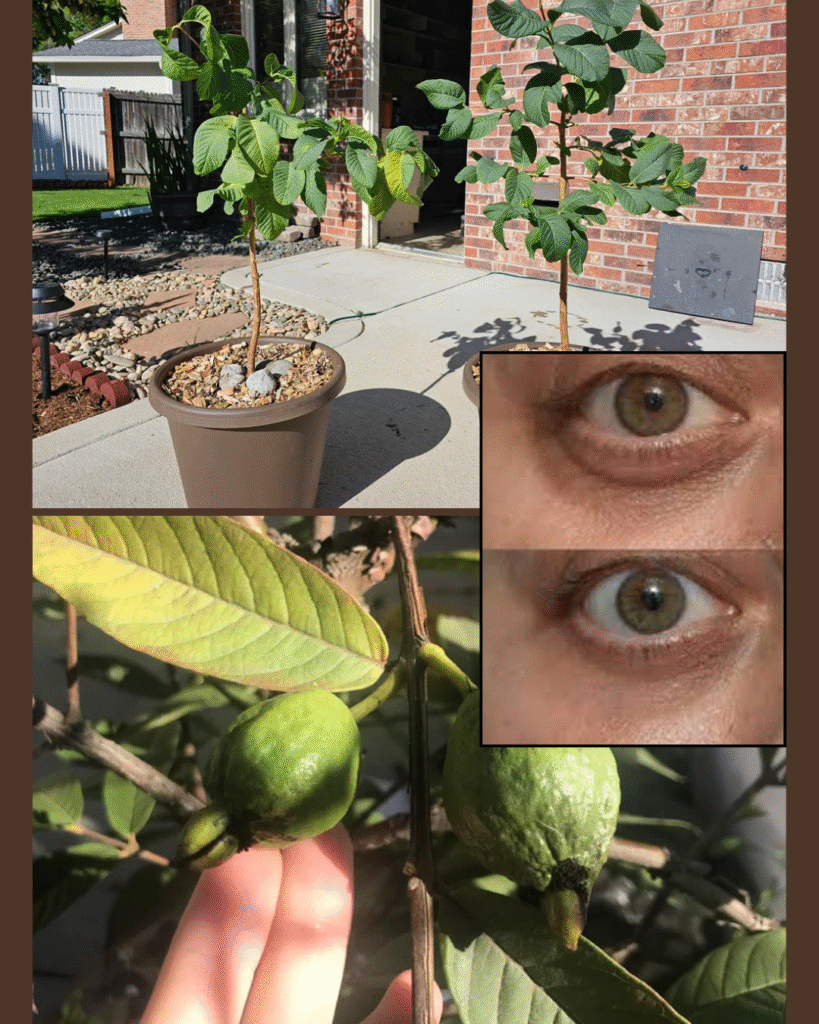
Guava Juice Preparations for Eye Wellness
Fresh guava juice preserves many of the fruit’s beneficial compounds while offering convenient consumption options. However, preparation methods significantly impact nutrient retention. Avoid excessive straining that removes fiber and bound phytochemicals. The pulp contains valuable pectin and additional antioxidant compounds that support overall health.
To prepare nutrient-dense guava juice, blend whole guava pieces including the edible seeds with minimal water addition. The seeds contribute omega fatty acids and additional fiber that slows sugar absorption. Consume the juice immediately after preparation, as vitamin C degrades rapidly when exposed to oxygen and light.
Combining guava juice with carrot juice creates a synergistic blend particularly rich in vitamin A precursors. The beta-carotene from carrots complements guava’s lutein content, providing comprehensive carotenoid support for photoreceptor health. A ratio of two parts guava to one part carrot produces a palatable mixture with balanced sweetness.
Some traditional practices suggest applying diluted guava juice topically for eye conditions, but this approach carries infection risks and lacks scientific support. The eye’s delicate structures require sterile solutions, and fruit juices can harbor microorganisms despite appearing clean.
Mechanisms of Antioxidant Protection
The antioxidant compounds in guava function through multiple biochemical pathways to protect ocular tissues. Free radicals generated during normal cellular respiration can damage lipid membranes in photoreceptor outer segments, where visual pigments undergo constant regeneration cycles.
Vitamin C acts as a water-soluble antioxidant in the aqueous humor, the clear fluid filling the anterior chamber of the eye. This vitamin directly neutralizes reactive oxygen species before they can initiate lipid peroxidation cascades in nearby structures. The high metabolic rate of retinal tissue generates substantial oxidative stress, making continuous antioxidant replenishment essential.
Polyphenolic compounds from guava demonstrate the ability to chelate transition metal ions like iron and copper, which can catalyze harmful oxidation reactions. By binding these metals, polyphenols prevent the formation of hydroxyl radicals, among the most damaging reactive species encountered in biological systems.
The flavonoids in guava also modulate inflammatory signaling pathways, potentially reducing chronic low-grade inflammation that contributes to age-related vision decline. These compounds inhibit specific enzymes involved in prostaglandin synthesis, thereby dampening inflammatory responses without the side effects associated with pharmaceutical interventions.
Guava Seed Benefits and Preparation
Guava seeds contain concentrated amounts of beneficial oils and compounds often overlooked when consuming only the flesh. These small, hard seeds provide omega-3 and omega-6 fatty acids in favorable ratios for supporting cellular health throughout the body, including ocular tissues.
The seeds can be consumed whole when eating fresh guava, though their hard texture may prove challenging for some individuals. Grinding dried guava seeds into a fine powder creates a supplement that can be mixed into smoothies or other foods. This powder retains the lipid-soluble nutrients while becoming more digestible.
Guava seed oil, extracted through cold-pressing methods, contains vitamin E and essential fatty acids that support the lipid layer of the tear film. This outermost layer prevents rapid evaporation of tears and maintains a smooth optical surface on the cornea. Adequate essential fatty acid intake may help individuals experiencing dry eye symptoms, though direct application of guava seed oil near the eyes is not recommended.
The linoleic acid present in guava seeds serves as a precursor for longer-chain fatty acids incorporated into cell membrane phospholipids. These membrane components influence cellular signaling and maintain the structural integrity of cells throughout the retina and other ocular structures.
Supporting Vascular Health of the Eye
The extensive network of blood vessels supplying the eye requires robust vascular health to ensure adequate nutrient delivery and waste removal. Guava’s potassium content supports proper blood pressure regulation, reducing strain on delicate retinal capillaries.
The retinal vasculature demonstrates particular vulnerability to oxidative damage due to high oxygen exposure and intense metabolic activity. Flavonoids from guava strengthen capillary walls by enhancing collagen cross-linking and reducing endothelial permeability. These effects may help preserve the blood-retinal barrier, a selective membrane critical for maintaining the specialized environment required for photoreceptor function.
Individuals with hypertension or diabetes face elevated risks for developing retinal vascular complications. While guava consumption cannot replace medical management of these conditions, its nutrient profile supports vascular health as part of a comprehensive approach to eye care.
The fruit’s fiber content aids in maintaining healthy cholesterol levels, indirectly benefiting ocular circulation. Atherosclerotic changes in the ophthalmic artery or its branches can compromise blood flow to the eye, potentially leading to vision-threatening ischemic events.
Practical Integration into Daily Routines
Establishing consistent guava consumption requires practical strategies that fit individual lifestyles and preferences. Fresh guava availability varies by region and season, making it important to identify reliable sources or consider preserved alternatives during off-season periods.
Frozen guava retains most nutritional value when processed properly, though some vitamin C loss occurs during freezing and storage. Unsweetened frozen guava can be added to smoothies, providing eye-supporting nutrients alongside other fruits and vegetables rich in complementary compounds.
Dried guava offers convenience but contains concentrated sugars due to water removal. If selecting dried guava, choose products without added sugars or preservatives, and consume in moderation as part of a balanced diet. The drying process reduces vitamin C content significantly, so dried guava should supplement rather than replace fresh fruit consumption.
Guava paste and preserves typically contain substantial added sugar, diminishing their health benefits. These products may serve as occasional treats but should not be considered therapeutic foods for eye health support.
Complementary Dietary Approaches
Guava works most effectively for eye health when combined with other nutrient-dense foods in a varied diet. Dark leafy greens like spinach and kale provide additional lutein and zeaxanthin, the primary carotenoids that accumulate in macular tissue.
Fatty fish rich in omega-3 fatty acids complement guava’s nutrient profile by providing DHA, a long-chain fatty acid concentrated in photoreceptor membranes. The combination of guava’s antioxidants with these structural lipids supports both protection and function of retinal cells.
Nuts and seeds contribute vitamin E, which works synergistically with vitamin C from guava to maintain antioxidant defenses. Almonds, sunflower seeds, and hazelnuts represent particularly rich sources of this fat-soluble vitamin.
Adequate hydration supports tear production and maintains the aqueous humor that nourishes the avascular lens and cornea. While guava provides some fluid, consuming sufficient water throughout the day remains essential for optimal ocular function.
Limitations and Realistic Expectations
While guava offers valuable nutritional support for eye health, it cannot reverse established vision loss or cure serious ocular diseases. Age-related macular degeneration, cataracts, glaucoma, and diabetic retinopathy require professional medical evaluation and treatment. Nutritional interventions should complement, not replace, appropriate medical care.
The protective effects of dietary antioxidants accumulate gradually over time rather than producing immediate improvements in vision. Individuals seeking rapid vision enhancement will likely experience disappointment with any natural remedy, including guava.
Some people may experience allergic reactions to guava, particularly those with sensitivities to other members of the Myrtaceae family. Symptoms might include oral itching, digestive upset, or skin reactions. Discontinue use and consult a healthcare provider if adverse effects occur.
Excessive guava consumption may cause digestive disturbances due to its fiber content, though this typically requires consuming very large quantities. Moderate, regular intake presents minimal risk for most individuals when incorporated into a balanced diet.
The scientific evidence supporting specific guava preparations for eye conditions remains limited compared to well-studied interventions. While the fruit’s nutritional composition logically supports eye health, rigorous clinical trials specifically examining guava’s effects on vision outcomes are lacking. Existing research often examines isolated compounds rather than whole food sources, making direct application to guava consumption somewhat speculative.
Disclaimer: This article is for informational purposes only and is not a substitute for professional advice.
Source: American Academy of Ophthalmology – Nutritional guidelines for age-related macular degeneration and eye health (www.aao.org)