
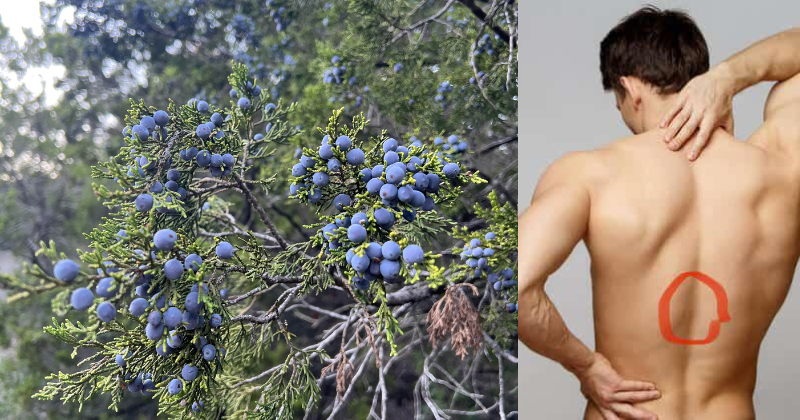
Juniper berries have emerged as a promising natural approach to managing back pain, offering anti-inflammatory compounds and analgesic properties that may complement conventional treatments for chronic discomfort.
Understanding Juniper Berries: Botanical Profile and Active Compounds
Juniper berries, technically seed cones from plants in the Juniperus genus, contain a complex array of bioactive molecules that contribute to their therapeutic potential. These small, blue-black structures are not true berries but rather fleshy female cones that take two to three years to fully mature on the evergreen shrubs.
The primary active constituents include terpenes, flavonoids, and volatile oils—particularly alpha-pinene, beta-pinene, and myrcene. These compounds exhibit documented anti-inflammatory and analgesic properties in laboratory studies. The essential oil content, which comprises approximately 1-2% of the berry’s dry weight, contains monoterpenes that interact with inflammatory pathways in human tissues.
Research has identified specific flavonoid compounds like amentoflavone and quercetin within juniper extracts. These polyphenolic substances demonstrate the ability to modulate cyclooxygenase enzymes, similar in mechanism—though not in potency—to pharmaceutical anti-inflammatory medications. The berries also contain condensed tannins and bitter principles that may influence pain perception through multiple biochemical pathways.
Anti-Inflammatory Mechanisms Relevant to Back Pain
Back pain, particularly chronic lower back discomfort, frequently involves inflammatory processes in muscles, ligaments, and surrounding tissues. Juniper berry compounds address this inflammation through several documented mechanisms that researchers have identified in both in vitro and animal studies.
The monoterpenes present in juniper oil have shown capacity to inhibit pro-inflammatory mediators including tumor necrosis factor-alpha (TNF-α) and interleukin-1 beta (IL-1β). These cytokines play central roles in perpetuating chronic pain states by sensitizing nerve endings and promoting tissue irritation. When inflammatory signaling decreases, pain receptors become less reactive to mechanical stress and movement.
Additionally, the antioxidant properties of juniper flavonoids help reduce oxidative stress in inflamed tissues. Oxidative damage contributes to the degradation of intervertebral disc tissue and the persistence of muscular tension. By neutralizing reactive oxygen species, these compounds may help protect cellular structures in the back region from further deterioration.
The berries’ volatile oils also demonstrate mild local analgesic effects when applied topically. The warming sensation produced by these compounds can temporarily override pain signals through a phenomenon called counterirritation, where one stimulus reduces the perception of another.
Traditional and Contemporary Applications for Musculoskeletal Discomfort
Historical medical systems across Europe and Native American traditions have utilized juniper berries for various forms of muscular and joint pain for centuries. Traditional preparations typically involved creating infusions, tinctures, or topical oils that were applied directly to affected areas or consumed as supportive remedies.
In folk medicine practices, juniper was often combined with other botanicals like arnica, ginger, or cayenne to create warming liniments for back pain. These traditional formulations recognized principles that modern research has begun to validate—that multiple plant compounds working synergistically may provide more comprehensive effects than isolated substances.
Contemporary herbalists often recommend juniper berry preparations as part of a broader approach to managing chronic back conditions. Internal use typically involves standardized extracts or teas, while external applications include essential oil blends diluted in carrier oils for massage. The dual approach—addressing both systemic inflammation and localized discomfort—aligns with current understanding of complex pain conditions.
Some practitioners suggest that juniper’s diuretic properties may indirectly benefit back pain by reducing fluid retention that can contribute to tissue pressure and nerve compression. While this connection remains somewhat speculative, the elimination of excess fluid might theoretically decrease mechanical stress on spinal structures in certain individuals.

Preparation Methods and Practical Application Guidelines
For internal use, juniper berry tea represents the most accessible preparation method. Using approximately one teaspoon of crushed dried berries per cup of hot water, steeped for 10-15 minutes, creates a bitter infusion that can be consumed once or twice daily. The taste is distinctly resinous and pine-like, which some people find challenging. Adding honey or blending with milder herbs like chamomile can improve palatability without significantly compromising the active compounds.
Tinctures offer a more concentrated form, typically prepared by macerating juniper berries in alcohol (40-60% ethanol) for several weeks. Commercial preparations are widely available, with standard dosing ranging from 20-40 drops diluted in water, taken two to three times daily. The alcohol extraction efficiently captures both the oil-soluble terpenes and water-soluble flavonoids.
For topical application, juniper essential oil should never be applied undiluted to skin. A safe dilution involves mixing 3-5 drops of juniper oil with one tablespoon of carrier oil such as sweet almond, jojoba, or coconut oil. This mixture can be gently massaged into the lower back, upper back, or affected areas using circular motions. The warming effect typically becomes noticeable within several minutes.
Some individuals create infused oils by soaking crushed juniper berries in carrier oil for several weeks in a warm location, shaking daily. This method produces a gentler preparation than essential oil dilutions, though with lower concentrations of active compounds. The resulting oil can be used more liberally for massage applications.
Safety Considerations and Contraindications
Juniper berry preparations are not appropriate for everyone, and several important contraindications exist. Pregnant women should avoid juniper entirely, as the compounds may stimulate uterine contractions and have been historically used to induce menstruation. The safety profile during lactation has not been adequately established, warranting caution.
Individuals with kidney disease or compromised renal function should not use juniper internally, as the diuretic and potentially irritating effects on kidney tissue could exacerbate existing conditions. Even in healthy individuals, prolonged internal use exceeding four weeks is generally discouraged due to potential kidney irritation from the volatile oil constituents.
Allergic reactions, while uncommon, can occur—particularly in people sensitive to plants in the Cupressaceae family. Topical applications may cause skin irritation in sensitive individuals, making patch testing advisable before widespread use. Discontinue immediately if redness, itching, or burning develops.
Juniper may interact with certain medications, including diuretics, diabetes medications, and anticoagulants. The berry’s compounds can theoretically enhance the effects of these drugs, potentially leading to excessive diuresis, hypoglycemia, or increased bleeding risk. Anyone taking prescription medications should consult with a healthcare provider before adding juniper to their regimen.
Internal use should be limited to short-term applications—typically two to four weeks—followed by a break period. This cycling approach minimizes the risk of kidney irritation while still allowing for anti-inflammatory benefits.
Scientific Evidence: Current Research Status
The scientific literature on juniper berries specifically for back pain remains limited, with most evidence deriving from studies on general anti-inflammatory and analgesic properties rather than targeted spinal pain research. A 2013 study published in the Journal of Ethnopharmacology examined juniper extract’s effects on inflammatory markers in animal models, finding significant reductions in paw edema and inflammatory cytokines.
Another investigation focused on the essential oil’s analgesic properties using the tail-flick test in mice, demonstrating measurable pain threshold increases comparable to moderate doses of conventional analgesics. However, translating these animal findings to human back pain involves considerable uncertainty, as the complexity of chronic musculoskeletal conditions differs substantially from acute experimental pain models.
Clinical trials specifically evaluating juniper for back pain are notably absent from the current literature. Most human studies have examined juniper’s effects on conditions like arthritis or general inflammation rather than spinal disorders. A small pilot study on osteoarthritis showed some improvement in pain scores with topical juniper oil application, though methodological limitations prevent definitive conclusions.
The phytochemical research is more robust, with multiple studies characterizing juniper’s active constituents and their mechanisms at the molecular level. These investigations provide a reasonable theoretical basis for juniper’s potential in back pain management, even though direct clinical validation remains incomplete.
Integration with Conventional Back Pain Management
Juniper berries should be viewed as a complementary approach rather than a replacement for established back pain treatments. Physical therapy, appropriate exercise, ergonomic modifications, and when necessary, medical interventions remain the foundation of effective back pain management. Natural remedies like juniper can potentially support these primary treatments by providing additional anti-inflammatory effects and promoting overall wellness.
Combining juniper applications with practices like stretching, core strengthening, and posture correction may offer synergistic benefits. The anti-inflammatory compounds could theoretically reduce tissue irritation enough to make therapeutic exercises more tolerable, while the exercises address the underlying mechanical dysfunctions contributing to pain.
Some integrative practitioners incorporate juniper into broader herbal protocols that include turmeric, boswellia, and willow bark—other botanicals with documented anti-inflammatory properties. This multi-botanical approach attempts to address inflammation through diverse biochemical pathways, potentially providing more comprehensive effects than single-agent interventions.
Topical juniper applications work well alongside heating pads or warm baths, as gentle heat can enhance absorption of the volatile oil compounds through the skin. The combination of thermal therapy and botanical oils creates a soothing ritual that addresses both physical and psychological aspects of chronic pain management.
Selecting Quality Juniper Berry Products
The therapeutic effectiveness of juniper preparations depends significantly on product quality, which varies considerably among commercial offerings. For dried berries, look for specimens that retain their blue-black color and release a strong, fresh aroma when crushed. Brown, faded berries or those lacking scent have likely degraded and lost substantial active compound content.
Essential oils should be purchased from reputable suppliers who provide gas chromatography-mass spectrometry (GC-MS) analysis reports. These laboratory tests verify the oil’s chemical composition and can detect adulteration with synthetic compounds or less expensive oils. Juniper essential oil should list Juniperus communis as the botanical source and specify the berry (not the wood) as the distilled plant part.
For tinctures, examine the alcohol percentage and extraction ratio listed on the label. A 1:5 ratio (one part herb to five parts menstruum) prepared with at least 40% alcohol represents a standard therapeutic preparation. Glycerin-based tinctures, while suitable for those avoiding alcohol, may extract fewer of the oil-soluble compounds that contribute to anti-inflammatory effects.
Organic certification, while not guaranteeing therapeutic superiority, does ensure the absence of pesticide residues—a consideration for those using juniper regularly. Wild-harvested products should come from companies committed to sustainable collection practices, as some juniper species face habitat pressures.
Realistic Expectations and Individual Variation
People considering juniper for back pain should maintain realistic expectations about potential outcomes. While the anti-inflammatory compounds in juniper berries have documented effects in laboratory settings, translating these findings to meaningful clinical improvements in individual cases involves substantial uncertainty. Some people may experience noticeable reductions in discomfort, while others perceive minimal benefit.
Back pain arises from diverse causes—disc herniation, muscular strain, facet joint irritation, sacroiliac dysfunction, and numerous other conditions. Juniper’s mechanisms primarily address inflammatory components, meaning conditions with minimal inflammatory involvement may respond poorly to this approach. Structural problems like significant disc degeneration or nerve compression typically require interventions beyond botanical remedies.
The timing of effects varies considerably. Topical applications might provide temporary warming and mild analgesic sensations within minutes, but meaningful reductions in chronic inflammation require consistent use over days or weeks. Internal preparations generally require at least one to two weeks of regular use before potential benefits become apparent.
Individual biochemistry, the severity of the condition, concurrent treatments, and lifestyle factors all influence outcomes. Someone with mild muscular back pain who also practices regular stretching and maintains good posture might experience more noticeable benefits than someone with severe degenerative changes who remains sedentary.
Historical Context and Cultural Significance
Juniper’s use in traditional medicine extends back millennia, with ancient Egyptian, Greek, and Roman civilizations documenting various applications. Medieval European herbals frequently mentioned juniper for conditions described in terms that likely included musculoskeletal pain, though the imprecise historical terminology makes exact correlations challenging.
Native American tribes across North America utilized various juniper species for medicinal and ceremonial purposes. The Navajo, Zuni, and other southwestern tribes employed juniper in healing rituals and prepared it for conditions that contemporary practitioners would recognize as inflammatory disorders. This extensive traditional use suggests an empirical recognition of therapeutic properties, though historical applications don’t constitute scientific validation.
The berry’s role in flavoring gin represents an interesting cultural intersection—the name « gin » derives from the Dutch word for juniper. While the recreational consumption of juniper-flavored spirits doesn’t provide therapeutic benefits, it illustrates the plant’s longstanding integration into European cultural practices.
Complementary Lifestyle Approaches
Maximizing the potential benefits of juniper for back pain involves addressing multiple factors that influence spinal health. Maintaining appropriate body weight reduces mechanical stress on spinal structures, potentially allowing anti-inflammatory compounds to work more effectively. Even modest weight reduction can significantly decrease loading forces on the lower back during daily activities.
Hydration status affects disc health, as intervertebral discs depend on adequate fluid intake to maintain their shock-absorbing properties. While juniper has mild diuretic effects, ensuring sufficient water consumption becomes particularly important when using this botanical remedy. Adequate hydration supports the body’s natural anti-inflammatory processes and helps flush metabolic waste products from tissues.
Sleep quality and back pain share bidirectional relationships—poor sleep exacerbates pain, while pain disrupts sleep. Creating an optimal sleep environment with appropriate mattress support and sleeping positions can complement juniper’s anti-inflammatory effects. Some people find that applying diluted juniper oil before bedtime, combined with gentle stretching, promotes both relaxation and reduced nighttime discomfort.
Stress management deserves attention, as psychological stress intensifies pain perception through multiple mechanisms including muscle tension and heightened nervous system sensitivity. Practices like meditation, deep breathing, or gentle yoga—combined with supportive botanicals like juniper—address both the physical and psychological dimensions of chronic back pain.
The aromatic properties of juniper essential oil offer potential benefits beyond direct pharmacological effects. The distinctive scent may provide stress-reducing aromatherapy benefits when used in diffusers or applied topically, creating a multi-sensory approach to pain management that engages both olfactory and tactile pathways.
Juniper berries represent one tool among many for approaching back pain naturally. Their anti-inflammatory compounds show promise in laboratory studies, and traditional use suggests practical benefits that many individuals have found helpful. However, the incomplete clinical evidence and important safety considerations mean that juniper should be integrated thoughtfully into a comprehensive approach to spinal health rather than viewed as a standalone solution.
Disclaimer: This article is for informational purposes only and is not a substitute for professional advice.
Source: National Center for Complementary and Integrative Health (NCCIH), National Institutes of Health – Herbal Supplements and Pain Management ResearchRéessayer
Claude peut faire des erreurs.
Assurez-vous de vérifier ses réponses.
General topics style
Sonnet 4.5