
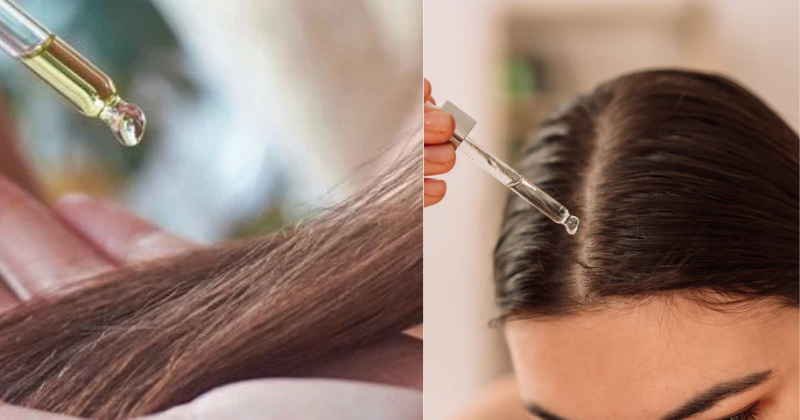
Discover how botanical extracts and nutrient-rich ingredients can transform hair health through targeted follicular nourishment and improved scalp circulation, offering a science-backed approach to reducing breakage and promoting stronger, more resilient strands.
Understanding Hair Structure and Weakness
Hair is composed primarily of keratin, a structural protein that forms through complex cellular processes within the follicle. Each strand consists of three layers: the medulla (innermost core), cortex (middle layer containing pigment and structural proteins), and cuticle (protective outer layer of overlapping scales). Hair weakness typically manifests when the cuticle becomes damaged, the cortex loses protein integrity, or the follicle receives insufficient nutritional support.
Research in trichology demonstrates that hair strength depends on multiple factors including protein synthesis efficiency, moisture retention capacity, and the structural integrity of disulfide bonds within keratin chains. When these elements deteriorate due to environmental stress, nutritional deficiencies, or excessive chemical processing, hair becomes prone to breakage, split ends, and reduced elasticity.
The Science Behind Natural Hair-Strengthening Compounds
Certain botanical compounds possess documented effects on hair health through various biochemical pathways. Phytochemicals like flavonoids, polyphenols, and essential fatty acids can influence follicular activity, improve scalp microcirculation, and provide structural precursors for keratin synthesis.
Rosemary extract, for instance, contains carnosic acid and rosmarinic acid—compounds that demonstrate vasodilatory properties and potential 5-alpha-reductase inhibition. Studies have shown that rosemary oil application can be comparable to minoxidil in promoting hair growth, though the mechanisms involve improved blood flow to follicles rather than the specific pathway minoxidil utilizes.
Horsetail extract provides significant silica content, an element that contributes to collagen formation and may enhance hair shaft diameter. The silicic acid in horsetail appears to strengthen the hair structure by supporting the connective tissue matrix surrounding follicles.
Formulating an Effective Hair-Strengthening Potion
A scientifically-informed natural hair treatment combines ingredients that address multiple aspects of hair health: follicular nourishment, protein reinforcement, moisture retention, and scalp condition optimization.
Base Carrier Selection
The foundation requires a carrier that penetrates the hair shaft effectively. Coconut oil possesses a unique molecular structure with medium-chain fatty acids that can penetrate the cortex due to their low molecular weight and affinity for hair proteins. Studies using radioactively labeled coconut oil have demonstrated its superior penetration compared to mineral oil or sunflower oil.
Argan oil offers an alternative rich in vitamin E and essential fatty acids, providing antioxidant protection while forming a protective barrier that reduces moisture loss. Its composition includes approximately forty-three percent oleic acid and thirty-six percent linoleic acid, both of which help restore lipid layers in damaged cuticles.
Active Botanical Components
Nettle leaf extract contains minerals including iron, silica, and sulfur—elements directly involved in keratin formation. The plant also provides beta-sitosterol, which may help modulate scalp conditions that contribute to hair weakening. Traditional use dating back centuries aligns with modern understanding of its nutritional profile.
Amla (Indian gooseberry) demonstrates exceptional antioxidant capacity due to its high ascorbic acid and polyphenol content. These compounds protect follicular cells from oxidative stress while vitamin C supports collagen synthesis, essential for maintaining follicle structure and anchoring hair in the scalp.
Fenugreek seeds contain proteins, nicotinic acid, and lecithin—compounds that may strengthen hair shafts and support scalp health. The mucilaginous coating when soaked provides additional moisture-binding properties.
Protein Reinforcement
Hydrolyzed proteins from sources like silk, wheat, or peas can temporarily fill gaps in damaged cuticles and reinforce the cortex structure. These proteins have been broken down into smaller peptides that can penetrate hair’s porous areas, creating a strengthening effect that lasts until the next washing.
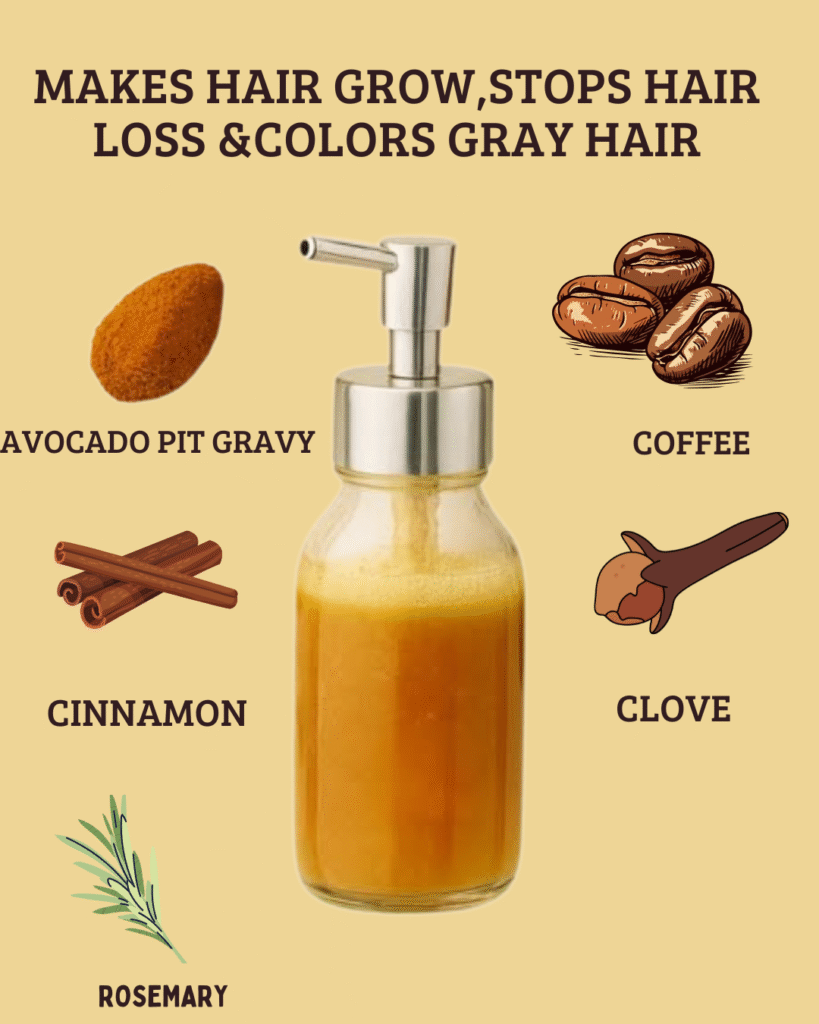
Practical Formulation Protocol
A comprehensive strengthening potion can be prepared through systematic combination of researched ingredients. Begin with sixty milliliters of coconut oil as the primary carrier, warming it gently to approximately forty degrees Celsius to maintain bioactive compound stability while ensuring proper mixing.
Add fifteen milliliters of castor oil, which provides ricinoleic acid—a hydroxylated fatty acid that coats hair shafts and may improve scalp circulation. Though castor oil’s viscosity makes it impractical as a sole carrier, its inclusion at this ratio offers benefits without excessive heaviness.
Incorporate dried botanical materials that have been infused into a portion of the oil base beforehand. Combine two tablespoons each of dried rosemary, nettle, and horsetail in thirty milliliters of warmed oil, allowing the mixture to steep for two hours before straining. This infusion process extracts lipophilic compounds from the plant materials.
Add five milliliters of argan oil for its vitamin E content and scalp-conditioning properties. Include one teaspoon of amla powder that has been mixed with just enough water to form a paste, ensuring even distribution throughout the oil mixture.
For protein reinforcement, add approximately two milliliters of hydrolyzed silk protein if available. This concentration provides strengthening benefits without leaving residue or weighing down hair.
Finally, incorporate three to five drops of rosemary essential oil and three drops of peppermint essential oil. The concentrated volatile compounds in essential oils provide additional circulatory stimulation and antimicrobial properties that support scalp health, though they should never be used undiluted due to their potency.
Application Methodology for Optimal Results
The application technique significantly influences how effectively the treatment addresses hair weakness. Begin with dry or slightly damp hair, as excessive water prevents oil-based ingredients from adhering to and penetrating the hair shaft.
Section hair into four to six divisions depending on density and length. Apply the potion starting at the scalp, using fingertips to massage gently in circular motions for three to five minutes per section. This mechanical stimulation increases local blood flow, potentially enhancing nutrient delivery to follicles while the massage distributes sebum along hair shafts.
Work the remaining product through mid-lengths and ends, where damage typically accumulates most severely. Pay particular attention to areas prone to breakage, such as the hairline, crown, and ends. The combination of massage and product application should take fifteen to twenty minutes for thorough coverage.
After application, cover hair with a shower cap or warm towel. Heat increases cuticle porosity, allowing better penetration of beneficial compounds. Leave the treatment for a minimum of forty-five minutes, though overnight application provides extended contact time for maximum benefit.
Removal and Post-Treatment Care
Proper removal prevents residue buildup while retaining treatment benefits. Begin rinsing with warm water only, allowing natural emulsification to start breaking down oils. This initial rinse should last two to three minutes before applying shampoo.
Use a sulfate-free shampoo to avoid stripping hair of beneficial oils too aggressively. Sulfates, while effective cleansers, can be overly harsh and may undo some strengthening effects. Apply shampoo primarily to the scalp, allowing runoff to cleanse lengths as you rinse.
A single shampoo application usually suffices, though very thick or long hair might require a second light application. Follow with a lightweight conditioner on mid-lengths and ends only, as the scalp has received substantial conditioning from the treatment.
Expected Outcomes and Timeline
Hair strengthening occurs gradually as treatments provide ongoing support for follicular health and structural repair. Initial improvements in texture and manageability may appear after two to three applications, as surface conditioning takes effect relatively quickly.
Reduction in breakage typically becomes noticeable after four to six weeks of weekly treatments, corresponding to the time required for follicular cells to incorporate improved nutrition into growing hair. Remember that hair grows approximately one centimeter per month, meaning truly strengthened hair emerging from the follicle needs several months to replace damaged length entirely.
Consistency proves more important than frequency. Weekly application provides superior results compared to sporadic intensive treatments, as sustained nutritional support better addresses underlying weaknesses. Some individuals with particularly damaged hair may benefit from twice-weekly applications initially, transitioning to weekly maintenance once improvement stabilizes.
Contraindications and Considerations
Individual responses to botanical ingredients vary based on sensitivity, existing scalp conditions, and hair porosity. Perform a patch test before full application by placing a small amount of the mixture on the inner forearm or behind the ear, waiting twenty-four hours to check for adverse reactions.
Those with nut allergies should substitute coconut oil with alternatives like jojoba oil or grapeseed oil, though penetration characteristics differ. Essential oils require particular caution; their concentrated nature means even individuals tolerant of plants in their whole form may react to extracted volatile compounds.
Certain scalp conditions including seborrheic dermatitis, psoriasis, or active infections may require medical treatment rather than cosmetic interventions. Heavy oil treatments can sometimes exacerbate these conditions by creating environments favorable to microorganisms or interfering with topical medications.
Pregnancy and nursing present additional considerations, as some botanical compounds can have systemic effects when absorbed through the scalp. Rosemary and other herbs in the mint family carry conflicting guidance in this context, with some sources suggesting caution despite limited research on topical application specifically.
Complementary Nutritional Approaches
Hair strength reflects overall nutritional status, as follicles depend on systemic circulation to deliver building blocks for keratin synthesis. Protein intake directly influences hair structure, with the amino acids cysteine and methionine being particularly important due to their role in forming disulfide bonds that give hair its strength.
Biotin (vitamin B7) functions as a cofactor in amino acid metabolism and has become widely associated with hair health, though clinical deficiency is relatively rare in populations with adequate dietary variety. True biotin deficiency does cause hair problems, but supplementation in those with normal levels shows limited additional benefit according to most research.
Iron status affects hair growth and strength through its role in oxygen transport to rapidly dividing follicular cells. Even subclinical iron deficiency without anemia can impact hair health, making this a consideration for those experiencing unexplained hair issues, particularly menstruating individuals.
Omega-3 fatty acids from sources like fatty fish, walnuts, or flaxseed support the lipid-rich cell membranes in scalp tissue and may help modulate inflammatory processes that can damage follicles. The typical Western diet provides inadequate omega-3 to omega-6 ratios, suggesting potential benefit from increased consumption.
Lifestyle Factors Affecting Hair Strength
External stressors accumulate damage faster than any treatment can repair it. Heat styling above 180 degrees Celsius begins denaturing hair proteins, with damage severity increasing at higher temperatures and longer exposure durations. When heat styling is necessary, the application of heat protectant products creates a sacrificial barrier that absorbs some thermal energy.
Tight hairstyles create constant tension on follicles and can lead to traction alopecia—permanent hair loss from repeated pulling. This mechanical stress also weakens individual strands at their exit points from the scalp. Allowing hair to rest in loose styles reduces this cumulative damage.
Environmental factors including UV radiation, chlorine, and salt water all contribute to protein degradation and cuticle damage. UV exposure specifically breaks down melanin and amino acids through photochemical reactions, weakening hair structure over time. Physical protection through hats or UV-protective products helps preserve hair integrity.
Chemical treatments including bleaching, permanent coloring, and chemical straightening or curling dramatically alter hair structure through deliberate protein bond disruption. While modern formulations have improved, these processes remain inherently damaging. Spacing such treatments appropriately and maintaining intensive conditioning between services helps minimize cumulative weakness.
Monitoring Progress and Adjusting Approach
Objective assessment of hair strength can be performed through simple tests. The stretch test involves taking a single strand when wet and gently pulling. Healthy hair should stretch twenty-five to thirty percent of its length before breaking, demonstrating elasticity from intact protein structures. Hair that breaks immediately or stretches excessively indicates problems requiring attention.
The shed hair examination provides insights into whether breakage occurs near the root, mid-shaft, or at ends. Root breakage suggests follicular weakness or traction issues, mid-shaft breakage often indicates chemical or mechanical damage, and end breakage typically results from accumulated environmental damage over time. This diagnostic approach helps refine treatment focus.
Keeping dated photographs under consistent lighting conditions enables visual tracking that memory alone cannot provide reliably. Changes in hair density, shine, and overall appearance become evident when compared side-by-side, though improvements manifest gradually enough that day-to-day observation may miss them.
If no improvement appears after twelve weeks of consistent treatment, underlying issues beyond surface conditioning may require professional evaluation. Conditions including thyroid disorders, hormonal imbalances, autoimmune conditions, and nutritional deficiencies can all manifest through hair problems that topical treatments cannot address effectively.
Disclaimer: This article is for informational purposes only and is not a substitute for professional advice.
Source: Trichology research published in the International Journal of Trichology and dermatological studies from the American Academy of Dermatology regarding hair structure, growth cycles, and the biochemical factors influencing hair health.