
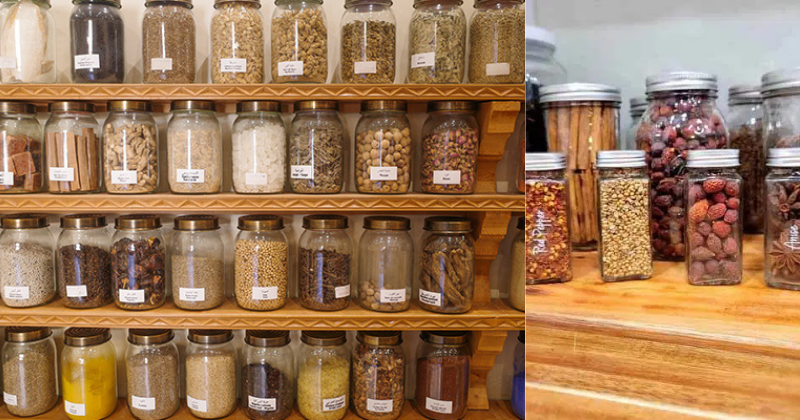
Discover how everyday spices like turmeric, cinnamon, and ginger offer powerful health benefits through their bioactive compounds, from reducing inflammation to supporting metabolic health and immune function.
The intersection of culinary tradition and pharmaceutical science reveals a fascinating reality: many common kitchen spices contain bioactive compounds with documented therapeutic properties. While modern medicine has developed synthetic pharmaceuticals, these ancient ingredients continue to demonstrate measurable physiological effects through mechanisms that scientists are still working to fully understand. The compounds responsible for the distinctive flavors and aromas of spices often possess antimicrobial, anti-inflammatory, and antioxidant properties that have protected human health for millennia.
The Biochemical Foundation of Spice-Based Therapeutics
Spices derive their medicinal properties from secondary metabolites—compounds that plants produce not for growth or reproduction, but for defense against pathogens, herbivores, and environmental stress. These phytochemicals include polyphenols, terpenoids, alkaloids, and sulfur-containing compounds, each with distinct molecular structures that interact with human cellular pathways.
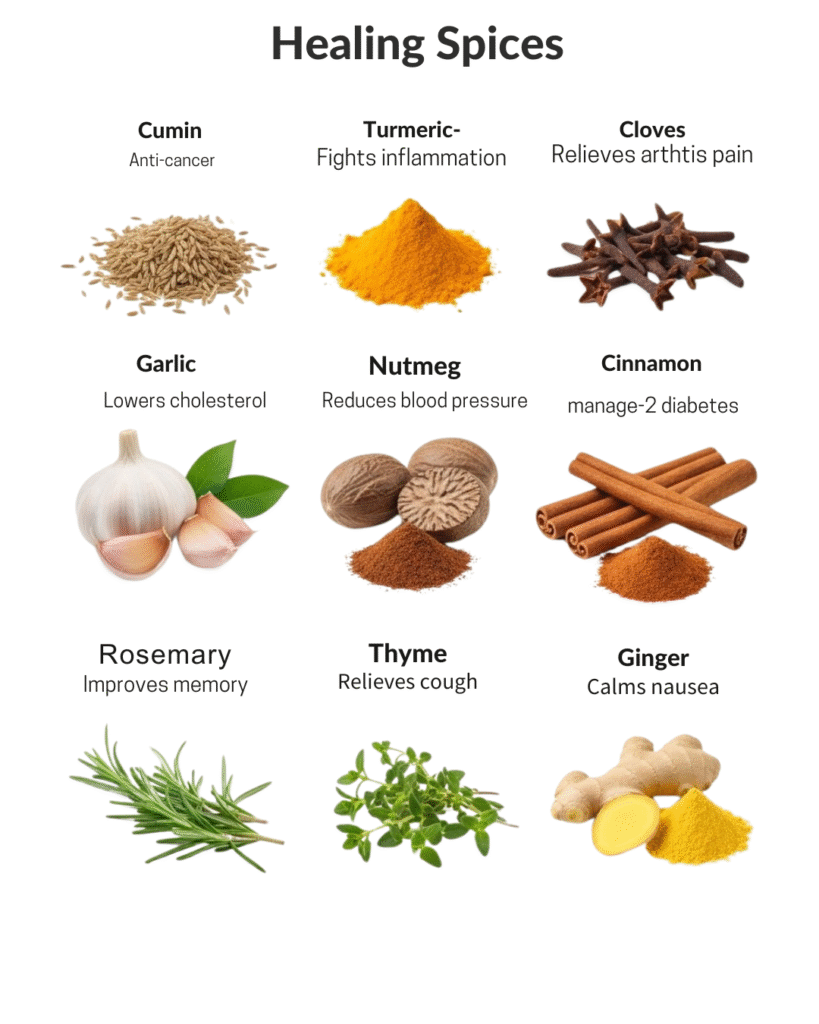
Curcumin, the primary polyphenolic compound in turmeric (Curcuma longa), exemplifies this relationship between plant chemistry and human physiology. This hydrophobic molecule crosses cellular membranes and modulates multiple signaling pathways simultaneously, including NF-κB, a transcription factor central to inflammatory responses. Studies have measured curcumin’s ability to inhibit cyclooxygenase-2 (COX-2) and 5-lipoxygenase (5-LOX), enzymes that produce pro-inflammatory mediators called prostaglandins and leukotrienes.
The challenge with curcumin lies in its bioavailability. The compound undergoes rapid metabolism in the liver and intestinal wall, with less than 1% entering systemic circulation unchanged. However, piperine—the alkaloid responsible for black pepper’s pungency—inhibits hepatic and intestinal glucuronidation, increasing curcumin bioavailability by up to 2000% when consumed together. This synergy demonstrates how traditional spice combinations may have evolved to maximize therapeutic effects.
Cinnamon: Metabolic Regulation Through Polyphenolic Action
Cinnamon contains several bioactive compounds, with cinnamaldehyde and proanthocyanidins showing the most significant metabolic effects. Research has documented cinnamon’s ability to improve insulin sensitivity and glucose metabolism through multiple mechanisms. The polyphenols in cinnamon activate insulin receptors and glucose transporter proteins, particularly GLUT4, which facilitates glucose uptake into muscle and adipose tissue.
In controlled trials, participants consuming 1-6 grams of cinnamon daily showed reductions in fasting blood glucose levels ranging from 18-29%. The effect appears dose-dependent up to a threshold, beyond which additional consumption provides diminishing returns. Cinnamon also inhibits alpha-glucosidase and alpha-amylase, digestive enzymes that break down complex carbohydrates into simple sugars, thereby moderating post-meal glucose spikes.
The two main cinnamon varieties—Ceylon (Cinnamomum verum) and Cassia (Cinnamomum cassia)—contain different coumarin concentrations. Cassia cinnamon, more common in commercial markets, contains 250-7000 times more coumarin than Ceylon cinnamon. Coumarin can damage liver function in susceptible individuals when consumed in large quantities over extended periods. This difference matters for people considering therapeutic doses rather than culinary amounts.
Ginger: Anti-Inflammatory Mechanisms and Digestive Modulation
Ginger (Zingiber officinale) contains over 400 chemical compounds, with gingerols, shogaols, and zingerone providing the most studied pharmacological effects. These phenolic compounds inhibit the synthesis of inflammatory prostaglandins and leukotrienes through COX and LOX pathway suppression, similar to non-steroidal anti-inflammatory drugs but through slightly different mechanisms and with fewer gastrointestinal side effects.
Clinical trials have demonstrated ginger’s efficacy in reducing muscle pain following exercise, with effects becoming apparent after 11 days of consistent consumption. The anti-inflammatory action develops gradually as bioactive compounds accumulate in tissues. Studies measuring inflammatory markers found that 2 grams of ginger daily reduced prostaglandin E2 and leukotriene B4 levels by approximately 30% in participants with osteoarthritis.
Ginger’s antiemetic properties operate through different pathways. The compounds interact with serotonin receptors in the gastrointestinal tract and central nervous system, particularly 5-HT3 receptors involved in nausea signaling. Multiple systematic reviews have confirmed ginger’s effectiveness for pregnancy-related nausea, with 1 gram daily reducing symptoms more effectively than placebo without adverse effects on pregnancy outcomes. The compound 6-gingerol also accelerates gastric emptying and stimulates digestive enzyme production, addressing nausea at its source rather than merely suppressing the sensation.
Garlic: Organosulfur Compounds and Cardiovascular Protection
When garlic cloves are crushed or chopped, the enzyme alliinase converts alliin into allicin, an unstable organosulfur compound that rapidly breaks down into various sulfides, including diallyl disulfide and diallyl trisulfide. These compounds exhibit multiple cardiovascular benefits through mechanisms that include vasodilation, platelet aggregation inhibition, and lipid metabolism modulation.
Allicin and its derivatives stimulate endothelial cells to produce nitric oxide, a signaling molecule that relaxes smooth muscle in blood vessel walls, reducing vascular resistance and blood pressure. Meta-analyses encompassing over 2000 participants show that aged garlic extract reduces systolic blood pressure by an average of 8-10 mmHg in hypertensive individuals—effects comparable to standard antihypertensive medications.
The organosulfur compounds in garlic also inhibit HMG-CoA reductase, the same enzyme targeted by statin medications, thereby reducing cholesterol synthesis in the liver. Studies measuring lipid profiles found that 900 mg of aged garlic extract daily reduced total cholesterol by 7-8% and LDL cholesterol by 10% over 8-12 weeks. The effects appear most pronounced in individuals with elevated baseline cholesterol levels.
Garlic consumption requires some preparation considerations. Cooking garlic immediately after cutting destroys much of the alliinase enzyme before it can produce allicin. Allowing crushed garlic to rest for 10 minutes before heating preserves more of the therapeutic compounds. Aged garlic extract, produced through a controlled fermentation process, contains stable sulfur compounds and lacks the odor of fresh garlic while maintaining bioactivity.
Black Pepper: Bioavailability Enhancement and Thermogenic Properties
Piperine constitutes 5-9% of black pepper by weight and demonstrates pharmacological properties extending beyond its interaction with curcumin. This alkaloid inhibits several drug-metabolizing enzymes in the liver and intestinal wall, including cytochrome P450 enzymes and UDP-glucuronosyltransferases. While this inhibition increases the bioavailability of various nutrients and pharmaceuticals, it also necessitates caution for individuals taking medications with narrow therapeutic windows.
Research has measured piperine’s thermogenic effects—its ability to increase metabolic rate and energy expenditure. The compound activates TRPV1 receptors, the same calcium channels responsible for detecting heat and pain, which triggers a cascade of metabolic responses including increased catecholamine release and enhanced brown adipose tissue activity. Studies show that 20 mg of piperine increases metabolic rate by approximately 8% for several hours after consumption.
Black pepper also exhibits antimicrobial properties against common foodborne pathogens. Laboratory studies have documented piperine’s effectiveness against Staphylococcus aureus, Escherichia coli, and Salmonella species, with minimum inhibitory concentrations ranging from 50-250 μg/mL depending on the bacterial strain. These antimicrobial effects likely contributed to pepper’s historical role as a food preservative before refrigeration became available.
Cloves: Antimicrobial Potency and Dental Applications
Cloves (Syzygium aromaticum) contain 15-20% eugenol by weight, an aromatic compound with documented antimicrobial, analgesic, and anti-inflammatory properties. Eugenol disrupts bacterial cell membranes and inhibits several bacterial enzymes, demonstrating effectiveness against both gram-positive and gram-negative bacteria. The compound shows particular efficacy against oral pathogens, including Streptococcus mutans and Porphyromonas gingivalis, primary contributors to dental caries and periodontal disease.
Dentistry has utilized eugenol’s properties for over a century. The compound appears in temporary filling materials, root canal sealers, and topical analgesics for dental pain. Eugenol inhibits pain perception through multiple mechanisms: it blocks sodium channels in nerve fibers, reducing action potential generation, and it acts as a local anesthetic by disrupting nerve membrane lipids. Studies measuring pain relief from dental procedures show that eugenol-based preparations provide analgesia comparable to benzocaine but with longer duration of action.
Clove oil demonstrates antifungal activity against Candida albicans, a common cause of oral and systemic fungal infections. The mechanism involves disruption of ergosterol synthesis, an essential component of fungal cell membranes. Laboratory experiments found that clove oil inhibited Candida growth at concentrations of 0.03-0.12%, making it more potent than several synthetic antifungal agents on a weight basis.
The antioxidant capacity of cloves ranks among the highest measured in common spices. Using the ORAC (Oxygen Radical Absorbance Capacity) assay, ground cloves score approximately 290,000 units per 100 grams—roughly five times higher than blueberries and ten times higher than most vegetables. This antioxidant activity comes primarily from eugenol and several flavonoids that neutralize free radicals before they can damage cellular components.
Cayenne Pepper: Capsaicin and Pain Modulation
Capsaicin, the compound responsible for the burning sensation in chili peppers, activates TRPV1 receptors throughout the body. Initial exposure causes calcium influx into nerve cells and triggers pain signals, but repeated exposure depletes substance P, a neuropeptide essential for pain signal transmission to the brain. This depletion creates a temporary local analgesia that lasts several hours.
Topical capsaicin preparations have FDA approval for treating post-herpetic neuralgia, diabetic neuropathy, and osteoarthritis pain. Clinical trials using 0.025-0.075% capsaicin cream applied four times daily show pain reduction of 30-50% after 2-4 weeks of consistent use. The initial burning sensation diminishes with continued application as substance P depletion progresses. High-concentration (8%) capsaicin patches, administered in clinical settings, provide pain relief lasting up to three months from a single application.
Capsaicin consumption influences metabolic processes beyond pain perception. The compound increases energy expenditure through sympathetic nervous system activation, raising core body temperature and promoting fat oxidation. Studies measuring metabolic effects found that capsaicin supplementation (135 mg daily) increased fat oxidation by approximately 30 calories per day—a modest effect that accumulates over time but insufficient as a standalone weight management strategy.
Oregano: Phenolic Density and Antimicrobial Spectrum
Oregano (Origanum vulgare) contains carvacrol and thymol, monoterpenic phenols with broad-spectrum antimicrobial activity. These compounds comprise 50-80% of oregano essential oil composition and demonstrate effectiveness against bacteria, fungi, parasites, and some viruses. The mechanism involves disruption of microbial cell membranes, increasing permeability and causing leakage of cellular contents.
Laboratory studies have tested oregano oil against antibiotic-resistant bacterial strains, including methicillin-resistant Staphylococcus aureus (MRSA) and vancomycin-resistant Enterococcus (VRE). The oil inhibited these pathogens at concentrations of 0.1-0.5%, comparable to or exceeding the effectiveness of several prescription antibiotics. Importantly, bacteria appear to develop resistance to carvacrol and thymol much more slowly than to synthetic antibiotics, possibly because these compounds target multiple cellular structures simultaneously.
Oregano’s antioxidant capacity, measured through various assays, ranks second only to cloves among common culinary herbs. The phenolic compounds scavenge free radicals and chelate metal ions that catalyze oxidative reactions. Research measuring oxidative stress markers found that oregano extract supplementation reduced lipid peroxidation and increased antioxidant enzyme activity in cell culture and animal models.
The concentration difference between culinary oregano and therapeutic oregano oil matters significantly. Dried oregano used in cooking contains approximately 2-4% essential oil by weight, while concentrated oregano oil supplements contain 55-85% carvacrol. A therapeutic dose of oregano oil (200-600 mg daily) delivers far more active compounds than practical culinary amounts could provide.
Rosemary: Neuroprotective Compounds and Cognitive Enhancement
Rosemary (Rosmarinus officinalis) contains carnosic acid and rosmarinic acid, diterpenes with documented neuroprotective properties. These compounds cross the blood-brain barrier and activate antioxidant response pathways in neural tissue. Research using cell culture models shows that carnosic acid protects neurons from oxidative stress at concentrations as low as 1 μM, preserving mitochondrial function and preventing apoptosis.
Studies examining cognitive effects have found that rosemary aroma influences memory performance and mood. Participants exposed to rosemary essential oil vapor during testing showed improved performance on memory tasks and reported increased alertness compared to control groups. The mechanism appears to involve acetylcholinesterase inhibition—rosemary compounds reduce breakdown of acetylcholine, a neurotransmitter critical for memory formation and attention. Blood analysis of participants exposed to rosemary aroma detected measurable levels of 1,8-cineole, a volatile compound that enters circulation through the respiratory tract and nasal mucosa.
Rosemary extract demonstrates hepatoprotective effects through multiple mechanisms. The compounds induce phase II detoxification enzymes, including glutathione S-transferase and quinone reductase, which neutralize potential carcinogens and toxic metabolites. Animal studies using models of liver injury found that rosemary extract reduced markers of hepatocellular damage and prevented fibrosis development.
Practical Integration and Dosage Considerations
Translating research findings into practical recommendations requires understanding the difference between therapeutic doses studied in clinical trials and amounts typically consumed through cooking. Most studies demonstrating significant health effects use concentrated extracts or supplements providing active compounds in quantities difficult to achieve through diet alone.
For example, studies showing cardiovascular benefits from garlic typically use 600-1200 mg of aged garlic extract—equivalent to approximately 2-4 fresh garlic cloves daily. Similarly, anti-inflammatory effects from ginger emerge with 1-2 grams of powdered ginger, roughly equivalent to 10 grams of fresh ginger root. These amounts exceed typical culinary use but remain achievable through deliberate dietary choices.
Spice quality and preparation significantly affect bioactive compound content. Volatile essential oils in spices degrade when exposed to heat, light, and oxygen. Ground spices lose potency faster than whole spices, with some estimates suggesting 50% reduction in essential oil content within six months of grinding. Storing spices in airtight containers away from heat and light preserves more therapeutic compounds.
Heat application during cooking presents a trade-off. While high temperatures destroy some heat-sensitive compounds, cooking can increase the bioavailability of others by breaking down cell walls and converting certain compounds into more readily absorbed forms. Adding black pepper to turmeric-containing dishes enhances curcumin absorption regardless of whether the dish is cooked or raw.
Interaction Potential and Safety Parameters
The same properties that make spices therapeutically valuable can create interactions with medications. Ginger and garlic both inhibit platelet aggregation and may increase bleeding risk when combined with anticoagulant medications like warfarin or antiplatelet drugs like clopidogrel. Cinnamon’s effect on blood glucose requires monitoring in diabetic patients using insulin or oral hypoglycemic agents to prevent excessive blood sugar reduction.
The concentration matters considerably. Culinary amounts of these spices rarely cause clinically significant interactions, but concentrated supplements or therapeutic doses increase risk. Someone consuming normal amounts of garlic in cooking faces minimal interaction risk, while someone taking high-dose garlic extract supplements requires more careful monitoring.
Some spices contain compounds that induce or inhibit cytochrome P450 enzymes, the hepatic system responsible for metabolizing most drugs. Black pepper’s piperine inhibits several CYP enzymes, potentially increasing blood levels of numerous medications beyond safe therapeutic ranges. Conversely, some constituents of turmeric induce certain CYP enzymes, potentially reducing the effectiveness of some drugs by accelerating their metabolism.
Pregnancy and breastfeeding represent periods requiring additional caution. While culinary amounts of most spices appear safe, concentrated supplements or therapeutic doses may pose risks. Ginger in moderate amounts (up to 1 gram daily) shows safety for pregnancy-related nausea, but higher doses lack adequate safety data. Some spices traditionally used to stimulate menstruation might theoretically pose risks during pregnancy, though evidence remains limited.
The Evolving Science of Phytochemical Medicine
Contemporary research continues revealing new mechanisms and applications for spice-derived compounds. Scientists have identified synergistic effects between different spices, where combinations produce greater effects than individual components alone. This synergy may explain why traditional medicine systems often use complex herbal and spice formulations rather than isolated compounds.
The gut microbiome emerges as an important mediator of spice health effects. Recent research shows that many spice compounds undergo biotransformation by intestinal bacteria, producing metabolites with distinct biological activities. For example, gut bacteria convert curcumin into tetrahydrocurcumin, a metabolite with different but complementary anti-inflammatory properties. Individual variations in gut microbiome composition may partially explain why some people respond more strongly to spice supplementation than others.
Emerging research examines spice compounds as potential adjuncts to conventional cancer treatments. Laboratory studies have shown that curcumin, capsaicin, and other spice-derived compounds can sensitize cancer cells to chemotherapy drugs, potentially allowing lower drug doses with reduced side effects. However, translating these cell culture findings to human applications remains challenging due to bioavailability limitations and the complexity of cancer biology.
Disclaimer: This article is for informational purposes only and is not a substitute for professional advice.
Source: National Center for Complementary and Integrative Health (NCCIH), part of the National Institutes of Health, provides evidence-based information on herbs, spices, and dietary supplements used for health purposes.