
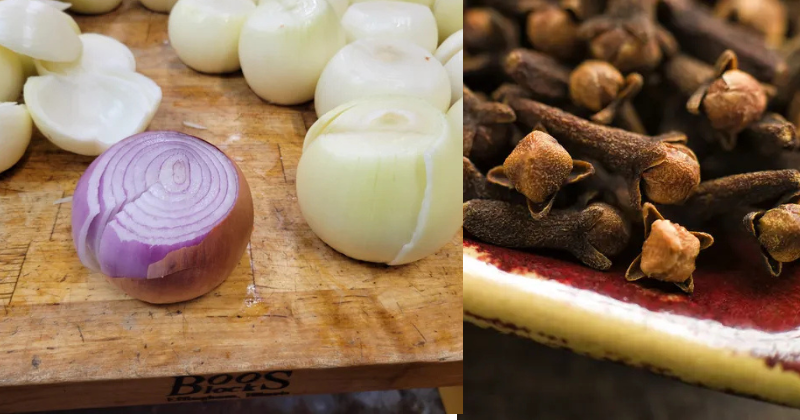
Combining cloves with onions creates a powerful culinary and medicinal pairing that enhances both flavor profiles and potential health benefits through synergistic phytochemical interactions. This traditional combination, used across various cultures for centuries, offers insights into bioactive compound interactions and their effects on human physiology.
Historical Context and Traditional Applications
The practice of inserting cloves into onions represents a convergence of culinary technique and folk medicine traditions. Historical evidence from medieval European kitchens shows this method was employed both for flavoring stocks and broths, and as a household remedy for respiratory ailments. The French technique of creating an « oignon piqué » or « oignon clouté » exemplifies this tradition, where whole cloves are pressed into a peeled onion before adding it to bouillon or sauce preparations.
Traditional medicine systems, particularly in Ayurvedic and traditional Chinese medicine, have long recognized the therapeutic potential of both ingredients individually. The combination emerged from empirical observations of enhanced efficacy when used together, though the underlying biochemical mechanisms remained unexplored until modern analytical techniques became available.
Phytochemical Composition and Bioactive Compounds
Onions contain a complex array of organosulfur compounds, particularly allyl sulfides and thiosulfinates, which form when the cellular structure is disrupted. These compounds demonstrate antimicrobial, antioxidant, and anti-inflammatory properties. The quercetin content in onions, a flavonoid with potent antioxidant activity, reaches concentrations between 25 and 40 mg per 100 g in red varieties, with lower amounts in yellow and white cultivars.
Cloves contain eugenol as their primary bioactive constituent, comprising 70 to 90 percent of the essential oil composition. This phenolic compound exhibits analgesic, antiseptic, and anti-inflammatory characteristics. Additionally, cloves contain eugenol acetate, beta-caryophyllene, and various terpenes that contribute to the overall therapeutic profile.
When these two ingredients are combined, their respective phytochemical profiles create opportunities for synergistic interactions. The lipophilic nature of eugenol allows it to interact with the sulfur-containing compounds in onions, potentially enhancing bioavailability and cellular uptake.
Antimicrobial Properties and Synergistic Effects
Research into the antimicrobial activity of clove and onion combinations reveals promising results. Eugenol from cloves disrupts bacterial cell membranes through interaction with membrane lipids and proteins, compromising cellular integrity. The organosulfur compounds in onions demonstrate similar mechanisms but target different aspects of microbial metabolism.
Laboratory studies examining the combined antimicrobial effect have demonstrated enhanced inhibition of common foodborne pathogens including Escherichia coli, Staphylococcus aureus, and Salmonella species. The synergistic effect appears to result from multiple simultaneous attacks on different cellular structures, making it more difficult for microorganisms to develop resistance.
One particular study measuring minimum inhibitory concentrations found that combining onion extracts with clove oil reduced the required concentration of each component by approximately 40 percent while maintaining equivalent antimicrobial activity. This suggests the combination creates a more efficient antimicrobial system than either component alone.
Antioxidant Capacity and Cellular Protection
The antioxidant mechanisms of cloves and onions operate through complementary pathways. Quercetin from onions functions primarily through direct free radical scavenging and metal chelation, while eugenol acts through both radical scavenging and enhancement of endogenous antioxidant enzyme systems.
Measurement of total antioxidant capacity using DPPH and ABTS assays indicates that combinations of onion and clove extracts demonstrate superadditive effects, with antioxidant activity exceeding the sum of individual components by 15 to 25 percent. This enhancement likely results from the protection of quercetin from oxidative degradation by eugenol, extending the duration of antioxidant activity.
The practical implications for food preservation are significant. Traditional recipes that incorporate both ingredients show reduced lipid oxidation rates during storage, extending shelf life and maintaining sensory qualities. The mechanism involves interruption of the oxidative chain reaction at multiple points, providing more comprehensive protection than single-component systems.
Anti-Inflammatory Mechanisms and Immune Modulation
Both cloves and onions influence inflammatory pathways through modulation of prostaglandin synthesis and cytokine production. Eugenol inhibits cyclooxygenase-2 (COX-2) activity, reducing prostaglandin E2 synthesis, while organosulfur compounds from onions affect nuclear factor kappa B (NF-κB) signaling.
The combination appears to provide broader anti-inflammatory coverage by targeting multiple points in the inflammatory cascade. Research measuring inflammatory markers in cell culture systems shows that combined extracts reduce interleukin-6 (IL-6) and tumor necrosis factor-alpha (TNF-α) production more effectively than either component individually.
This multi-targeted approach may explain traditional use of clove-studded onions in poultices and inhalations for respiratory conditions. The volatile compounds released when the preparation is heated provide both topical anti-inflammatory effects and potential systemic absorption through respiratory mucosa.
Cardiovascular Health Implications
Onions contribute to cardiovascular health through multiple mechanisms, including inhibition of platelet aggregation, reduction of blood lipid levels, and improvement of endothelial function. The quercetin content specifically supports vascular health by promoting nitric oxide production and reducing oxidative stress in endothelial cells.
Cloves add complementary cardiovascular benefits through eugenol’s effects on smooth muscle relaxation and calcium channel modulation. Studies examining vascular reactivity demonstrate that eugenol produces concentration-dependent relaxation of arterial tissue, potentially contributing to blood pressure regulation.
The combination may offer enhanced cardiovascular protection, though human clinical trials specifically examining this pairing remain limited. The theoretical basis suggests additive or synergistic effects on multiple cardiovascular risk factors, including inflammation, oxidation, and vascular reactivity.
Digestive System Effects and Gastric Function
Traditional use of clove-studded onions in cooking addresses not only flavor but also digestive comfort. Both ingredients influence gastric function, though through different mechanisms. Onions stimulate digestive secretions and promote gastric motility, while cloves provide carminative effects that reduce gas formation and intestinal spasms.
The eugenol content in cloves specifically affects smooth muscle tissue in the gastrointestinal tract, producing mild relaxation that can alleviate cramping. This effect complements the prebiotic fiber content in onions, which supports beneficial gut microbiota populations.
However, individual tolerance varies significantly. Some people experience increased gastric discomfort from onions due to their sulfur compound content and effects on lower esophageal sphincter tone. In these cases, the addition of cloves may partially mitigate symptoms through their antispasmodic properties, though the overall preparation may still prove irritating for sensitive individuals.
Practical Culinary Applications and Technique
The technique of inserting whole cloves into onions serves multiple culinary purposes beyond health benefits. The onion acts as a vehicle for slow, controlled release of clove aromatics into liquids during simmering. This prevents the overpowering bitterness that can occur when ground cloves are used excessively or cooked too long.
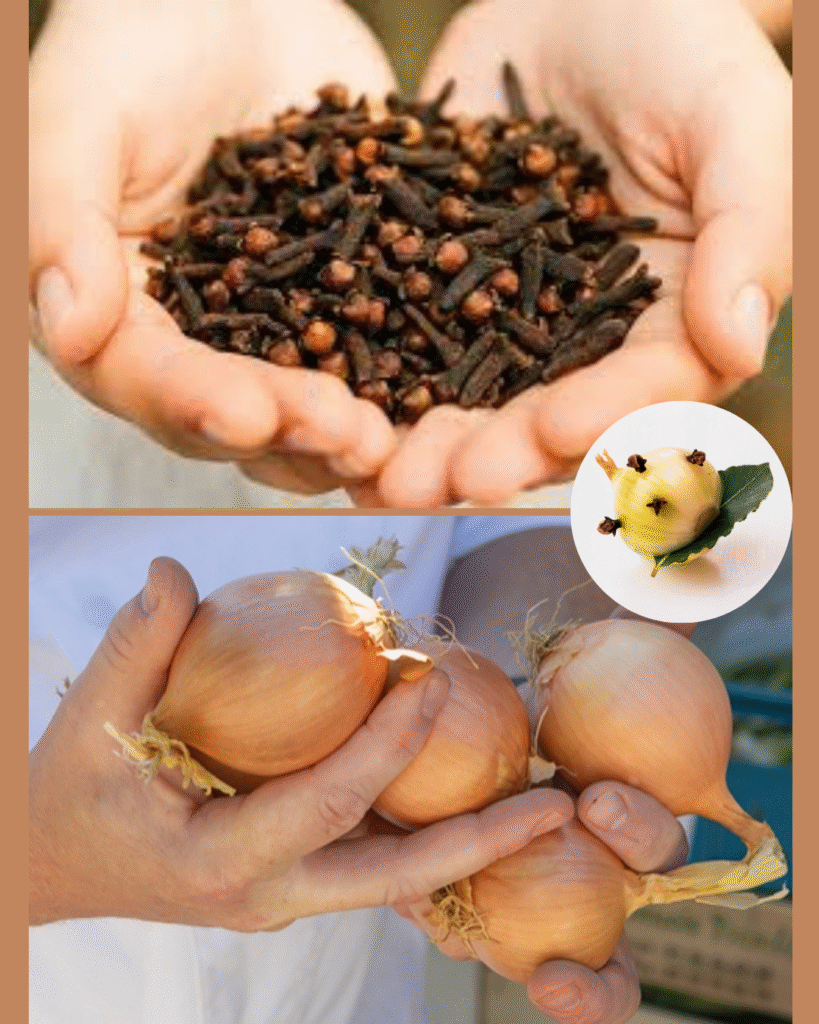
For stock and broth preparation, typically 4 to 6 whole cloves are pressed into a peeled medium onion, sometimes with the addition of a bay leaf secured by an additional clove. The preparation is added at the beginning of the cooking process and removed before serving, having imparted subtle aromatic complexity without leaving residual spice particles.
The whole clove insertion method also facilitates easy removal of the spice, preventing the textural issue of clove fragments in finished dishes. This proves particularly important in strained sauces and clear soups where visual clarity and smooth texture are desired.
Bioavailability Considerations and Absorption
The bioavailability of phytochemicals from both cloves and onions depends heavily on preparation method and food matrix effects. Raw onions provide maximum allicin potential, but cooking improves the availability of quercetin through breakdown of cellular structures. Brief cooking of 5 to 10 minutes appears optimal for balancing retention of heat-sensitive compounds while improving extraction of bound phytochemicals.
Eugenol from cloves demonstrates high lipophilicity, meaning absorption improves in the presence of dietary fats. Traditional preparations that combine clove-studded onions with fatty ingredients like butter or meat stocks may inadvertently optimize eugenol absorption.
The combined preparation may also influence intestinal absorption through modification of gut pH and enzymatic activity. Both ingredients affect digestive enzyme secretion, potentially altering the breakdown and absorption of other nutrients and phytochemicals in the meal.
Safety Considerations and Potential Interactions
While generally recognized as safe for culinary use, both cloves and onions can produce adverse effects in certain contexts. Eugenol in high concentrations demonstrates hepatotoxic potential in animal studies, though culinary quantities fall well below concerning thresholds. The typical use of 4 to 6 whole cloves in a recipe provides approximately 0.5 to 1.0 grams of cloves, containing roughly 350 to 700 mg of eugenol, considered well within safe limits for occasional consumption.
Onions contain fructans, fermentable oligosaccharides that can trigger symptoms in individuals with irritable bowel syndrome or fructan intolerance. The cooking process reduces but does not eliminate fructan content. People following low-FODMAP diets typically need to limit onion intake regardless of preparation method.
The antiplatelet effects of both ingredients raise theoretical concerns about bleeding risk, particularly when combined with anticoagulant medications. However, normal culinary quantities have not been associated with clinically significant bleeding complications in published case reports. Individuals on warfarin or other anticoagulants who regularly consume large amounts of onions or clove preparations should discuss this with healthcare providers, though moderate culinary use typically poses minimal risk.
Contemporary Research Directions
Current research into spice and allium combinations explores optimization of bioactive compound extraction and stability. Novel processing techniques including high-pressure processing, ultrasonic extraction, and enzymatic treatments show promise for maximizing phytochemical availability while maintaining sensory qualities.
Nanoencapsulation technology represents an emerging area of interest, where volatile compounds from cloves and water-soluble compounds from onions are separately encapsulated and then combined for controlled release. This approach may enable development of functional foods with enhanced stability and targeted delivery of bioactive components.
The gut microbiome dimension adds another layer of complexity to understanding benefits of combined plant ingredients. Preliminary research suggests that organosulfur compounds and polyphenols influence microbial community composition and metabolic output differently, with combinations potentially supporting greater microbial diversity than single ingredients.
Cultural Variations and Global Perspectives
Different culinary traditions have developed unique approaches to combining cloves and onions. In French cuisine, the oignon piqué appears in classical preparations like pot-au-feu and béchamel sauce. Indian cooking incorporates whole cloves with onions in biryani and korma dishes, where prolonged cooking extracts flavors into rice and sauce.
Caribbean cuisine often uses cloves in pickled onion preparations, where the antimicrobial properties of both ingredients extend preservation while developing complex flavor. The acidity of the pickling liquid affects extraction and stability of bioactive compounds, creating a different phytochemical profile than aqueous cooking methods.
These cultural variations reflect empirical optimization of flavor and preservation through generations of culinary experimentation. While the underlying chemistry remained unknown to traditional cooks, the resulting preparations often demonstrate sound principles of food science and phytochemical extraction.
Practical Implementation and Recipe Integration
Home cooks can incorporate this traditional technique into various preparations beyond classic French stocks. Slow-cooked bean dishes benefit from the addition of a clove-studded onion, which both enhances flavor complexity and may reduce flatulence through the carminative effects of cloves.
For maximum benefit extraction, the onion should be halved or quartered to increase surface area before clove insertion. This modification deviates from classical technique but improves compound diffusion into cooking liquid. Cooking times between 30 minutes and 2 hours appear optimal for balanced extraction without excessive bitterness.
The preparation can be adapted for different dietary approaches. Vegetarian stocks gain depth from this addition without animal products, while those following anti-inflammatory diets may particularly value the combined anti-inflammatory compounds. However, the contribution remains one component among many dietary factors influencing health outcomes.
The pairing of cloves with onions represents more than culinary tradition—it demonstrates the principle of phytochemical synergy where combined plant compounds produce effects exceeding individual component contributions. While modern research continues to elucidate specific mechanisms, practical culinary application has long benefited from this complementary relationship. The technique offers home cooks a simple method to enhance both flavor complexity and the nutritional profile of everyday preparations, connecting contemporary cooking to centuries of accumulated culinary wisdom.
Disclaimer: This article is for informational purposes only and is not a substitute for professional advice.
Source: National Center for Complementary and Integrative Health (NCCIH), National Institutes of Health – Research on Bioactive Compounds in Culinary Herbs and Spices