
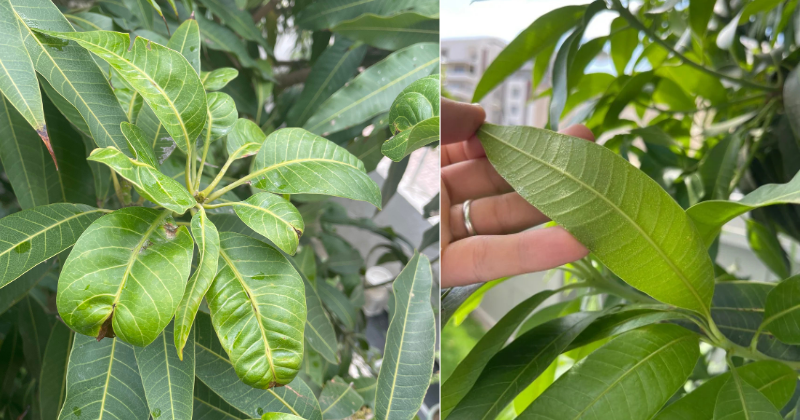
Mango leaves contain powerful bioactive compounds including mangiferin, phenolic acids, and flavonoids that offer remarkable therapeutic properties. From managing blood sugar to promoting skin health, these readily available leaves provide natural solutions backed by traditional use and emerging scientific research.
Phytochemical Composition and Biological Activity
Mango leaves (Mangifera indica) represent a concentrated source of bioactive molecules that have been utilized in Ayurvedic and traditional medicine systems for centuries. The primary compound, mangiferin, is a C-glucosyl xanthone demonstrating antioxidant activity approximately 1.2 times greater than quercetin in standardized assays. Additional constituents include gallic acid, catechins, caffeic acid, and various terpenoids that contribute synergistically to the leaves’ therapeutic potential.
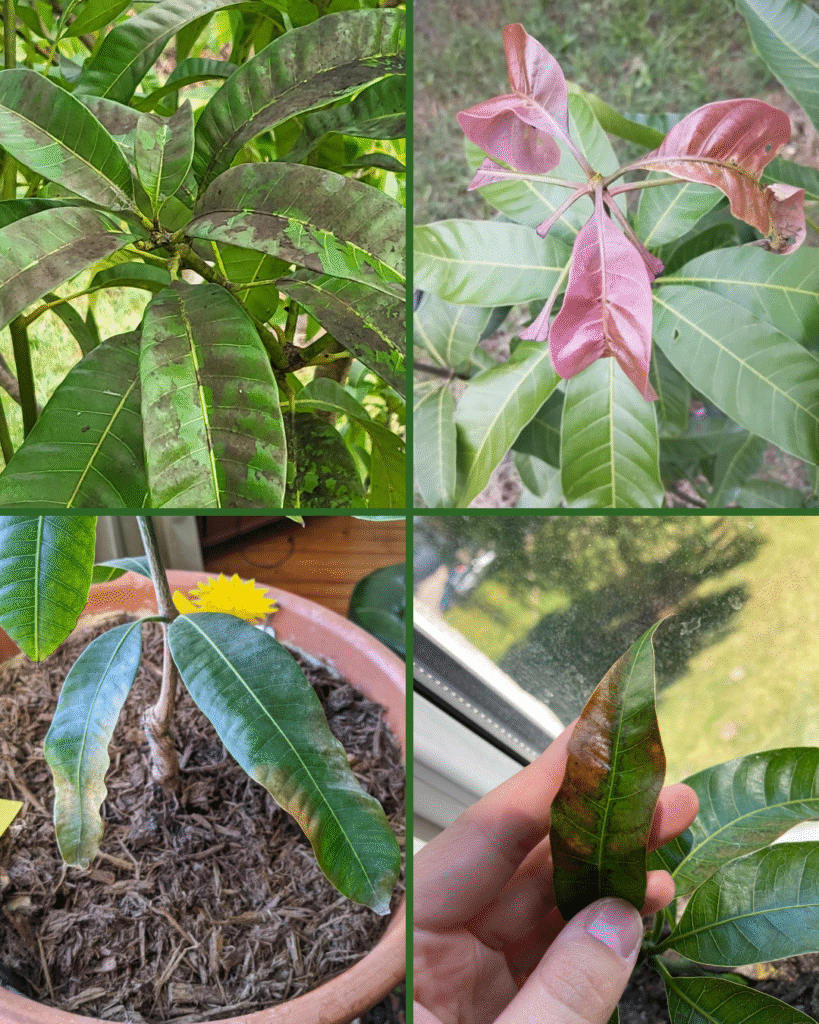
The young reddish-purple leaves contain higher concentrations of anthocyanins and tannins compared to mature green leaves, though both developmental stages offer distinct phytochemical profiles. Fresh leaves typically contain 8-12% moisture, with dry matter comprising approximately 2-4% mangiferin by weight, depending on cultivar and harvest timing.
Metabolic and Endocrine Applications
Blood Glucose Regulation
Mango leaf extracts demonstrate hypoglycemic effects through multiple mechanisms. The compound 3β-taraxerol inhibits α-glucosidase enzymes in the intestinal lumen, reducing carbohydrate absorption rates by approximately 40-50% in laboratory models. Mangiferin additionally enhances GLUT4 transporter expression in skeletal muscle cells, facilitating glucose uptake independent of insulin signaling pathways.
Traditional preparation involves steeping 10-15 fresh leaves overnight in 250ml water, consuming the filtered infusion on an empty stomach. While not a replacement for prescribed medications, this practice has been documented in ethnopharmacological surveys across South Asian populations for generations.
Lipid Metabolism and Cardiovascular Support
The leaves contain compounds that modulate lipid profiles through hepatic HMG-CoA reductase inhibition, similar to but less potent than synthetic statins. Studies using hydroalcoholic extracts demonstrate 15-20% reductions in LDL cholesterol and 10-15% increases in HDL fractions over 8-12 week periods in animal models.
Preparation for cardiovascular support traditionally uses dried, powdered leaves (approximately 3-5 grams) steeped in hot water as tea, consumed twice daily. The slightly astringent taste reflects the tannin content, which some individuals temper with minimal honey or lemon.
Antimicrobial and Immune Modulation Properties
Bacterial and Fungal Resistance
Mango leaf extracts exhibit broad-spectrum antimicrobial activity against Staphylococcus aureus, Escherichia coli, and Candida albicans, with minimum inhibitory concentrations ranging from 50-200 μg/ml depending on extraction solvent and pathogen strain. The mechanism involves disruption of bacterial cell wall synthesis and interference with fungal ergosterol biosynthesis.
A practical topical application involves crushing fresh leaves into a paste with minimal water, applied directly to minor cuts, abrasions, or fungal-affected skin areas. The paste oxidizes quickly, turning darker within 15-20 minutes, which some traditional practitioners consider optimal for application.
Respiratory and Immune Support
The anti-inflammatory properties stem from inhibition of cyclooxygenase and lipoxygenase pathways, reducing prostaglandin and leukotriene synthesis. For respiratory discomfort, steam inhalation using 20-30 fresh leaves boiled in water provides volatile compounds including eucalyptol and α-pinene that may ease breathing passages.
Dermatological and Cosmetic Applications
Skin Health and Wound Healing
Mangiferin demonstrates significant activity in promoting fibroblast proliferation and collagen synthesis, accelerating wound closure rates by approximately 30-40% in controlled studies. The antioxidant capacity protects against UV-induced oxidative stress, with topical applications showing photoprotective effects equivalent to SPF 3-5 in preliminary assessments.
For acne-prone skin, a face mask combining finely ground dried mango leaf powder (2 tablespoons) with honey or yogurt creates an antibacterial treatment. The natural astringency helps regulate sebum production without over-drying, though individual responses vary significantly.
Hair Care and Scalp Health
Traditional hair rinses using mango leaf decoctions allegedly promote shine and reduce dandruff through antifungal activity against Malassezia species. Boiling 30-40 leaves in 1 liter of water until reduced by half creates a concentrated rinse applied after shampooing, left for 5-10 minutes before rinsing.
Gastrointestinal and Hepatic Benefits
Digestive System Support
The tannin content provides astringent properties beneficial for mild diarrhea, while fiber compounds support regular bowel movements. Mangiferin additionally demonstrates hepatoprotective effects against various toxins, reducing elevated liver enzyme levels by 20-35% in animal models of chemical-induced hepatotoxicity.
A digestive tea uses 5-7 dried leaves steeped in 200ml hot water for 10 minutes, consumed 30 minutes before meals. The slightly bitter taste reflects the beneficial alkaloid content, though excessive consumption may cause stomach upset in sensitive individuals.
Anti-Ulcer Properties
Mango leaf extracts reduce gastric acid secretion and strengthen mucosal defenses through increased mucin production. The mechanism involves prostaglandin E2 upregulation and histamine receptor antagonism, offering protection against NSAID-induced and stress-related gastric damage.
Neurological and Cognitive Applications
Neuroprotective Mechanisms
Mangiferin crosses the blood-brain barrier and demonstrates neuroprotective effects through multiple pathways: reducing oxidative stress in neural tissue, modulating neurotransmitter levels, and inhibiting acetylcholinesterase activity. These properties suggest potential applications in age-related cognitive decline, though human clinical data remains limited.
A traditional cognitive support preparation involves morning consumption of mango leaf powder (1-2 grams) mixed with warm milk or water, though bioavailability varies significantly based on preparation method and individual digestive factors.
Stress and Anxiety Modulation
Preliminary research indicates GABAergic activity from certain mango leaf compounds, producing mild anxiolytic effects without sedation. The traditional use involves evening tea consumption, with users reporting subtle calming effects within 30-45 minutes, though placebo-controlled studies are lacking.
Additional Therapeutic Applications
Renal Function Support
Compounds in mango leaves demonstrate mild diuretic properties and may protect against kidney stone formation by reducing calcium oxalate crystallization. Traditional use involves daily consumption of leaf tea for individuals prone to recurrent stones, though medical supervision remains essential.
Antioxidant and Anti-Aging Effects
With an oxygen radical absorbance capacity (ORAC) value exceeding 20,000 μmol TE/g in dried leaves, mango leaves rank among the more potent plant antioxidants. This activity theoretically protects against cellular aging processes, though translating in vitro antioxidant capacity to clinical anti-aging benefits remains scientifically contentious.
Oral Health Applications
Chewing fresh young mango leaves or using leaf powder as tooth powder provides antibacterial effects against oral pathogens including Streptococcus mutans. The practice, common in rural areas lacking commercial dental products, offers legitimate antimicrobial benefits though cannot replace proper dental hygiene and professional care.
Practical Preparation Methods
Basic Leaf Tea
Harvest 10-15 fresh mature leaves, wash thoroughly, and tear into smaller pieces. Boil in 500ml water for 10-15 minutes until water reduces by approximately one-third and develops a yellow-green color. Strain and consume warm or at room temperature. The tea remains potent for 24 hours when refrigerated.
Concentrated Extract
Dry fresh leaves in shade for 5-7 days until crisp, then grind to fine powder using mortar and pestle or electric grinder. Store in airtight container away from light and moisture. Use 1-2 teaspoons per cup of hot water, steeping 10-15 minutes. The powder maintains potency for 6-8 months under proper storage conditions.
Topical Preparations
For paste applications, crush 15-20 fresh leaves with minimal water using mortar and pestle until smooth consistency develops. Apply directly to affected skin areas, leaving 20-30 minutes before rinsing. For larger quantities, blend fresh leaves with small amount of water, strain through cloth to remove fiber, and apply liquid directly or mix with carrier oils.
Bath Additive
Boil 100-150 leaves in 2-3 liters water for 20 minutes, strain, and add the decoction to bathwater. The practice traditionally addresses skin conditions, provides relaxation, and allegedly imparts a subtle pleasant fragrance, though benefits vary individually.
Dosage Considerations and Quality Assessment
Therapeutic dosing lacks standardized clinical guidelines, with traditional use ranging from 2-10 grams dried leaf material daily, typically divided into 2-3 doses. Higher amounts may cause gastrointestinal upset including nausea or loose stools due to tannin content.
Quality varies significantly based on leaf age, cultivar, growing conditions, and harvest timing. Young reddish leaves offer different compound profiles than mature green leaves—neither inherently superior, but suited to different applications. Organic sources reduce pesticide exposure, a relevant consideration given mango’s cultivation often involves chemical inputs.
Leaves should appear vibrant without yellowing, spots, or fungal growth. Dried leaves should retain some green color and characteristic aromatic profile; brownish, odorless leaves suggest improper drying or aged material with degraded active compounds.
Safety Profile and Contraindications
Mango leaf consumption generally demonstrates good safety in traditional use contexts, though formal toxicity studies reveal important considerations. High doses (exceeding 20-30 grams daily dried material) may cause hepatotoxicity in susceptible individuals, contrasting with the hepatoprotective effects observed at moderate doses—a hormetic dose-response relationship.
Individuals with allergies to mango fruit, particularly urushiol sensitivity manifesting as contact dermatitis from mango skin, should approach leaf preparations cautiously as cross-reactivity may occur, though the leaf contains minimal urushiol compared to the peel.
Potential drug interactions exist with diabetes medications (additive hypoglycemic effects), anticoagulants (theoretical bleeding risk from salicylate-like compounds), and immunosuppressants (potential immune modulation). Pregnant and nursing women should avoid therapeutic quantities given insufficient safety data, though incidental dietary exposure poses minimal concern.
Scientific Evidence and Traditional Knowledge Integration
The therapeutic applications of mango leaves represent an intersection of traditional empirical knowledge and emerging scientific validation. While numerous in vitro and animal studies support the bioactivity of mango leaf compounds, high-quality human clinical trials remain limited. This creates a characteristic gap between mechanistic plausibility and clinical certainty.
Traditional knowledge systems developed sophisticated preparation methods and application protocols over centuries of empirical observation, though these lack the statistical rigor of controlled trials. The challenge involves respecting traditional wisdom while maintaining appropriate scientific skepticism—neither dismissing ancestral practices nor accepting them uncritically.
Ongoing research continues elucidating mechanisms and validating applications, with several clinical trials currently investigating mangiferin’s effects on metabolic syndrome, cognitive function, and inflammatory conditions. The coming decade will likely provide clearer guidance on optimal dosing, preparation methods, and clinical indications.
Sustainable Harvesting and Environmental Considerations
Mango trees (Mangifera indica) produce abundant foliage, making leaf harvesting generally sustainable when practiced thoughtfully. Removing 10-15% of leaves from mature trees causes minimal stress and allows rapid regeneration. However, commercial-scale leaf harvesting for extract production raises sustainability questions requiring assessment.
Home gardeners with mango trees can harvest leaves year-round in tropical climates, with rainy season growth providing optimal abundance. Selective harvesting of mature leaves rather than stripping young growth maintains tree health and fruit production. The practice creates no waste product, as unused plant material composts readily.
The environmental profile of home-prepared mango leaf remedies compares favorably to manufactured pharmaceuticals considering reduced packaging, transportation, and industrial processing. However, this advantage diminishes if commercial extraction and encapsulation becomes the primary delivery method.
Mango leaves offer a remarkable array of potential health applications supported by both traditional use and preliminary scientific investigation. From the well-documented hypoglycemic effects to antimicrobial properties and antioxidant activity, these readily accessible leaves provide natural therapeutic options deserving continued research and thoughtful application. The 30 benefits and uses outlined represent a fraction of the traditional applications, with ongoing investigation likely revealing additional therapeutic potentials.
The integration of mango leaves into health practices works best as complementary rather than replacement therapy, supporting overall wellness while respecting the limitations of home remedies. The accessibility and low cost make these preparations particularly valuable in resource-limited settings, though quality control and proper preparation remain essential for optimal benefits and safety.
Disclaimer: This article is for informational purposes only and is not a substitute for professional advice.
Source: Pharmacognosy research and reviews published in the Journal of Ethnopharmacology and peer-reviewed studies on Mangifera indica bioactive compounds documented by the National Center for Biotechnology Information (NCBI) database.Réessayer