
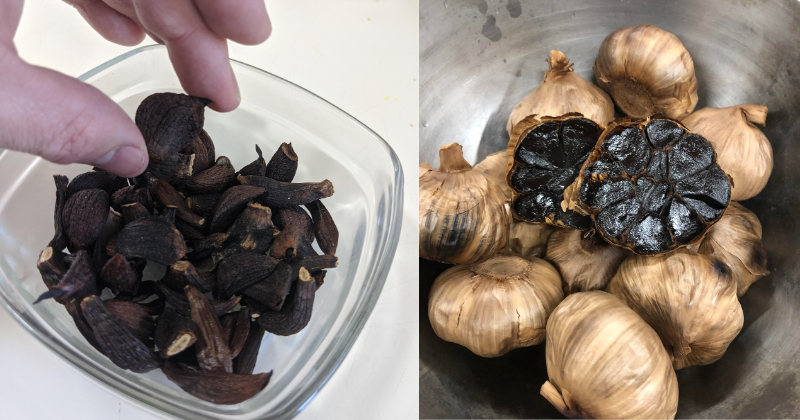
Black garlic transforms ordinary garlic through controlled fermentation, creating a nutrient-dense food with enhanced bioactive compounds, antioxidant properties, and a unique sweet-savory flavor profile that has captured scientific and culinary interest worldwide.
The Fermentation Process: Biochemical Transformation at Controlled Temperatures
The creation of black garlic involves exposing fresh garlic bulbs to precisely controlled heat and humidity conditions over extended periods, typically ranging from 14 to 40 days. During this process, bulbs are maintained at temperatures between 60°C and 90°C with relative humidity levels of 70-90%. This thermal treatment initiates a series of non-enzymatic browning reactions, primarily the Maillard reaction, where reducing sugars interact with amino acids to produce melanoidins—complex brown polymers responsible for the characteristic dark coloration.
The aging process fundamentally alters the chemical composition of garlic. The pungent organosulfur compound allicin, which gives fresh garlic its sharp odor and taste, undergoes degradation and conversion into stable, oil-soluble sulfur compounds including S-allylcysteine (SAC) and S-allylmercaptocysteine. These transformed compounds exhibit different biological activities compared to their fresh counterparts, with studies suggesting enhanced bioavailability and reduced gastric irritation.
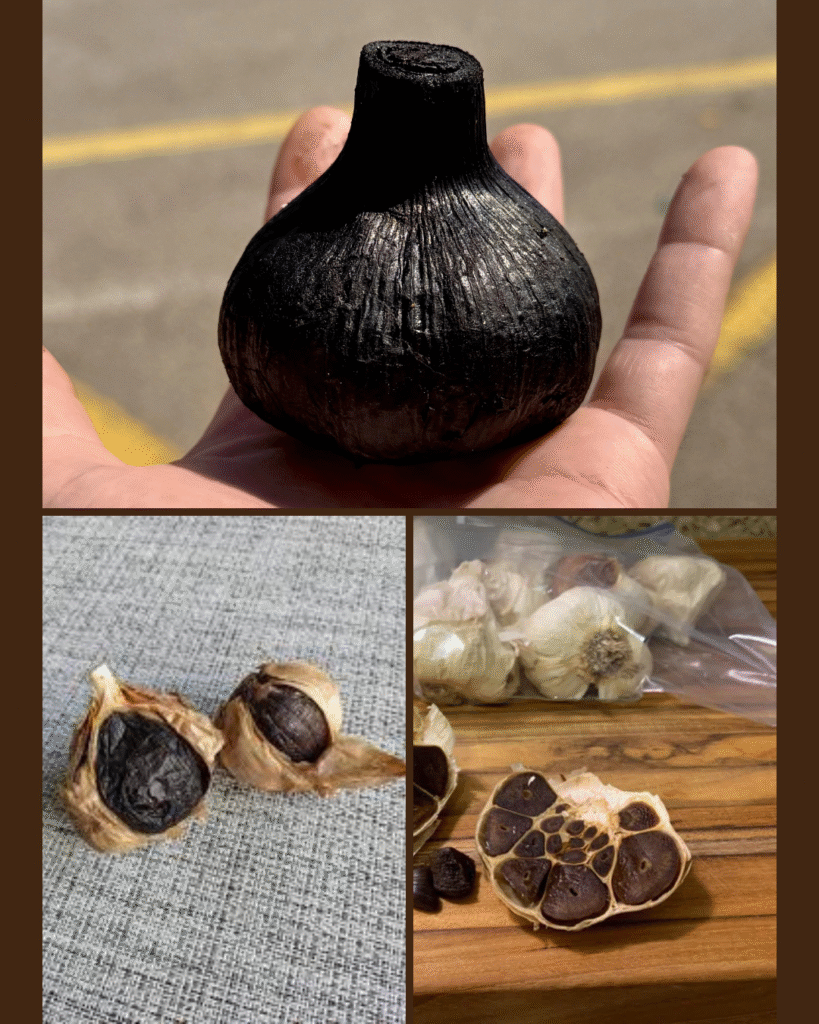
Temperature and duration parameters significantly influence the final product’s characteristics. Lower temperatures with longer aging periods tend to preserve more water-soluble compounds, while higher temperatures accelerate browning reactions but may compromise certain heat-sensitive nutrients. The cloves gradually transition from white to brown, then to deep black, becoming soft, sticky, and acquiring a texture reminiscent of dried fruit.
Enhanced Antioxidant Capacity: Polyphenolic Enrichment and Free Radical Neutralization
Black garlic demonstrates substantially elevated antioxidant activity compared to fresh garlic, with some analytical studies reporting increases of 5-10 fold in total polyphenol content. The fermentation process promotes the formation and concentration of various antioxidant compounds, including flavonoids, alkaloids, and phenolic acids. These molecules function as electron donors, neutralizing reactive oxygen species (ROS) that contribute to cellular oxidative stress and tissue damage.
The predominant antioxidant mechanism involves the scavenging of free radicals through hydrogen atom transfer or single electron transfer reactions. Polyphenolic compounds in black garlic contain multiple hydroxyl groups that readily donate hydrogen atoms to stabilize unpaired electrons in free radicals, effectively terminating chain reactions that would otherwise propagate cellular damage. This protective effect has been demonstrated in vitro using assays such as DPPH (2,2-diphenyl-1-picrylhydrazyl) and ABTS (2,2′-azino-bis(3-ethylbenzothiazoline-6-sulfonic acid) radical scavenging tests.
Laboratory investigations have examined black garlic’s potential to modulate oxidative stress markers in biological systems. Research utilizing animal models has shown that black garlic extract administration correlates with reduced malondialdehyde (MDA) levels—a lipid peroxidation byproduct—and increased activity of endogenous antioxidant enzymes including superoxide dismutase (SOD), catalase (CAT), and glutathione peroxidase (GPx). These findings suggest that black garlic may support the body’s intrinsic defense mechanisms against oxidative damage, though the translation of these effects to human physiology requires further clinical validation.
Cardiovascular Implications: Lipid Modulation and Endothelial Function
The sulfur-containing compounds in black garlic, particularly S-allylcysteine, have attracted considerable attention for their potential cardiovascular applications. SAC demonstrates water solubility and stability, characteristics that may facilitate intestinal absorption and systemic circulation. Preclinical studies have investigated its effects on lipid metabolism, with some research indicating that black garlic consumption may influence serum lipid profiles.
Animal model experiments have documented reductions in total cholesterol, low-density lipoprotein cholesterol (LDL-C), and triglyceride concentrations following black garlic supplementation. The proposed mechanisms include inhibition of hepatic cholesterol synthesis through modulation of HMG-CoA reductase activity, enhanced bile acid excretion, and increased LDL receptor expression. Additionally, black garlic compounds may reduce hepatic lipogenesis by downregulating genes involved in fatty acid synthesis, such as sterol regulatory element-binding protein-1c (SREBP-1c) and fatty acid synthase (FAS).
Endothelial function represents another area of cardiovascular research interest. The endothelium, a single-cell layer lining blood vessels, regulates vascular tone through the production of vasoactive substances including nitric oxide (NO). Endothelial dysfunction, characterized by impaired NO bioavailability, contributes to hypertension and atherosclerosis development. In vitro studies suggest that black garlic extracts may promote endothelial NO synthase (eNOS) expression and activity, potentially supporting vasodilation. Some human pilot studies have reported modest blood pressure reductions in hypertensive individuals consuming black garlic preparations, though larger controlled trials are needed to establish clinical efficacy and optimal dosing protocols.
Immunomodulatory Properties: Cellular Defense and Inflammatory Response
The immune system’s complex network of cellular and molecular components maintains homeostasis and defends against pathogenic threats. Black garlic contains bioactive compounds that may influence immune cell function and inflammatory signaling pathways. Research has examined its effects on both innate and adaptive immunity, with particular focus on macrophage activation, natural killer (NK) cell activity, and cytokine production patterns.
Macrophages serve as first-line defenders in innate immunity, detecting pathogens through pattern recognition receptors and initiating inflammatory responses. In vitro experiments have demonstrated that black garlic extracts can enhance macrophage phagocytic capacity and stimulate the release of proinflammatory cytokines such as tumor necrosis factor-alpha (TNF-α) and interleukin-6 (IL-6) under appropriate conditions. This immunostimulatory effect may strengthen the body’s initial response to microbial challenges.
Conversely, chronic inflammation underlies numerous pathological conditions, from metabolic syndrome to neurodegenerative disorders. Black garlic also exhibits anti-inflammatory properties through multiple mechanisms. Its compounds can suppress the nuclear factor-kappa B (NF-κB) signaling pathway, a master regulator of inflammatory gene expression. By preventing NF-κB translocation to the nucleus, black garlic constituents may reduce the transcription of proinflammatory mediators including cyclooxygenase-2 (COX-2) and inducible nitric oxide synthase (iNOS). This dual capacity—immunostimulation when needed and inflammation modulation when excessive—suggests a balancing effect on immune homeostasis, though the specific contexts determining these responses require further elucidation.
Hepatoprotective Mechanisms: Detoxification Support and Metabolic Regulation
The liver performs essential metabolic, synthetic, and detoxification functions, making hepatoprotection a significant health priority. Black garlic has been investigated for its potential to support hepatic health through various mechanisms. Animal studies employing hepatotoxic agents such as carbon tetrachloride (CCl₄) or acetaminophen have examined black garlic’s protective effects against chemically-induced liver injury.
Results from these experiments indicate that black garlic pretreatment or co-administration can attenuate liver enzyme elevations (ALT, AST) and reduce histopathological damage including hepatocyte necrosis, inflammatory infiltration, and fibrotic changes. The protective mechanisms likely involve multiple pathways: antioxidant activity neutralizes reactive metabolites generated during xenobiotic processing, anti-inflammatory effects reduce hepatic inflammation, and potential modulation of phase I and phase II detoxification enzymes may enhance the liver’s capacity to metabolize and eliminate toxins.
Black garlic compounds may also influence hepatic lipid metabolism, relevant to non-alcoholic fatty liver disease (NAFLD), a condition characterized by excessive triglyceride accumulation in hepatocytes. Research suggests that black garlic can reduce hepatic steatosis in diet-induced obesity models, possibly through activation of AMP-activated protein kinase (AMPK), a cellular energy sensor that promotes fatty acid oxidation and inhibits lipogenesis. Additionally, black garlic may improve insulin sensitivity in hepatocytes, addressing the metabolic dysfunction underlying NAFLD pathogenesis.
Neuroprotective Potential: Oxidative Stress and Protein Aggregation
Neurodegenerative conditions such as Alzheimer’s and Parkinson’s diseases involve complex pathological processes including oxidative damage, protein misfolding, mitochondrial dysfunction, and neuroinflammation. Black garlic’s antioxidant and anti-inflammatory properties have prompted investigation into potential neuroprotective applications.
In neuronal cell culture models exposed to oxidative stressors or neurotoxins, black garlic extracts have demonstrated protective effects, reducing cell death and maintaining cellular viability. These effects correlate with decreased ROS production, preserved mitochondrial membrane potential, and reduced activation of apoptotic pathways. The aged garlic compound S-allylcysteine can cross the blood-brain barrier, a critical requirement for central nervous system effects, and accumulates in brain tissue following systemic administration in animal models.
Protein aggregation represents a pathological hallmark of several neurodegenerative disorders. In Alzheimer’s disease, abnormal accumulation of amyloid-beta (Aβ) peptides and hyperphosphorylated tau protein disrupts neuronal function. Preliminary research suggests that black garlic compounds may interfere with Aβ aggregation and reduce tau phosphorylation in experimental systems. Additionally, black garlic may enhance the activity of acetylcholinesterase, an enzyme whose dysfunction contributes to cognitive decline in Alzheimer’s disease, though findings remain preliminary and require validation through rigorous clinical studies.
Antimicrobial Activity: Spectrum and Mechanisms of Action
While fresh garlic’s antimicrobial properties are well-documented, primarily attributed to allicin, black garlic maintains antimicrobial activity despite the transformation of volatile sulfur compounds during fermentation. Research has evaluated black garlic extracts against various bacterial, fungal, and viral pathogens using in vitro susceptibility testing.
Studies report antimicrobial activity against both Gram-positive bacteria (Staphylococcus aureus, Streptococcus species) and Gram-negative bacteria (Escherichia coli, Salmonella species), though potency varies depending on extraction methods and target organisms. The mechanisms differ from fresh garlic’s allicin-based activity. Black garlic’s antimicrobial effects likely involve membrane disruption through interaction with phospholipid bilayers, interference with bacterial metabolic pathways, and potential disruption of quorum sensing—the cell-to-cell communication system bacteria use to coordinate virulence factor expression.
Antifungal properties have been demonstrated against Candida species and dermatophytes, suggesting potential applications in fungal infection management. Some research has explored antiviral activity, particularly against influenza virus, with proposed mechanisms including viral envelope disruption and interference with viral replication machinery. However, the clinical relevance of these in vitro findings requires careful evaluation, as the concentrations needed for antimicrobial effects may exceed those achievable through dietary consumption.
Glycemic Regulation: Insulin Sensitivity and Glucose Metabolism
Metabolic disorders, particularly type 2 diabetes mellitus, represent major global health challenges characterized by insulin resistance and impaired glucose homeostasis. Black garlic has been investigated for potential antidiabetic properties through multiple experimental approaches.
Animal studies using diabetic models (streptozotocin-induced or diet-induced) have reported that black garlic supplementation reduces fasting blood glucose levels and improves glucose tolerance in oral glucose tolerance tests. These effects appear mediated through several mechanisms: enhanced insulin secretion from pancreatic beta cells, increased glucose uptake in peripheral tissues (particularly skeletal muscle and adipose tissue) through upregulation of glucose transporter 4 (GLUT4), and inhibition of hepatic glucose production.
Black garlic compounds may improve insulin sensitivity by activating signaling pathways including the phosphoinositide 3-kinase (PI3K)/Akt pathway, critical for insulin’s metabolic effects. Additionally, AMPK activation by black garlic constituents promotes glucose uptake independent of insulin, offering a complementary mechanism for glycemic control. Some research suggests that black garlic may also inhibit carbohydrate-digesting enzymes such as α-glucosidase and α-amylase, potentially reducing postprandial glucose spikes by slowing carbohydrate breakdown and absorption.
The antioxidant and anti-inflammatory properties of black garlic may also contribute to metabolic benefits, as oxidative stress and chronic inflammation are implicated in insulin resistance development. However, translating these preclinical findings to human diabetes management requires controlled clinical trials evaluating efficacy, safety, and potential interactions with conventional antidiabetic medications.
Culinary Applications: Flavor Profile and Gastronomic Integration
Beyond its investigated biological properties, black garlic offers distinctive culinary characteristics that have driven its adoption in contemporary gastronomy. The fermentation process eliminates the pungency associated with fresh garlic, replacing it with a complex flavor profile combining sweetness, umami, and subtle tanginess with hints of balsamic vinegar or tamarind. The texture becomes soft and easily spreadable, with individual cloves losing their fibrous structure.
This transformation makes black garlic versatile in both savory and sweet applications. In savory contexts, it can be incorporated into sauces, dressings, marinades, and compound butters, adding depth without the aggressive bite of fresh garlic. The paste-like consistency allows it to blend seamlessly into purées, soups, and emulsions. Chefs utilize black garlic to create umami-rich bases for contemporary dishes, often pairing it with proteins, roasted vegetables, or aged cheeses that complement its complex flavor.
Some culinary professionals experiment with black garlic in unexpected applications, including desserts and confections where its sweetness and lack of pungency allow integration into chocolate preparations, caramels, or fruit-based dishes. The dark color provides visual contrast, and the unique flavor adds sophistication to simple preparations. From a practical standpoint, black garlic offers convenience—no peeling or chopping required for many applications, and no lingering garlic odor on hands or breath, making it more socially acceptable for consumption before social engagements.
Production Considerations: Commercial and Home Preparation Methods
Commercial black garlic production employs specialized fermentation chambers that precisely control temperature, humidity, and air circulation throughout the aging period. Industrial processes typically optimize parameters to maximize yield, consistency, and desired flavor profiles while ensuring food safety. Quality control measures include monitoring microbial activity to prevent spoilage, testing for consistent antioxidant content, and sensory evaluation to maintain product standards.
Home production of black garlic has gained popularity among culinary enthusiasts, utilizing equipment ranging from dedicated black garlic fermenters to repurposed rice cookers, slow cookers, or dehydrators. The basic principle remains constant: maintaining whole garlic bulbs (unpeeled, but with roots trimmed and exterior papery layers removed) at consistent elevated temperatures for extended periods. Rice cookers on « warm » settings typically provide temperatures in the appropriate range, though verification with a thermometer is advisable.
The process requires patience—two to three weeks is common for home production—and produces distinctive odors during fermentation that some find overwhelming in enclosed spaces. Adequate ventilation or outdoor setup may be necessary. The bulbs should be checked periodically for moisture content; excessive drying may result in hard, brittle cloves, while insufficient moisture control could promote microbial spoilage. Properly prepared black garlic develops uniform dark coloration throughout each clove and maintains some moisture content, yielding a sticky, jammy texture when pressed.
Storage of finished black garlic is straightforward—it can be kept at room temperature in a sealed container for several weeks, or refrigerated for months. Some producers vacuum-seal or freeze black garlic for extended storage, though freezing may slightly alter texture upon thawing. The stability of black garlic compared to fresh garlic stems from the transformation of volatile compounds and reduced water activity, creating an environment less conducive to microbial growth and enzymatic degradation.
Research Limitations and Future Directions: From Laboratory to Clinical Application
While the existing research on black garlic presents promising findings across multiple domains, several limitations warrant consideration. Much of the evidence derives from in vitro studies using cell cultures or in vivo experiments with animal models. These experimental systems provide valuable mechanistic insights but do not directly translate to human health outcomes. Differences in metabolism, bioavailability, and physiological responses between species necessitate cautious interpretation when extrapolating to human applications.
Clinical studies involving human participants remain relatively limited, with many existing trials characterized by small sample sizes, short durations, or lack of rigorous placebo controls. Standardization represents another challenge—black garlic products vary considerably in their chemical composition depending on production methods, garlic variety, fermentation parameters, and processing techniques. This variability complicates dose-response relationships and reproducibility across studies.
Future research directions should prioritize well-designed randomized controlled trials with adequate sample sizes, appropriate control groups, and sufficient duration to assess both efficacy and safety. Standardization of black garlic extracts with quantified bioactive compounds would facilitate more precise dosing and comparative studies. Pharmacokinetic investigations examining the absorption, distribution, metabolism, and excretion of key black garlic constituents in humans would enhance understanding of bioavailability and optimal administration strategies.
Additionally, research should explore potential interactions between black garlic compounds and conventional medications, particularly anticoagulants (given garlic’s documented effects on platelet function), antidiabetic drugs, and antihypertensive agents. Long-term safety studies are needed to identify any adverse effects from chronic consumption at therapeutic doses. Mechanistic research employing modern techniques such as metabolomics, proteomics, and genomics could elucidate the molecular pathways through which black garlic exerts its biological effects, potentially identifying novel therapeutic targets or biomarkers for personalized nutrition approaches.
Practical Integration: Consumption Patterns and Considerations
For individuals interested in incorporating black garlic into their dietary patterns, several practical considerations merit attention. Black garlic is available through multiple channels: specialty food stores, online retailers, farmers’ markets, and increasingly, conventional supermarkets. Products range from whole bulbs to peeled cloves, pastes, powders, and extracts. Quality varies, with factors such as production methods, storage conditions, and handling affecting final product characteristics.
Consumption approaches vary from culinary integration to supplement forms. Culinary use offers the advantage of providing black garlic in a whole food context, potentially benefiting from synergistic interactions between compounds and food matrix effects that may influence bioavailability. Typical culinary consumption might range from one to several cloves daily, depending on individual preferences and tolerance. Black garlic can be eaten directly, spread on bread, mixed into dishes during cooking, or used as a finishing element.
Supplement forms (capsules, extracts) provide standardized doses and convenience but remove the food context and may use extraction methods that alter compound profiles. Individuals considering black garlic supplementation for specific health purposes should consult healthcare providers, particularly those with existing medical conditions, pregnant or nursing women, and individuals taking medications that might interact with garlic compounds.
Some people may experience mild gastrointestinal effects from black garlic consumption, though these are generally less pronounced than with fresh garlic. The absence of allicin reduces the gastric irritation and heartburn sometimes associated with raw garlic. However, individual tolerance varies, and starting with small amounts to assess personal response is prudent. The reduced odor production is advantageous for social acceptability, though compounds absorbed systemically may still produce subtle garlic scent through respiratory excretion, albeit much milder than fresh garlic.
Comparative Analysis: Black Garlic Versus Fresh Garlic and Other Aged Preparations
Understanding black garlic’s properties benefits from comparison with fresh garlic and other garlic preparations. Fresh garlic’s biological activities primarily derive from allicin and related organosulfur compounds generated when alliin contacts the enzyme alliinase during crushing or cutting. These compounds are highly reactive and unstable, degrading rapidly through heat, time, or pH changes. This instability presents challenges for standardization and may contribute to variability in physiological effects.
Black garlic’s fermentation process sacrifices these volatile compounds in exchange for different bioactive constituents, particularly stable organosulfur compounds like S-allylcysteine and enhanced antioxidant polyphenols. This transformation offers advantages: improved stability, reduced gastrointestinal irritation, absence of strong odor, and potentially enhanced bioavailability of certain compounds. However, it also means that some of fresh garlic’s well-documented effects (particularly antimicrobial potency attributed to allicin) are diminished.
Aged garlic extract (AGE), another modified garlic preparation, involves aging fresh garlic in aqueous alcohol solutions for extended periods (up to 20 months). This process also produces S-allylcysteine and other stable compounds while removing harsh components. AGE has been more extensively studied in clinical trials than black garlic, with documented effects on cardiovascular risk factors, immune function, and other health parameters. Black garlic and AGE share some chemical similarities but differ in production methods, flavor profiles, and intended applications—AGE primarily serves as a supplement, while black garlic functions as both food and potential nutraceutical.
The choice between preparations depends on intended outcomes and preferences. For antimicrobial purposes or acute immune stimulation, fresh garlic may offer advantages. For cardiovascular support with clinical evidence, aged garlic extract has a more robust research foundation. Black garlic occupies a unique position as a culinary ingredient with investigated health properties, offering palatability advantages that may enhance long-term adherence to regular consumption.
The scientific investigation of black garlic continues to expand, bridging traditional food fermentation practices with contemporary biomedical research. While existing evidence suggests potential health applications across multiple physiological systems, the translation from laboratory findings to validated clinical interventions requires ongoing rigorous investigation. Meanwhile, black garlic’s culinary appeal and favorable safety profile support its integration into diverse dietary patterns as a flavorful, nutrient-dense food that exemplifies the intersection of gastronomy and functional nutrition.
Disclaimer: This article is for informational purposes only and is not a substitute for professional advice.
Source: National Center for Complementary and Integrative Health (NCCIH), National Institutes of Health—Research on garlic and aged garlic preparations in cardiovascular health and metabolic regulation.