
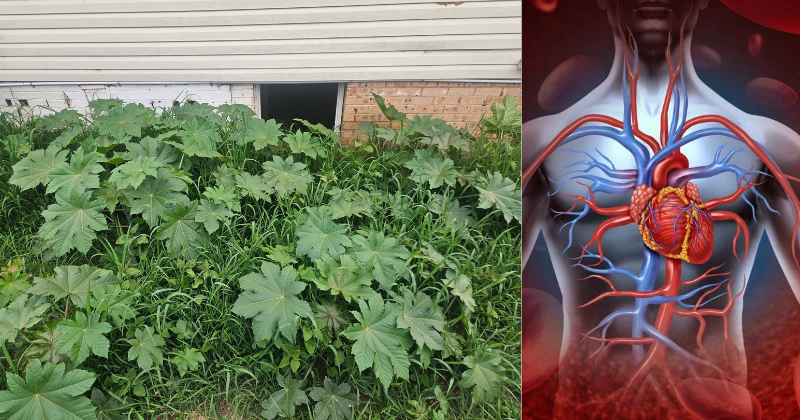
Castor leaves, derived from Ricinus communis, contain bioactive compounds with remarkable therapeutic and ecological properties that have been utilized across traditional medicine systems for millennia. These palmate structures harbor a complex phytochemical profile including alkaloids, flavonoids, and terpenoids that demonstrate anti-inflammatory, antimicrobial, and analgesic activities through multiple molecular pathways.
Botanical Architecture and Phytochemical Composition
The castor plant produces distinctive palmate leaves characterized by 5-11 deeply divided lobes, with a diameter typically ranging from 15 to 45 centimeters depending on cultivar and environmental conditions. The foliar tissue exhibits a characteristic reddish-purple pigmentation in certain varieties, attributed to anthocyanin accumulation within vacuolar compartments of epidermal cells.
Phytochemical analyses reveal substantial concentrations of ricinine, an alkaloid compound present at approximately 0.3-0.5% dry weight in mature leaves. This pyridone alkaloid demonstrates insecticidal properties through acetylcholinesterase inhibition, representing the plant’s evolved defense mechanism against herbivorous pressure. Additionally, the leaves contain quercetin and kaempferol derivatives, flavonoid compounds that function as potent antioxidants by donating hydrogen atoms to neutralize reactive oxygen species.
The essential oil fraction, though present in lower concentrations compared to seeds, comprises monoterpenes including 1,8-cineole and α-pinene. These volatile compounds contribute to the characteristic aromatic profile and possess documented antimicrobial activity against gram-positive bacterial strains through membrane disruption mechanisms.
Traditional Therapeutic Applications and Ethnobotanical Context
Throughout Ayurvedic, Traditional Chinese Medicine, and African ethnomedicinal systems, castor leaves have been employed topically for inflammatory conditions, particularly in cases of mastitis, arthralgia, and localized edema. The application methodology typically involves crushing fresh leaves to release cellular contents, then applying the resulting poultice directly to affected tissues.
In rural communities across India and parts of West Africa, healers prepare leaf decoctions by steeping approximately 20-30 grams of fresh material in 500 milliliters of water for 15-20 minutes. This aqueous extract is administered orally for gastrointestinal complaints, though such practices lack standardization and controlled clinical validation. The therapeutic rationale centers on the transfer of hydrophilic compounds, particularly flavonoid glycosides, into the water phase during thermal extraction.
Lactation enhancement represents another traditional application, particularly in postpartum contexts where milk production proves inadequate. Practitioners apply warmed leaf preparations to breast tissue, hypothesizing that absorbed compounds may stimulate prolactin secretion or enhance mammary gland perfusion. However, this application requires cautious interpretation given the absence of randomized controlled trials and potential contamination risks.
Molecular Mechanisms of Anti-inflammatory Activity
The anti-inflammatory properties of castor leaf extracts operate through multiple complementary pathways at the cellular level. Flavonoid compounds, particularly quercetin-3-O-rutinoside, inhibit cyclooxygenase-2 (COX-2) enzyme activity by competing for the catalytic site, thereby reducing prostaglandin E2 synthesis. This mechanism parallels the action of non-steroidal anti-inflammatory drugs, though with generally lower potency and different pharmacokinetic profiles.
Additionally, these compounds modulate nuclear factor kappa-B (NF-κB) signaling cascades. By preventing phosphorylation and subsequent degradation of inhibitory κB proteins, leaf constituents maintain NF-κB in its inactive cytoplasmic form, effectively suppressing transcription of pro-inflammatory cytokines including interleukin-1β, interleukin-6, and tumor necrosis factor-α.
In vitro studies using RAW 264.7 macrophage cell lines demonstrate that methanolic extracts at concentrations of 50-200 μg/mL reduce nitric oxide production by approximately 40-65% compared to lipopolysaccharide-stimulated controls. This effect results from downregulation of inducible nitric oxide synthase expression, confirmed through Western blot analysis showing reduced protein band intensity at the characteristic 130 kDa marker.

Antimicrobial Properties and Spectrum of Activity
Castor leaf extracts exhibit broad-spectrum antimicrobial activity against both bacterial and fungal pathogens, though efficacy varies considerably depending on extraction solvent, pathogen species, and assay methodology. Disk diffusion studies reveal zones of inhibition ranging from 8 to 18 millimeters against Staphylococcus aureus when using ethanolic extracts at concentrations of 10 mg/mL, suggesting moderate bacteriostatic activity.
The antimicrobial mechanism appears multifactorial, involving membrane permeabilization through interaction with phospholipid bilayers, disruption of proton motive force gradients, and potential interference with bacterial DNA gyrase function. The lipophilic terpenoid fraction demonstrates particular efficacy against gram-positive organisms, which lack the protective outer membrane present in gram-negative species.
Antifungal activity has been documented against Candida albicans, Aspergillus niger, and dermatophytic species including Trichophyton rubrum. Minimum inhibitory concentration values typically range from 250 to 1000 μg/mL depending on fungal strain and growth media composition. The proposed mechanism involves ergosterol biosynthesis inhibition, though this hypothesis requires validation through sterol quantification assays.
Wound Healing Acceleration and Tissue Regeneration
Application of castor leaf preparations to dermal wounds demonstrates enhanced healing kinetics in animal models, with reduced inflammation phase duration and accelerated re-epithelialization. Histological examination of wound tissue treated with leaf paste shows increased fibroblast proliferation and enhanced collagen deposition compared to untreated controls by day seven post-injury.
This regenerative effect likely involves multiple mechanisms. The antioxidant compounds neutralize reactive oxygen species that can impair healing through oxidative damage to cellular membranes and proteins. Simultaneously, certain phytochemicals may stimulate growth factor secretion from resident cells, promoting angiogenesis and granulation tissue formation.
Studies using rat excision wound models report approximately 85-90% wound contraction by day 14 with twice-daily leaf paste application, compared to 70-75% in untreated groups. However, these findings must be interpreted cautiously given potential contamination risks with non-sterile plant material and the limited translatability of rodent wound healing to human physiological contexts.
Analgesic Effects and Pain Modulation Pathways
The analgesic properties of castor leaves have been investigated using standard nociception models including the hot plate test and formalin-induced pain response in laboratory animals. Oral administration of aqueous leaf extracts at doses of 200-400 mg/kg body weight produces statistically significant increases in pain threshold latency, though with lower magnitude compared to standard analgesics like morphine or indomethacin.
The pain-relieving mechanism appears to involve both peripheral and central components. Peripherally, the anti-inflammatory compounds reduce sensitization of nociceptive terminals by decreasing local prostaglandin and bradykinin concentrations. Centrally, certain alkaloid constituents may modulate opioid receptor activity or influence descending pain inhibitory pathways, though specific receptor binding studies remain limited.
When applied topically as a poultice, the cooling sensation and potential counter-irritant effects may provide symptomatic relief through activation of thermoreceptors and mechanoreceptors, effectively competing with pain signal transmission through gate control mechanisms at the spinal cord level.
Agricultural and Ecological Significance
Beyond medicinal applications, castor leaves serve important ecological functions within agricultural systems. The plant’s rapid growth rate and substantial leaf area make it effective for soil erosion control on degraded lands. The deep taproot system, extending 1-2 meters in mature specimens, helps stabilize soil structure while accessing nutrients from deeper horizons unavailable to shallow-rooted species.
As a component of intercropping systems, castor plants provide partial shade for understory crops while their leaf litter contributes organic matter with a carbon-to-nitrogen ratio of approximately 25:1, facilitating gradual nutrient release during decomposition. Farmers in semi-arid regions occasionally incorporate chopped castor leaves as green manure, though this practice requires careful timing to prevent allelopathic effects on sensitive crop species.
The leaves also demonstrate bioremediation potential for heavy metal-contaminated soils. Ricinus communis accumulates cadmium, lead, and nickel in foliar tissues at concentrations exceeding soil levels by factors of 10-50, depending on metal species and soil chemistry. This phytoextraction capability positions castor as a potential tool for environmental cleanup, though disposal of contaminated plant material presents subsequent challenges.
Preparation Methods and Practical Considerations
Fresh leaf preparation typically begins with selection of mature but not senescent leaves, identified by deep green coloration without yellowing or necrotic spots. After thorough washing to remove surface debris and potential microbial contamination, leaves are either crushed using a mortar and pestle or briefly blanched to soften cellular structures and facilitate compound extraction.
For topical poultices, the crushed material is applied directly while still moist, with thickness typically ranging from 3-5 millimeters. Some traditional protocols recommend warming the preparation slightly to enhance comfort and potentially improve tissue penetration of active compounds. Application duration varies from 20 minutes to several hours, with twice-daily applications being most common in documented ethnomedicinal practices.
Decoction preparation involves simmering rather than boiling to minimize thermal degradation of heat-sensitive compounds. Optimal extraction occurs at approximately 85-90°C for 15-20 minutes, though specific parameters lack systematic optimization studies. The resulting liquid should be filtered through clean cloth and consumed within 24 hours when refrigerated to prevent microbial proliferation.
Safety Considerations and Toxicological Profile
While castor leaves contain substantially lower concentrations of ricin compared to seeds, appropriate caution remains necessary given the toxin’s extreme potency. Ricin content in leaves typically measures 0.01-0.1% dry weight versus 1-5% in seeds, representing approximately 10-100 fold lower concentrations. However, improper preparation or accidental ingestion of large quantities could theoretically pose risks.
The primary toxicological concern with topical application involves potential allergic contact dermatitis in sensitized individuals. Patch testing prior to extensive application may help identify hypersensitive persons, though standardized allergen preparations remain unavailable for clinical use. Signs of adverse reaction include erythema, pruritus, and vesicle formation at application sites.
Oral consumption of leaf preparations requires additional consideration given the presence of ricinine and other alkaloids. While these compounds demonstrate toxicity at high doses in animal studies, typical traditional preparation methods appear to maintain exposure below threshold levels for acute toxicity. Nevertheless, pregnant women, nursing mothers, and individuals with hepatic or renal impairment should exercise particular caution given limited safety data in these populations.
Contemporary Research Directions and Clinical Potential
Recent investigations have explored castor leaf extracts for novel applications including antiparasitic activity against malaria vectors and agricultural pests. Larvicidal studies demonstrate mortality rates exceeding 80% against Anopheles mosquito larvae at extract concentrations of 100-200 ppm, suggesting potential for integrated vector management strategies in endemic regions.
Preliminary research also indicates immunomodulatory properties, with in vitro studies showing enhanced lymphocyte proliferation and cytokine production in response to leaf extract exposure. These findings suggest possible applications in immunodeficiency states, though extensive preclinical safety evaluation and mechanistic characterization remain necessary before clinical translation.
The development of standardized extracts with defined phytochemical profiles represents a critical gap requiring attention. Current traditional preparations exhibit substantial batch-to-batch variation in active compound concentrations due to factors including plant genotype, growth conditions, leaf maturity, and extraction methodology. Chromatographic fingerprinting and marker compound quantification could enable more consistent therapeutic outcomes.
Integration with Modern Healthcare Systems
The incorporation of castor leaf preparations into evidence-based medical practice requires systematic clinical investigation through randomized controlled trials with appropriate sample sizes and rigorous methodology. Such studies should employ standardized preparations, clearly defined patient populations, relevant clinical endpoints, and adequate safety monitoring protocols.
Potential applications warranting investigation include adjunctive therapy for osteoarthritis, where topical anti-inflammatory preparations might complement standard pharmacological management. Similarly, exploration of wound care applications in diabetic ulcers or surgical site infections could reveal clinically meaningful benefits, particularly in resource-limited settings where conventional treatments may be less accessible.
The regulatory pathway for plant-derived therapeutics varies considerably across jurisdictions, with some regions permitting traditional medicine registration based on historical use evidence while others require pharmacological data equivalent to synthetic drugs. Navigating these regulatory landscapes while maintaining scientific rigor and patient safety represents an ongoing challenge for researchers and practitioners interested in integrating traditional knowledge with contemporary medicine.
Disclaimer: This article is for informational purposes only and is not a substitute for professional advice.
Source: World Health Organization. (2013). WHO Traditional Medicine Strategy 2014-2023. Geneva: World Health Organization. Available through WHO official publications and the National Center for Complementary and Integrative Health (NCCIH), part of the U.S. National Institutes of Health.