
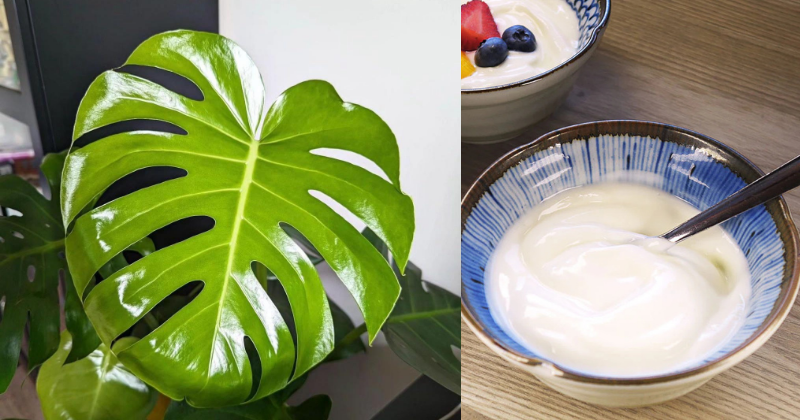
Discover how common kitchen ingredients like mayonnaise and yogurt can transform dull houseplant leaves into glossy, vibrant foliage through natural lipid-based cleaning mechanisms that remove dust while nourishing the leaf cuticle. This unconventional yet scientifically grounded method has gained attention among indoor plant enthusiasts seeking alternatives to commercial leaf shine products.
The Science Behind Leaf Shine and Kitchen Emulsions
Plant leaves naturally produce a waxy cuticle layer composed primarily of long-chain hydrocarbons, fatty acids, and terpenoids. This protective coating serves multiple functions: preventing water loss through transpiration, creating a barrier against pathogens, and reflecting excess light. When dust, mineral deposits from tap water, or environmental pollutants accumulate on leaf surfaces, they interfere with photosynthesis and diminish the natural luster of this cuticle layer.
Mayonnaise and yogurt contain lipids and proteins that interact with both hydrophobic (water-repelling) and hydrophilic (water-attracting) compounds. Mayonnaise, an emulsion of oil, egg yolk lecithin, and vinegar or lemon juice, provides a unique combination of fatty acids that can dissolve oily residues while mild acidity helps break down mineral deposits. The lecithin acts as a natural emulsifier, allowing the mixture to spread evenly across leaf surfaces without leaving heavy residues.
Yogurt offers similar benefits through its lactic acid content and milk fat composition. The lactic acid provides gentle exfoliation properties that remove stubborn water spots and accumulated salts, while the milk fats create a temporary protective layer. The protein content in both products adds minimal nutritional value to the leaf surface, though plants primarily absorb nutrients through their root systems rather than foliar surfaces.
Application Methodology and Practical Considerations
The technique requires careful preparation to avoid potential complications. Select full-fat mayonnaise or plain whole-milk yogurt without added sugars or flavoring agents. Low-fat versions lack sufficient lipid content to achieve optimal results, while sweetened products may attract insects or promote fungal growth.
Begin by diluting the chosen product with an equal part of distilled or filtered water. This dilution reduces viscosity and prevents excessive residue buildup. For mayonnaise, one tablespoon mixed with one tablespoon of water suffices for approximately ten medium-sized leaves. Yogurt can be diluted at a 2:1 ratio (two parts water to one part yogurt) due to its naturally thinner consistency.
Apply the mixture using a soft, lint-free cloth or microfiber material. Avoid paper towels, which may leave fibrous particles on leaf surfaces. Gently wipe the top surface of each leaf, supporting the underside with your other hand to prevent tearing or stress on the petiole. Move in the direction of the leaf veins from base to tip, following the natural architecture of the plant tissue.
The underside of leaves should generally remain untreated, as stomata—microscopic pores responsible for gas exchange—concentrate on the lower epidermis in most species. Coating these structures could impair respiration and transpiration processes, potentially causing physiological stress.
Species-Specific Responses and Botanical Considerations
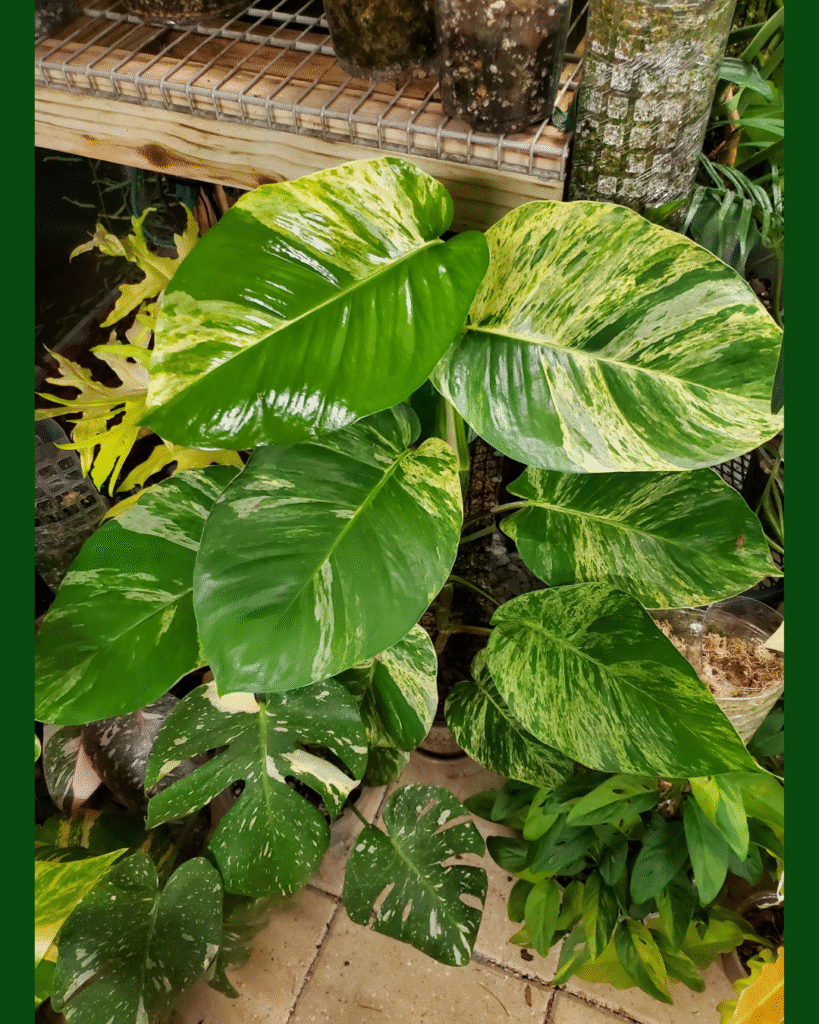
Not all houseplants respond equally to this treatment. Plants with thick, waxy leaves such as rubber plants (Ficus elastica), monstera species, and pothos varieties show the most dramatic improvements in appearance. Their robust cuticle layers tolerate mild acidic treatments and benefit from the additional lipid layer that enhances their natural sheen.
Conversely, plants with thin, delicate foliage or fuzzy leaves should never receive this treatment. African violets, begonias with hairy leaves, and most succulents possess specialized surface structures that trap moisture or reflect light through trichomes rather than waxy coatings. Applying oil-based products to these species can suffocate leaf tissues, block essential light absorption, or create conditions favorable for pathogenic growth.
Ferns present an intermediate case. While some species like bird’s nest ferns have smooth fronds that tolerate gentle cleaning, most ferns rely on complex surface textures and should only be cleaned with plain water misting.
Biochemical Interactions and Potential Risks
The acetic acid in mayonnaise and lactic acid in yogurt operate at relatively low concentrations, typically below 1% in the diluted application. This acidity level falls within the tolerance range of most plant cuticles but can disrupt pH-sensitive species. Plants native to alkaline soil environments may show adverse reactions, including brown spotting or premature leaf senescence, when exposed to even mildly acidic topical treatments.
The lipid components create a semi-permeable barrier that temporarily reduces transpiration rates. While this effect is minimal with proper dilution, excessive or frequent application could theoretically impair the plant’s ability to regulate internal water balance. This becomes particularly relevant in high-humidity environments where reduced transpiration might contribute to edema or other moisture-related disorders.
Protein residues from egg yolk in mayonnaise or casein in yogurt can attract common household pests. Fungus gnats, fruit flies, and certain species of mites demonstrate increased activity around protein-rich substances. Thorough buffing to remove excess product minimizes this risk, but plants treated with these methods should be monitored for unusual insect activity in the following weeks.
Comparative Analysis with Commercial Products and Alternatives
Commercial leaf shine products typically contain silicone oils, mineral oils, or synthetic polymers designed to create uniform reflective surfaces. These formulations offer consistency and longer-lasting effects but may build up over time, requiring periodic removal with specialized cleaning solutions. Some commercial products also incorporate chelating agents that specifically target hard water deposits, providing advantages over kitchen-based alternatives in areas with high mineral content in tap water.
Natural alternatives include diluted neem oil, which provides both shine and pest-deterrent properties, though its distinctive odor may be objectionable indoors. Banana peel rubbing is another traditional method, utilizing the fruit’s natural oils and potassium content, though effectiveness varies widely based on ripeness and application technique.
Plain water with a drop of mild dish soap remains the safest and most universally applicable cleaning method. While it doesn’t create the dramatic glossy finish of oil-based treatments, it effectively removes dust and deposits without introducing potentially problematic substances to leaf surfaces.
Frequency Recommendations and Maintenance Protocols
Indoor plants benefit most from this treatment when applied sparingly—no more than once every two to three months. Excessive application frequency compounds the risks of residue buildup, stomatal blockage, and pest attraction. Between treatments, regular dusting with a dry microfiber cloth or gentle water misting maintains leaf cleanliness without introducing additional substances.
Environmental factors influence optimal treatment frequency. Plants in dusty environments or near heating vents accumulate particulates more rapidly and may benefit from more frequent cleaning, though water-based methods should predominate with occasional mayo or yogurt treatments for enhanced shine. Conversely, plants in naturally humid, clean environments require minimal intervention beyond routine maintenance.
Seasonal considerations also apply. Many houseplants enter dormancy or reduced growth phases during winter months when indoor heating decreases relative humidity and increases dust circulation. This period may warrant slightly more frequent cleaning attention, though the reduced metabolic activity of dormant plants makes them potentially more sensitive to stress from topical treatments.
Integration with Comprehensive Plant Care Strategies
Leaf appearance serves as an indicator of overall plant health, but cosmetic treatments address symptoms rather than underlying physiological needs. Glossy, vibrant foliage fundamentally depends on adequate light exposure, appropriate watering practices, proper nutrition, and suitable environmental conditions. No topical treatment compensates for deficiencies in these fundamental care requirements.
Plants receiving optimal care naturally maintain healthier, more attractive foliage that requires less cosmetic intervention. Adequate lighting ensures robust photosynthesis, which supports cuticle production and maintenance. Proper watering prevents both drought stress that causes premature leaf aging and overwatering that contributes to root problems manifesting as foliar symptoms.
Nutritional balance particularly influences leaf quality. Nitrogen supports chlorophyll production and overall leaf development, while magnesium forms the central atom in chlorophyll molecules. Micronutrient deficiencies, especially iron and manganese, can cause chlorosis and diminished leaf luster that no amount of surface treatment will remedy.
The practice of cleaning and shining leaves also provides opportunities for close inspection. Regular handling allows detection of early pest infestations, disease symptoms, or mechanical damage that might otherwise escape notice. This hands-on engagement with plants contributes to better overall care and more timely interventions when problems arise.
Cultural Context and Historical Precedents
The use of common food products for plant care reflects a broader tradition of household resourcefulness and botanical folk knowledge. Before the commercial plant care industry developed specialized products, gardeners and houseplant enthusiasts relied extensively on kitchen ingredients and household items for various plant maintenance tasks.
Historical references suggest that Victorian-era plant collectors, who pioneered indoor tropical plant cultivation in temperate climates, employed various oil-based treatments for their prized specimens. Recipes incorporating milk, beer, olive oil, and vinegar in various combinations circulated among enthusiast communities, though scientific understanding of plant physiology remained limited at that time.
Modern revival of these practices aligns with contemporary interests in natural, non-toxic household solutions and reduced reliance on commercial chemical products. The appeal extends beyond practical effectiveness to encompass environmental concerns about synthetic ingredients and a desire for more intimate engagement with plant care practices.
However, traditional knowledge requires evaluation through contemporary scientific understanding. Not all historical practices prove beneficial when examined through modern botanical and biochemical perspectives. The persistence of a technique across generations suggests empirical success but doesn’t guarantee optimal outcomes or absence of subtle negative effects.
The mayo and yogurt method occupies a middle ground—effective enough to produce visible results that validate its continued use, yet simple enough that potential drawbacks remain manageable through proper application technique and reasonable frequency. This balance explains its enduring popularity despite the availability of purpose-designed commercial alternatives.
For plant enthusiasts seeking natural, accessible methods to enhance their indoor garden’s appearance, these kitchen-based treatments offer a practical option. Success depends on understanding both the benefits and limitations, choosing appropriate plant species, applying proper technique, and maintaining realistic expectations about what topical treatments can achieve within a comprehensive care strategy.