
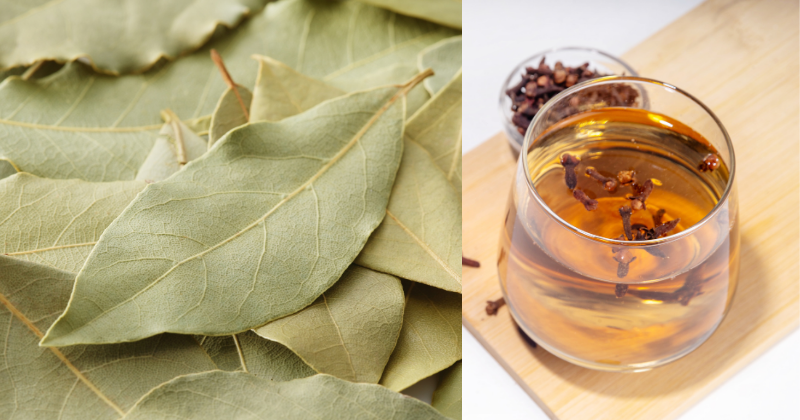
Boiling bay leaves and cloves together creates a potent aromatic infusion rich in bioactive compounds that may support respiratory health, digestion, and immune function through their antimicrobial and anti-inflammatory properties.
The practice of combining bay leaves (Laurus nobilis) and cloves (Syzygium aromaticum) in boiled preparations represents a traditional approach to wellness that has gained renewed attention in contemporary phytotherapy research. This synergistic combination harnesses the volatile oils, phenolic compounds, and other phytochemicals present in both botanical species, creating an infusion with multiple potential health applications.
Phytochemical Composition and Bioactive Compounds
Bay leaves contain approximately 1-3% essential oils, primarily composed of eucalyptol (1,8-cineole), which constitutes 45-50% of the total oil content. Additional compounds include α-pinene, β-pinene, myrcene, limonene, and various sesquiterpenes. The leaves also contain flavonoids, tannins, and phenolic acids that contribute to their biological activity.
Cloves present an even higher concentration of essential oils, ranging from 15-20% of their dry weight. Eugenol represents 70-90% of clove oil composition, accompanied by eugenol acetate, β-caryophyllene, and α-humulene. The synergy between bay leaf eucalyptol and clove eugenol creates a complementary aromatic profile with enhanced antimicrobial properties.
When these botanicals are subjected to thermal extraction through boiling, the volatile compounds are released into the aqueous phase through steam distillation and direct solubilization. Water-soluble polyphenols and tannins also migrate into the infusion, creating a complex mixture of bioactive molecules.
Respiratory System Support and Antimicrobial Properties
The volatile compounds released during the boiling process possess documented expectorant and mucolytic properties. Eucalyptol functions as a mucokinetic agent, reducing mucus viscosity and facilitating expectoration. This mechanism operates through the stimulation of mucin secretion and increased ciliary beat frequency in respiratory epithelium.
Eugenol demonstrates broad-spectrum antimicrobial activity against respiratory pathogens, including Streptococcus pneumoniae and Haemophilus influenzae. The compound disrupts bacterial cell membrane integrity through its lipophilic nature, allowing penetration into the phospholipid bilayer and causing membrane destabilization.
Inhaling the steam from a bay leaf and clove infusion provides direct delivery of these volatile compounds to the respiratory tract. The warm vapor carries microdroplets containing essential oils, which contact the mucous membranes of the nasal passages, pharynx, and upper bronchial tree. This topical application may provide symptomatic relief during seasonal respiratory discomfort, though it does not replace medical treatment for respiratory infections.
Digestive System Modulation
Both bay leaves and cloves have been traditionally employed to address digestive discomfort, a use partially validated by modern pharmacological research. The mechanisms involve multiple pathways affecting gastrointestinal function.
Eugenol exhibits carminative properties, reducing intestinal gas formation and facilitating its expulsion. This occurs through the relaxation of the gastrointestinal smooth muscle, mediated by calcium channel blockade and modulation of nitric oxide pathways. Bay leaf compounds similarly contribute to reduced intestinal spasm and bloating.
The bitter compounds present in bay leaves stimulate gustatory receptors on the tongue, triggering a cephalic phase response that increases gastric acid and enzyme secretion. This preparatory digestive response may enhance nutrient breakdown and absorption when the infusion is consumed before meals.
Tannins in both botanicals possess astringent properties that may help modulate intestinal permeability and reduce minor inflammatory responses in the gut lining. However, excessive consumption could potentially interfere with nutrient absorption, particularly of minerals like iron and zinc, due to the chelating properties of tannins.
Anti-inflammatory and Antioxidant Mechanisms
The phenolic compounds in bay leaves and cloves function as free radical scavengers, donating hydrogen atoms to neutralize reactive oxygen species. This antioxidant activity helps protect cellular structures from oxidative damage, a process implicated in various chronic conditions.
Eugenol has demonstrated the ability to inhibit cyclooxygenase-2 (COX-2) and lipoxygenase pathways, both central to inflammatory prostaglandin and leukotriene synthesis. This mechanism resembles that of non-steroidal anti-inflammatory drugs, though at considerably lower potency. The anti-inflammatory effects are most relevant when considering chronic, low-grade inflammation rather than acute inflammatory conditions requiring pharmaceutical intervention.
Research using in vitro models has shown that bay leaf extracts can suppress nuclear factor-kappa B (NF-κB) activation, a key transcription factor regulating inflammatory gene expression. This suggests potential systemic anti-inflammatory effects, though human clinical data remains limited.
Metabolic Effects and Blood Sugar Modulation
Preliminary research has investigated the potential glycemic effects of bay leaf consumption. Some studies suggest that bay leaf compounds may enhance insulin receptor sensitivity and facilitate glucose uptake in peripheral tissues. The proposed mechanisms involve activation of insulin signaling cascades and increased expression of glucose transporter proteins.
One study examining bay leaf supplementation in individuals with type 2 diabetes found modest reductions in fasting glucose levels over a 30-day period. However, these findings require replication in larger, controlled trials before definitive conclusions can be drawn about clinical efficacy.
Cloves contain compounds that may inhibit α-glucosidase and α-amylase, enzymes responsible for breaking down complex carbohydrates into simple sugars. This inhibition could theoretically slow postprandial glucose absorption, though the concentrations achieved through typical infusion consumption may be insufficient for clinically significant effects.
Practical Preparation Methods
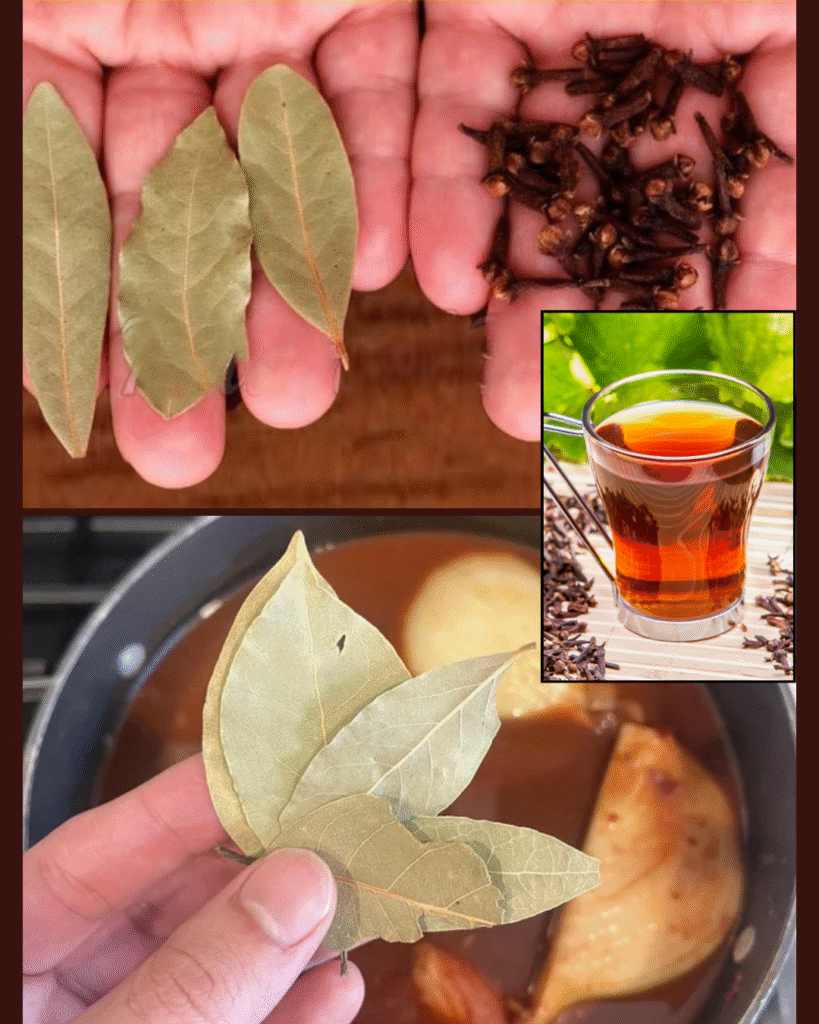
To prepare a bay leaf and clove infusion, combine 2-3 dried bay leaves with 4-5 whole cloves in approximately 500 milliliters of water. Bring the mixture to a boil, then reduce heat and simmer for 10-15 minutes. This duration allows adequate extraction of both volatile and water-soluble compounds while preventing excessive concentration that might result in an unpalatably bitter taste.
The resulting infusion can be consumed warm, with typical dosing ranging from 100-200 milliliters once or twice daily. Some individuals prefer to add the infusion to other beverages or use it as an aromatic base for soups and broths, integrating the health-promoting compounds into regular dietary patterns.
For aromatherapy applications, the steam can be inhaled directly by creating a tent with a towel over the head and the steaming vessel. This method maximizes volatile oil contact with respiratory mucosa, though caution is necessary to avoid thermal burns from excessive steam temperature.
Safety Considerations and Contraindications
While bay leaves and cloves are generally recognized as safe when used in culinary quantities, certain precautions apply to therapeutic use. Whole bay leaves should never be consumed directly, as they remain rigid even after cooking and pose a choking hazard or risk of gastrointestinal perforation.
Eugenol, in high concentrations, can cause contact dermatitis in sensitive individuals and may have cytotoxic effects on oral mucosa with prolonged exposure. Excessive consumption of clove-containing preparations may lead to hepatotoxicity, though this risk is primarily associated with concentrated clove oil rather than aqueous infusions.
Individuals taking anticoagulant medications should exercise caution, as eugenol possesses antiplatelet properties that could theoretically enhance bleeding risk. Similarly, those with gastroesophageal reflux disease might find that the volatile oils exacerbate symptoms in some cases, though responses vary individually.
Pregnant women should consult healthcare providers before using concentrated herbal preparations, as certain compounds in both bay leaves and cloves have been associated with uterine stimulation in animal models, though human data is lacking.
Integration with Contemporary Wellness Practices
The bay leaf and clove infusion represents an intersection between traditional botanical knowledge and evidence-based phytotherapy. While not a replacement for conventional medical treatment, it offers a low-risk complementary approach to supporting general wellness and addressing minor, self-limiting discomforts.
The practice aligns with broader movements toward plant-based wellness strategies and reduction of unnecessary pharmaceutical use for minor ailments. However, maintaining realistic expectations about efficacy remains essential. The compounds present in these infusions operate at relatively low concentrations compared to pharmaceutical agents, producing subtle rather than dramatic physiological effects.
For individuals interested in exploring botanical approaches to health, this simple preparation provides an accessible entry point. The minimal cost, ease of preparation, and generally favorable safety profile make it suitable for experimental integration into wellness routines, with attention paid to individual responses and tolerance.
The aromatic qualities of the infusion also provide psychological benefits through the olfactory system’s connection to limbic structures involved in mood and stress response. The ritual of preparation and mindful consumption may contribute to overall wellbeing independent of the specific pharmacological properties of the constituent compounds.
Disclaimer: This article is for informational purposes only and is not a substitute for professional advice.
Source: National Center for Complementary and Integrative Health (NCCIH), National Institutes of Health – Guidelines on botanical dietary supplements and traditional herbal preparations.