
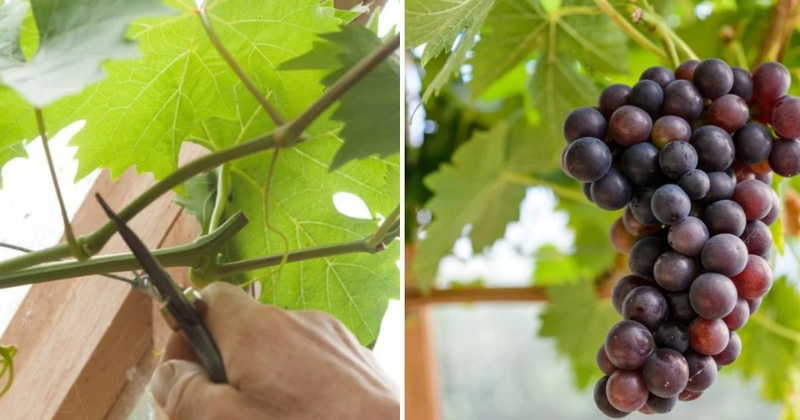
Master the art of vine pruning to enhance grape quality, optimize yields, and maintain vineyard health through precise horticultural techniques that balance vegetative growth with fruit production for superior harvest results.
Vine pruning represents one of the most critical viticultural practices determining grape quality, yield consistency, and long-term vineyard productivity. This ancient agricultural technique, refined over millennia of wine and table grape cultivation, involves the systematic removal of woody canes and shoots to regulate vine architecture, manage crop load, and optimize photosynthetic efficiency. The precision with which growers execute pruning operations directly influences berry size distribution, cluster compactness, sugar accumulation, and ultimately the commercial value of the harvest.
Physiological Foundations of Vine Pruning
The grapevine (Vitis vinifera and related species) exhibits determinate growth patterns controlled by apical dominance mechanisms and carbohydrate reserve mobilization. During the dormant season, vines store photosynthetic products primarily as starch within perennial woody structures—the trunk, cordons, and root system. Pruning severity dictates the number of buds retained per vine, which fundamentally alters the source-sink relationship between vegetative growth and reproductive development.
When growers remove substantial portions of one-year-old wood during winter pruning, they concentrate the vine’s stored energy reserves into fewer growing points. This physiological response triggers more vigorous shoot elongation and larger individual leaves, enhancing the photosynthetic capacity per retained shoot. Conversely, minimal pruning distributes resources across numerous weak shoots, often resulting in overcrowded canopies with poor light penetration and increased disease pressure.
The hormonal regulation of bud break following pruning involves complex interactions between cytokinins produced in root tissues and auxins synthesized in apical meristems. Severe pruning elevates cytokinin-to-auxin ratios, promoting vigorous vegetative growth from basal buds. Understanding these endogenous growth regulators allows viticulturists to manipulate pruning timing and severity to achieve desired canopy structures adapted to specific climatic conditions and varietal characteristics.
Winter Pruning Systems and Architectural Design
Cane pruning, practiced extensively in cooler viticultural regions, involves selecting two to four vigorous canes from the previous season’s growth and removing all other wood. Each retained cane typically carries eight to fifteen buds, depending on vine vigor and desired crop load. This system provides annual renewal wood, as new canes emerge from positions near the cordon or trunk. The Guyot training method exemplifies this approach, where one or two horizontal canes are tied to trellis wires, creating predictable fruiting zones that facilitate mechanized canopy management.
Spur pruning, dominant in warmer climates and for certain grape varieties, maintains permanent cordon arms along horizontal trellis wires. Growers cut one-year-old canes back to short spurs containing two to three buds. Over successive seasons, these spur positions gradually migrate outward along the cordon, requiring periodic cordon renewal to maintain optimal spur distribution. This system offers greater structural stability and simplifies pruning decisions, though it may accumulate viral infections and trunk diseases more readily than cane-pruned systems.
The selection of pruning system depends on multiple interacting factors: varietal fruitfulness at basal nodes, regional frost risk, labor availability, and mechanization infrastructure. Pinot Noir and Chardonnay, for instance, exhibit poor fruitfulness at basal buds and benefit from cane pruning that retains nodes further from the cordon. Conversely, Cabernet Sauvignon produces fruitful shoots from basal positions, making it well-suited to spur pruning architectures.
Quantifying Optimal Pruning Severity
The pruning weight formula, developed through decades of viticultural research, establishes quantitative relationships between vine capacity and appropriate crop load. This empirical approach weighs all wood removed during dormant pruning, providing an index of vine vigor and photosynthetic potential. The « balanced pruning » concept retains a specific number of buds per unit of pruning weight—commonly thirty buds for the first pound of prunings, plus ten additional buds for each subsequent pound.
This mathematical framework prevents the common errors of under-pruning weak vines or over-pruning vigorous ones. A vine producing two pounds of pruning weight would theoretically support forty buds under balanced pruning guidelines. However, experienced viticulturists adjust these calculations based on varietal characteristics, market quality targets, and historical performance data from specific vineyard blocks.
Excessive bud retention relative to vine capacity leads to overcropping syndrome, characterized by delayed ripening, reduced sugar accumulation, elevated acidity, and diminished flavor compound development. The vine’s limited carbohydrate reserves become diluted across too many clusters, compromising both current season fruit quality and subsequent year vigor as the plant exhausts its energy reserves attempting to mature an unsustainable crop load.
Summer Canopy Management as Pruning Extension
Green pruning operations during the growing season complement dormant-season structural pruning by refining light exposure, air circulation, and resource allocation. Shoot thinning, executed when shoots reach fifteen to twenty centimeters length, removes excess vegetative growth emerging from non-count buds or weak positions. This practice reduces shading within the canopy interior and concentrates resources into retained shoots destined for fruit production.
Leaf removal in the fruit zone, typically performed around flowering or shortly after fruit set, exposes developing clusters to filtered sunlight and air movement. This strategic defoliation reduces Botrytis bunch rot incidence, accelerates phenolic compound synthesis in grape skins, and moderates excessive humidity that promotes fungal pathogen proliferation. However, overly aggressive leaf removal in high-radiation environments can induce sunburn damage, particularly on western canopy exposures during afternoon heat periods.
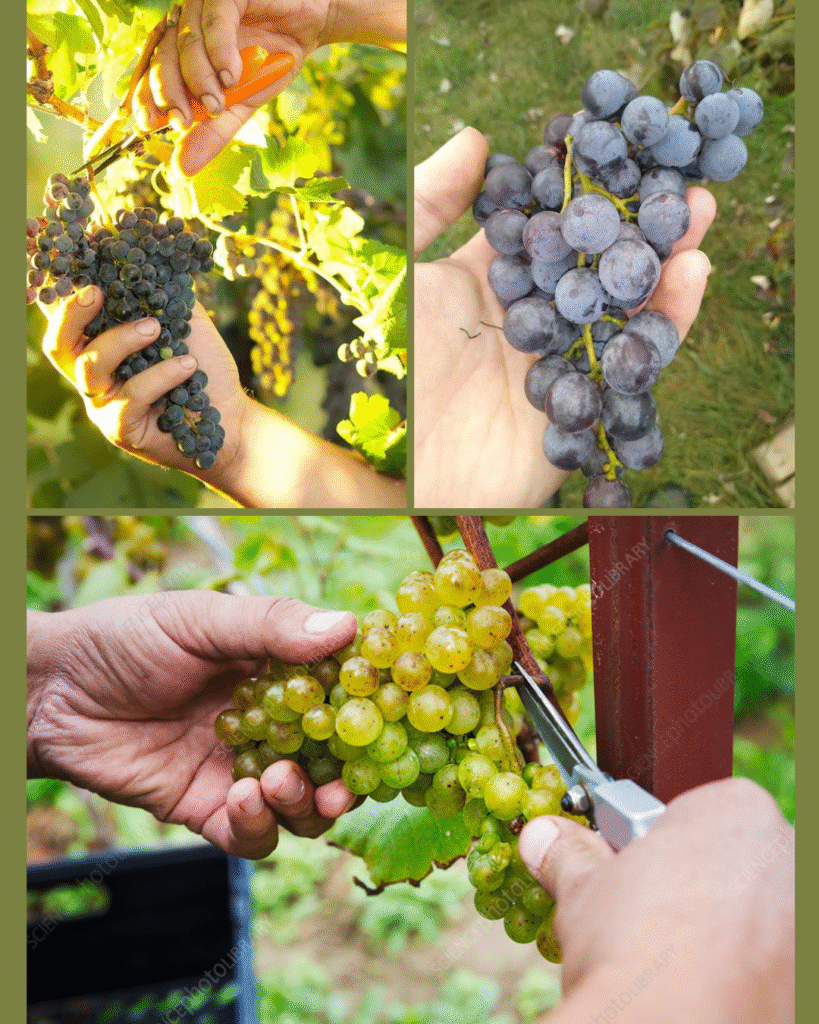
Cluster thinning represents the most direct method of crop load adjustment, removing entire grape clusters when berry diameter reaches seven to ten millimeters. This intervention allows growers to precisely calibrate crop levels based on observed vine vigor and developing season conditions. While cluster thinning involves sacrificing potential yield, the quality improvements in retained fruit—enhanced color development, increased sugar concentration, improved flavor complexity—often justify this practice for premium wine grape production.
Variety-Specific Pruning Considerations
Different grape cultivars exhibit distinctive growth habits and fruiting patterns requiring tailored pruning approaches. Muscat varieties typically produce long, loose clusters on moderately vigorous canes, benefiting from moderate pruning severity and careful shoot positioning to prevent cluster shading. Their aromatic terpene compounds develop optimally under well-illuminated conditions, making canopy architecture particularly critical for varietal expression.
Concord and other Vitis labrusca cultivars demonstrate vigorous vegetative growth with high shoot density, necessitating aggressive shoot thinning to prevent canopy congestion. These varieties often carry fruit on secondary and tertiary clusters along the shoot length, requiring growers to evaluate total crop load across the entire shoot rather than simply counting primary clusters.
Seedless table grape varieties like Thompson Seedless demand severe cane pruning to achieve the large berry sizes commanding premium fresh market prices. Growers typically retain only eight to twelve buds per cane and execute extensive cluster thinning and berry thinning operations to enlarge remaining fruit. The physiological basis involves redirecting the vine’s substantial vegetative vigor into fewer sinks, maximizing individual berry cell expansion through sustained carbohydrate supply during the critical cell division phase following fruit set.
Pruning Timing and Dormancy Physiology
The optimal pruning window spans from leaf fall, when vines enter endodormancy, through late winter before sustained bud swell begins. Early winter pruning, executed immediately after leaf abscission, exposes pruning wounds to longer healing periods but risks cold injury to exposed vascular tissues in severe winter climates. The cambial tissues surrounding pruning cuts remain metabolically active during mild winter periods, initiating compartmentalization responses that isolate wounds from pathogen colonization.
Late winter pruning, performed just before budbreak, minimizes wound exposure time and reduces bleeding from xylem vessels, though the compressed pruning window may create labor bottlenecks in large commercial operations. In regions with significant spring frost risk, delayed pruning purposefully retards bud development by removing apical dominance signals, potentially allowing vines to escape damage from late freezing events that devastate early-breaking unpruned vines.
Double pruning strategies, involving rough pre-pruning in early winter followed by final bud count adjustment in late winter, offer flexibility in managing large vineyard areas while fine-tuning crop load decisions based on observed winter injury and emerging season weather patterns. However, this approach doubles labor requirements and may not prove economically justifiable except in frost-prone regions or for high-value wine grape production.
Wound Protection and Disease Management
Pruning cuts create entry points for numerous grapevine trunk diseases, including Eutypa dieback, Botryosphaeria canker, and Esca complex pathogens. These fungal organisms colonize exposed woody tissues through rain-dispersed spores, establishing latent infections that progressively degrade vascular function over subsequent years. The cumulative impact of trunk disease represents one of the primary factors limiting vineyard productive lifespan, particularly in regions with wet winter conditions during the pruning season.
Application of wound protectant compounds immediately following pruning cuts significantly reduces infection rates by creating physical barriers preventing spore germination or by delivering fungicidal active ingredients into susceptible vascular tissues. Commercial products containing Trichoderma species, Bacillus subtilis, or synthetic fungicides provide varying efficacy depending on pathogen pressure and environmental conditions during application and curing periods.
Pruning technique refinement also influences long-term trunk health. Making cuts perpendicular to cane orientation, rather than angled, minimizes exposed surface area vulnerable to pathogen entry. Avoiding large-diameter cuts when possible by maintaining younger renewal wood reduces wound size and accelerates compartmentalization responses. Some progressive viticulturists now advocate for minimal cutting approaches that work with natural vine architecture rather than imposing rigid geometric training systems requiring extensive annual cutting.
Mechanical Pruning Technologies and Economic Considerations
Labor costs associated with manual pruning consume substantial portions of viticultural production budgets, particularly in regions lacking seasonal agricultural workforce availability. Mechanical pruning systems, employing reciprocating blades or rotating cutting bars, can process vineyard rows at rates exceeding one hectare per hour, dramatically reducing labor requirements compared to hand pruning rates of approximately fifteen to twenty hours per hectare.
However, mechanical pruning creates relatively uniform stub heights without the judgment-based bud selection characteristic of skilled manual pruning. This standardized cutting typically requires supplemental hand follow-up work to remove inappropriate shoots, refine bud counts, and maintain long-term cordon architecture. The economic viability of mechanical pruning depends on achieving acceptable quality outcomes at substantially reduced total costs, accounting for both machine operation expenses and supplemental manual labor inputs.
Research comparing mechanical versus manual pruning across multiple seasons indicates that well-managed mechanical systems produce similar yields and fruit composition profiles for many wine grape varieties, particularly when combined with appropriate shoot thinning and crop load management during the growing season. The key limitation involves maintaining training system compatibility with mechanical equipment—cordons must remain within precise height ranges and row spacing must accommodate tractor-mounted cutting units.
Training Young Vines and Long-Term Structural Development
Establishing proper vine architecture during the first three years after planting determines structural framework efficiency for the vineyard’s productive lifespan. First-year pruning typically selects one vigorous shoot as the future trunk, removing all competing growth to concentrate resources into vertical development reaching the trellis wire height. This disciplined approach, though sacrificing potential early cropping, creates straight trunks with optimal vascular connectivity between root systems and fruiting zones.
Second-year pruning develops permanent cordon arms or establishes cane renewal zones depending on the selected training system. For cordon-trained vines, growers select two vigorous canes extending in opposite directions along the fruit wire, cutting these to appropriate lengths based on vine vigor and wire length. Dormant buds along these developing cordons will generate the first crop-bearing shoots, initiating the vine’s transition from vegetative establishment to reproductive production phases.
Third-year and subsequent pruning operations refine spur positioning along established cordons or select appropriately positioned canes for renewal pruning systems. The gradual transition to full production loads over four to five years allows root system development to support increasing crop demands while avoiding the physiological stress of premature overcropping that weakens young vines and delays vineyard maturation to stable commercial productivity.
Climatic Adaptation and Regional Pruning Practices
Viticultural regions exhibit distinct pruning traditions reflecting adaptation to local climatic constraints and varietal assemblages. In continental climates with cold winters and spring frost risk, growers often employ higher trunk heights and multiple-bud spurs to buffer against winter cold injury and late frost damage to early-breaking basal buds. The retained extra buds provide insurance against weather-related crop loss while allowing flexibility for subsequent crop thinning if all buds survive favorable conditions.
Mediterranean climates with mild winters and early season warmth favor lower training heights and more aggressive pruning to control excessive vegetative vigor that can result from extended growing seasons. The combination of winter rainfall and summer drought characteristic of Mediterranean regions demands careful calibration of retained bud numbers to avoid water stress during the critical fruit development period when limited soil moisture must support both vegetative growth and cluster maturation.
Tropical and subtropical viticulture presents unique pruning challenges related to minimal winter chilling and continuous growth potential. In these regions, pruning serves not only to manage crop load but also to artificially synchronize bud break and impose necessary dormancy periods. Chemical defoliation combined with strategic pruning timing allows growers to program harvest schedules, sometimes achieving two crops annually by manipulating pruning cycles and dormancy-breaking treatments.
Integration with Holistic Vineyard Management
Pruning decisions cannot be isolated from broader vineyard management practices including irrigation strategy, nutrient management, and pest control programs. The vegetative vigor resulting from specific pruning severities interacts with water availability—severely pruned vines receiving generous irrigation may produce excessively vigorous canopies with poor fruit exposure, while the same pruning level under deficit irrigation conditions might generate ideal balanced canopies with optimal fruit-to-leaf ratios.
Nitrogen fertility particularly influences the vine growth response to pruning. High soil nitrogen availability amplifies the vigor response to severe pruning, potentially creating canopy management problems if not carefully coordinated. Progressive viticulturists increasingly employ pre-plant soil amendments and controlled-release fertilizers to moderate nitrogen availability, simplifying subsequent canopy management by preventing excessive vigor that complicates pruning and training operations.
The economic optimization of pruning practices requires integrating quality premiums, yield expectations, and production costs within market-specific contexts. Premium wine grape contracts often specify maximum yield thresholds with substantial quality bonuses, justifying severe pruning and intensive crop thinning despite reduced tonnage. Conversely, juice grape and bulk wine production prioritizes higher yields at acceptable minimum quality standards, favoring lighter pruning with minimal subsequent canopy manipulation to maximize economic returns per hectare.
Pruning represents far more than simple vine size control—it constitutes a sophisticated manipulation of plant physiology, balancing competing demands of vegetative growth, crop production, and long-term vine health. The artistry of skilled pruners lies in reading individual vine signals, understanding varietal proclivities, and responding to site-specific conditions through countless small decisions accumulated across acres of vineyard rows. While mechanical systems and prescriptive formulas provide useful frameworks, the nuanced judgment required for optimal outcomes ensures that pruning remains fundamentally a knowledge-intensive craft requiring years of experience to master fully.