
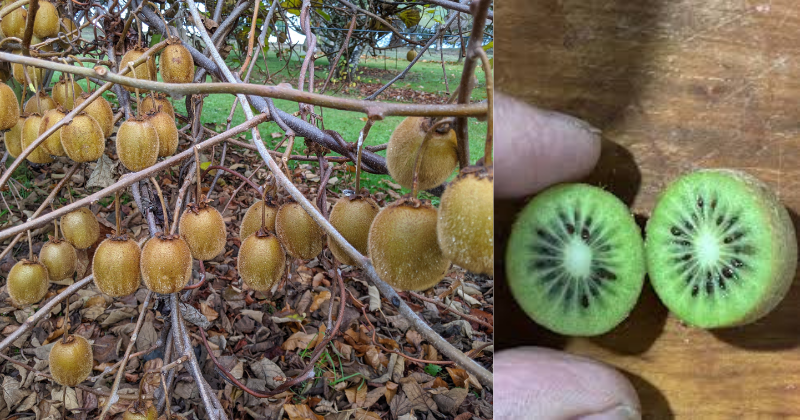
Knowing when to pick kiwis determines whether you’ll enjoy perfectly sweet fruit or end up with hard, flavorless specimens that never quite ripen properly. Kiwis are climacteric fruits that continue ripening after harvest, but timing your pick correctly ensures optimal sugar development, storage potential, and eating quality for months to come.
Understanding Kiwi Maturity and Harvest Timing
Kiwis reach physiological maturity while still firm on the vine, typically between late October and early November in the Northern Hemisphere, though this varies significantly by cultivar and growing region. The fruit doesn’t soften on the plant—instead, it accumulates sugars and reaches a critical starch-to-sugar ratio that signals harvest readiness.
The primary indicator of harvest maturity is soluble solids content, measured in degrees Brix. Hayward kiwis, the most common commercial variety, are ready when they reach 6.2 to 6.5 degrees Brix. Below this threshold, the fruit lacks sufficient sugar reserves to ripen properly after picking, resulting in inferior flavor even after weeks of storage. Most home growers don’t have refractometers to measure Brix levels, but understanding this principle helps explain why premature picking leads to disappointing results.
Temperature also plays a crucial role in determining harvest windows. Kiwis should be picked before the first hard frost, as temperatures below 28°F (-2°C) damage fruit cells and compromise storage quality. In marginal climates, this often means harvesting slightly early and accepting a longer ripening period rather than risking frost damage.
Physical Signs That Kiwis Are Ready to Harvest
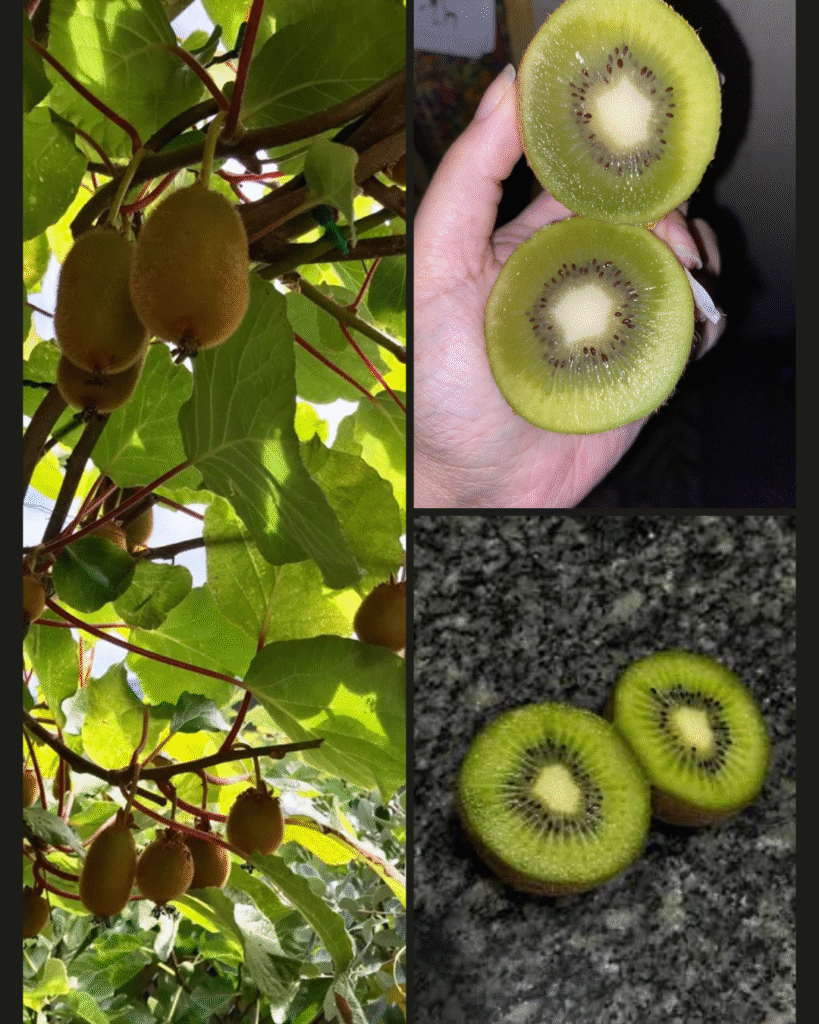
The most reliable field indicator is seed color. Cut a representative fruit from mid-canopy and check the seeds—when they’ve turned fully black rather than pale brown or greenish, the fruit has reached minimum maturity. This simple test works across all kiwi varieties and doesn’t require specialized equipment.
Fruit size reaches its maximum about four to six weeks before harvest maturity. If you notice kiwis are no longer increasing in diameter, this signals that the accumulation phase has ended and sugar development has begun. However, size alone is misleading—large fruit can still be immature.
The skin develops a slight bronze tint in some varieties as sugars accumulate, though this isn’t universal across cultivars. Hayward fruits maintain their brown fuzzy appearance without obvious color changes, making skin color an unreliable indicator for this popular variety. Gold kiwis may show subtle yellowing, but again, this varies.
Stem separation force decreases as fruit matures. Early in the season, kiwis resist detachment and stems often break when you attempt to remove fruit. At proper maturity, kiwis detach cleanly from the vine with gentle pressure, though they shouldn’t fall off on their own—fruit that drops prematurely is usually damaged or diseased.
Cultivar-Specific Harvest Guidelines
Hayward kiwis dominate commercial production and home gardens in temperate zones. These typically reach harvest maturity 200 to 220 days after full bloom, usually falling in early November in California or New Zealand, and late October in warmer regions. Hayward kiwis store exceptionally well, maintaining quality for four to six months under proper conditions.
Arctic Beauty and other hardy kiwi varieties (Actinidia arguta) follow different rules. These smooth-skinned kiwis are smaller, sweeter, and ripen directly on the vine. They’re ready when fruit softens slightly and sugar content peaks, typically in September or early October. Hardy kiwis don’t store as long as fuzzy varieties—plan on refrigerated storage for only four to six weeks.
Gold kiwis, including the popular Zespri SunGold variety, generally mature one to two weeks earlier than Hayward. They reach harvest maturity at slightly higher Brix levels, around 7.0 to 7.5 degrees, and develop better flavor when picked at fuller maturity. Gold varieties are more susceptible to sunburn and splitting, making harvest timing more critical.
Male kiwi plants don’t produce fruit, but their flowering time helps predict harvest dates. If you recorded when your vines bloomed, count forward to estimate harvest—most varieties need approximately 200 to 240 days from flowering to reach maturity.
The Weather Window: Balancing Maturity and Environmental Risk
Frost timing often determines harvest schedules more than fruit maturity. Check long-range forecasts starting in mid-October, and be prepared to harvest if hard freezes threaten. Light frosts below 32°F don’t immediately damage kiwis protected by foliage, but repeated exposure degrades storage potential.
Rain during the harvest period complicates decisions. Picking wet fruit introduces moisture that can promote fungal growth during storage. If possible, wait one to two dry days after rain before harvesting. However, if frost threatens and fruit is wet, picking takes priority—you can dry kiwis after harvest more easily than you can reverse frost damage.
Wind can scar fruit or cause premature drops. If your region experiences fall storms, consider harvesting slightly early rather than risking mechanical damage that ruins storage quality. Scarred or bruised kiwis should be separated and ripened quickly for immediate use.
Proper Harvesting Technique
Use pruning shears or sharp scissors rather than pulling fruit, which can damage fruiting spurs and reduce next year’s crop. Cut the stem about half an inch from the fruit, leaving a small stub. This prevents tearing the skin at the stem end, which creates entry points for decay organisms.
Harvest systematically by sections, starting with the most exposed, sunniest parts of the vine where fruit matures first. Shaded interior fruit may need an additional week or two. Check vines every few days once the first fruit reaches maturity, as conditions can vary significantly within a single plant.
Handle fruit gently—kiwis bruise easily despite their firm texture. Place fruit directly into containers rather than dropping or tossing them. Even small impacts create pressure damage that appears as soft spots weeks later during storage.
Avoid harvesting during the warmest part of the day. Early morning picking, after dew has dried but before temperatures rise, results in cooler fruit that enters storage at better temperatures. This is particularly important if you can’t refrigerate immediately after harvest.
Post-Harvest Handling and Storage
Cull damaged, diseased, or undersized fruit immediately after harvest. These won’t store successfully and should be ripened separately for quick consumption. Sort by size if you have a large harvest—uniformly sized fruit ripens more evenly.
Cool fruit as quickly as possible to 32 to 35°F (0 to 2°C). Professional growers aim to get fruit into cold storage within 24 hours of picking. Home growers should refrigerate within a few hours, accepting that garage or basement storage works if refrigerator space is limited, though quality deteriorates faster at warmer temperatures.
Storage conditions dramatically affect shelf life. At 32°F with 90 to 95 percent humidity, Hayward kiwis maintain quality for four to six months. At 45°F, storage life drops to eight to ten weeks. At room temperature, fruit softens within days to weeks depending on initial maturity.
Don’t wash fruit before storage. The natural bloom on the skin provides some protection against moisture loss and decay. Wash individual kiwis only when you’re ready to ripen or consume them.
Store kiwis away from ethylene-producing fruits like apples, bananas, and pears during long-term storage. Ethylene triggers ripening, which is useful when you want to eat fruit but counterproductive for extended storage. Once you’re ready to ripen kiwis, however, storing them with apples accelerates the process dramatically.
Ripening Kiwis After Harvest
Remove kiwis from cold storage three to seven days before you want to eat them. Fruit ripens fastest at room temperature, 65 to 70°F, taking anywhere from two days to two weeks depending on harvest maturity and storage duration.
The paper bag method accelerates ripening. Place kiwis in a paper bag with an apple or banana, fold the top closed, and check daily. The confined space concentrates ethylene gas, triggering rapid softening. Most fruit ripens within three to five days using this method.
Kiwis are ready to eat when they yield to gentle thumb pressure, similar to a ripe avocado. The fruit should feel slightly soft but not mushy. Once ripe, refrigerate and consume within three to five days—ripe kiwis deteriorate quickly.
Some fruit never ripens properly despite appearing mature at harvest. This typically results from picking below the critical Brix threshold or from frost damage that wasn’t immediately apparent. Unfortunately, there’s no remedy—the fruit lacks sufficient sugars to develop good flavor.
Common Harvest Timing Mistakes
Picking too early is the most frequent error. Impatient gardeners harvest in late September or early October, producing fruit that remains hard and sour even after weeks of attempted ripening. These kiwis never develop acceptable sweetness because they didn’t accumulate enough sugars on the vine.
Conversely, some growers wait too long, hoping fruit will soften on the plant. Kiwis don’t ripen on the vine the way tomatoes or peaches do. Extended hang time past maturity exposes fruit to frost risk without improving quality. Once seeds turn black and Brix levels reach target ranges, there’s no benefit to delayed harvest.
Harvesting the entire crop at once seems efficient but ignores maturity variations across the plant. Fruit on the sunny southern exposure matures before shaded northern sections. Selective harvesting over two to three weeks optimizes quality, though this requires more labor.
Failing to check weather forecasts leads to frost-damaged crops. Once temperatures hit 28°F, cell damage begins, and storage potential drops dramatically. Monitoring forecasts and harvesting proactively prevents this entirely avoidable problem.
Regional Variations in Harvest Timing
California growers typically harvest Hayward kiwis from late October through mid-November, with coastal areas running slightly later than inland valleys due to cooler summer temperatures that delay maturity.
New Zealand, the world’s largest kiwi producer, harvests from April through May—their autumn corresponding to Northern Hemisphere spring. The country’s maritime climate provides ideal conditions, with harvest extending over several weeks as different orchards reach maturity.
Mediterranean climates including Italy, Greece, and Chile harvest from October through November, similar to California. Hot summers accelerate development, sometimes pushing harvest dates into late September for early cultivars.
In marginal climates like the Pacific Northwest or the United Kingdom, frost often determines harvest timing more than fruit maturity. Growers in these regions accept slightly lower Brix levels to avoid frost damage, compensating with longer ripening periods.
Hardy kiwi varieties grown in colder regions like the northeastern United States mature in September, well before fuzzy kiwis. Their earlier harvest avoids frost concerns but requires different handling since they ripen on the vine.
Testing for Harvest Readiness at Home
The taste test offers a practical assessment method. Sample a fruit from mid-canopy—it should have lost any astringent, mouth-puckering quality even though it remains hard. Residual astringency indicates the fruit hasn’t yet converted sufficient tannins and needs more time on the vine.
Cutting several fruit and checking seed color every few days starting in mid-October provides reliable guidance. Once seeds turn completely black rather than showing brown or tan areas, minimum maturity has been reached.
If you harvest a test batch of five to ten fruit, you can evaluate ripening behavior without committing your entire crop. Store these at room temperature and see how they ripen over the next week. If they soften properly and develop good sweetness, the main crop is ready. If they remain hard and flavorless, wait another week and test again.
Experienced growers develop an intuitive sense based on subtle cues—slight changes in skin texture, the way fruit feels in the hand, seasonal timing in their specific microclimate. This knowledge builds over years of observation and can’t be easily taught, but keeping notes each season accelerates learning.
Economic Considerations for Home Growers
Commercial operations use sophisticated equipment including penetrometers to measure firmness and refractometers for Brix testing. These investments make sense for large-scale production but are impractical for home gardeners with one or two vines.
The seed color test and selective harvesting over two to three weeks provide excellent results without equipment costs. Your time investment is minimal—checking vines twice weekly during the harvest window takes only minutes.
Storage costs matter primarily in terms of electricity for refrigeration. Running a dedicated refrigerator for kiwi storage from November through March adds notable expense. Some growers use garage refrigerators that would run anyway, reducing marginal costs. Others accept shorter storage periods at basement temperatures, harvesting only what they can consume within weeks.
The value of homegrown kiwis far exceeds supermarket prices when you factor in superior freshness and the satisfaction of eating fruit at peak ripeness. Store-bought kiwis are picked very firm for shipping durability and never quite match the flavor of properly ripened home-harvested fruit.
Integration With Garden Management
Harvest timing affects vine management and next season’s productivity. Removing fruit by mid-November allows vines to harden off properly before winter. Delayed harvest keeps vines actively growing later, potentially reducing cold hardiness.
Post-harvest is the ideal time for major pruning. With fruit removed and leaves beginning to senesce, you can clearly see vine structure and make pruning decisions that shape next year’s growth and fruiting.
The relationship between current harvest and next season’s crop deserves attention. Overloaded vines that carried excessive fruit often enter winter stressed, affecting bloom quality the following spring. If your harvest seems overwhelming, consider thinning fruit more aggressively next summer rather than waiting until harvest to deal with surplus.
Kiwi vines are long-lived perennials that produce for decades under good management. Developing a consistent harvest routine—checking maturity indicators, selective picking over two to three weeks, proper post-harvest handling—pays dividends in fruit quality year after year. The process becomes intuitive with experience, and you’ll develop site-specific knowledge about how your vines perform in your particular microclimate.