

Yellow nutsedge, scientifically known as Cyperus esculentus, is a perennial sedge plant producing edible tubers called tiger nuts or earth almonds. This comprehensive guide explores its nutritional profile, traditional applications, and modern uses for those new to this versatile plant.
Botanical Classification and Morphological Characteristics
Cyperus esculentus belongs to the Cyperaceae family, distinguishing itself from true grasses through its triangular stems and distinctive growth architecture. The plant develops an extensive rhizomatous system that produces small, wrinkled tubers measuring 0.5 to 1.5 centimeters in diameter. These underground storage organs contain concentrated nutrients that have sustained human populations across Mediterranean, African, and Middle Eastern regions for millennia.
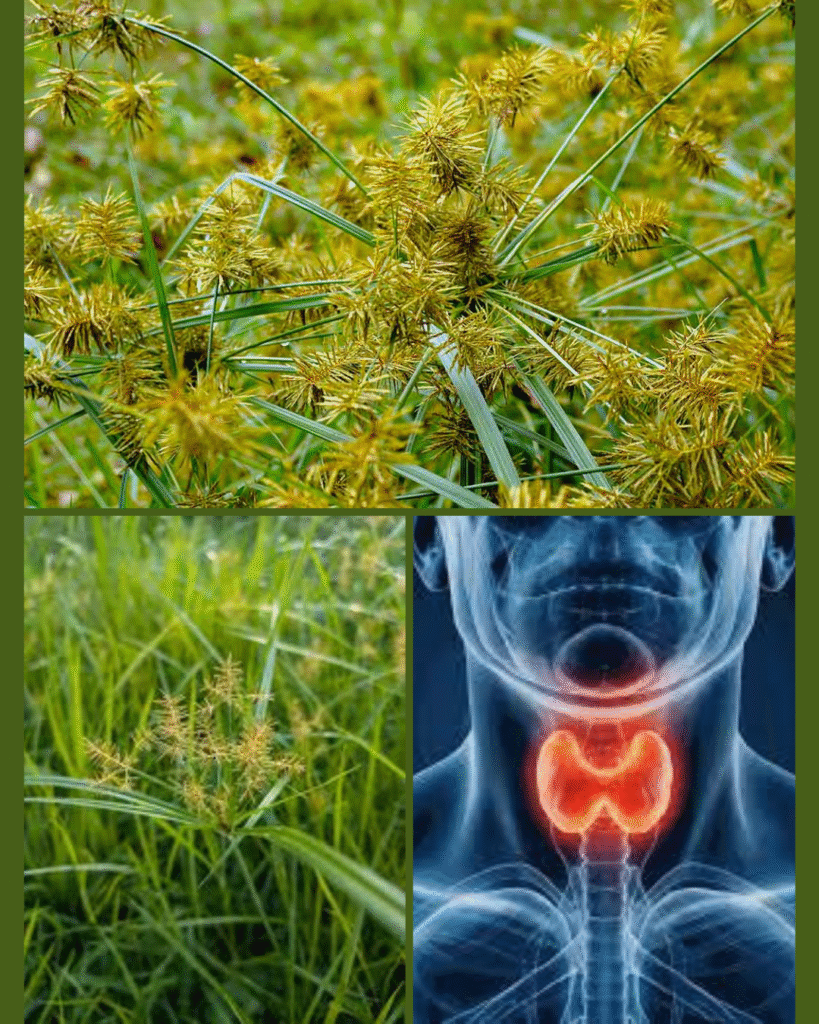
The aerial portion exhibits grass-like leaves arranged in a characteristic three-ranked pattern along the triangular stem. During summer months, the plant produces umbrella-shaped inflorescences bearing numerous small spikelets with yellowish-brown scales. While many gardeners consider yellow nutsedge a persistent weed due to its aggressive spreading tendency, the cultivated varieties selected for tuber production demonstrate remarkable agricultural value.
The tubers themselves present a corrugated external appearance ranging from light yellow to dark brown, depending on soil conditions and variety. When cross-sectioned, the internal tissue reveals a cream-colored, starchy composition with a subtle sweetness that intensifies upon drying. This morphological adaptation enables the plant to survive drought periods and resume growth when moisture becomes available.
Nutritional Composition and Bioactive Compounds
The tubers of Cyperus esculentus contain a complex matrix of macronutrients and micronutrients that contribute to their nutritional significance. Analysis reveals approximately 20-36% fat content, predominantly composed of monounsaturated fatty acids similar to those found in olive oil. Oleic acid constitutes the primary fatty acid, representing 60-80% of total lipid content, contributing to cardiovascular health support.
Carbohydrate content ranges from 40-50% of dry weight, primarily as starch granules with small amounts of simple sugars that provide the characteristic sweet flavor. The resistant starch fraction resists digestion in the small intestine, functioning as a prebiotic fiber that supports beneficial gut microbiota. This fermentable fiber produces short-chain fatty acids in the colon, potentially influencing metabolic health and intestinal barrier function.
Protein content typically comprises 4-8% of dry matter, containing essential amino acids in moderate concentrations. While not a complete protein source, the amino acid profile complements grain-based diets common in traditional consumption patterns. Mineral content includes significant amounts of phosphorus, potassium, and magnesium, with iron and zinc present in quantities that vary based on soil characteristics.
The tubers also contain bioactive phytochemicals including flavonoids, phenolic acids, and phytosterols. Rutin and quercetin derivatives have been identified through chromatographic analysis, compounds recognized for their antioxidant properties. These secondary metabolites likely evolved as defensive compounds but provide potential health benefits when consumed regularly.
Traditional Applications Across Cultures
Historical evidence suggests Cyperus esculentus cultivation dates back to ancient Egypt, where tubers were discovered in pre-dynastic tombs and depicted in hieroglyphic records. The ancient Egyptians consumed them raw, roasted, or ground into flour for bread production. Archaeological botanical remains indicate intentional cultivation rather than simple wild harvesting, suggesting agricultural importance in early civilizations.
In Spain, particularly the Valencia region, tiger nuts form the essential ingredient for horchata de chufa, a traditional beverage consumed since at least the 13th century. The preparation involves soaking dried tubers overnight, grinding them with water, and straining the resulting liquid to produce a milky emulsion. Sugar and cinnamon additions create the characteristic flavor profile, though contemporary versions may reduce sweetener content for health-conscious consumers.
West African communities have utilized yellow nutsedge tubers as both food and traditional medicine for generations. In Nigeria, the Hausa people prepare a refreshing drink called kunun aya by fermenting ground tubers with spices. The fermentation process increases nutrient bioavailability and produces organic acids that contribute distinctive tangy notes. Beyond nutritional applications, traditional healers have employed tuber preparations for digestive complaints and as a galactagogue to support lactation.
Mediterranean folk medicine traditions attribute various therapeutic properties to yellow nutsedge. Greek and Arab medical texts describe preparations for addressing urinary system concerns, digestive irregularities, and as a general tonic. While many traditional uses lack rigorous scientific validation, they reflect accumulated observational knowledge passed through generations.
Modern Cultivation and Agricultural Considerations
Commercial cultivation of selected Cyperus esculentus varieties occurs primarily in Spain, West Africa, and increasingly in other Mediterranean climate zones. The crop demonstrates remarkable adaptability to marginal soils and tolerates drought conditions better than many conventional crops. Sandy loam soils with good drainage provide optimal growing conditions, though the plant adapts to heavier clay soils with appropriate management.
Propagation typically begins with tuber planting during spring months when soil temperatures reach 15-20°C. Planting density varies from 80,000 to 150,000 tubers per hectare depending on variety and desired tuber size. The growing period extends 120-150 days before harvest, with plants requiring minimal fertilization due to efficient nutrient uptake systems.
Weed competition presents minimal challenges once the dense canopy establishes, naturally suppressing competing vegetation. However, the same aggressive growth characteristics that make yellow nutsedge problematic in agricultural settings require careful management when cultivating the crop. Preventing escape into adjacent fields necessitates border containment strategies and thorough removal of volunteer plants.
Harvest timing significantly influences tuber quality and storage potential. Premature harvest yields immature tubers with reduced nutrient density and poor keeping quality, while delayed harvest risks soil compaction issues from equipment operating in wet conditions. Mechanical harvesting employs modified potato diggers that lift the tuber-bearing rhizome network to the soil surface for collection.
Post-harvest processing involves washing to remove soil particles, followed by drying to reduce moisture content from approximately 50% to 8-12% for long-term storage. Traditional sun-drying methods extend over several days, while commercial operations employ forced-air drying systems that accelerate the process while maintaining quality. Properly dried tubers remain viable for months without refrigeration when stored in ventilated containers.
Culinary Applications and Preparation Methods
Raw tiger nuts present a firm, crunchy texture with a naturally sweet, nutty flavor reminiscent of coconut or almond. Soaking dried tubers in water for 12-24 hours rehydrates them, softening the texture and intensifying sweetness as enzymes convert some starches to simple sugars. This traditional preparation method precedes most culinary applications.
Grinding soaked tubers produces a flour alternative suitable for gluten-free baking applications. The flour contains higher fat content than conventional grain flours, contributing moisture and richness to baked goods. However, the absence of gluten-forming proteins requires recipe modifications or combination with binding agents like xanthan gum for structural integrity. Cookies, energy bars, and flatbreads successfully incorporate tiger nut flour in proportions ranging from 25-100% depending on desired characteristics.
Roasting dried tubers at moderate temperatures develops deeper caramelized flavors while creating a crispier texture suitable for snacking. Home roasting in a conventional oven at 150-170°C for 20-30 minutes produces satisfactory results, though careful monitoring prevents burning due to the high oil content. Some producers offer pre-roasted tubers as a convenient, shelf-stable snack option.
The preparation of tiger nut milk represents perhaps the most widespread contemporary application. The basic process involves blending rehydrated tubers with fresh water at a 1:3 or 1:4 ratio, then straining through fine mesh or cheesecloth to remove fibrous particles. The resulting beverage provides a dairy-free alternative naturally sweet without added sugars. Vanilla, cinnamon, or dates enhance the flavor profile according to personal preference.
Tiger nut oil, extracted through cold-pressing methods, exhibits a light yellow color and mild, sweet aroma. The high oleic acid content provides heat stability suitable for cooking applications, while the pleasant flavor works well in salad dressings and finishing applications. Commercial production remains limited compared to major vegetable oils, but artisanal producers offer small-batch cold-pressed versions targeting specialty markets.
Potential Health Considerations and Research Findings
Scientific investigation into Cyperus esculentus health effects remains relatively limited compared to major food crops, but emerging research suggests several areas of potential benefit. The high resistant starch and dietary fiber content supports digestive health by promoting regular bowel function and serving as substrate for beneficial colonic bacteria. Studies examining prebiotic effects demonstrate increased populations of Bifidobacterium and Lactobacillus species following tiger nut consumption.
The favorable fatty acid profile, particularly the predominance of oleic acid, may contribute to cardiovascular health maintenance. Oleic acid has been associated with improved lipid profiles when substituted for saturated fats in controlled dietary interventions. Additionally, the presence of phytosterols may interfere with cholesterol absorption in the intestinal tract, though the concentrations in tiger nuts appear modest compared to fortified products.
Antioxidant activity measured through in vitro assays indicates moderate capacity to neutralize free radicals, attributed to phenolic compounds and vitamin E content. However, translating these laboratory findings to physiological effects in humans requires careful consideration of bioavailability, metabolic transformation, and actual intake levels. The antioxidant contribution from typical serving sizes likely complements rather than dominates total dietary antioxidant intake.
Some preliminary research explores potential blood sugar management properties related to the resistant starch and fiber content. These components may slow glucose absorption and moderate postprandial glycemic responses compared to rapidly digestible carbohydrates. However, individuals with diabetes should incorporate tiger nuts thoughtfully within their overall carbohydrate budget, as the tubers still contain substantial total carbohydrate content.
Allergic reactions to tiger nuts occur rarely but have been documented in medical literature. Cross-reactivity with other plant allergens, particularly tree nuts despite the botanical distinction, may occur in sensitive individuals. Anyone with known food allergies should introduce tiger nuts cautiously and monitor for adverse reactions.
Practical Integration for Beginners
Starting with tiger nuts requires minimal specialized knowledge or equipment. Purchasing dried tubers from reputable suppliers ensures food-grade quality appropriate for consumption. Many health food stores, specialty grocers, and online retailers now stock tiger nuts alongside other alternative ingredients. Selecting organic varieties when available reduces potential pesticide exposure, though conventional options remain perfectly suitable for most consumers.
Initial experimentation might begin with simple preparations requiring minimal processing. Soaking a small quantity overnight and sampling the rehydrated tubers provides direct experience with the flavor and texture. Those who enjoy the taste can progress to making tiger nut milk using a standard blender and strainer. Starting with smaller batches prevents waste while developing preparation techniques.
For baking applications, purchasing pre-made tiger nut flour simplifies the process compared to home grinding. The flour works well in recipes specifically developed for alternative flours rather than direct substitution in conventional recipes. Numerous online resources and specialized cookbooks provide tested formulations that account for the unique properties of tiger nut flour.
Storage of dried tubers presents few challenges in cool, dry conditions. An airtight container in a pantry maintains quality for several months, while refrigeration extends storage life further. Ground flour should be refrigerated or frozen due to the high oil content that may oxidize at room temperature, potentially developing off-flavors.
Realistic expectations help avoid disappointment when incorporating new ingredients. Tiger nuts offer nutritional benefits and interesting flavor profiles, but they don’t constitute miracle foods requiring displacement of established dietary patterns. Viewing them as one component within a varied diet allows appreciation of their unique characteristics without unrealistic health expectations.
Environmental Sustainability and Agricultural Impact
From an environmental perspective, Cyperus esculentus cultivation presents both advantages and concerns. The crop’s drought tolerance and minimal irrigation requirements suit regions facing water scarcity challenges. The deep root system improves soil structure and prevents erosion, particularly on marginal lands unsuitable for conventional crops. These characteristics position tiger nuts as a potentially sustainable crop option in appropriate contexts.
However, the aggressive growth habit and prolific tuber production that make yellow nutsedge successful also create ecological concerns in non-native environments. The species has established invasive populations in agricultural regions worldwide, competing with desired crops and resisting control measures. This invasive potential necessitates responsible cultivation practices that prevent escape into surrounding ecosystems.
The relatively low input requirements compared to many modern crops reduce environmental footprint associated with fertilizer and pesticide production and application. Traditional cultivation methods in Spain and West Africa rely primarily on organic practices, though commercial operations may incorporate synthetic inputs for increased yields. Organic certification remains available for consumers prioritizing production methods aligned with environmental values.
Life cycle assessments comparing tiger nut production to alternative crops remain limited in peer-reviewed literature. Preliminary analyses suggest comparable or favorable environmental profiles for water use and greenhouse gas emissions per unit of nutritional output, though methodological variations limit definitive conclusions. Additional research incorporating diverse production systems and geographic contexts would strengthen understanding of environmental implications.
Economic Considerations and Market Development
The global tiger nut market remains relatively small compared to major nut and seed categories, but consistent growth reflects increasing consumer interest in alternative ingredients and plant-based nutrition. Spain dominates commercial production, supplying both domestic consumption for traditional horchata and export markets. West African production primarily serves local and regional markets, with limited international trade infrastructure.
Price points for tiger nuts typically exceed those of conventional nuts like peanuts or almonds, reflecting smaller production scale and specialized market positioning. Retail prices vary considerably based on processing level, organic certification, and distribution channels. Bulk dried tubers generally offer better value than processed products like flour or milk, though convenience factors influence consumer choices.
Market development faces challenges related to consumer familiarity and established dietary patterns. Educational efforts highlighting nutritional properties and culinary versatility help overcome initial resistance to unfamiliar ingredients. Social media influencers and food bloggers have contributed to increased awareness, particularly within health-conscious and plant-based dietary communities.
Commercial opportunities exist for value-added products beyond basic dried tubers. Pre-made tiger nut milk, flour, oil, and snack products command premium prices while providing convenience that attracts time-constrained consumers. Small-scale producers have successfully entered specialty markets through farmers markets, natural food stores, and direct online sales.
Comparative Analysis with Alternative Ingredients
Tiger nuts occupy a unique position among plant-based ingredients, sharing characteristics with both nuts and tubers while differing substantially from each category. Unlike true nuts that represent fruit seeds, tiger nuts are modified stems storing starch and oils. This botanical distinction matters less than functional and nutritional comparisons for practical purposes.
Compared to tree nuts like almonds or walnuts, tiger nuts contain lower protein and higher carbohydrate content. The fat composition differs significantly, with tiger nuts providing predominantly monounsaturated oleic acid versus the polyunsaturated fats characteristic of walnuts or the mixed profile of almonds. For individuals allergic to tree nuts, tiger nuts may provide an alternative texture and flavor without cross-reactivity concerns, though individual testing remains essential.
When compared to grain-based flours, tiger nut flour offers a naturally gluten-free option with higher fat content and distinct flavor characteristics. The absence of gluten presents technical challenges for traditional baking applications requiring protein network formation, but alternative techniques compensate for this difference. The lower protein content compared to wheat flour limits rising capacity in yeast breads without supplementation.
Against other alternative flours like coconut or almond flour, tiger nut flour provides a middle ground regarding fat and carbohydrate content. The naturally sweet flavor resembles coconut while the texture more closely approximates almond flour. Cost considerations often favor alternatives for routine use, positioning tiger nut flour as a specialty ingredient rather than staple replacement.
The nutritional profile and culinary properties suggest tiger nuts complement rather than replace other ingredients. Their unique characteristics merit inclusion in a diverse dietary repertoire without necessity for exclusive reliance or elimination of alternatives.
Disclaimer: This article is for informational purposes only and is not a substitute for professional advice.
Source: United States Department of Agriculture (USDA) FoodData Central – Nutritional composition databases and agricultural research publications.